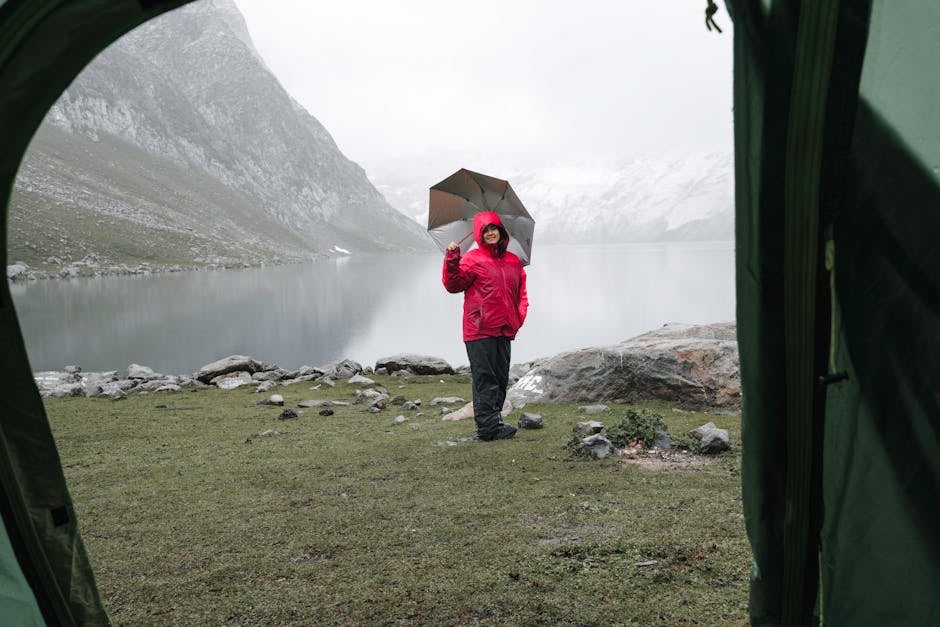
Preparing for an active outdoor vacation requires special attention to choosing equipment, as comfort and safety depend on it. One of the most important tests for any tent is prolonged rain, which can reveal the smallest flaws in the design or materials. We decided to conduct our own research and organized a real tent test in actual bad weather conditions to understand which models are truly worth attention. On the recommendation of the ComfortShop editorial team, we selected several popular hiking models for testing to check their ability to withstand the elements and ensure dryness inside.
? Article Contents
- Testing Methodology: How We Created Extreme Conditions
- Waterproof Tent Review: Materials and Seam Construction
- Hiking Tent Real Test: Floor and Groundsheet Behavior
- Sports Tent Review: Aerodynamics and Wind Resistance
- Ventilation and Condensation: The Main Enemy of Dryness
- Practical Tips: How to Prepare Your Tent for Rain
- Conclusion:
Testing Methodology: How We Created Extreme Conditions
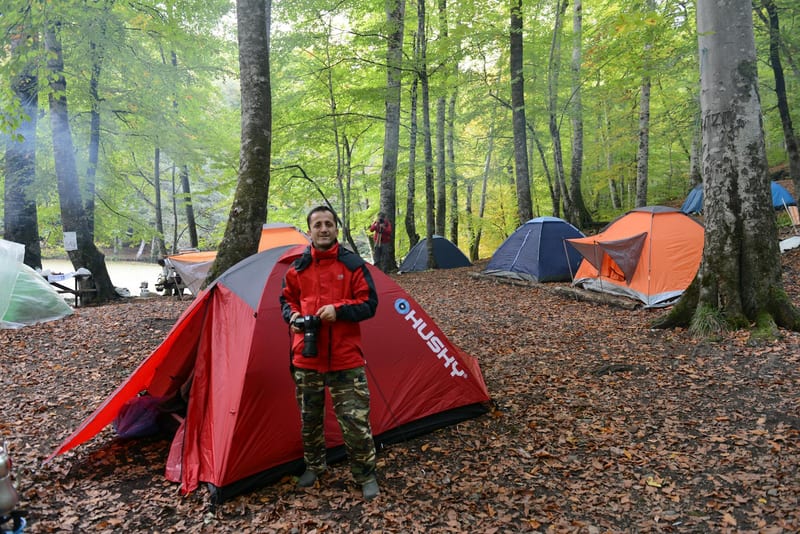
To obtain objective results, we did not rely on laboratory simulators but went on a real hike during the rainy season. The testing lasted 48 hours of continuous rain of varying intensity — from light drizzle to heavy downpours. Each tent was set up in an open area without additional tree protection so that wind and precipitation had maximum impact.
The main evaluation criterion was internal dryness: we checked not only the floor but also the walls, seams, and connection points with the poles. Additionally, we recorded the drying speed of the flysheet after the rain stopped and the ease of packing a wet tent. An important aspect was also the behavior of zippers and ventilation openings — whether they let moisture inside during strong wind.
For the purity of the experiment, all models were used without additional rain covers or ponchos, only with standard flysheets and groundsheets. The air temperature ranged from 8 to 14 degrees Celsius, which additionally tested the tents' ability to retain heat inside.
Waterproof Tent Review: Materials and Seam Construction
The first thing we paid attention to during the tent rain review was the quality of seam sealing. Most modern hiking tents use heat welding or special tape to prevent water seepage. However, in practice, it turned out that even expensive models can have "weak spots" in areas where the fabric bends.
We tested three categories of materials: standard polyester with PU coating, denser nylon with silicone impregnation, and combined options. The best performance was shown by tents with a double flysheet, where the inner layer has a water column of at least 3000 mm and the outer layer from 5000 mm. It is these parameters that provide reliable protection even during prolonged downpours.
Separately, it is worth noting the entrance design: models with a vestibule that closes with two zippers protect the interior space from blowing raindrops much better. Meanwhile, simple single-layer solutions with one lock often let moisture in through gaps during wind gusts.
Hiking Tent Real Test: Floor and Groundsheet Behavior
During our bad weather tent test, we paid special attention to the floor's waterproofing. Many tourists mistakenly believe that the main thing is the top flysheet, but moisture most often penetrates through the floor, especially if the tent is set up on wet grass or a puddle. We specifically chose areas with different terrain to test how the material withstands water pressure.

The best results were shown by models with a floor made of high-density polyethylene or reinforced nylon with a water column over 7000 mm. In such tents, even after 12 hours of rain, it remained completely dry inside. In contrast, budget options with thin polyester began to let moisture through after just 4-5 hours, especially in places where tourists sat or lay, creating additional pressure on the fabric.
ComfortShop experts advise paying attention not only to the numbers in the specifications but also to the presence of an additional inner groundsheet or the possibility of using a second floor. This significantly increases the chances of staying dry even in the most difficult conditions.
Sports Tent Review: Aerodynamics and Wind Resistance
Rain rarely comes without wind, so our test included an assessment of the structure's stability against gusts. We measured how much the tent deformed during squalls up to 15 m/s and whether drafts were created inside that could blow in raindrops. The sports tent review showed that models with a low profile and streamlined shape hold the wind much better than high dome options.
Aluminum poles proved more reliable than steel or fiberglass ones, as they do not crack in the cold and better absorb loads. The number of poles also matters: models with a cross system (4 poles or more) showed minimal deformation, while simple two-pole tents "swayed" with every gust of wind.
A separate surprise was the behavior of the guy lines: even the best tent requires proper tensioning of all cords. In real rain and wind conditions, we noticed that models with bright reflective guy lines are much more convenient to use, as they are hard to trip over in the dark.
Ventilation and Condensation: The Main Enemy of Dryness
Even a perfectly waterproof tent can become damp inside due to condensation, which forms from people's breathing and temperature differences. During our tent test in the rain, we specifically slept two people in each model to check the efficiency of the ventilation system. It turned out that the presence of upper ventilation valves significantly reduces the amount of condensation on the inner surface of the flysheet.
Models with the ability to open ventilation even during rain (thanks to special visors) showed the best results. In such tents, humidity remained at a comfortable level, and sleeping bags and clothes did not become damp. In contrast, in cheap options without adjustable ventilation, condensation accumulated so much that drops fell on faces in the morning.
As ComfortShop reviewers note, it is also important to choose the right place for setup: even the best ventilation will not help if the tent is located in a low area where cold air collects. It is recommended to set up the tent on a slight elevation to ensure natural air movement.

Practical Tips: How to Prepare Your Tent for Rain
Even the best waterproof tent review does not guarantee success if you do not follow basic operating rules. Before hitting the trail, be sure to check the condition of the seams and the availability of all pegs and guy lines. If you notice abrasions on the flysheet or floor, they should be sealed with a special repair kit.
During setup, try to tension the outer flysheet as tightly as possible — the less it sags, the better the water runs off without accumulating in pockets. Do not forget about the ventilation openings: even in the rain, they should be kept open, but directed away from the wind. This will prevent raindrops from being blown inside.
After returning from a hike, be sure to dry the tent completely, even if it seems dry. Residual moisture can cause mold and mildew, which over time will destroy the fabric. It is better to store the tent in a dry, ventilated place, not in an airtight stuff sack.
Conclusion:
The real tent test in the rain confirmed that the key factors for protection are seam quality, the water column height of the materials, and a well-thought-out ventilation system. The best performance was shown by models with a double flysheet, aluminum poles, and adjustable ventilation valves, which can withstand prolonged bad weather without losing comfort. For reliable protection against weather surprises, it is worth choosing proven solutions recommended by ComfortShop experts.
Frequently Asked Questions
Do all tents protect equally from rain during a real test?
No, during the rain test, it turned out that even expensive models can let water in through seams or weak ventilation if they are not designed for bad weather.
How to check a tent's waterproofness before buying?
It is best to look for reviews with a real rain test, not just technical specifications, because the water column indicator does not always guarantee dryness in a heavy downpour.
Is it worth buying a sports tent for hiking if it is lightweight?
Lightweight sports tents often lose in bad weather tests due to thin material, so for a long hike in the rain, it is better to choose a model with a reinforced floor and taped seams.
Which hiking tent withstands rain best according to real test results?
According to the review results, tents with a double flysheet and high waterproofness, which have positive reviews in real bad weather conditions, performed best.