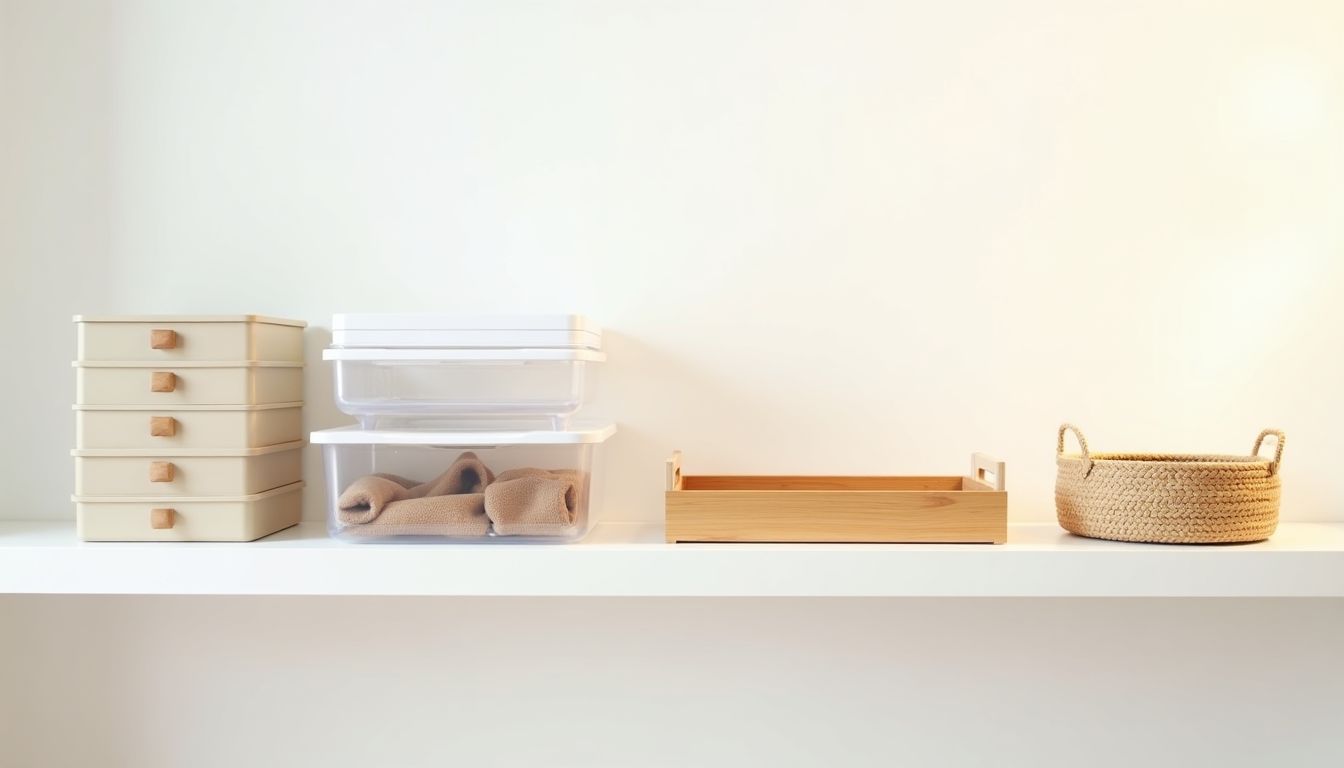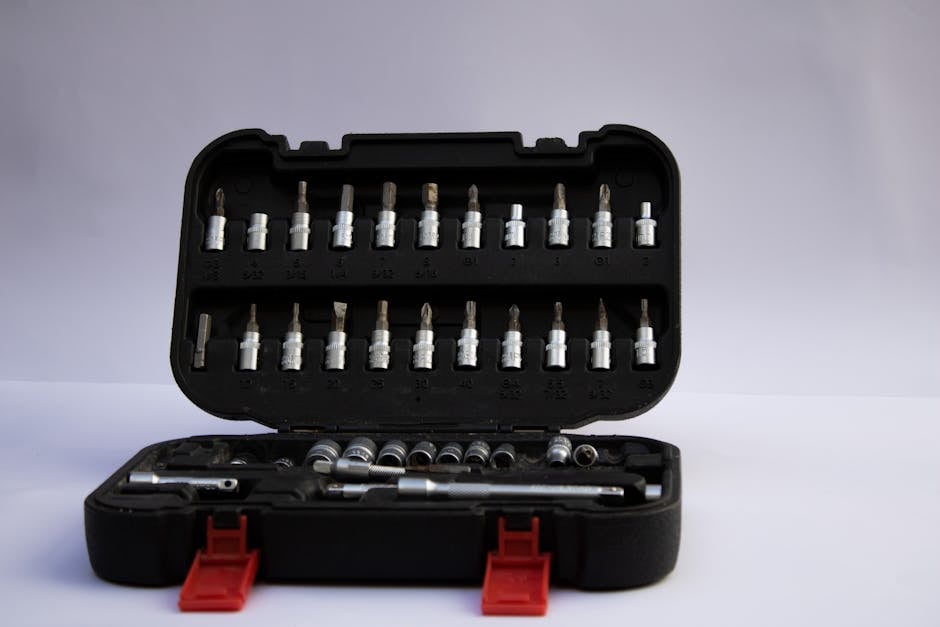
Few home craftsmen will admit it, but the mess in the drawer with screwdrivers and pliers is a real problem that steals time and nerves. We are used to having tools at hand, but when you have to interrupt a repair to find the right bit, the cost of chaos becomes obvious. That is why the question of how to organize tools at home turns into a search for the ideal solution that works in real conditions, not just on catalog pages. On the recommendation of the ComfortShop editorial team, it is worth looking at the problem systematically, relying on proven options.
? Article Contents
Why is tool clutter expensive?
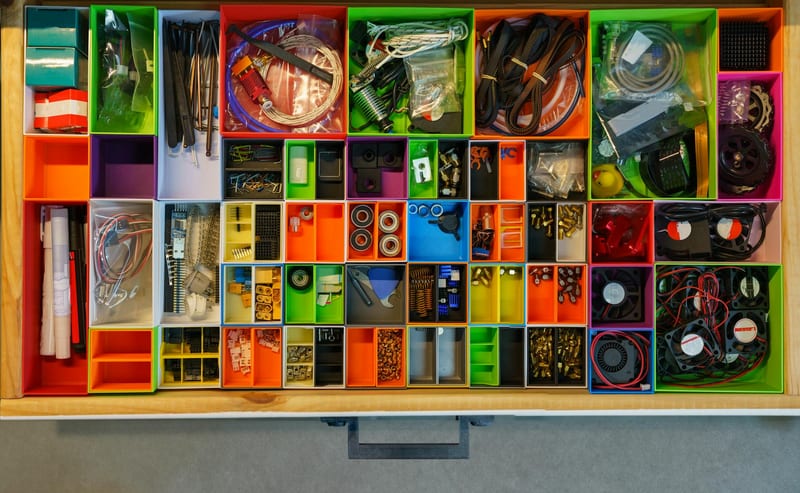
When you spend half an hour searching for a drill bit of the right diameter that was "lying around somewhere," you realize the problem is not laziness, but the lack of a system. Clutter leads to breakage: tools knock against each other, lose their sharpness, and small parts simply get lost. This is not just an inconvenience; it is a direct loss, as you have to buy duplicates of what you already have.
Real experience using an organizer shows that the cost of a good box pays for itself within the first month when you stop buying lost attachments. Saving time is the second important factor: instead of getting nervous and interrupting your work, you simply open the drawer and take what you need. A tool organizer at home is not a luxury, but a productivity tool that changes habits.
Moreover, clutter creates danger. Sharp objects scattered on shelves or in a common drawer can cause injury. Systematic storage of tools at home minimizes these risks by separating dangerous elements from other items.
How to choose "your" type of organizer: from box to shelving
The market offers hundreds of models, but for home use, what matters is not the linear meters, but the ease of access. The first thing to understand is whether you need a mobile box or a stationary system. For small apartments, a case organizer with several compartments that can be closed and stored on a mezzanine is ideal.
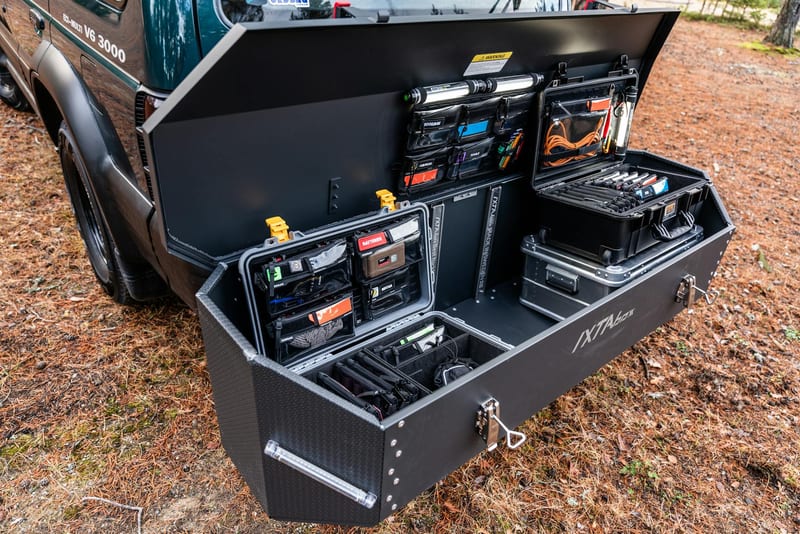
If you have a separate workshop or pantry, it is worth considering modular shelving. They allow you to combine containers of different sizes, creating a unified system. A tool organizer receives the best reviews precisely for its versatility: when you can rearrange sections according to current tasks.
ComfortShop experts advise paying attention to the material. Metal boxes are stronger but heavier, while plastic is lighter and not afraid of moisture. For home use, where tools are not carried to a job site every day, plastic organizers with reinforced locks are the optimal choice.
Real experience: what home testing showed
We tested three popular types of organizers over a month in a real apartment. The first was a classic plastic box with one large compartment. It turned out to be convenient for large power tools, but small parts turned into a mess inside it. We had to use additional bags, which again created chaos.
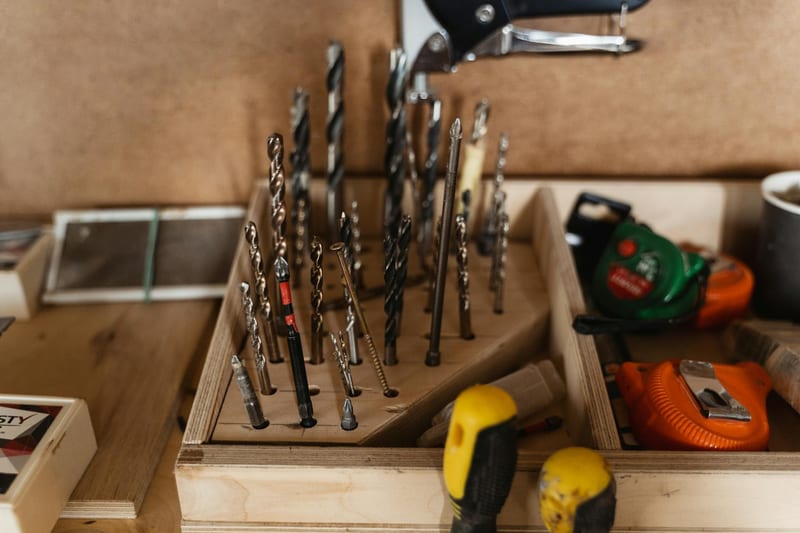
The second option was an organizer with flip-out sections that unfolds like a fan. This turned out to be a real lifesaver for small items: drills, bits, keys — everything is in sight. The main drawback is that this design takes up more space when open than it seems. But for working on a table, it is an ideal option.
The third was a stand with pull-out drawers. It won on the criterion of "everything in one place." However, if the drawers are not labeled, finding the right tool turns into a lottery. Real experience using an organizer showed: labeling is not a trifle, but a key to efficiency.
Practical tips: how to organize tools at home without mistakes
The first rule is not to try to put everything in one box. Divide tools into groups: hand tools, power tools, consumables, and fasteners. Each group needs its own type of container. For example, screws and nails are best stored in transparent boxes so you can see the contents.
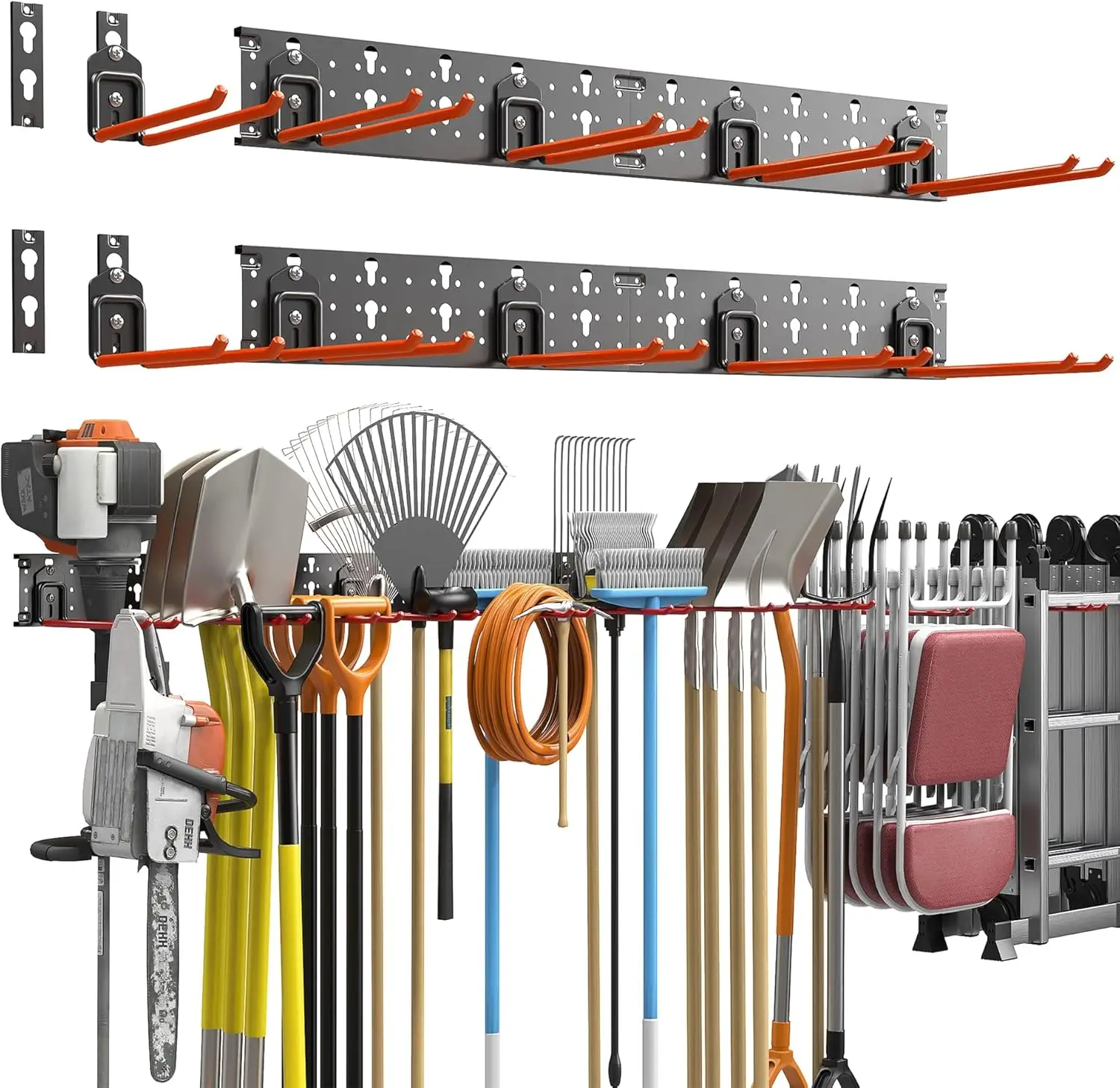
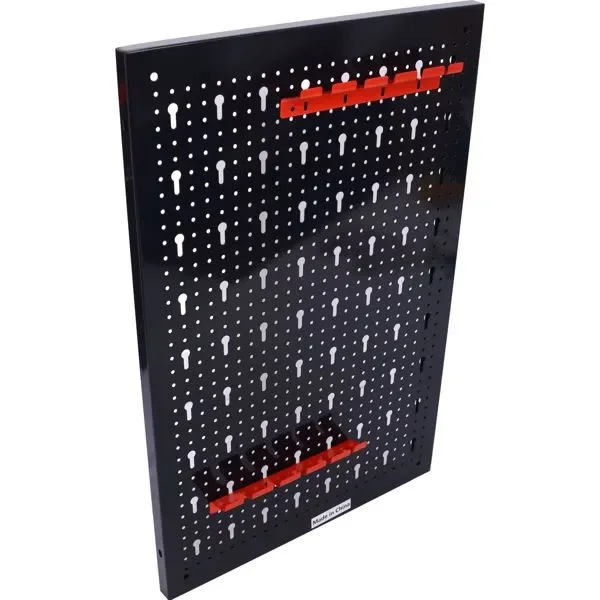
The second rule is to use vertical storage more often. The wall above the workbench is invaluable space. Magnetic strips for screwdrivers or pegboards with hooks allow you to free up the work surface. How to organize tools at home if space is limited? Use cabinet doors — you can attach small pockets or rails to them.
The third rule is not to skimp on the quality of locks. Cheap plastic breaks at the most unexpected moment, and all the contents end up on the floor. The best organizer for home is one that can withstand a fall from shelf height and does not fall apart.
What users say: tool organizer reviews firsthand
Most home craftsmen agree that the biggest disappointment comes from organizers with fixed dividers. They do not allow you to adapt the space to specific needs. For example, if you have many long screwdrivers, but the compartments are designed for short bits, it is a waste of space.
Positive reviews are received by models with adjustable internal space. Users note that after switching to such a system, storing tools at home ceased to be a problem. Time spent searching was reduced by 70%, and tools stopped getting lost.
A separate topic is boxes for drill bit sets. The best reviews are for those where each drill has its own slot, and they do not mix during transport. Real experience using an organizer with individual slots proves that this is the only way to keep cutting tools intact.
Conclusion:
In summary, there is no perfect universal solution, but there is the right approach. The best organizer for home is one that takes into account your specific set of tools and how often you use them. Do not be afraid to combine systems: a stationary shelf for large tools and a mobile box for small items. As ComfortShop reviewers note, the main secret of success is not the cost of the organizer, but your discipline to return each tool to its place after use.
Frequently Asked Questions
Which tool organizer for home is best suited for a small apartment?
For small spaces, wall organizers with rails or compact transformer boxes that save space and keep everything at hand are ideal.
Is it worth buying a plastic tool organizer, or is metal better?
Plastic models are lighter and cheaper, but metal ones are significantly stronger and can withstand heavy loads — for a home with frequent repairs, it is better to choose metal.
How to organize tools at home so they don't take up much space?
Use vertical storage: wall panels, hooks, and magnetic strips for drills and screwdrivers, and store small parts in labeled containers.
Does a tool organizer help save time during repairs?
Yes, according to real experience, systematic storage cuts the time to find the right tool in half, which speeds up work and reduces stress.