A small hallway is a challenge for any family, especially when it comes to shoe storage. Constant clutter near the front door, a pile of sneakers, shoes, and boots blocking the way — does this sound familiar? Fortunately, the modern market offers a multitude of solutions that help organize space even in just a few square meters. According to the recommendation of the ComfortShop editorial team, a properly chosen shoe organizer for the hallway can not only bring order but also visually enlarge the room. In this article, we will look at the best options for compact shoe storage worth purchasing for a small entryway.
? Table of Contents
Why shoe storage requires a separate solution
Shoes are not just an item but a daily use object that accumulates quickly. In a small hallway, every centimeter is precious, so storing pairs on the floor is the worst option. Firstly, it creates a feeling of chaos, and secondly, shoes deteriorate from moisture and dirt brought in from the street.
A shoe organizer helps solve several problems at once: it saves space, protects shoes from deformation, and allows you to quickly find the right pair. Additionally, proper storage extends the lifespan of your favorite shoes or sneakers. That is why ComfortShop experts advise not to neglect this interior element, even if the hallway seems too cramped.
Types of organizers for compact storage
The modern market offers several types of designs that are ideal for small spaces. The most popular options include wall pockets, hanging systems, narrow racks, and pull-out modules. Each has its advantages, depending on the hallway layout and the number of shoes.
Wall organizers are an excellent solution for those who do not want to clutter the floor. They are mounted on a door or wall and can store up to 10-15 pairs. Hanging systems made of textile or plastic take up minimal space but require reliable fastening. Narrow shoe racks for the hallway, 15-20 cm wide, become a real lifesaver — they can even be installed behind the door.
Tip for choosing material
For a small hallway, it is best to choose organizers made of metal or high-quality plastic. Wooden constructions look aesthetic but can be bulky. Textile models are lightweight and mobile, though less durable.
How to choose the ideal option for your space.
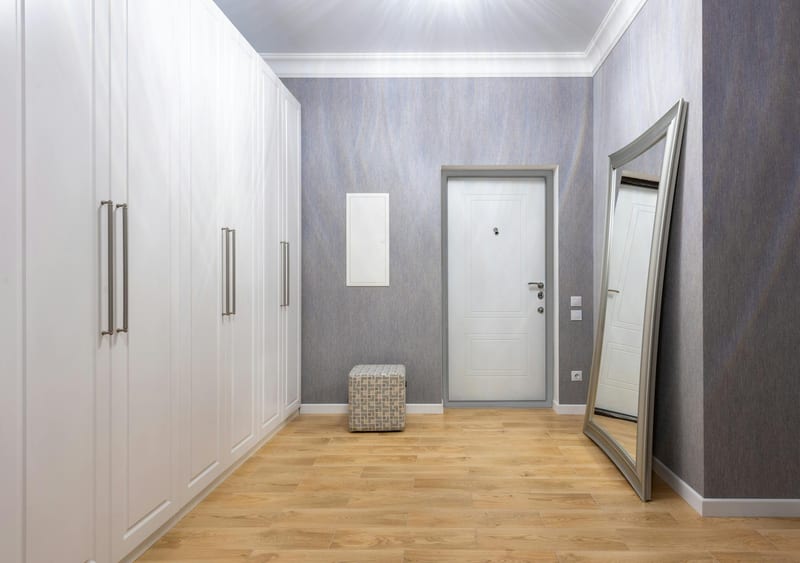
Before buying an organizer, it is worth measuring the available area and determining how many pairs of shoes need to be stored. If you often wear seasonal shoes, it is better to choose a model with adjustable shelves. For daily use, open racks that provide quick access are suitable.
Shoe rack for the hallway: narrow and tall models
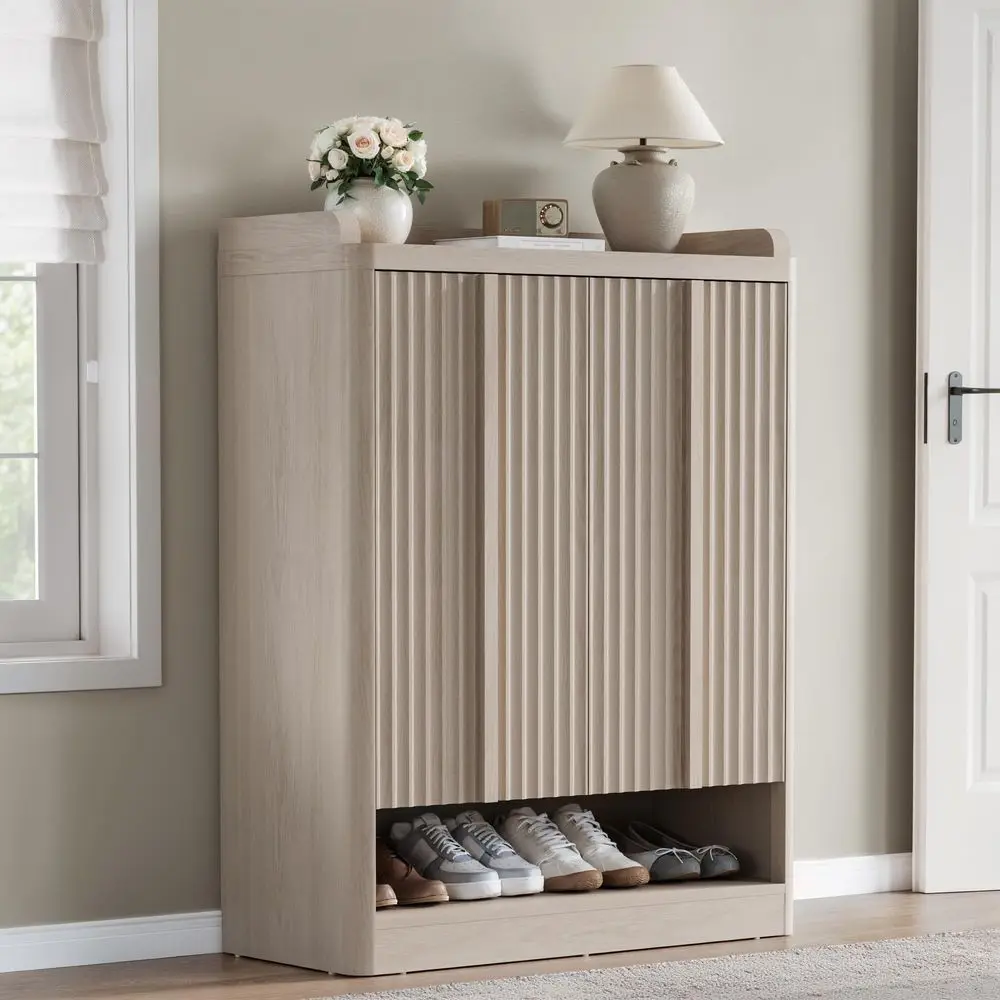
A shoe rack for the hallway is a classic solution that never loses relevance. For small spaces, narrow floor-to-ceiling designs are ideal. They take up minimal floor space but, thanks to vertical arrangement, hold many pairs. Some models have additional hooks for umbrellas or keys, making them multifunctional.
Particularly popular are racks with slanted shelves, which allow storing shoes at an angle. This saves depth and makes the design less noticeable. As ComfortShop reviewers note, such models often have high capacity with minimal dimensions — up to 20 pairs in an area of 0.2 square meters.
Hanging and wall-mounted organizers: maximum space saving
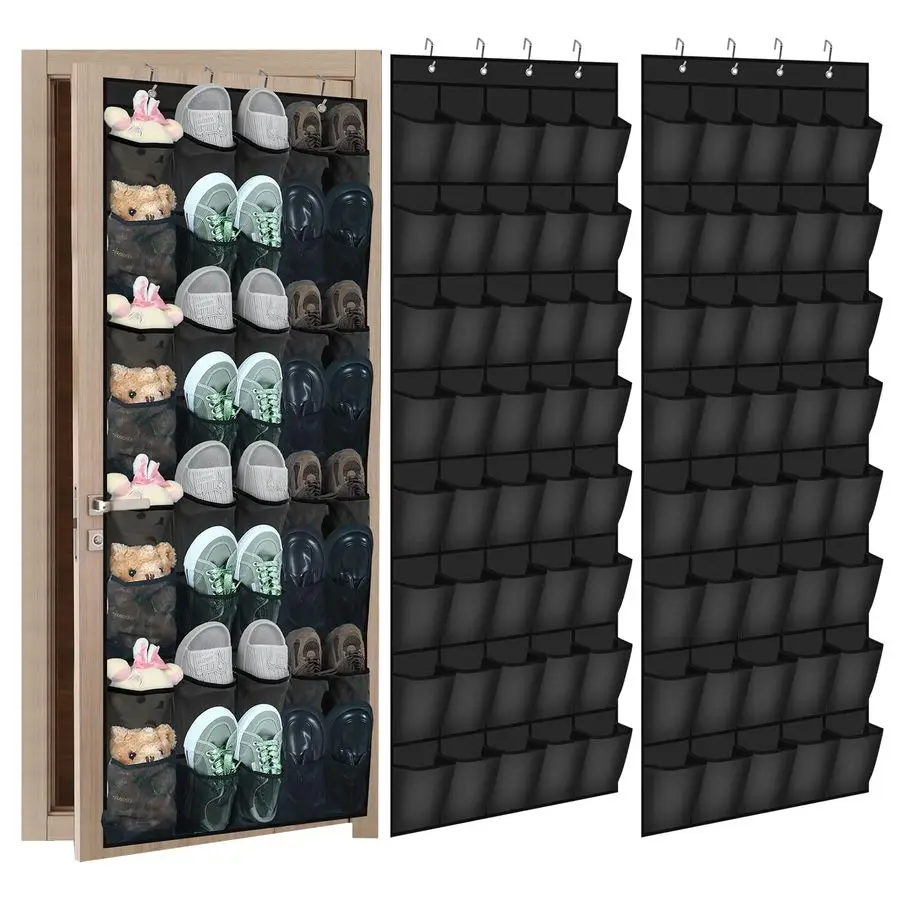
If there is absolutely no free floor space in the hallway, hanging systems come to the rescue. They can be attached to the inside of the front door or on the wall near the coat rack. Such shoe organizers are made of durable fabric or plastic and have separate pockets for each pair.
The advantage of hanging models is mobility. They are easy to remove, move, or replace. Additionally, they do not require complex installation: just a few hooks or screws are enough. For a small hallway, this is an ideal option, especially if you are renting and do not want to make major changes.
Pull-out systems and modular designs
Another modern trend is pull-out organizers that are installed in a wardrobe or niche. They work on the principle of drawers but are specially adapted for shoes. Such systems allow storing pairs in a single row, which facilitates access and maintains order.
Modular designs allow combining different elements: shelves for shoes, holders for boots, and compartments for accessories. This is a universal solution for those who want to maximize space usage. For example, you can buy a basic rack and supplement it with hanging pockets or hooks.
Conclusion:
The choice of a shoe organizer for a small hallway depends on your needs, layout, and budget. The best options are considered to be narrow racks, hanging pockets, and pull-out modules — they save space and maintain order. If you want to buy a shoe organizer, pay attention to models made of durable materials that can withstand daily use. ComfortShop experts recommend choosing multifunctional designs that will become not only a storage place but also a stylish accent in your entryway.
Frequently Asked Questions
Which shoe organizer is best for a very narrow hallway?
For a narrow hallway, a wall-mounted or door organizer with pockets that does not take up floor space, or a narrow shoe rack up to 20 cm deep, is ideal.
How many pairs of shoes can actually fit in a compact organizer?
Compact models, such as hanging organizers or narrow racks, typically hold between 6 and 12 pairs of shoes, depending on the number of shelves or pockets.
Can seasonal shoes be stored in a hallway organizer?
Yes, but for hallway storage, choose models with ventilation holes or open racks to prevent shoes from accumulating moisture and getting damaged.
How to choose a shoe organizer so it does not clutter the space?
Choose multi-tiered designs with slanted shelves or hanging systems that use the vertical space of the wall or door, keeping the passage clear.