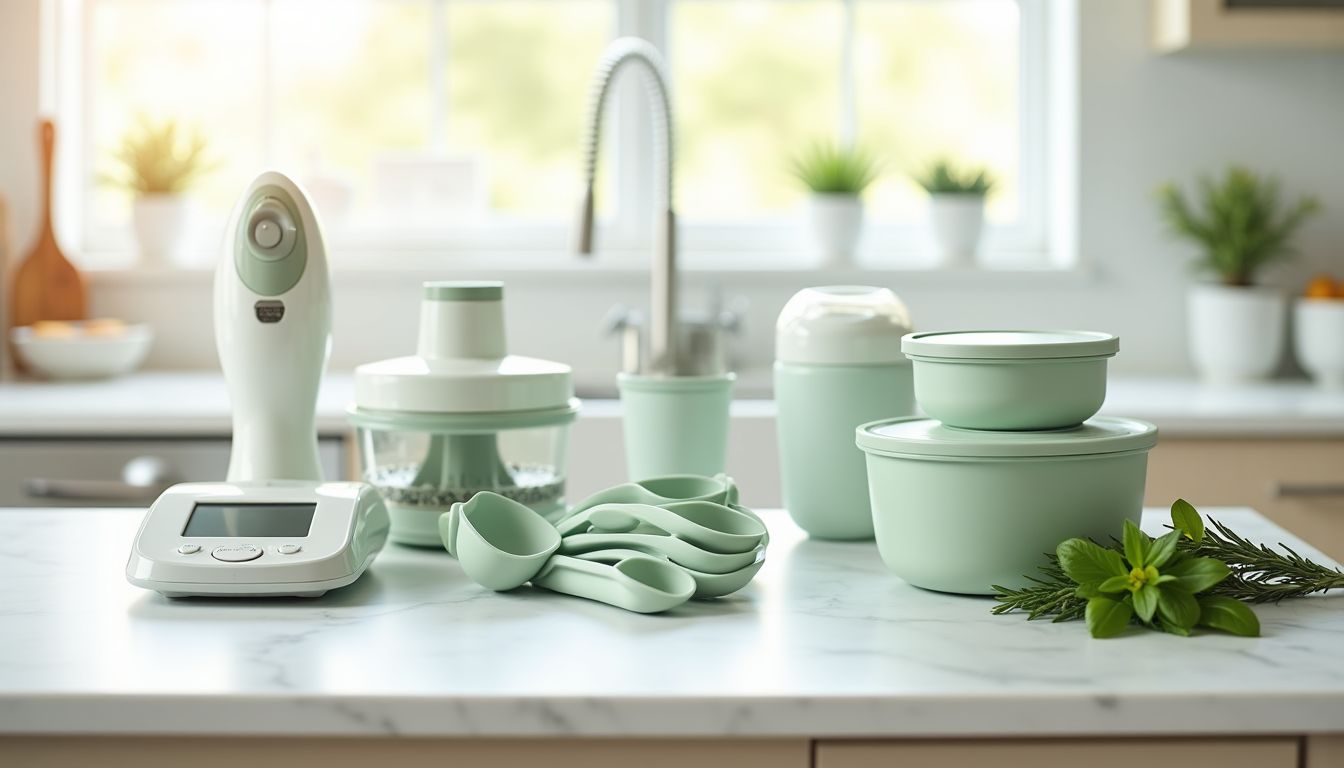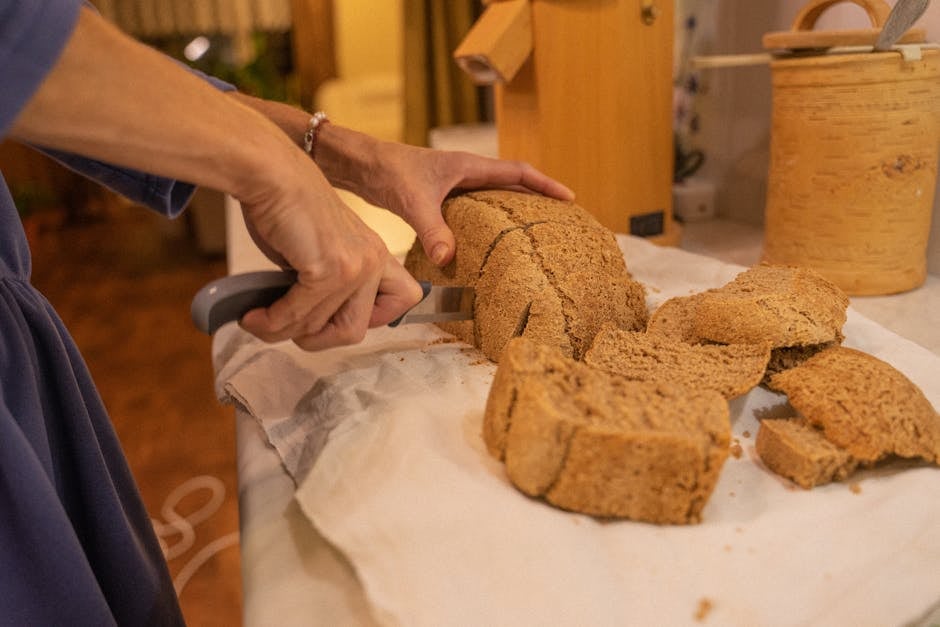
In today's world, where the pace of life is constantly accelerating and the desire to eat natural foods is only growing, the question of purchasing specialized kitchen appliances is becoming increasingly relevant. One such device that sparks considerable debate is the automatic bread maker. Can it truly save time and money, or is it just another kitchen gadget destined to gather dust on a shelf? To answer this question, it's worth understanding the device's features, its real advantages, and disadvantages. According to the recommendation of the ComfortShop editorial team, you should weigh all the pros and cons before purchasing, as the choice of appliance should be based on your actual needs.
? Table of Contents
What is a modern bread maker and how does it work?
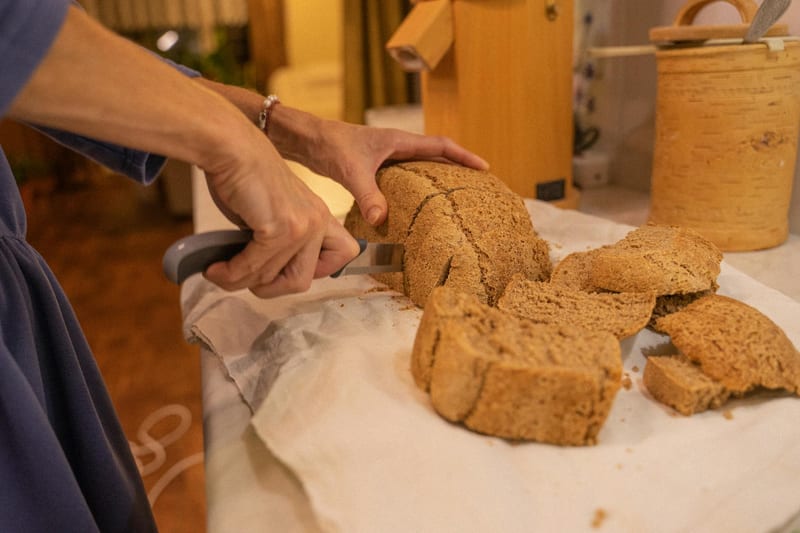
A home bread maker is a compact electrical appliance that automates the process of kneading dough, proofing it, and baking. The main advantage is that the user only needs to load the ingredients into the pan and select the appropriate program. The device independently controls the temperature, kneading time, and other parameters.
Modern models are equipped with displays, delayed start timers, and numerous automatic programs. This allows you not only to bake classic white bread but also to prepare gluten-free varieties, baguettes, muffins, or even make jam. Thus, the device's functionality extends far beyond simple baking.
Understanding the operating principles helps assess how well such a gadget will fit into your daily life. For those who value their time and strive for homemade baked goods without extra hassle, this could be an ideal solution.
Pros and cons of a bread maker: an objective look
Before making a decision, it's worth examining the pros and cons of a bread maker in detail. This will help avoid disappointment and make an informed choice. Let's start with the positive aspects.
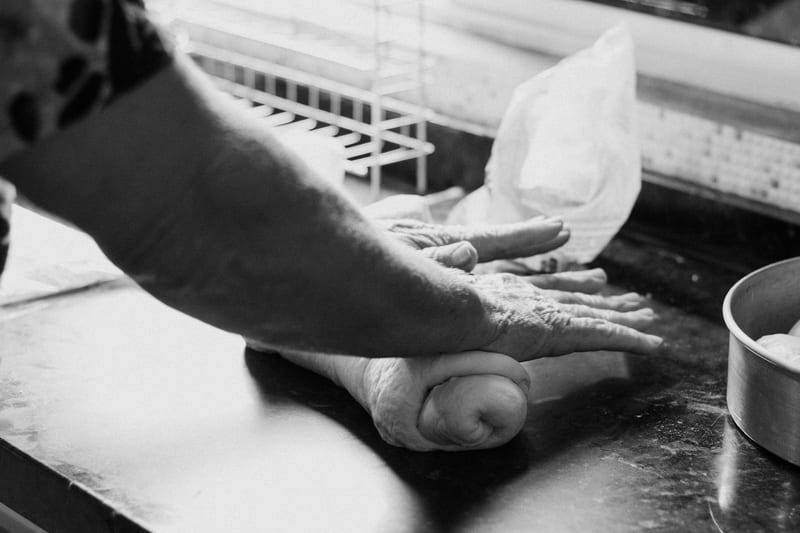
Main advantages:
- Natural product: You control the ingredients yourself, avoiding preservatives, flavor enhancers, and artificial additives.
- Time saving: The process is fully automated — you don't need to knead the dough by hand or watch the oven.
- Aroma of fresh baking: The smell of homemade bread creates a unique coziness and appetite.
- Multifunctionality: Most models can prepare not only bread but also pizza dough, jam, yogurt, and muffins.
However, there is also a downside. Disadvantages include the rather significant dimensions of the device, which require a separate space in the kitchen. Furthermore, not all models can boast baking quality — sometimes the crust turns out too hard or the crumb is unevenly baked.
ComfortShop experts advise paying attention to the power and the material of the baking pan, as these characteristics have the greatest impact on the final result. It's also worth considering that bread preparation takes from 3 to 4 hours, although it requires virtually no active participation from you.
Is it worth buying a bread maker: cost-benefit analysis
The key question that concerns most potential buyers is whether it is worth buying a bread maker from the perspective of saving the family budget. If your family consumes a lot of baked goods, then making them at home can be significantly more profitable than daily purchases at the store.
The cost of ingredients for one loaf of bread is usually 2-3 times lower than the price of a finished product in the supermarket. This is especially noticeable if you buy flour and other components in bulk. With active use, the appliance can pay for itself within a few months.
However, if you buy bread irregularly or prefer a variety of types that are difficult to replicate at home, the economic benefit may not be so obvious. In that case, the purchase would be justified not by financial savings, but by the desire to always have fresh and healthy baked goods.
What other factors should be considered before purchasing.
The taste factor is equally important. Homemade bread, made with love, is always tastier than store-bought. Additionally, you can experiment with recipes by adding seeds, nuts, dried fruits, or spices, creating unique flavor combinations.
Bread maker rating: what to look for when choosing
To avoid making a mistake in your choice, it's worth familiarizing yourself with the bread maker rating and the key criteria that determine the quality of the device. The first thing to pay attention to is power. An indicator from 500 to 700 W is considered optimal, ensuring even baking.
The second important aspect is the material of the pan. Pans with non-stick coating or ceramic ones are considered the best. They last longer and are easier to clean. It's also worth checking for a window in the lid to observe the baking process.
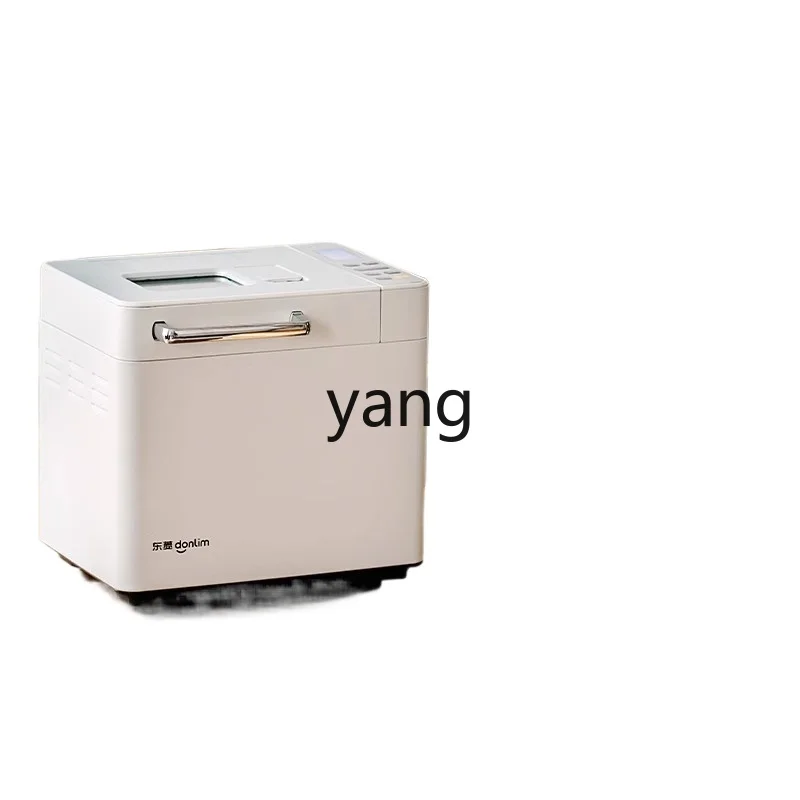
The number of programs is an additional bonus, but not the main criterion. To start, 6-8 basic modes are sufficient, among which there must be programs for white, rye, and gluten-free bread. As practice shows, these are the functions used most often.
Home bread maker: is it worth the space in your kitchen?
When considering various kitchen gadgets, the bread maker holds a special place. It is not a daily-use device for everyone, but for many, it becomes a true helper. If you love experimenting with baking, watch your healthy eating, or simply want to delight your loved ones with fresh bread without extra hassle, this appliance is for you.
On the other hand, if you are rarely at home or do not plan to bake bread regularly, the purchase may prove irrational. It's also important to consider that the device requires maintenance — the pan needs to be washed after each use, and sometimes the inner chamber needs cleaning.
Conclusion:
So, a home bread maker is an excellent tool for those who value naturalness, time, and home comfort. It allows you to enjoy fresh baked goods daily while controlling the composition of the products. As ComfortShop reviewers note, if you are ready to allocate space in the kitchen and want to diversify your diet, such a gadget will be a successful purchase. The main thing is to choose a model with good power and a quality pan, and then the result will not disappoint you.
Frequently Asked Questions
Does a bread maker save money in the long run?
Yes, if you bake bread regularly, the cost of a homemade loaf made with quality ingredients is significantly lower than a store-bought one, allowing the device to pay for itself in 6-12 months.
What is the main disadvantage of a home bread maker?
The main drawback is the size of the device, which takes up a lot of space in the kitchen, and the limited shape of the baked goods (usually just a loaf or a batard).
Can you bake not only bread but also other dishes in a bread maker?
Yes, most models have modes for making jam, preserves, muffins, pizza dough, and even meat, making it a multifunctional kitchen gadget.
Is it worth buying a bread maker if I rarely eat bread?
If you consume bread once a week or less, the purchase is unjustified — it's easier to buy fresh bread at the store than to spend money and space on a device that will sit idle.