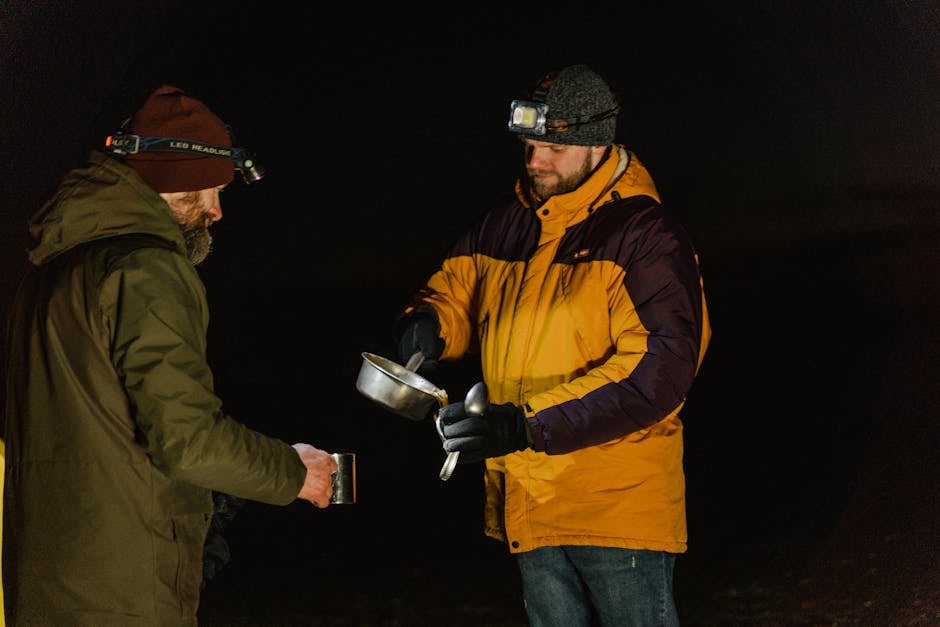
Choosing a headlamp for tourism is not just buying an accessory, but an investment in your safety and comfort during night crossings, cooking in the dark, or setting up camp. The modern market offers hundreds of models that differ in price, functionality, and quality. To avoid getting lost in this variety, it is important to clearly understand which technical characteristics are decisive for your specific tasks. According to the recommendation of the ComfortShop editorial team, before purchasing a device, you should decide on the type of activity: whether it is a long hiking trip, a bike ride, fishing, or a night running workout. In this material, we will look at the key parameters that will help you understand how to choose a headlamp for tourism that will become a reliable companion in any adventure.
? Article Contents
Brightness and Luminous Flux: Lumens and Operating Modes
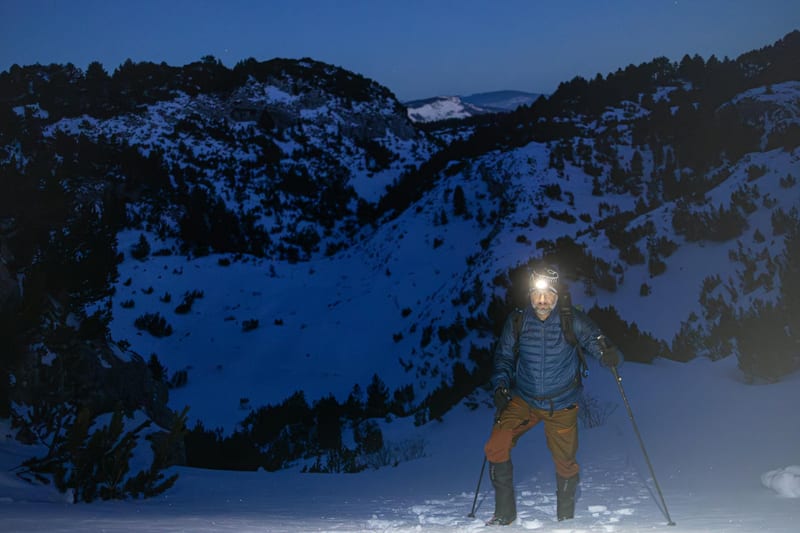
The main characteristic of any light source is brightness, measured in lumens (lm). For comfortable movement along a trail in complete darkness, 100-200 lumens are sufficient. If you plan on high-speed night runs or cycling, you should pay attention to a powerful headlamp with an output of 400 to 800 lumens or more.
However, it is important to remember that maximum brightness is not always necessary. In a tent or when reading a map, overly bright light can be blinding. Therefore, the presence of several modes (turbo, medium, economy) is mandatory. Also, pay attention to the presence of a red LED — it does not attract insects and helps preserve night vision.
How the lens type affects lighting quality.
The lens or reflector shapes the light beam. For tourism, a combined type is considered ideal: a wide diffused beam for close-up viewing and a focused long-range beam for orientation on the terrain. Some models have a smooth focusing function (zoom), which allows you to adapt the light to a specific task. ComfortShop experts advise not to chase maximum lumens if the headlamp does not have a quality driver that stabilizes brightness as the battery discharges.
Power Source: Batteries or Rechargeable Battery
The choice of power type directly affects the autonomy and weight of the gear. The most common options are standard AA/AAA batteries or a built-in lithium-ion battery. For long, self-sufficient hikes where there is no way to charge gadgets, it is better to choose models with replaceable power cells — you can always take a spare set.
If you prefer modern technology, pay attention to headlamps with a rechargeable battery and a USB-C port. This is convenient for short trips to nature or camping where you have access to a power bank. Some manufacturers offer hybrid solutions that work both from a rechargeable battery and from disposable batteries — this is the most versatile choice.
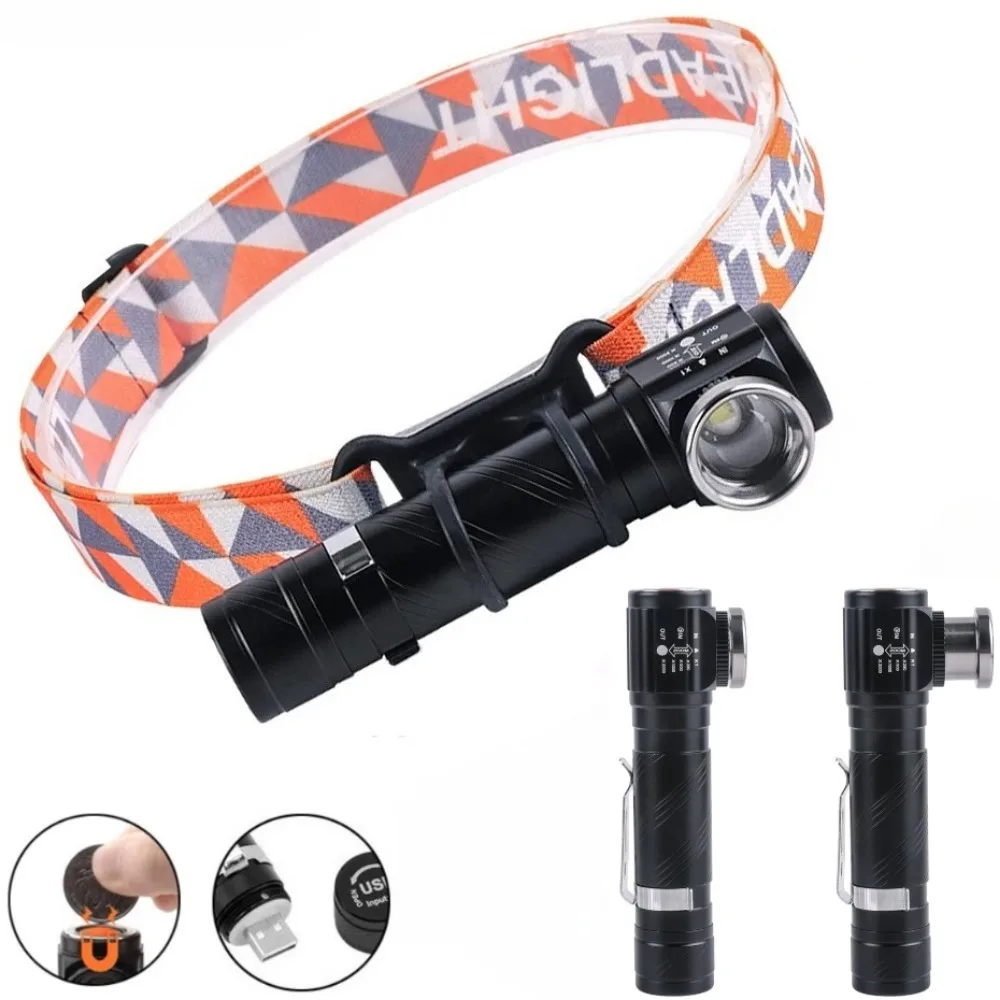
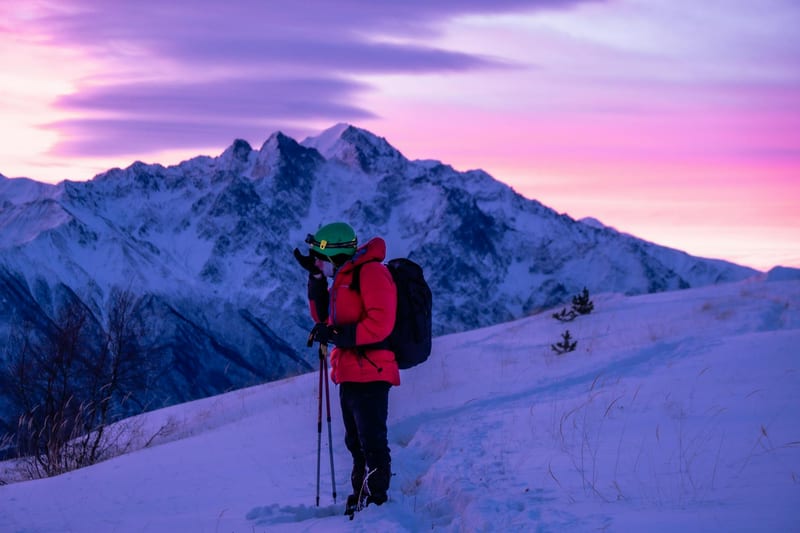
Charge indicator and lock function.
Be sure to ensure the headlamp has a charge level indicator. A sudden shutdown in the dark can be dangerous. Also useful is the button lock function (Lock Mode), which prevents accidental activation of the device in a backpack. As ComfortShop reviewers note, this is one of the most common reasons for product returns, when the headlamp arrives discharged due to accidental pressing during transportation.
Weight, Dimensions, and Housing Materials
In hiking gear, every gram counts. Lightweight headlamps weigh 50-80 grams and are excellent for running and fast-paced hikes. More powerful models with a metal housing can weigh 150-200 grams, but they are significantly more reliable and dissipate heat from the LED better.
The housing material should be impact-resistant. The best choice is anodized aluminum or high-quality ABS plastic. Pay attention to the strap attachment: it should be sturdy, and the strap itself should be wide and non-slip so that the headlamp does not shift while running or making sudden head movements.
Protection Rating: Water Resistance and Dust Protection
Tourism almost always involves the risk of getting caught in the rain or falling into a puddle. The protection standard is indicated by the IP (Ingress Protection) code. For hikes, the minimum acceptable standard is IPX4 (protection against splashes). If you plan to sleep under the open sky or go river rafting, choose models with a rating of IPX7 or IPX8 — they can withstand short-term immersion in water.
Dust protection is especially important for desert routes or rock climbing, where fine sand can damage the lens rotation mechanism. A reliable sealed housing significantly extends the device's lifespan. Remember: a cheap camping headlamp often has minimal protection, so it should only be used in dry weather.
Additional Features: From Lock Mode to Motion Sensor
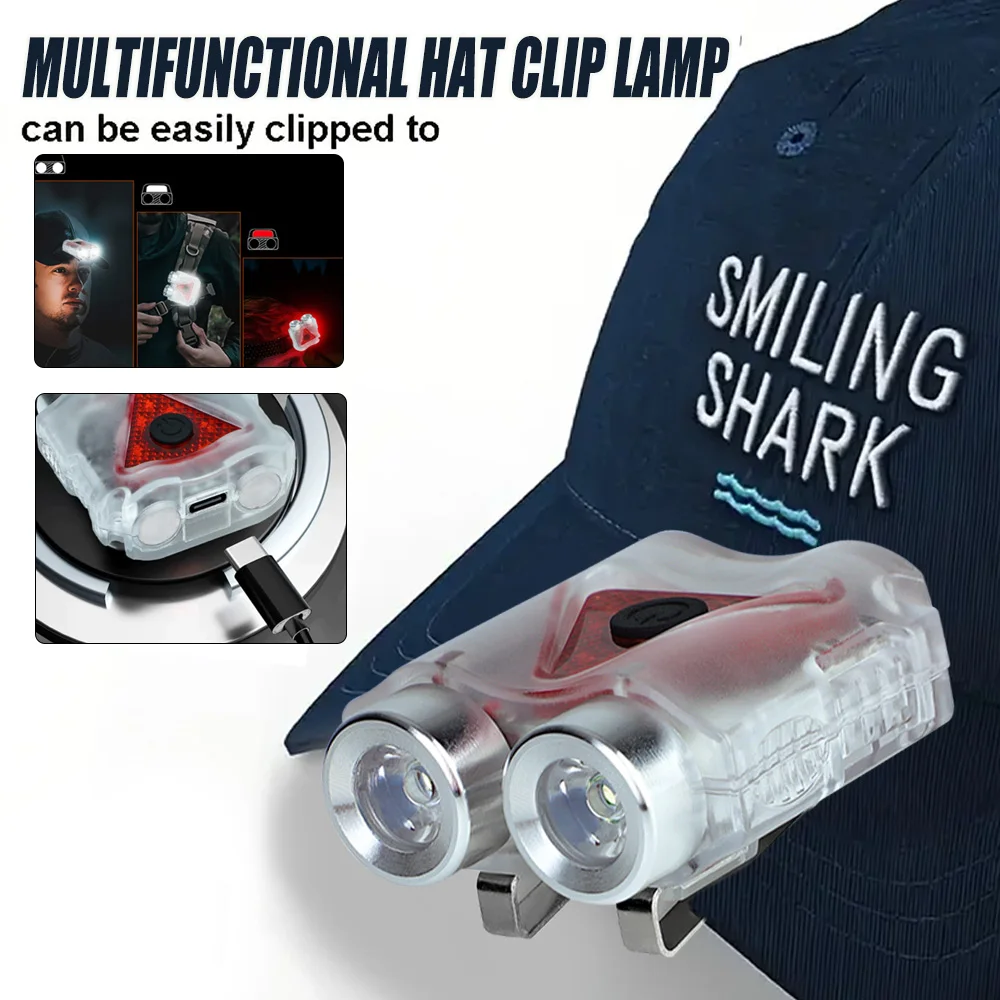
Modern models offer many useful features. For example, the mode memory function allows you to turn on the headlamp immediately at the brightness level you used last. The motion sensor allows you to turn the light on and off with a wave of your hand — this is very convenient when your hands are busy repairing gear.
Some premium headlamps have an emergency beacon (SOS) or strobe function, which can be useful in critical situations. The presence of a battery with a Power Bank function allows you to use the headlamp as an external power source for your smartphone. However, you should not overpay for unnecessary functionality — first, determine what exactly you need for your specific type of activity.
Conclusion:
Choosing a headlamp for tourism is a balance between brightness, weight, autonomy, and protection. For short evening walks, a lightweight battery-powered headlamp is sufficient, while for serious hikes, it is worth investing in a powerful headlamp with a lithium-ion battery and a high water resistance rating. ComfortShop reviewers recommend always testing the headlamp before heading out on the trail to ensure the reliability of the mount and the clarity of the interface. Remember, quality light is the key to your safety and good mood on any trip.
Frequently Asked Questions
What power headlamp is needed for hikes?
For night hikes, 200-300 lumens are sufficient, but for difficult routes or finding your way in the dark, choose models from 500 lumens.
How is a camping headlamp different from a hiking headlamp?
Camping headlamps usually have a red light mode and diffused illumination, while hiking models are focused on long-range performance and power for active movement.
How to choose a headlamp for long hikes?
Pay attention to the power type (rechargeable battery or disposable batteries), operating time, and weight — for multi-day hikes, it is better to choose models with replaceable batteries or a powerful rechargeable battery.
Is it worth buying a powerful headlamp for regular tourism?
Yes, if you plan night crossings or hikes in dense forests, but for simple walks, a medium-power model is sufficient to avoid overloading your gear.