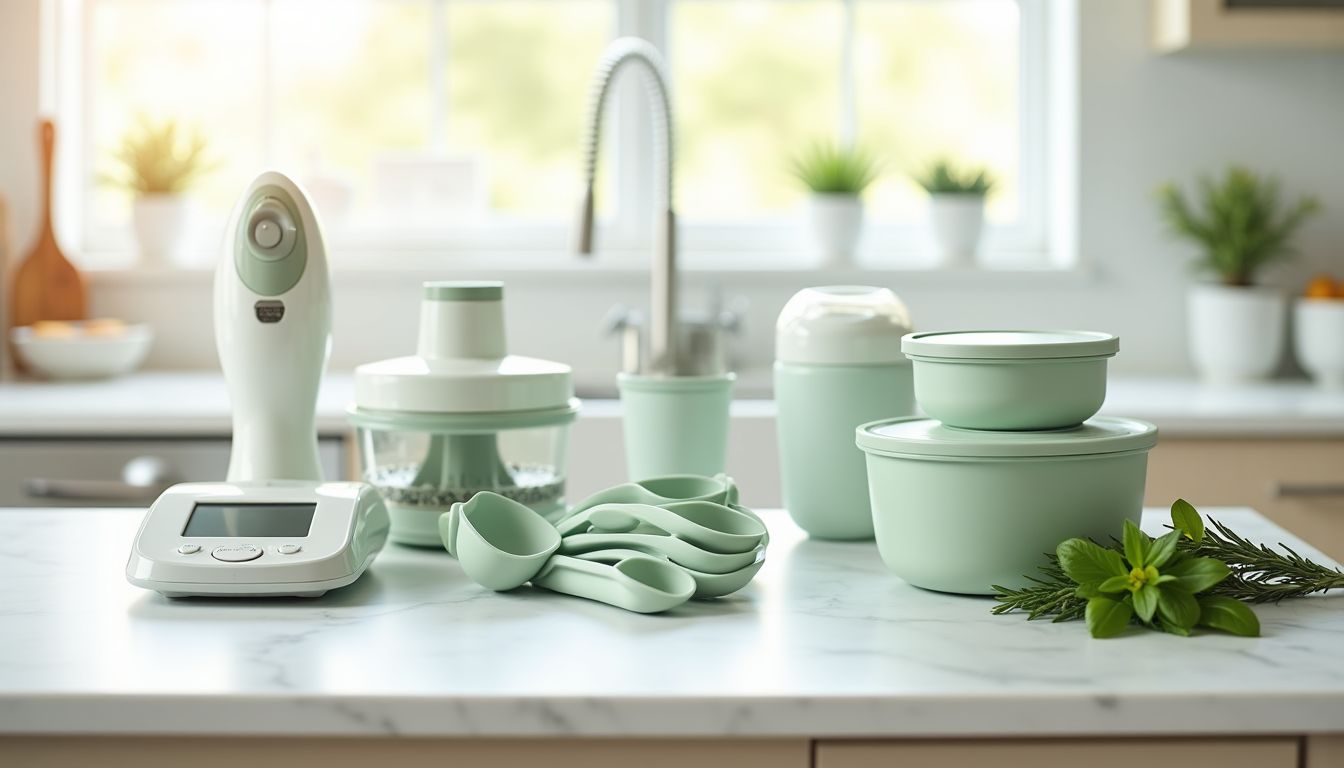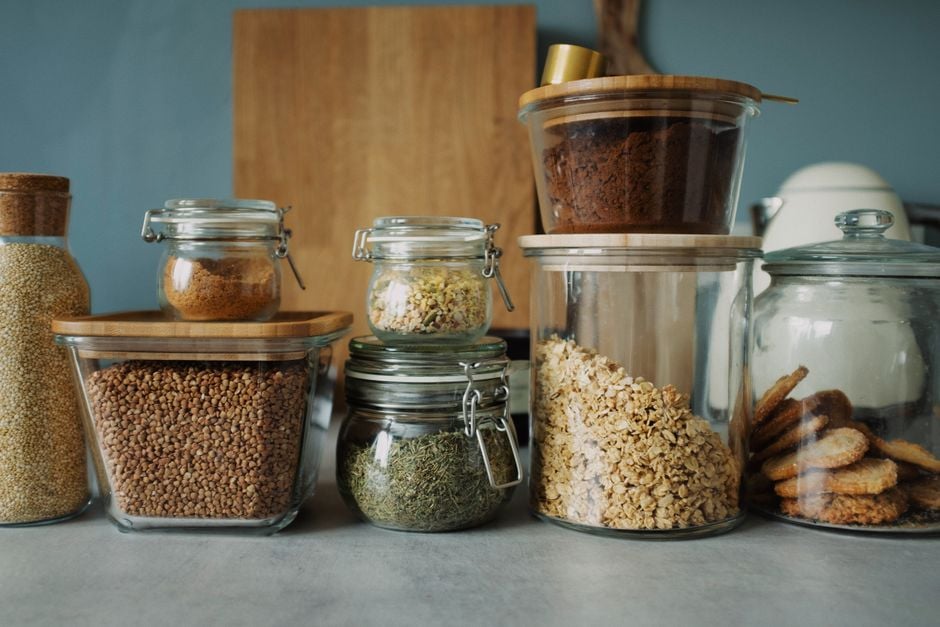
Organizing kitchen space starts with the little things, and storing dry goods plays a key role here. Scattered cereals, pasta, or sugar not only create visual chaos but also attract pests. That is why glass jars for grains have transformed from ordinary containers into a strategic element of the modern kitchen. According to the recommendation of the ComfortShop editorial team, it is worth weighing all the pros and cons before purchasing, as the ideal container should combine aesthetics, airtightness, and practicality.
Article Contents
Glass as a Material: Safety and Durability
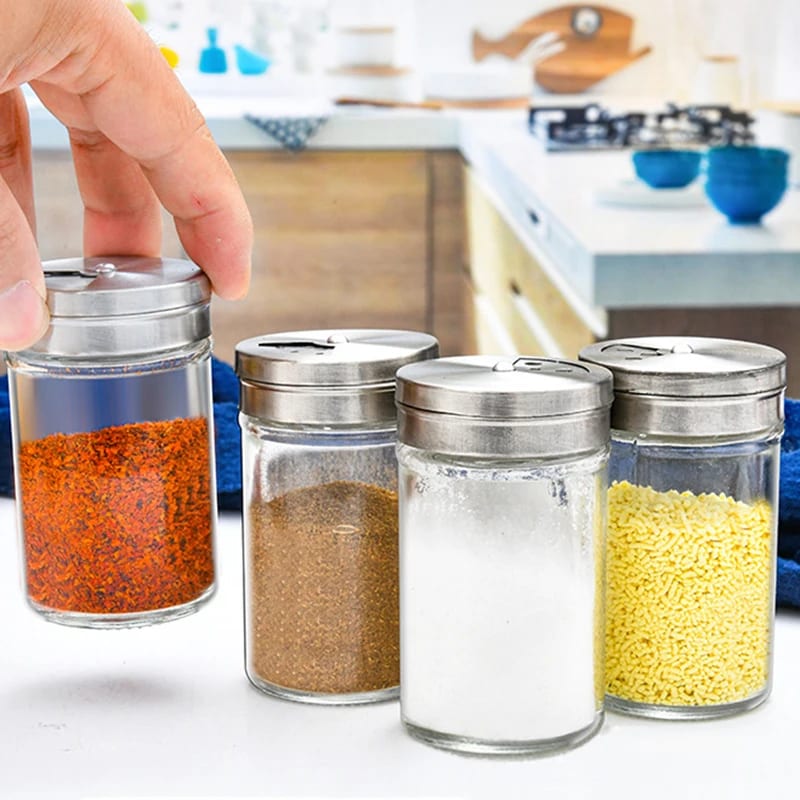
The main argument in favor of glass is its chemical neutrality. Unlike plastic, glass does not react with food, does not absorb odors, and does not release harmful substances even during prolonged contact with grains. This is especially important for products with a high oil content, such as buckwheat or oatmeal, which can "extract" toxins from low-quality plastic.
Durability is another advantage. High-quality glass for storing grains does not become cloudy over time, withstands hundreds of dishwasher cycles, and is not scratched by abrasive sponges. However, one must remember its fragility: a fall on a tiled floor almost certainly means losing the jar. ComfortShop experts advise choosing models made of thick borosilicate glass if the budget allows — they are more resistant to mechanical damage and temperature changes.
Critical Element: Lid Design
A jar can be perfectly transparent, but without a reliable lid, it is useless. In this review of glass jars, we highlight three main types of seals. The first is classic screw caps, often found on budget models. They are simple, but over time they rust and lose their seal due to deformation of the inner gasket.
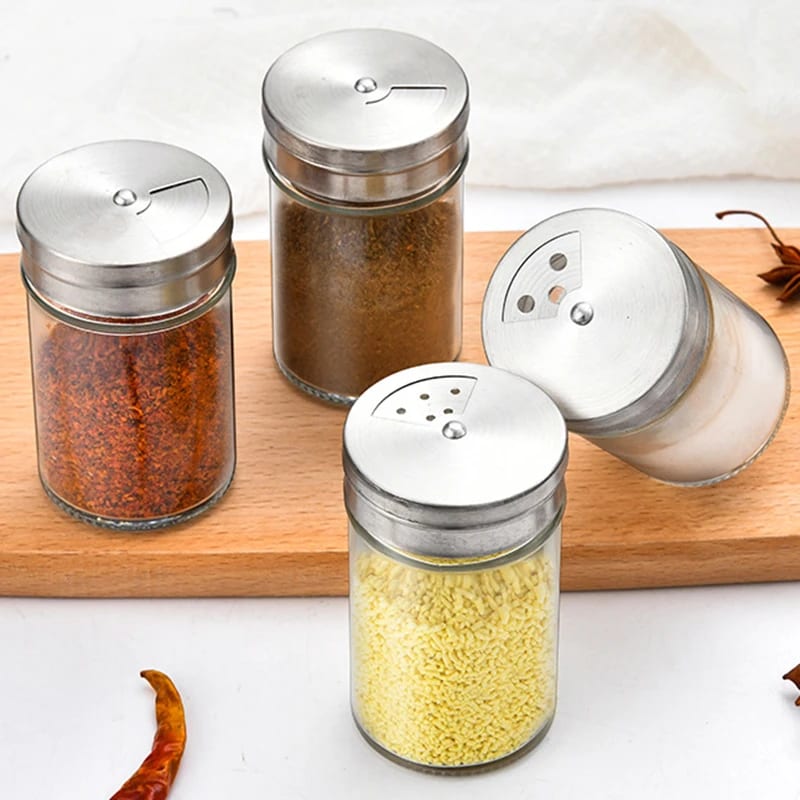
The second, more modern option is vacuum lids with a valve and a silicone rim. They create a vacuum inside, which significantly extends the shelf life of flour or rice, preventing the appearance of bugs. The third type is bamboo or wooden lids with a silicone ring. They look eco-friendly but require careful hand washing, as wood is afraid of water and can dry out. As ComfortShop reviewers note, vacuum systems are currently the gold standard for long-term storage.
Ergonomics and Shape: Beyond the Cylinder
Most people are accustomed to standard cylindrical shapes, but the market for kitchen gadgets offers much more. Square and rectangular jars allow you to use cabinet space 100%, leaving no "dead zones" between the walls, as happens with round containers. This is critically important for small kitchens where every centimeter counts.

Pay attention to the width of the neck. A narrow neck is convenient for liquids or fine grains like semolina, but try scooping a glass of sugar from a tall jar with a narrow neck — it will be inconvenient. Models with a wide opening are much more practical: easy to wash, easy to fill and pour out. That is why professional chefs prefer wide-mouth containers.
Design and Visual Space Organization
The aesthetic function of glass food containers is often underestimated. Transferring grains from various packages into identical transparent jars instantly "calms" the interior. Visual noise disappears, and the kitchen takes on the appearance of an organized gastronomic space. To enhance the effect, designers recommend using minimalist stickers or writing product names with a white marker directly on the glass.
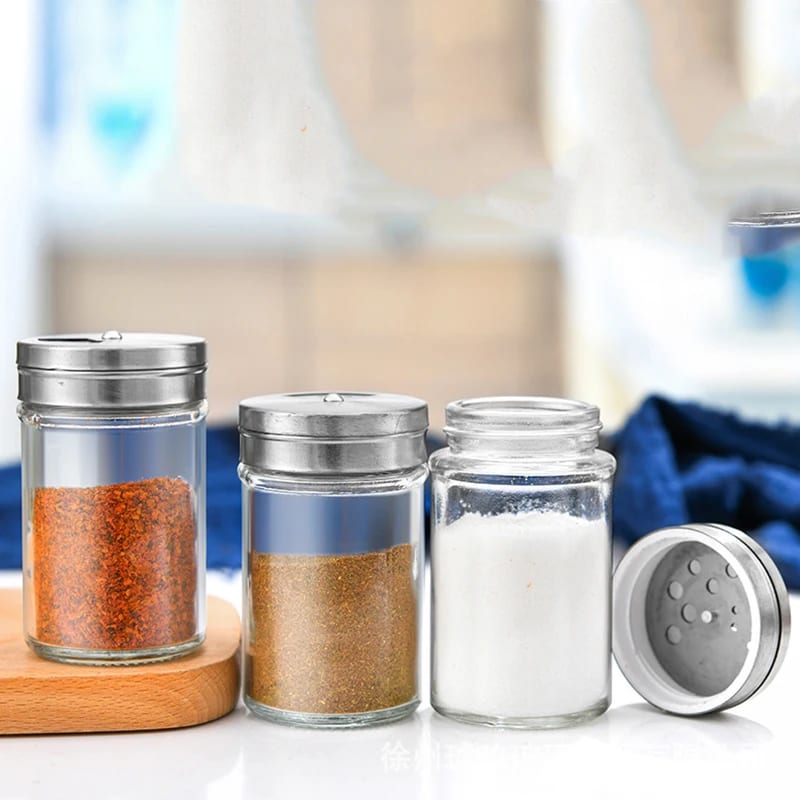
A separate trend is storage on open shelves. Here, glass is unrivaled due to its ability to transmit light. However, it is worth remembering: direct sunlight is harmful to grains, it destroys vitamins and promotes oil rancidity. Therefore, for open storage, it is better to choose places that do not receive direct UV rays, or use jars with light tinting.
Practical tips for choosing volume:
Do not buy a set of jars of the same volume. For grains used daily (buckwheat, rice, pasta), containers of 1.5–2 liters are needed. For rarely used products (lentils, pearl barley), 0.5–0.7 liters is enough. Sugar and flour usually require maximum volumes — up to 2.5 liters. This differentiated approach saves space on shelves.
Disadvantages and Pitfalls: An Honest Look
No honest jar review would be complete without mentioning the downsides. The first and most obvious is weight. A set of glass jars weighing 5-6 kg puts serious strain on wall-mounted cabinets. Before filling the shelves, make sure the fastenings can handle such mass. The second nuance is condensation. If you wash the jar and, without drying it completely, pour in the grain, this is a direct path to mold.
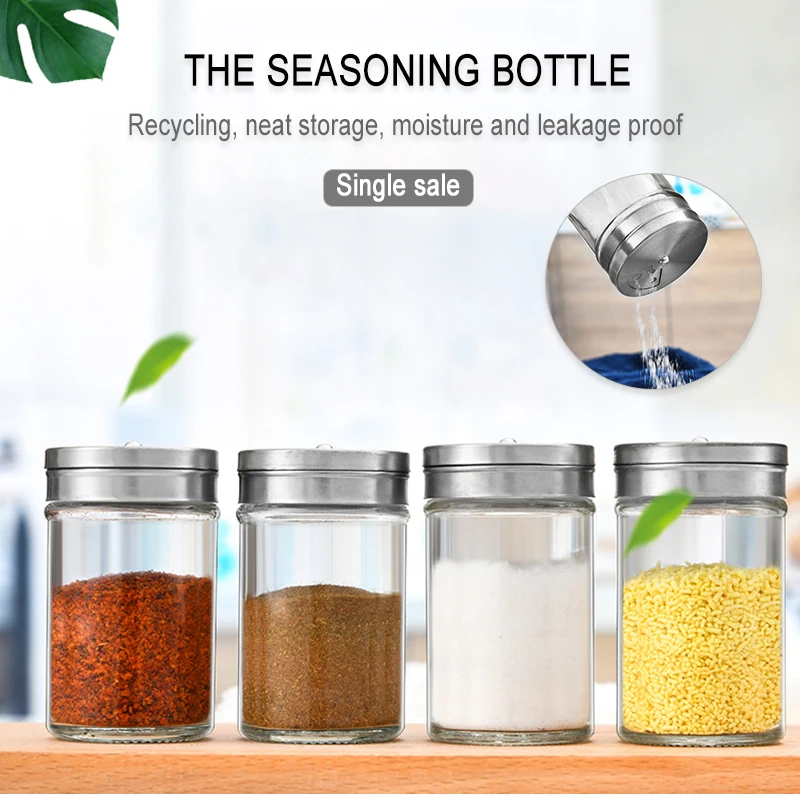
There is also a risk of chips on the neck, especially in cheap models. A sharp glass edge can unnoticeably cut your hand while washing. Before purchasing, be sure to run your finger along the edge of the product. If you feel roughness or unevenness, refuse the purchase, no matter how attractive the price.
Conclusion:
Glass jars for storing grains are an investment in hygiene, order, and the durability of kitchen utensils. They are definitely superior to plastic in terms of chemical safety and aesthetics, although they require careful handling. The ComfortShop team recommends paying attention to the quality of the glass mass and the vacuum type of lid, which will ensure maximum protection for your supplies. Choose wisely, and your grains will always be safe.
Frequently Asked Questions
Is it worth buying glass jars for grains instead of plastic containers?
Yes, glass jars for grains are safer for health because glass does not absorb odors and does not release harmful substances, unlike plastic.
Which glass jars for storing grains are best for long-term use?
It is best to choose jars made of thick glass, with an airtight lid (for example, with a silicone seal) and a wide mouth for easy filling and washing.
Can all types of grains be stored in glass jars without loss of quality?
Yes, glass food containers are excellent for most grains, but for flour or powdered sugar, it is better to use jars with a very tight lid to avoid moisture and insects.
How to properly wash glass jars for grains so they do not lose their transparency?
Wash them by hand with warm water and mild soap or in the dishwasher on a delicate cycle, avoiding abrasive sponges that can scratch the glass.