Choosing a sleeping bag for a winter hike is always a compromise between weight, warmth, and price. When the temperature drops below -10°C, a mistake in equipment can cost not only a ruined night's sleep but also your health. That's why we have prepared this honest review to figure out which models actually work and which only promise warmth. According to the recommendation of the ComfortShop editorial team, before buying a sleeping bag, you should critically evaluate the manufacturer's stated characteristics and understand the difference between temperature ratings.
? Table of Contents
What is a temperature rating and why manufacturers often lie
The most common mistake beginners make is trusting the "comfort" number on the label. In reality, most brands indicate the survival temperature (extreme), not the comfortable sleep temperature. For a winter hike, it is critically important to look specifically at the "comfort" indicator, which guarantees you won't freeze at night.
For example, if a sleeping bag says "down to -15°C," this almost always means that at -15°C you can survive without frostbite, but not sleep peacefully. The actual comfort temperature is usually 5-7°C higher. ComfortShop experts advise always choosing a sleeping bag with a 10°C margin: if you plan to sleep at -10°C, choose a model with a comfort rating of -20°C.
How to check the honesty of the specifications?
Pay attention to the presence of EN 13537 or ISO 23537 certification. These are the only standards that allow you to compare sleeping bags from different brands. If the manufacturer does not specify this standard, their numbers are marketing, not reality.
Down or synthetic: what to choose for real frost
This eternal question in tourism has a clear answer for winter: if your budget allows, choose quality down (GDD 650+). A down sleeping bag for a winter hike is significantly lighter, more compact, and lasts longer with proper care. However, there is a nuance: down is afraid of moisture.
Synthetics (e.g., Climashield or Primaloft) lose in warmth per gram of weight but have two advantages: they provide warmth even when wet and are significantly cheaper. For extreme temperatures below -25°C, synthetic models become too heavy and bulky, so down is the undisputed leader here.
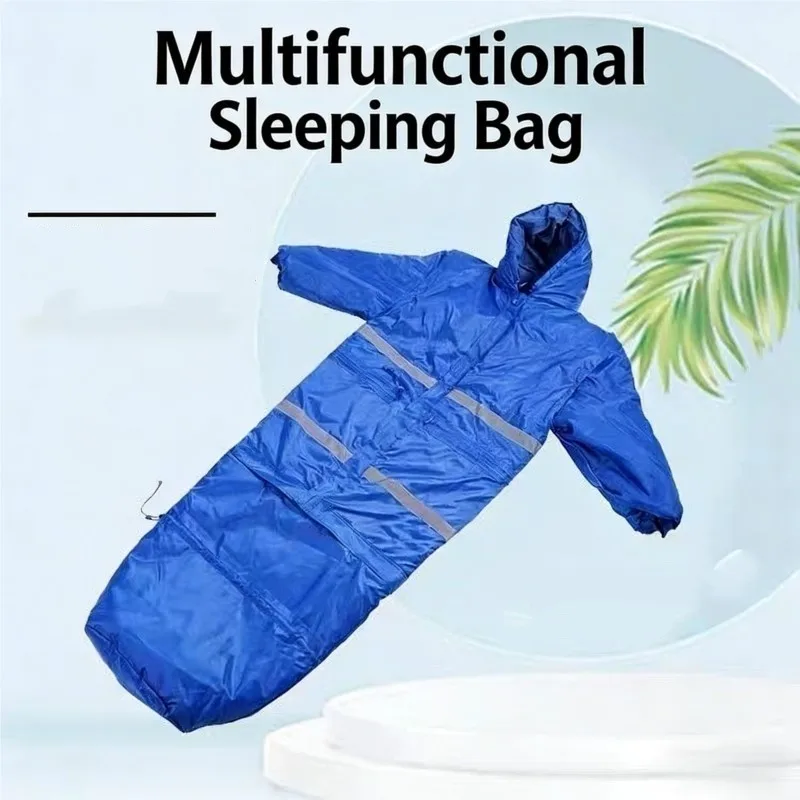
Overview of key parameters: shape, weight, and extra features
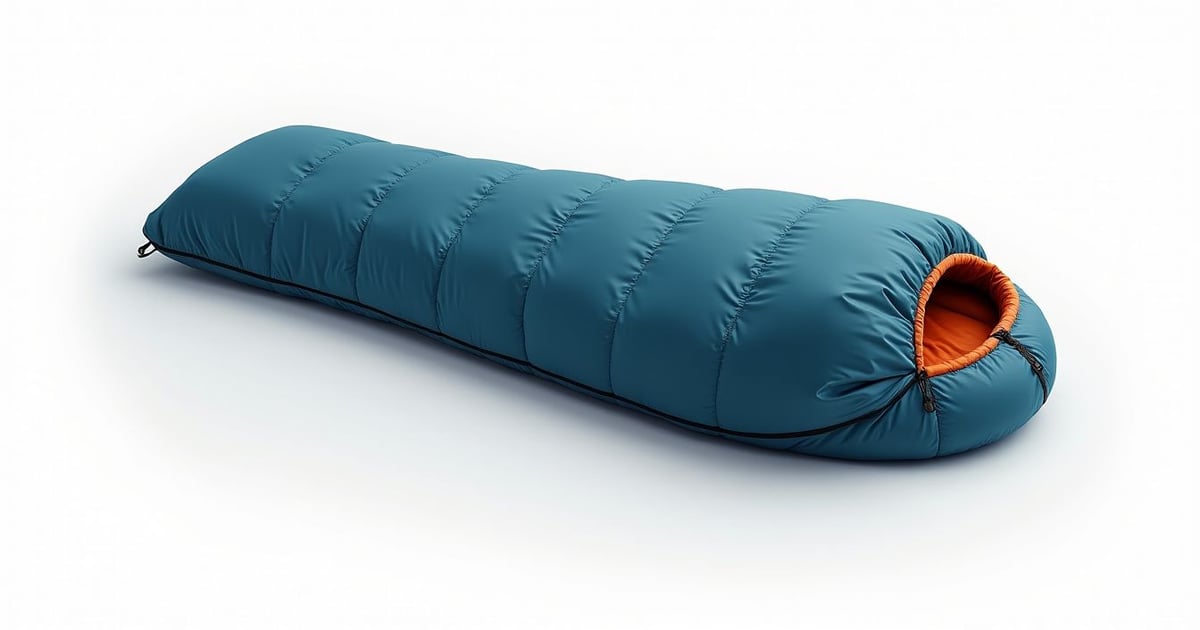
The shape of the sleeping bag directly affects thermal insulation. The best sleeping bag for frost has a "mummy" shape — it fits snugly around the body, minimizing the free space that needs to be heated. Rectangular models are not suitable for winter — they are designed for camping in above-zero temperatures.
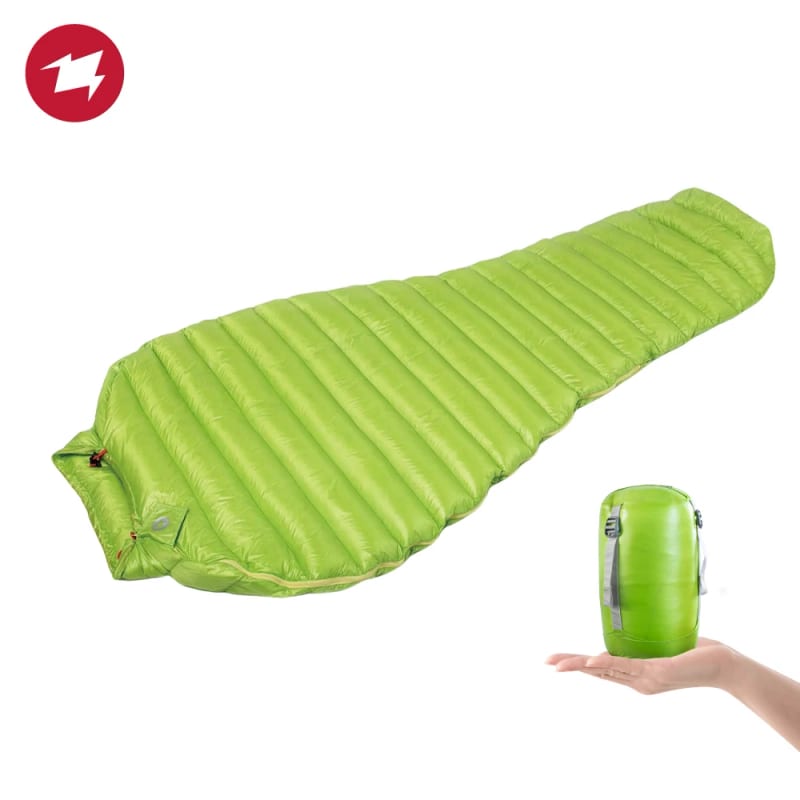
What else to pay attention to when choosing:
- Collar and hood: the presence of drawstrings and an insulated collar is a mandatory condition for a winter sleeping bag. Up to 30% of heat is lost through the neck.
- Draft tube (anti-zipper protection): a strip of fabric along the zipper prevents cold from entering.
- Internal pocket: a small detail, but very convenient for storing a phone or a chemical hand warmer so they don't get cold overnight.
As ComfortShop reviewers note, the best sleeping bag for a winter hike is one that has an additional insulation baffle under the zipper. This seems like a small thing, but it is through the zipper that drafts most often occur.
Top 3 mistakes when choosing a sleeping bag for winter tourism
Even experienced tourists sometimes buy the wrong thing. Here are the most common mistakes we noticed during testing.
Mistake 1: Buying a sleeping bag "to grow into." If the sleeping bag is too big, you will be heating the air inside, not yourself. The ideal option is when there is no more than 2-3 cm of space between your body and the sleeping bag wall.
Mistake 2: Ignoring the sleeping pad. The best sleeping bag won't save you if you are lying on cold ground. Thermal insulation from below is provided by the sleeping pad (R-value of at least 4.5 for winter).
Mistake 3: Skimping on weight. A lightweight sleeping bag for extreme temperatures is expensive. If you see a model for 2000 UAH with a stated comfort of -20°C, it's a scam. Quality insulation or down cannot be cheap.
How to properly test a sleeping bag before a hike
The first test should be done at home or on the balcony. Unpack the sleeping bag, let it rest for 24 hours (down needs to fluff up). Then try to zip up all the zippers, tighten the hood, and lie down for 15-20 minutes. You will immediately feel if there are "cold spots" in the shoulder or foot area.
The second stage is a trip outdoors at a temperature close to the stated one. If you are cold but cannot zip up the zipper because of a thick layer of clothing, it means the sleeping bag is too small for you. If you are sweating, it is too warm, and you will get wet, which is also dangerous. The ideal scenario: slightly cool for the first 10 minutes, then it becomes comfortable.
Conclusion:
The honest review of sleeping bags has shown that there is no universal model for all winter conditions. For dry frosts down to -20°C, a down mummy bag with EN certification would be optimal, while for humid regions or frequent crossings of water bodies, quality synthetics are better. The main rule: do not skimp on sleep, because resting in the cold depletes your strength faster than a difficult trek. Choose proven models, test them in advance, and always have a margin in comfort temperature. If you are looking for a reliable option, check out the ComfortShop range — they feature models that have passed real winter tests.
Frequently Asked Questions
What comfort temperature is actually needed for a winter hike?
Choose a sleeping bag for a winter hike with a margin of 10–15°C below the lowest expected nighttime temperature, as manufacturers often overstate comfort ratings.
Is it worth buying a sleeping bag with synthetic fill for severe frost?
Synthetics lose to down in weight and compactness, but in conditions of humidity or wet snow, they retain heat better — this is the best sleeping bag for frost if you are not sure about the dryness of the tent.
How to check if a sleeping bag is suitable for extreme temperatures?
Look not at the "extreme" label, but at the certified EN 13537 standard, which indicates the real comfort temperature — this is the only honest review of a sleeping bag without marketing tricks.
Can I use a summer sleeping bag in winter with extra clothing?
No, this is dangerous: even with thermal underwear and a down jacket, a summer sleeping bag will not protect against hypothermia in sub-zero temperatures — winter tourism requires a specialized sleeping bag with insulation of at least 800+ Fill Power.