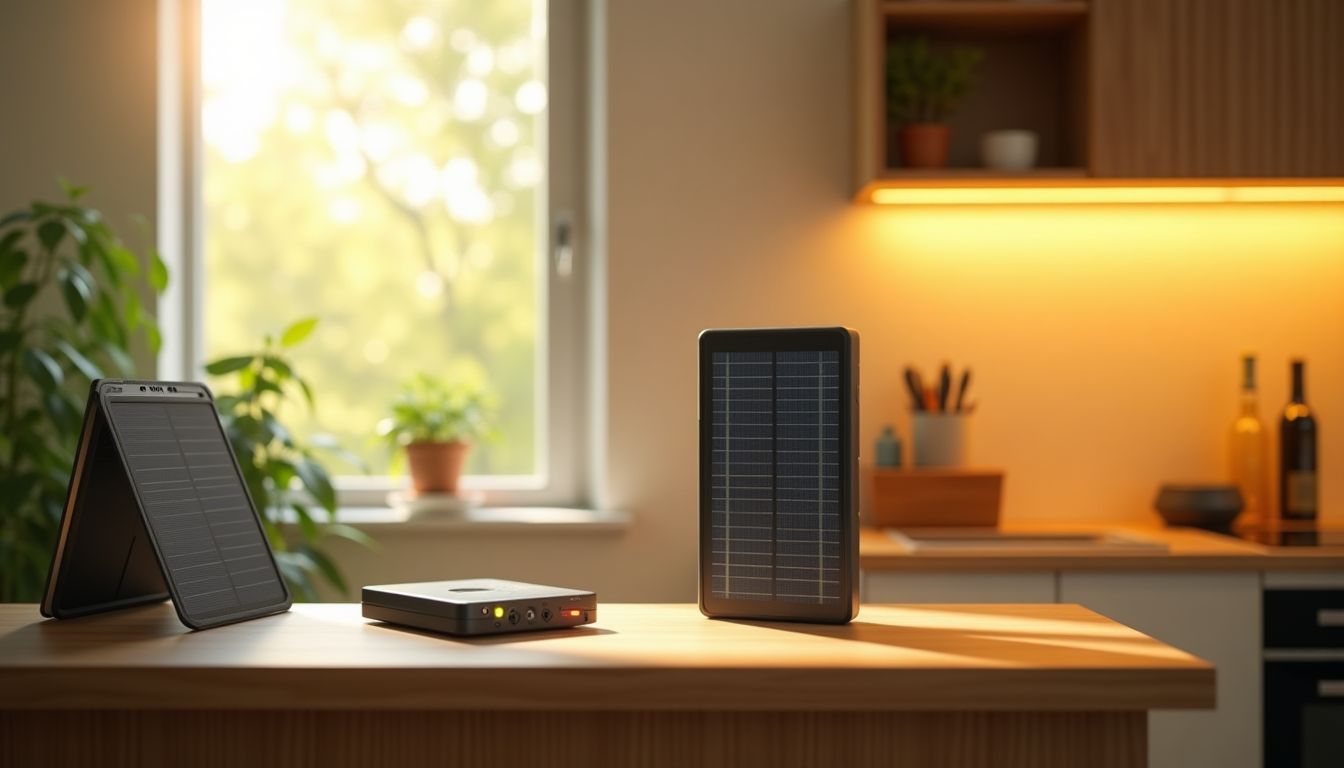
The modern market offers dozens of models of portable power sources, but it is the 1000W charging station review that raises the most questions among Ukrainians. Is this capacity truly sufficient for home use, or is it a compromise option for off-grid travel? We decided to delve into the technical specifications, real-world usage scenarios, and hidden nuances that manufacturers often gloss over. As recommended by the ComfortShop editorial team, it's worth starting by defining your priorities: what exactly do you plan to power from the station — a refrigerator, a heating pump, or a laptop with a router.
? Table of Contents
Who really needs a 1000W charging station
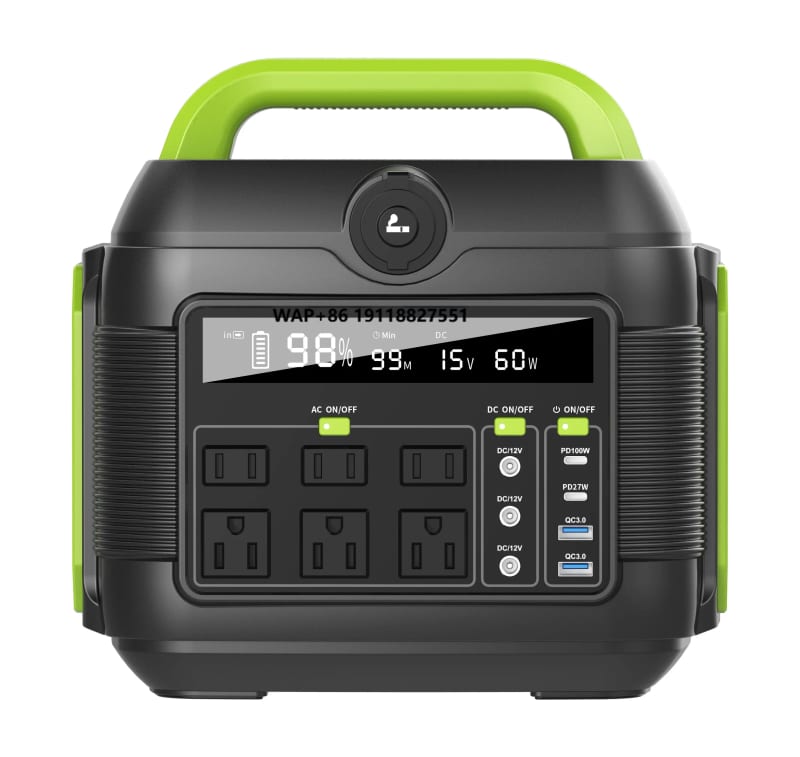
Before buying, it's important to understand whether this power will cover your basic needs. A 1000W station is the sweet spot between compact power banks and industrial generators. It can power an A+ class refrigerator (150-200W) for 4-6 hours, while simultaneously charging a laptop, TV, and several LED lamps.
A review of the 1000W charging station shows it is an ideal option for apartments during rolling blackouts. Unlike gasoline generators, it is silent, requires no ventilation, and produces no exhaust fumes. For owners of small houses with a gas boiler consuming 80-120W, such a station can be a lifesaver overnight.
Technical specifications: what lies behind the numbers
Most manufacturers list a peak power of 1000W, but the actual continuous power is often 800-900W. This is critically important when connecting devices with high starting currents, such as a refrigerator or circulation pump. ComfortShop experts advise paying attention to the battery capacity, measured in Watt-hours (Wh), rather than just the inverter power.
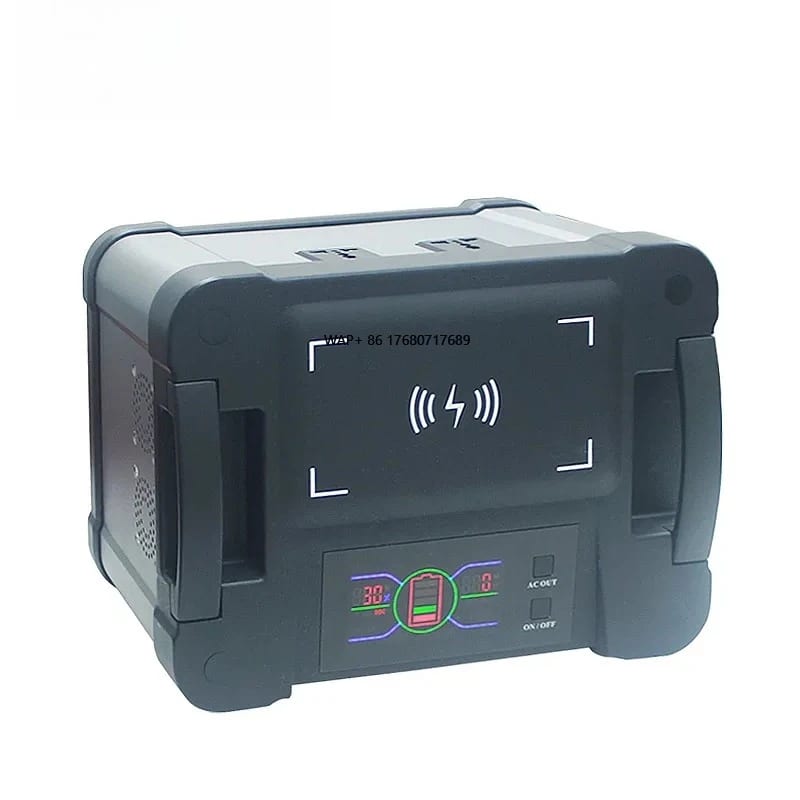
A typical portable 1000W charging station has a capacity of 1000 to 1200 Wh. This means that with a 200W load, it will run for approximately 5 hours. However, actual runtime depends on ambient temperature and battery age. Cheap models use Li-Ion batteries, while higher-quality ones use LiFePO4, which withstand 3000-4000 charge cycles.
Real-world usage scenarios at home and on the go
A 1000W home charging station is most often used to power critical appliances. We tested connecting a refrigerator, Wi-Fi router, three LED lamps, and a TV — the station handled it for 3.5 hours of continuous operation. During this time, the charge level dropped from 100% to 40%, which is enough to cover a typical power outage period.

For outdoor trips, this power allows you to run an electric kettle (700W) or a small coffee maker (600W). However, keep in mind that connecting several powerful devices simultaneously may shut down the inverter. A 1000W backup power supply is also excellent for charging electric bikes and drones, making it a versatile companion for active recreation.
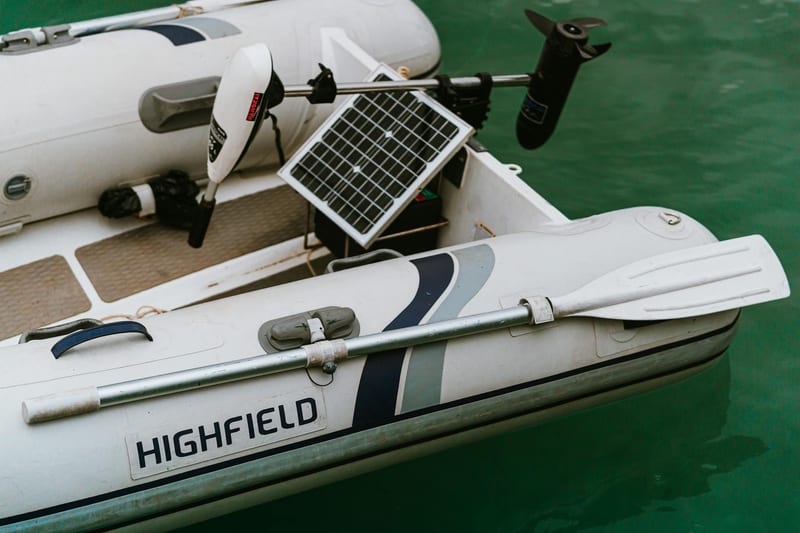
How to correctly calculate the runtime.
The simplest formula: divide the station's capacity (Wh) by the total load power (W). For example, if you connect a refrigerator (150W) and a router (20W), the total load is 170W. With a capacity of 1000 Wh, the runtime would be approximately 5.8 hours. However, add a 10-15% margin for inverter losses and cooling system operation.
Advantages and disadvantages compared to gasoline generators
The main advantage of a charging station is its eco-friendliness and silence. You can use it in an apartment even at night without disturbing neighbors. Additionally, it requires no fuel purchase and charges from a standard outlet or solar panels. A charging station provides energy savings due to the high efficiency of the inverter (up to 95%).
The disadvantage is the limited runtime under high load. If you need to power an electric stove or water heater, a 1000W station won't suffice. Also, the cost of a quality model with a LiFePO4 battery can reach 25-30 thousand hryvnias, which is more expensive than a simple gasoline generator. However, the lifespan of such a station is 8-10 years, which pays off over 2-3 seasons of outages.
What to look for when choosing a model
First, check the battery type. LiFePO4 (lithium iron phosphate) batteries are safer, lighter, and have a longer lifespan than older Li-Ion ones. The second important parameter is the number and type of outputs. For home use, it's desirable to have at least 2 220V outlets, USB-C with Power Delivery up to 100W, and a 12V car outlet.
Pay attention to the possibility of charging from solar panels. Most modern stations support a solar input of up to 200-300W, allowing a full charge in 4-6 hours of bright sunlight. A review of 1000W charging stations from well-known brands shows that the presence of an MPPT controller significantly increases the efficiency of solar charging.
Conclusion:
A 1000W charging station is the optimal choice for those seeking a balance between power, portability, and eco-friendliness. It handles powering a refrigerator, heating pump, laptop, and lighting during prolonged outages excellently. As ComfortShop reviewers note, the key to purchase satisfaction is correctly calculating the load and choosing a model with a LiFePO4 battery. Don't chase the cheapest options, as a quality station will serve you for years and become a reliable backup power source for home and travel.
Frequently Asked Questions
How long does a 1000W charging station run when powering a refrigerator?
A 1000W charging station with a capacity of about 1000 Wh can power a modern class A refrigerator (energy consumption ~150 Wh) for approximately 5-7 hours without recharging, depending on how often the door is opened.
Can a portable 1000W charging station be used as an uninterruptible power supply for the home?
Yes, but it won't replace a professional UPS with instant switching. Most models have a switching time of 10-20 ms, which is suitable for most household appliances but not for sensitive server equipment.
What devices can be connected simultaneously to a 1000W charging station?
You can simultaneously connect, for example, a refrigerator (150W), a laptop (60W), a Wi-Fi router (10W), and LED lighting (20W) to a 1000W station, but ensure the total load does not exceed 1000W.
Is it worth buying a 1000W charging station for energy savings?
A charging station does not save electricity by itself, but it allows you to use cheap nighttime electricity or solar panels to power devices during the day, which reduces utility costs.