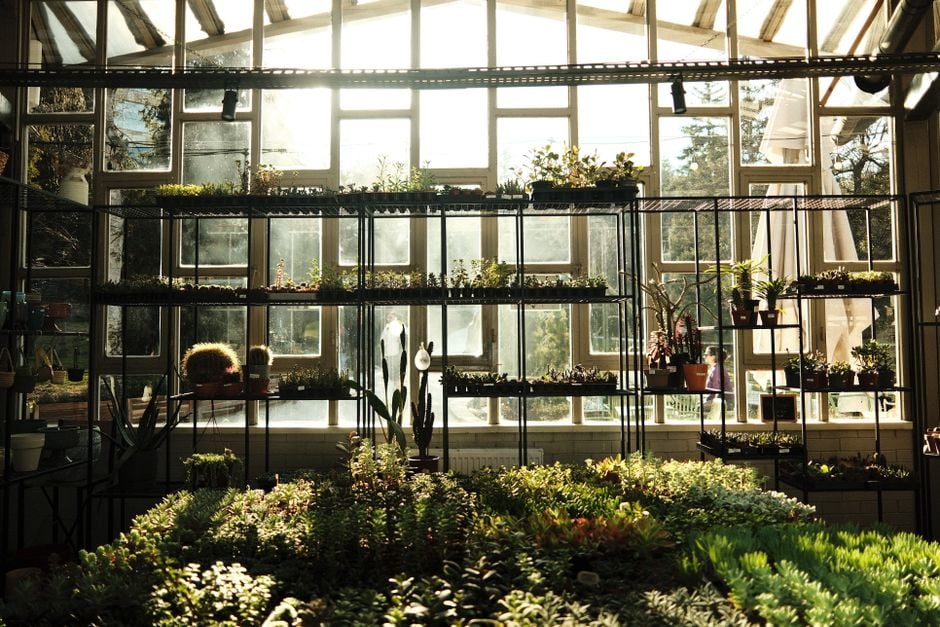
Modern greenhouse farming is impossible to imagine without high-quality supplemental lighting. This is especially true in the autumn-winter period, when natural light is catastrophically insufficient for normal growth and fruiting of crops. That is why more and more agronomists and owners of private greenhouses are turning their attention to LED lighting for greenhouses, which allows creating an optimal light regime without excessive costs. According to the recommendation of the ComfortShop editorial team, the correct selection of LED lamps can not only increase yields but also significantly reduce electricity bills. In this article, we will analyze in detail what to pay attention to when choosing and how to get the maximum benefit from modern technologies.
Article Contents
Why LED Lamps Are Better Than Traditional Light Sources
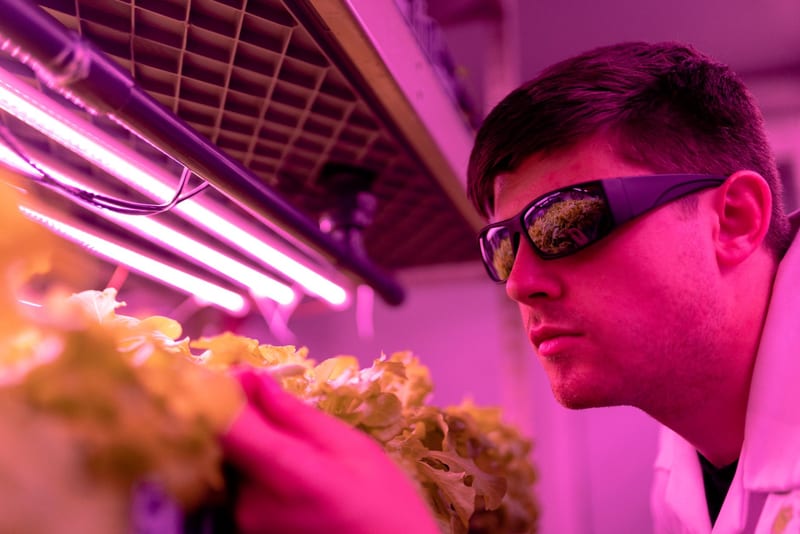
Before discussing specific models, it is worth understanding the fundamental advantages of LEDs. High-pressure sodium lamps (HPS) are still popular due to their high luminous efficacy, but they consume a lot of energy and generate significant heat. In contrast, LED grow lights operate on a completely different principle: they emit light in a narrow spectral range that is maximally absorbed by plants.
Key advantages of LED lighting for greenhouses include: minimal heat emission, allowing lamps to be placed close to the leaves without the risk of burns; long service life (up to 50,000 hours); high energy efficiency; and the ability to combine different spectra. Additionally, LED lamps for greenhouses do not require special disposal as they contain no mercury.
Energy savings in a greenhouse when using LEDs become especially noticeable at scale. If you replace a 400-watt sodium lamp with a 200-watt LED equivalent, you will achieve the same or even higher photosynthetic activity but with half the power consumption.
Spectral Features: Red, Blue, and Full Cycle
The main difference between LED grow lights and ordinary household lamps is their specially selected emission spectrum. For photosynthesis, plants primarily need red (660 nm) and blue (450 nm) wavelengths. The blue spectrum stimulates vegetative growth and makes stems stronger, while the red spectrum is responsible for flowering and fruit formation.
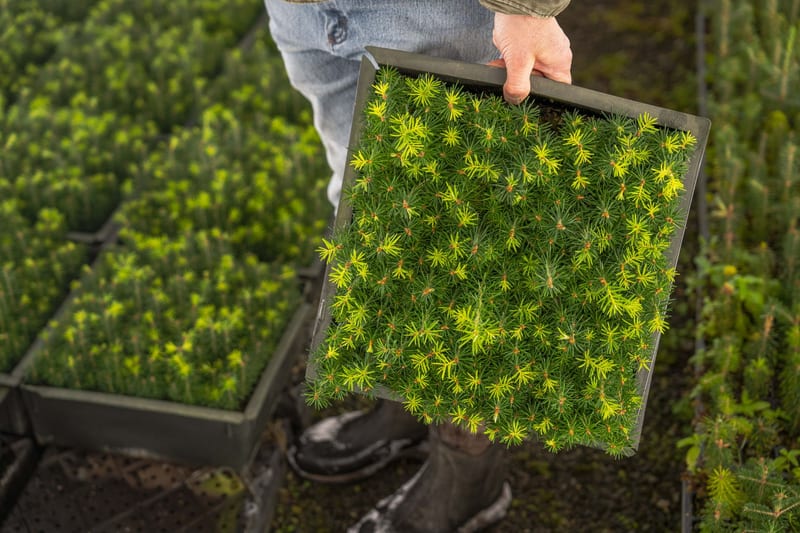
ComfortShop experts recommend paying attention to so-called "full spectrum" lamps. They mimic natural sunlight and contain not only red and blue diodes but also a small proportion of green, yellow, and ultraviolet radiation. Such light is less tiring for the human eye, while plants receive balanced nourishment.
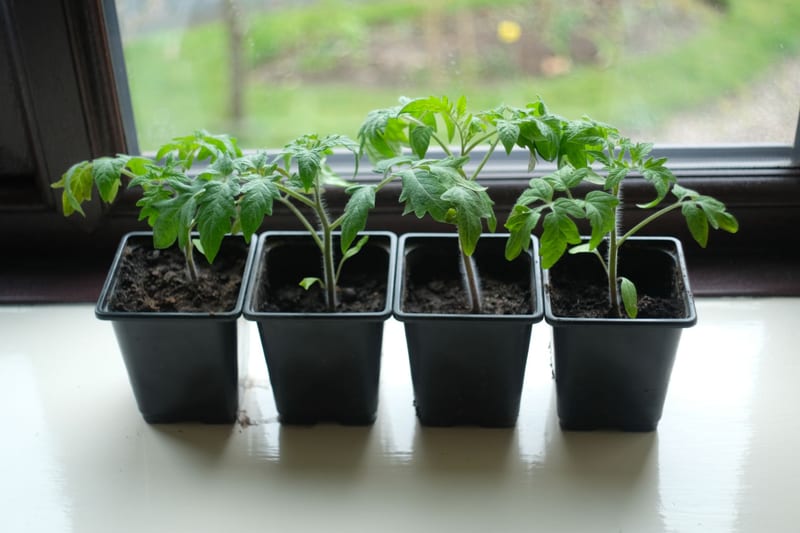
For seedlings and greens (lettuce, spinach, dill), an optimal blue-to-red ratio is 1:2 or 1:3. For tomatoes, cucumbers, and peppers during the fruiting stage, a spectrum with a predominance of red in a ratio of 1:5 or even 1:7 is better suited.
How to determine the required power for your greenhouse.

The power of LED lighting for a greenhouse is calculated based on the area and type of crops. Average indicators: 100-150 W per square meter for light-loving plants and 50-80 W for shade-tolerant ones. It is important to consider the mounting height: the higher the lamp, the larger the coverage area, but the lower the intensity at the leaf level.
The optimal distance for powerful LED panels (200-400 W) is 40-60 cm from the tops of the plants. For low-power linear lamps (30-50 W), the distance can be 15-25 cm. If you plan to install lighting over the entire area, it is better to choose several linear fixtures evenly distributed across the ceiling.
Form Factors: Panels, Linear Lamps, and LED Strips
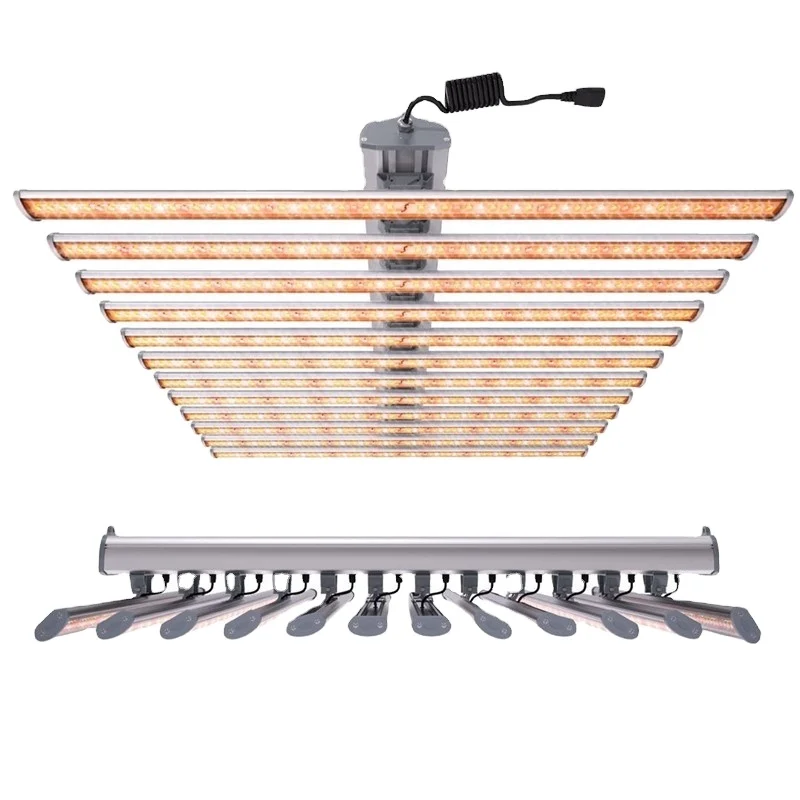
The modern market offers several types of LED lights for greenhouses. The most popular option is square or rectangular panels with an aluminum heatsink. They provide uniform illumination over a large area and are easily mounted on cable hangers. For narrow shelves or multi-tiered structures, linear LED lamps for greenhouses are more suitable.
LED strips are mainly used for supplemental lighting of seedlings in small areas or home mini-greenhouses. They have a limited service life due to poor heat dissipation, so for professional use, it is better to choose rigid aluminum profiles with IP65-rated strips.
As noted by ComfortShop reviewers, the most versatile solution for a medium-sized greenhouse of 10-20 sq.m. is two or three 200 W LED panels with adjustable spectrum. They allow flexible adjustment of lighting for different growth stages and save electricity during periods when plants do not require maximum intensity.
Energy Efficiency and Payback of LED Lighting
One of the main concerns for greenhouse owners is whether the higher price of LED lamps compared to HPS is justified. Let's look at the numbers: a typical 200 W LED lamp consumes about 0.2 kWh. With 12 hours of operation per day, that's 2.4 kWh. At a tariff of 5 UAH/kWh, monthly costs would be approximately 360 UAH.
Energy savings in a greenhouse become obvious when compared to a sodium lamp of similar light output (400 W). It will consume twice as much, and the service life of LEDs is 3-5 times longer. Thus, the initial investment pays off within 1-2 seasons due to lower electricity bills and no costs for lamp replacement.
An additional factor for savings is the ability to use dimmers and timers. Automating the on/off switching of lights according to solar activity can reduce consumption by another 15-20% without harming the harvest.
Practical Tips for Installation and Operation
Proper installation of LED lighting for a greenhouse is no less important than choosing the lamps themselves. First of all, ensure high-quality electrical wiring with moisture protection (IP65). Humidity is always high in a greenhouse, so all connections must be sealed, and the fixtures must have a protection rating of at least IP54.
Regularly clean the lenses and housings of the lamps from dust and condensation. Contaminated surfaces can lose up to 20-30% of the light output. Also, monitor the temperature inside the greenhouse: although LED lamps heat up significantly less than HPS, they still generate heat that must be considered when calculating ventilation.
For maximum efficiency, use reflective materials (white film, foil, special reflectors) on the walls and ceiling of the greenhouse. This can increase useful illumination by 30-50% without additional electricity costs.
Conclusion:
LED lighting for a greenhouse is not just a trendy fad, but an economically sound solution for obtaining stable harvests year-round. LED lamps for greenhouses allow precise adjustment of the spectrum to the needs of specific crops, significantly reducing electricity costs. ComfortShop experts recommend choosing models with a full spectrum and an aluminum heatsink, and also not forgetting about automation of lighting processes. By investing in high-quality LED grow lights once, you will provide your greenhouse with reliable and economical light for many years to come.
Frequently Asked Questions
Which LED lamps are best for growing seedlings?
For seedlings, it is best to choose full-spectrum LED grow lights with a predominance of red and blue spectra, which stimulate root and leaf growth.
Does LED lighting for greenhouses really help save electricity?
Yes, LED lamps consume up to 60-70% less energy compared to traditional sodium lamps, making energy-saving greenhouse lighting economically beneficial.
How to correctly calculate the number of LED lamps for a greenhouse?
The number of lamps depends on the greenhouse area and the light requirements of the plants: for most crops, 100-200 W per 1 m² is sufficient, but it is more accurate to rely on the PPFD (Photosynthetic Photon Flux Density) indicator.
Can ordinary LED lamps be used instead of specialized grow lights?
Ordinary LED lamps have a non-optimal spectrum for photosynthesis, so to achieve a high yield, it is better to use specialized LED grow lights for plants with red and blue emission.