Choosing the right battery for a charging station is a decision that determines its longevity, safety, and total cost of ownership. Two technologies dominate the market: conventional lithium-ion (Li-ion) and lithium iron phosphate (LiFePO4). Although both types belong to the lithium family, their chemical properties are fundamentally different, which affects usage scenarios. In this article, we will break down the key differences in detail so you can understand which battery is better for a charging station in your specific case. According to the recommendation of the ComfortShop editorial team, before purchasing, you should evaluate not only the price but also the service life and operating conditions.
? Table of Contents
Process Chemistry: Why It Matters
The main difference between LiFePO4 and conventional Li-ion lies in the cathode material. Standard lithium-ion batteries use cobalt, manganese, or nickel, which provides high energy density. In contrast, LiFePO4 uses iron phosphate, making the chemical structure more stable.
This stability fundamentally changes the battery's behavior. LiFePO4 has a lower nominal voltage (3.2V vs. 3.6-3.7V for Li-ion) but handles deep discharges and high temperatures significantly better. For power stations, this means phosphate batteries are less likely to fail due to overheating and can operate in a wider range of conditions.
Conventional lithium, on the other hand, wins in compactness. If you need maximum capacity in a minimal volume, Li-ion remains the leader. However, for stationary or portable stations where weight is not a critical factor, the safety and durability of LiFePO4 often outweigh this.
Service Life: Decades or a Few Seasons.
Cycle Life: The Main Argument for the Buyer
When comparing LiFePO4 and lithium-ion, the number of charge-discharge cycles is most often mentioned. LiFePO4 batteries can withstand from 2000 to 5000 cycles before losing 80% of their initial capacity. For conventional Li-ion, this figure rarely exceeds 500-1000 cycles.
For a charging station used daily, this difference is critical. A LiFePO4 station can operate for 5-10 years without noticeable degradation, while a conventional lithium analog will require battery pack replacement after just 2-3 years of intensive use. This is why ComfortShop experts recommend choosing LiFePO4 for backup power systems and off-grid homes.
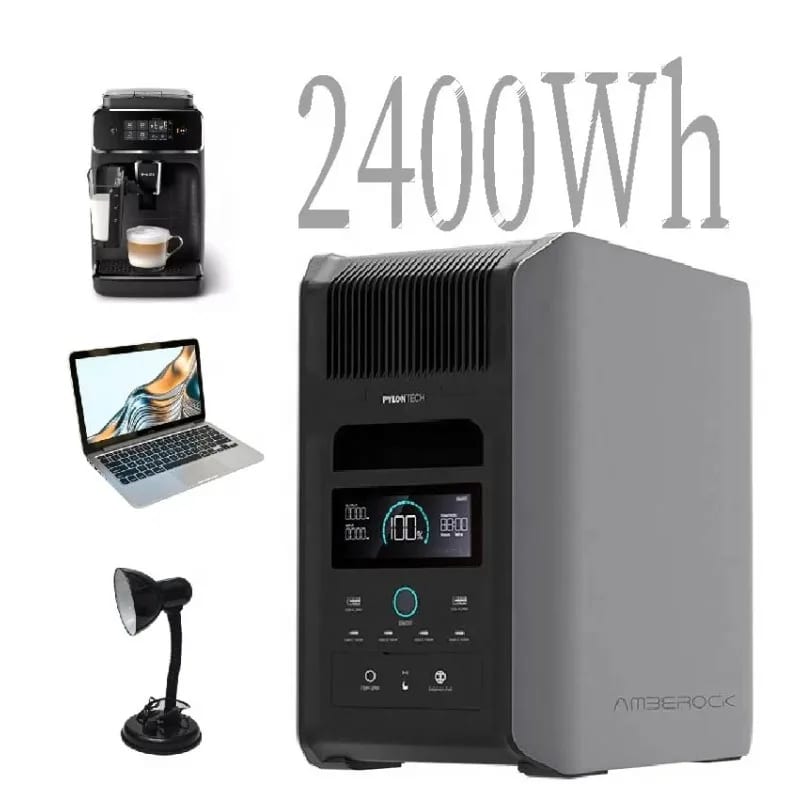
It is worth noting that the service life depends on the depth of discharge. LiFePO4 can be safely discharged to 0%, while for Li-ion it is critical not to let the voltage drop below 2.5-2.7V per cell, which complicates the station controller's operation.
Operational Safety: Risks of Fire and Overheating
One of the biggest user fears is lithium battery fires. LiFePO4 is considered the safest lithium chemistry available today. Iron phosphate is not prone to thermal runaway — the phenomenon where a battery self-heats to critical temperatures and ignites.
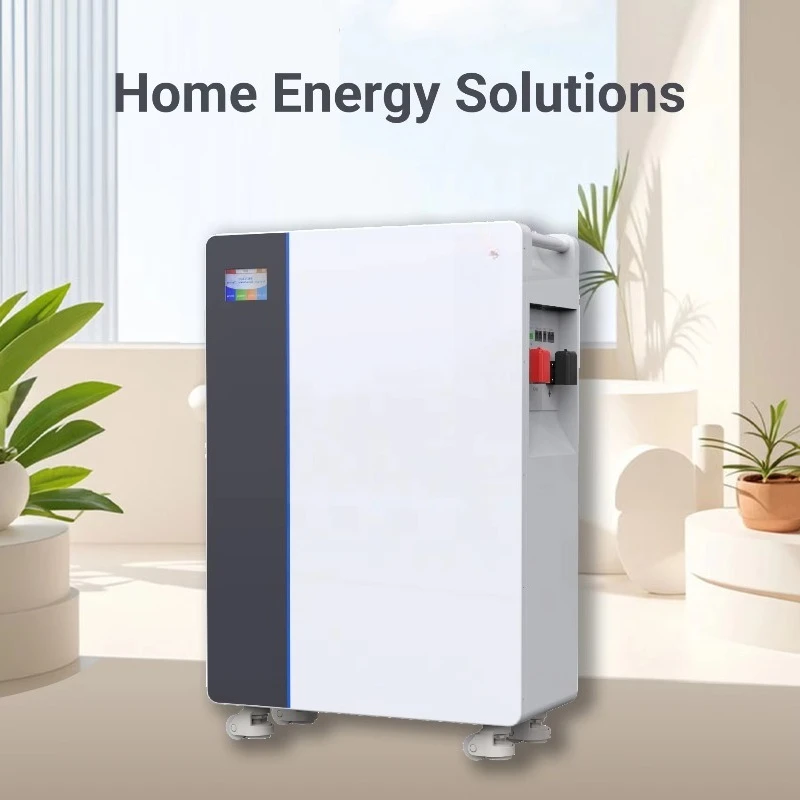
Conventional Li-ion batteries, especially those with a cobalt cathode, require complex cooling and protection systems. Any damage to the casing or a BMS malfunction can lead to a short circuit and fire. For portable stations that may be used outdoors, in a car, or in a tent, the safety of LiFePO4 is a significant advantage.
If you plan to use the station indoors, near furniture or children, a review of LiFePO4 for energy storage clearly tips the scales in favor of this type. The risk of toxic emissions upon damage is also significantly lower.
Operation in Cold and Heat: Who is More Durable.
Temperature Range: Operation in Extreme Conditions
LiFePO4 demonstrates significantly better performance at low temperatures. Many station models with phosphate batteries can charge at temperatures down to -10°C and discharge down to -20°C. Conventional Li-ion loses up to 50% of its capacity at sub-zero temperatures, and charging in the cold is strictly prohibited — it destroys the anode structure.
High temperatures also affect these technologies differently. LiFePO4 remains stable up to +60°C, while Li-ion begins to degrade already at +40°C. For stations operating in the sun, in a workshop, or in a car during summer, choosing a battery for a power station in favor of LiFePO4 is more reliable.
It is worth noting that some manufacturers install heating systems for LiFePO4 in cold climates. This increases the cost but completely eliminates the problem of winter operation.
Cost and Economic Feasibility
The initial price of LiFePO4 stations is usually 30-50% higher than that of conventional lithium analogs. However, when calculating the cost per cycle (Total Cost of Ownership), the picture changes. If the station is used frequently, LiFePO4 pays off due to its longer lifespan.
For infrequent use (e.g., a few times a year for camping), a cheaper Li-ion may be justified. However, for daily backup power or an off-grid lighting system, the long-term benefit of LiFePO4 is undeniable. ComfortShop reviewers recommend calculating not the initial price, but the amount of energy you will get over the entire battery life.
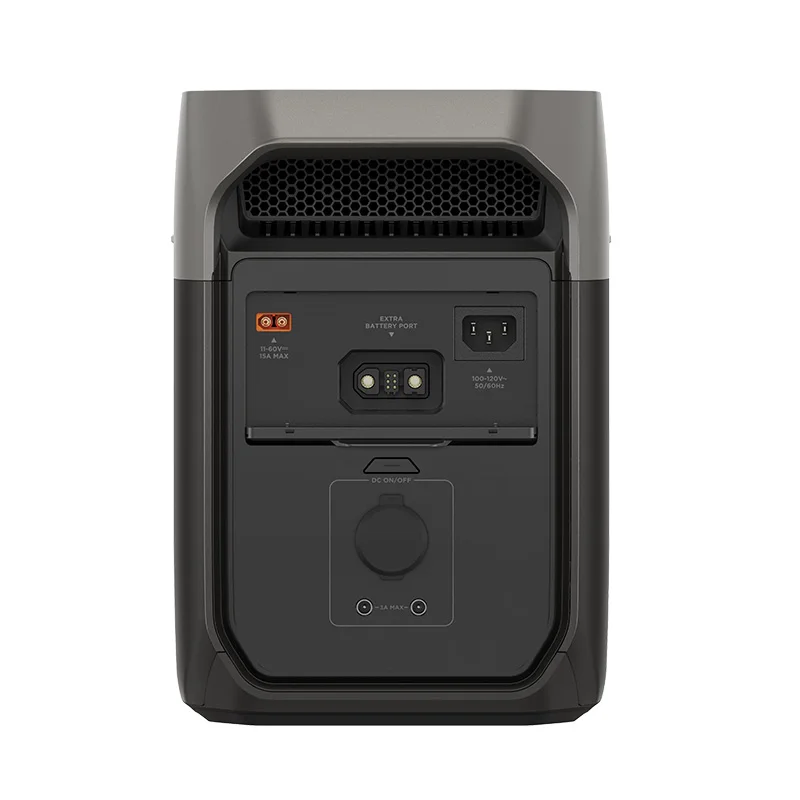
Also, consider the replacement cost: replacing a Li-ion pack after 2-3 years can cost almost half the price of a new station, while LiFePO4 will last the entire operational life of the device.
Weight and Dimensions: A Compromise Between Capacity and Portability
Conventional lithium-ion batteries have a higher specific energy density (Wh/kg). This means a 1000 Wh Li-ion station will be lighter and more compact than a similar LiFePO4 one. For portable models that need to be carried in a backpack, this can be a decisive factor.
However, for high-capacity stations (from 2 kWh and above), the weight difference becomes less noticeable, as the casing, inverter, and cooling system add the bulk of the mass. Additionally, modern LiFePO4 cells are gradually closing the energy density gap with conventional Li-ion.
If portability is your priority and you are willing to replace the station every 2-3 years, Li-ion may be an acceptable choice. For stationary use or frequent car trips, the weight of LiFePO4 will not be a critical drawback.
Conclusion:
The answer to the question of LiFePO4 or conventional lithium for a station depends entirely on your needs. If you need a light, compact station for occasional trips into nature, conventional Li-ion remains a good budget option. However, if you are looking for a reliable backup power source for your home, workshop, or long trips where safety and durability are critical, LiFePO4 is unequivocally the better choice. ComfortShop experts recommend investing in LiFePO4 if you plan to use the station daily or in harsh conditions — this decision will pay off with a long service life and peace of mind regarding safety.
Frequently Asked Questions
Is it worth choosing LiFePO4 over conventional lithium for a charging station?
Yes, LiFePO4 is significantly safer and has 4-5 times the cycle life (up to 5000), making it a better choice for long-term use in power stations.
Which battery is better for a charging station: LiFePO4 or lithium-ion?
For a stationary station, LiFePO4 is better due to its durability and thermal stability, while for portable devices where weight matters, conventional lithium-ion may be suitable.
Can LiFePO4 be used for energy storage in home conditions?
Yes, LiFePO4 is ideal for home energy storage systems due to its low self-discharge and ability to withstand frequent deep discharges without capacity loss.
How do LiFePO4 and lithium-ion compare in cost for a power station?
LiFePO4 is more expensive to purchase, but its longer service life (up to 10 years) makes it more economically advantageous in the long run than conventional lithium.