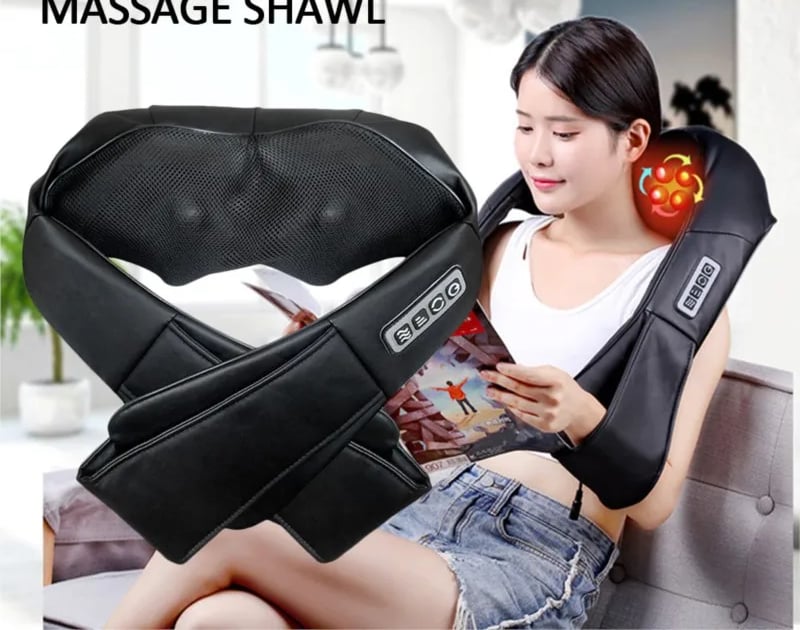
Back pain is a familiar problem for those who spend a lot of time sitting. The modern market offers dozens of devices for muscle relaxation, but most often the choice comes down to two fundamentally different formats: a portable shoulder accessory and a stationary chair pad. Each of these options has its own mechanics of action and ergonomics. After analyzing open sources, the ComfortShop editorial team notes: the key difference lies not only in the design, but also in the usage scenarios.
Article Contents
Shoulder back massager: mobility and targeted impact
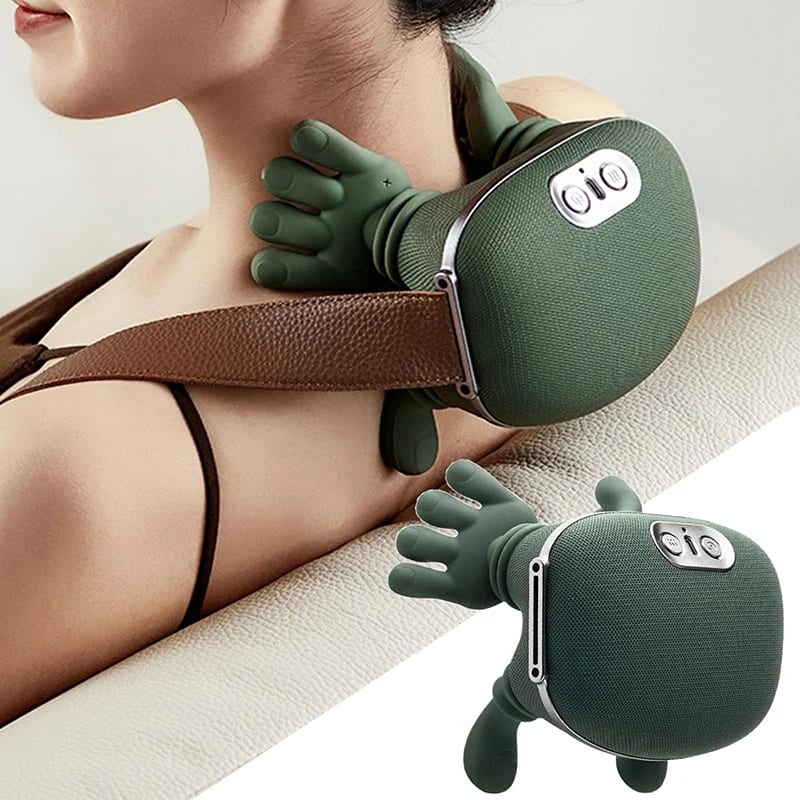
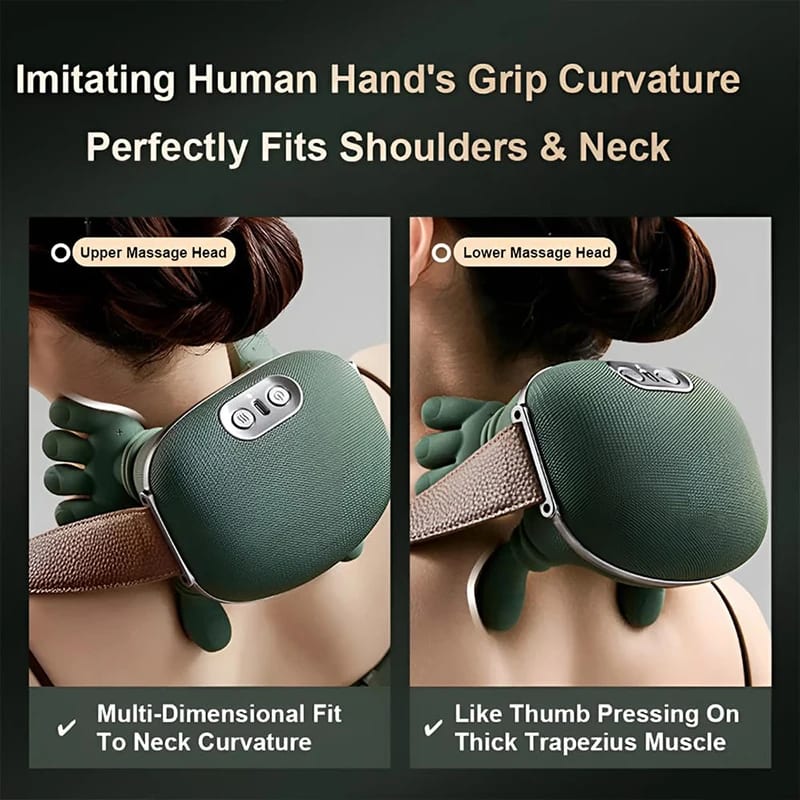
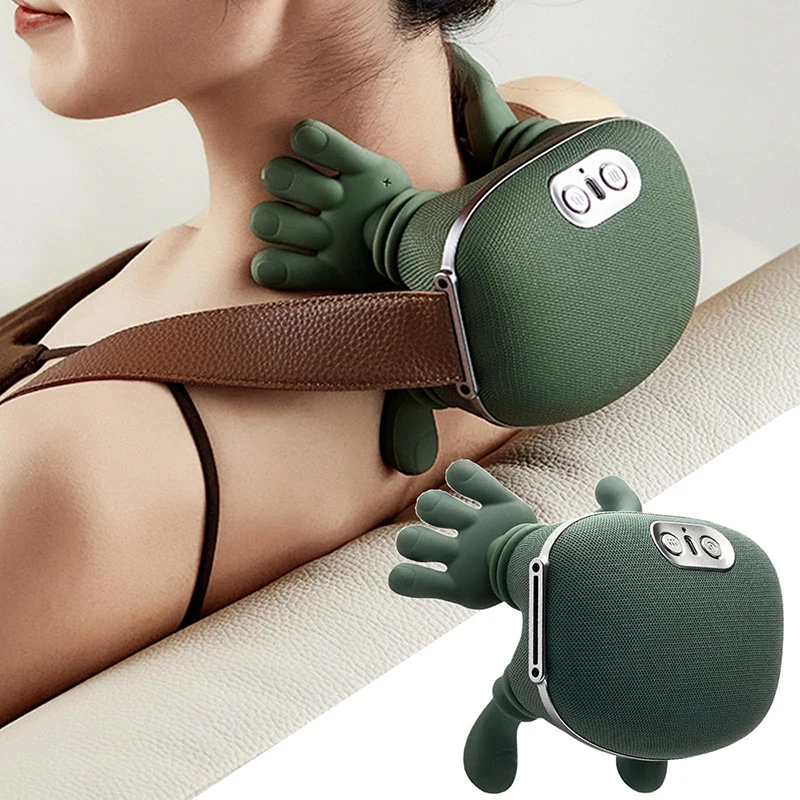
Shoulder back massager is a U-shaped cape that is secured on the shoulders and neck using adjustable straps or its own weight. Its main advantage is freedom of movement. You are not tied to one place: you can walk around the room, sit in an armchair, or even lie down while the device is working.
When reviewing the shoulder back massager, it is worth paying attention to the placement of the rollers. Usually, they are focused on the collar zone and the upper part of the spine. The mechanism imitates manual kneading: rotating heads grip the muscles, moving from bottom to top or along a set trajectory. This is an ideal choice for those who suffer from stiffness specifically in the cervicobrachial region.
Another plus is compactness. Most models run on a battery and do not require a constant connection to the mains. They are easy to take to the office or use at home after a workday. However, there is a nuance: the quality of the massage depends on how tightly the cape fits the body. If you do not adjust the straps, part of the rollers' effort is lost.
Back massager for a chair: stationary depth of treatment
Models with chair mounting are full-fledged pads that are secured with straps to the backrest of an office chair, a home chair, or a car seat. They cover the entire surface of the back: from the lower back to the neck. Moving carriages with rollers travel along the spine, imitating shiatsu or vibration massage techniques.
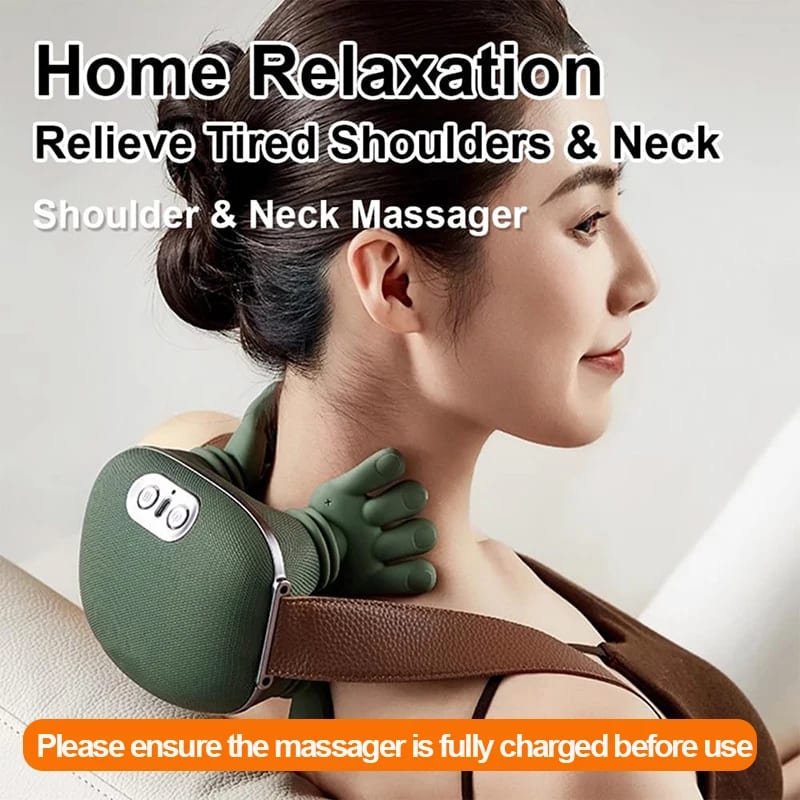
The main difference of a back massager with chair mounting is the stability of pressure. Since the device is rigidly fixed and you lean on it with your body weight, the rollers work the muscles more deeply. This is important for the lumbar region, which is often overlooked in shoulder models. Some pads have a heating function, which enhances the relaxing effect.
The drawback is obvious: you are tied to a specific place. Such a back massager for a chair is not suitable for use on a sofa or in bed. Moreover, it requires connection to a power outlet or a car cigarette lighter, which limits mobility. However, for prolonged sedentary work, this is one of the most effective tools for preventing muscle congestion.
Functionality comparison: what matters more to you
To understand which back massager is better, you should start from the localization of discomfort. Shoulder models specialize in the neck, trapezius muscles, and upper back. They effectively relieve tension headaches and the effects of stress. In contrast, chair pads cover the entire back, including the lower back, where fatigue often accumulates after sitting.
Key selection criteria:
First, the intensity of the impact. In shoulder devices, it is often adjustable, but the maximum force is limited by the design. In chair pads, the pressure can be varied simply by changing your body position — leaning back increases the massage intensity. Second, additional features: heating is more common in stationary models, while portable ones may have a built-in battery and a remote control.
The ComfortShop team advises paying attention to the cover material: in chair pads, it should be wear-resistant and breathable, as it is subject to constant friction. In shoulder models, the softness of the inner surface that contacts the neck is important.
Usage scenarios: office, home, car
For office work, a back massager with chair mounting is practically an unrivaled option. It stays permanently at the workstation, does not interfere with movement, and can be turned on as needed. You can continue typing or talking on the phone while the device kneads your muscles. This is passive massage that does not distract you from your tasks.
A shoulder back massager is more versatile for home use. It is used while watching movies, reading, or even during short breaks between household chores. Drivers often choose this format for long trips, although specialized car seat pads also exist. According to the ComfortShop editorial team's recommendation, if you plan to use the device in different rooms or take it with you on trips, a shoulder model will be more practical.
Another scenario is rehabilitation after injuries. Here, stationary pads have the advantage, as they provide more controlled and uniform impact along the entire spine. However, before using any massager for therapeutic purposes, a doctor's consultation is required.
Technical nuances that affect your choice
Power supply is one of the decisive factors. Most shoulder models are equipped with batteries with a capacity of 2000–2500 mAh, which is enough for 1–1.5 hours of continuous operation. This is convenient but requires regular recharging. A back massager for a chair usually operates from a 220 V mains supply or 12 V (in a car), so there are no time limits.
Noise levels also differ. Shoulder devices, due to their compact body, often operate quieter — around 40–45 dB. Chair pads can be louder (up to 55 dB) due to a more powerful motor and greater amplitude of movement. If you plan to use the massager in an open-plan office, this point should be considered.
The weight of shoulder models rarely exceeds 1.5–2 kg, while a chair pad can weigh 3–5 kg. This is not critical for stationary use, but it matters for transportation. When reviewing specifications, ComfortShop pays attention to the length of the power cable in stationary models — a too-short cord limits the placement of the chair relative to the power outlet.
Conclusion:
The optimal choice depends on your primary need: if the cervicothoracic region is mainly affected and mobility is required, a shoulder back massager will be a reliable helper. If the discomfort covers the entire back and your workday is spent at a desk, it is better to invest in a back massager with chair mounting. The ComfortShop editorial team recommends assessing your daily scenarios before purchasing: where, how often, and for which zone you plan to use the device, as this determines which back massager will better handle the task.
Frequently Asked Questions
How does a shoulder back massager differ from a chair massager?
A shoulder back massager attaches to the shoulders and massages the upper back, neck, and shoulders, while a massager with chair mounting focuses on the lower back and middle part of the back, working in a stationary position.
Which back massager is better to choose for working at a computer?
For working at a computer, a back massager with chair mounting is more suitable, as it does not interfere with movement and allows you to receive a massage while sitting without being distracted from your tasks.
Can a shoulder back massager be used while walking?
Yes, a shoulder back massager can be used while walking or doing household chores, as it stays on the shoulders and does not require connection to a chair or another surface.
Which back massager is more effective for relieving lower back pain?
For relieving lower back pain, a back massager with chair mounting is more effective, as it provides targeted impact on the lower part of the back and allows you to adjust the intensity of pressure.