Choosing a mixer for dough is always a compromise between convenience, power, and budget. Store shelves feature dozens of models, but they all fall into two fundamentally different classes: compact hand-held devices and massive stand mixers. To understand which mixer is better for dough specifically for your needs, it's worth examining their design features and usage scenarios in detail. According to the recommendation of the ComfortShop editorial team, before making a purchase, you should evaluate not only the price but also how often you plan to knead stiff yeast dough or delicate sponge cake batter.
? Table of Contents
Design and Operating Principle: What's the Difference
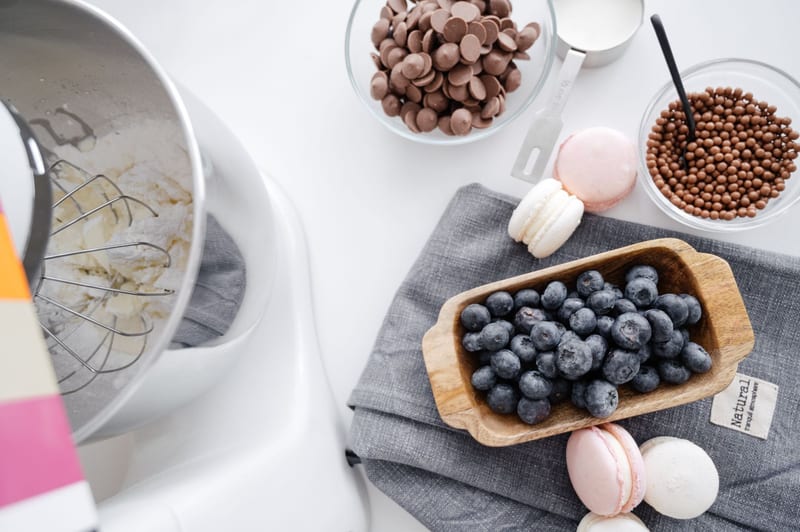
A hand mixer is a lightweight device with two whisk attachments that rotate around their own axis. You hold it in your hands and manually move it around the bowl to mix the ingredients evenly. This design is ideal for thin batters, creams, and egg mixtures, but for thick yeast dough, it often proves ineffective due to weak torque and motor overheating.
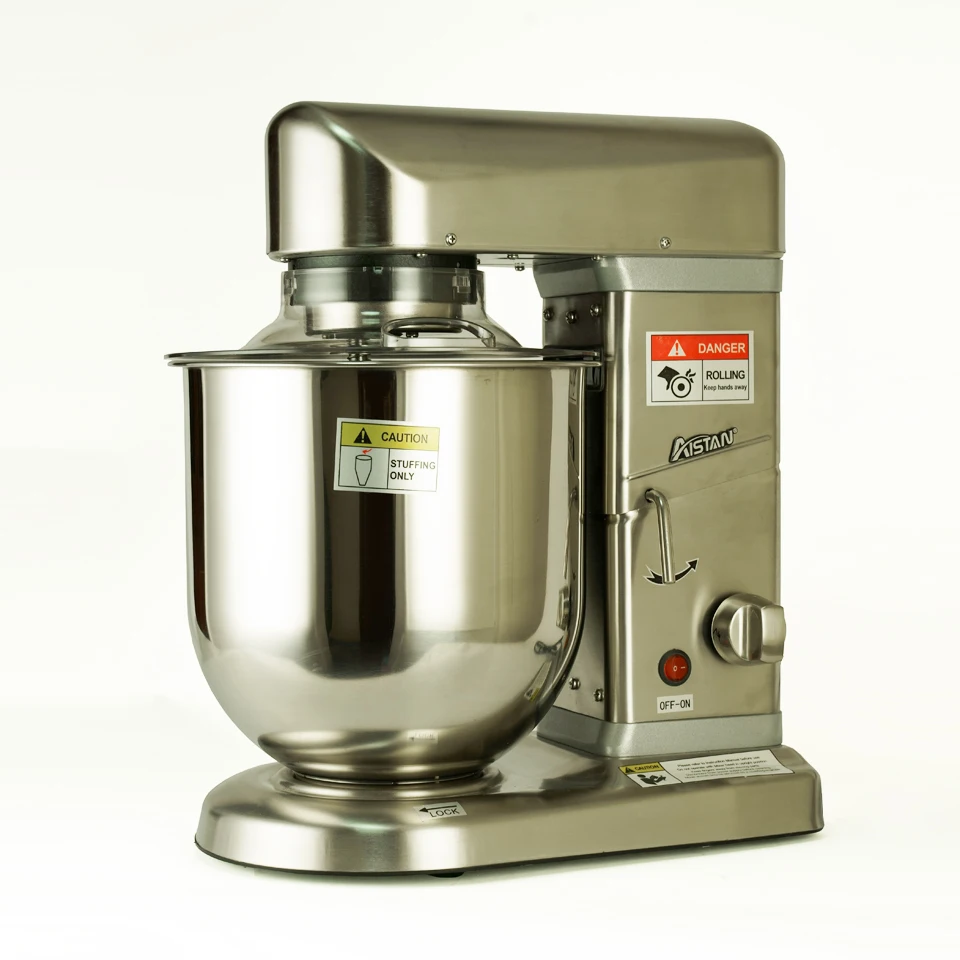
A stand mixer for dough works on a completely different principle. It has one attachment (dough hook, paddle, or whisk) that rotates around its own axis, while simultaneously the entire head moves in a circular path around the bowl. This resembles the movement of planets around the sun — hence the name. This kinematics allows processing the entire volume of the product, leaving no dry spots, and significantly reduces the load on the motor.
The key advantage of stand mixers is their stationary nature. You don't need to hold the device with your hands, which is especially important when working with heavy and sticky dough. You simply set up the bowl, add the ingredients, and start the program, and the mixer does all the work on its own.
Power and Working with Different Types of Dough
For making airy sponge cakes or pancakes, a power of 300-500 W is quite sufficient. A hand mixer can handle such tasks in a matter of minutes. However, when it comes to stiff yeast dough for pies, dumplings, or bread, the situation changes dramatically. The weak motor of a hand mixer may simply stop or burn out due to excessive load.
A stand mixer for dough typically has a power of 800 to 1500 W, allowing it to easily knead even very thick mixtures. It is equipped with metal gears and a reliable gearbox that are not afraid of prolonged operation. As noted by ComfortShop reviewers, this class of devices is the only one capable of properly kneading dough for Italian pizza or homemade pasta without overheating or vibrating across the kitchen.
It's important to understand that hand mixers often only have a turbo boost button, while stand mixers offer dozens of speeds and smooth adjustment. This allows you to start kneading at minimum speed to prevent flour from scattering around the kitchen, and then gradually increase the speed to the desired level.
Ease of Use and Preparation Time
A hand mixer is an ideal kitchen gadget for dough if you cook quickly and in small portions. It is lightweight, takes up little space in a drawer, is easy to clean, and is inexpensive. However, its main drawback is the need for constant human presence. You cannot walk away while the mixer is running because you need to hold it in your hands, controlling the angle and depth of immersion.
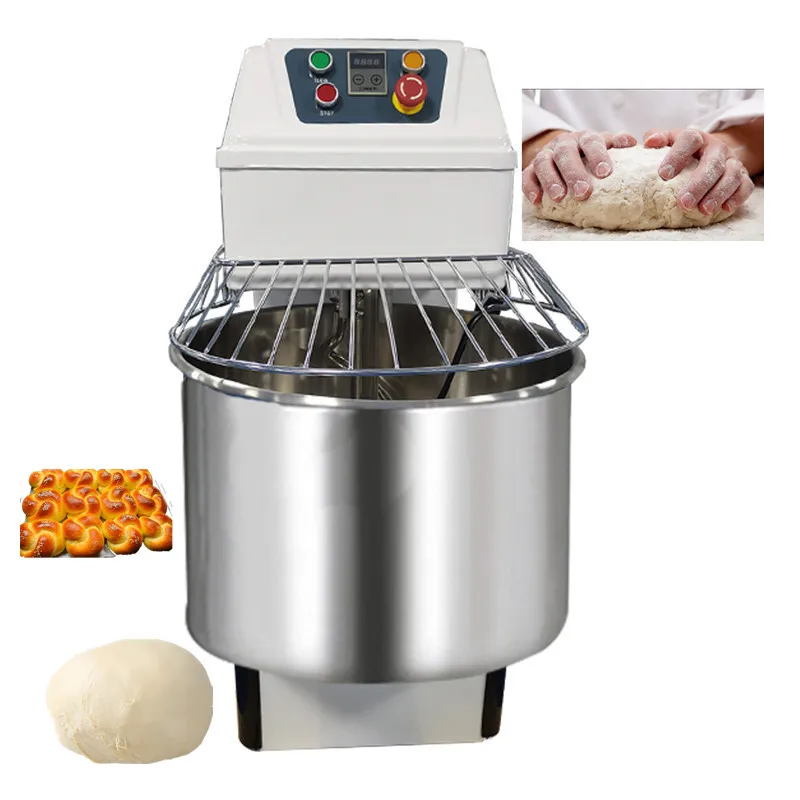
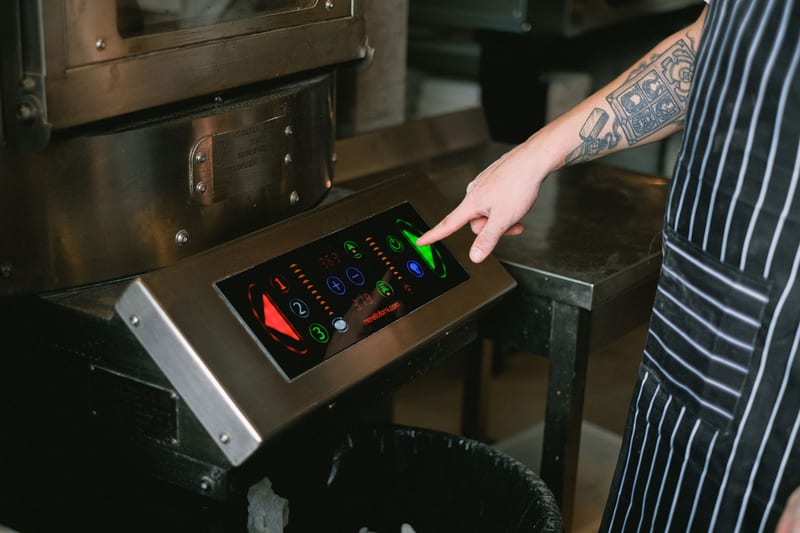
A stand mixer completely frees up your hands. You can prepare other ingredients, wash dishes, or simply relax while the appliance does the monotonous work. Most models are equipped with a timer and accidental start protection, making the process safe.
Furthermore, stand mixers have a significantly larger bowl capacity — from 3 to 7 liters. This allows you to knead dough for a large family or a holiday table all at once. Hand models are limited by the volume of the bowl you are holding and typically work with portions no larger than 1-1.5 kg of finished dough.
Is it worth paying extra for versatility?
The answer to this question depends on your cooking routine. If you bake a cake once a week or whip cream for coffee, a hand mixer will be the optimal and economical choice. If you regularly make bread, pizza, dumplings, or pastries, investing in a stand mixer will quickly pay off in saved time and baking quality.
Functionality and Additional Attachments
Hand mixers usually come with a basic set: two whisks for liquid mixtures and two dough hooks. This is sufficient for simple recipes, but for complex tasks like making minced meat or grating vegetables, you will need a separate device (meat grinder or blender).
A stand mixer for dough is often part of a multifunctional kitchen system. You can purchase additional attachments for a meat grinder, grater, juicer, vegetable spiralizer, or even a pasta press. This makes it the central element of the kitchen, capable of replacing up to a dozen different gadgets.
It's also worth mentioning the quality of materials. In budget hand mixers, the attachments are often made of chrome-plated steel or even plastic, which can deform when kneading stiff dough. Stand mixers from trusted brands use stainless steel and aluminum alloys, guaranteeing durability and corrosion resistance.
Dimensions, Storage, and Care
The hand mixer is the undisputed leader in compactness. It fits into any kitchen drawer, and its attachments can be stored in a separate case or stand. Such a device usually weighs up to 1.5 kg, making it easy to take to the dacha or to a party. Care is also simple: just rinse the attachments under running water or in the dishwasher.
A stand mixer is a stationary appliance that requires a permanent place on the countertop or in a cabinet. The average weight of such models is 5-10 kg, making it inconvenient to move them daily. However, many housewives consider this drawback insignificant, as the mixer becomes a permanent interior element, like a coffee maker or toaster.
Regarding cleaning, the bowls of stand mixers are usually removable and dishwasher safe. The body itself just needs to be wiped with a damp cloth. Some models have a self-diagnosis function and splash protection, which further simplifies operation.
Conclusion:
The final choice between a hand mixer and a stand mixer depends solely on your culinary ambitions and budget. A hand mixer is an excellent assistant for quick and simple dishes that doesn't require much space or money. A stand mixer for dough is a professional tool for those who are seriously into baking, value their time, and want consistently high results. ComfortShop experts recommend: if you knead yeast dough or prepare desserts for the whole family at least once a week, choose a stand mixer that will become your reliable assistant for years to come.
Frequently Asked Questions
Can you knead stiff yeast dough with a hand mixer?
No, a hand mixer is not designed for heavy dough — its motor can overheat and the attachments can bend. For stiff yeast dough, you definitely need a stand mixer for dough with a powerful motor and a dough hook.
Which mixer is better for dough if I bake once a week?
For occasional baking (cakes, sponge cakes, pancakes), a quality hand mixer for dough will suffice. If you often make bread or pizza, it's worth investing in a stand mixer — it will save you time and effort.
Does a stand mixer replace a food processor?
No, these are different kitchen gadgets for dough: a stand mixer is excellent for whipping and kneading, but it doesn't chop vegetables or grind meat. When choosing a mixer for home, consider that a food processor is a more multifunctional device.
What should I look for in a dough mixer review before buying?
The main parameters: power (from 800 W for a stand mixer, from 300 W for a hand mixer), bowl material (stainless steel or glass), and the presence of a "planetary rotation" mode for even kneading.