Converting a regular bicycle into an electric bike is not only a way to save money on buying a ready-made electric vehicle but also an opportunity to get a unique bike with the characteristics you need. The simplest and most popular method of such an upgrade is installing a motor wheel, which is a ready-to-integrate kit. According to the recommendation of the ComfortShop editorial team, a competent approach to choosing such a set allows you to turn even an old bicycle into a powerful vehicle, spending minimal effort on the technical part. Let's figure out what a conversion kit consists of and how to avoid mistakes when choosing one.
? Table of Contents
- What is a motor wheel and what does the kit consist of?
- Choosing power: 250W, 500W, or 1000W?
- Battery: capacity, voltage, and cell type
- Front or rear motor wheel: pros and cons
- Controller, display, and sensors: what do you need to know?
- Step-by-step guide: how to make an electric bike with your own hands
- Conclusion:
What is a motor wheel and what does the kit consist of?
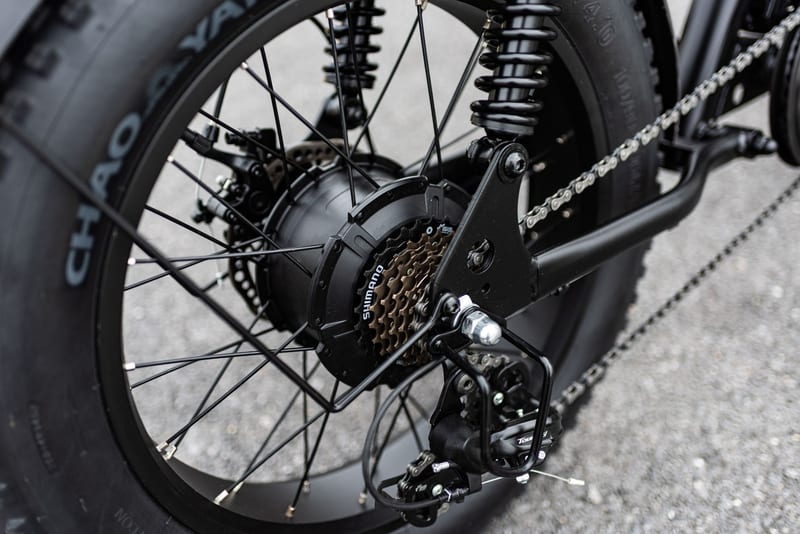
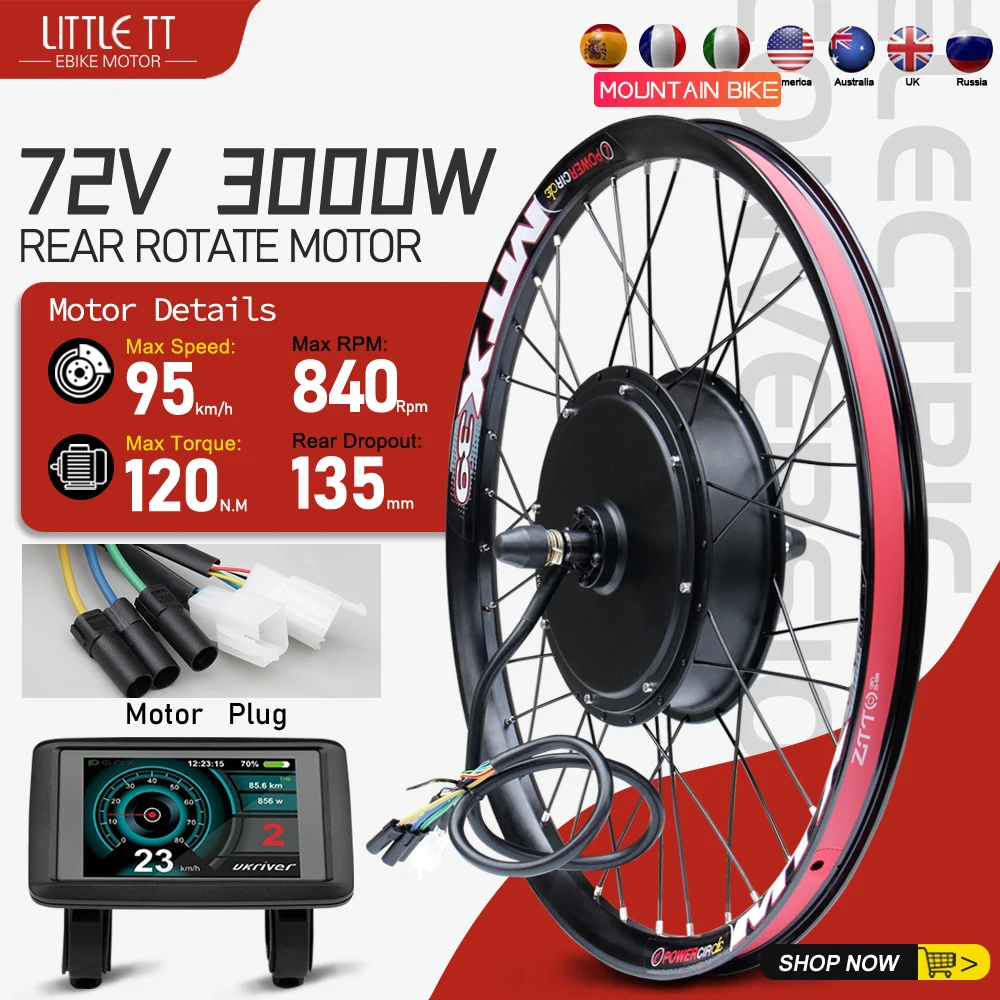
A motor wheel is an electric motor built directly into the wheel hub. Unlike mid-drive motors, this design does not require complex intervention in the bicycle's drivetrain. A typical kit for converting a bicycle into an electric one includes the motor wheel itself, a controller, a throttle or pedal assist sensor, a display, a battery, and a set of wires and mounts.
The main advantage of such a kit is its versatility. You can buy a motor wheel and install it on either the front or rear axle, depending on the type of bicycle and your preferences. Front-wheel drive systems are simpler to install, while rear-wheel drive provides better traction and a more natural riding feel.
Choosing power: 250W, 500W, or 1000W?
Motor power is a key parameter that determines acceleration dynamics and the ability to climb hills. For city riding on flat roads, a 250-350W motor wheel is quite sufficient. This allows you to legally use the bicycle without registration or a license in most countries, although in Ukraine, the rules regarding electric vehicles are constantly changing.
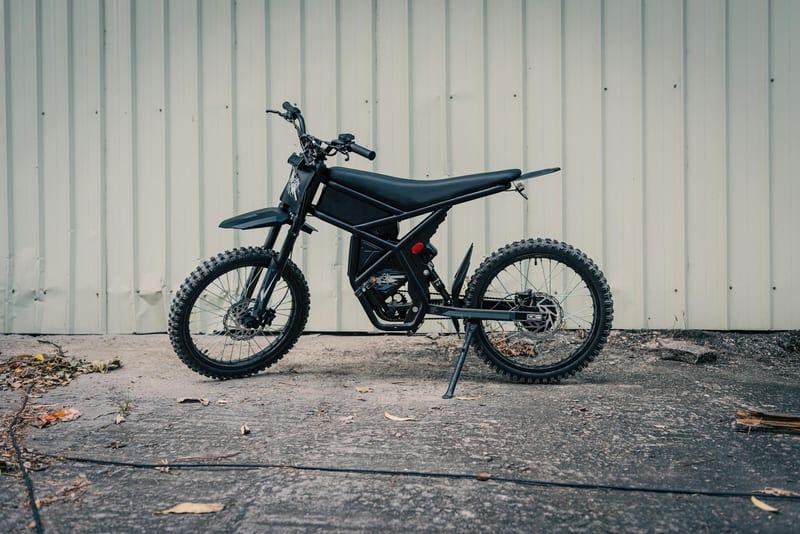
If you plan on active riding over rough terrain or live in a hilly region, you should consider models with a power of 500-750W. They confidently pull the bike uphill and allow acceleration up to 35-40 km/h. The most powerful options (1000W and above) are essentially light electric motorcycles that require a reinforced frame and quality brakes.
Which type of battery to choose for an electric bicycle kit.
Battery: capacity, voltage, and cell type
Modern lithium-ion batteries are the standard for any electric bicycle kit. The most common voltages are 36V or 48V. 48V batteries provide better dynamics and higher efficiency, which is why ComfortShop experts recommend them for systems with a power of 500W and above. Capacity is measured in ampere-hours (Ah) and directly affects the range.
For daily commutes (10-15 km one way), a 10-12 Ah battery is sufficient. If you plan on long weekend bike rides, choose models with 15-20 Ah. It is important to pay attention to the quality of the cells — cheap Chinese elements quickly lose capacity, so it is better to choose batteries with Samsung, LG, or Panasonic cells.
Front or rear motor wheel: pros and cons
The choice between front and rear drive is one of the first questions when buying a bicycle-to-electric conversion kit. The front motor wheel is most often chosen for its ease of installation: you don't need to remove the chain, cassette, or overhaul the rear hub. Additionally, front drive is lighter and puts less stress on the frame.
The rear motor wheel is considered more reliable for powerful systems, as the weight of the rider and motor falls on the rear axle, providing better traction. However, its installation requires more time and skill, especially if you need to transfer the sprocket cassette. For mountain bikes, rear drive is the preferred choice.
Controller, display, and sensors: what do you need to know?
The controller is the "brain" of your system. It manages the energy flow from the battery to the motor, regulates speed, and reads signals from sensors. Most modern controllers have protection against overload, short circuits, and low battery charge. Some models support regenerative braking, which allows partially returning energy to the battery when descending.
The display allows you to monitor speed, charge level, distance traveled, and assistance modes. The most common options are LCD displays with bright backlighting. The pedal assist sensor (PAS) automatically turns on the motor when you start pedaling, saving battery and making the ride feel more natural.
Throttle or pedal assist sensor: what to choose for a DIY electric bike.

Step-by-step guide: how to make an electric bike with your own hands
The process of converting a bicycle to electric power begins with removing the old wheel. If you are installing a rear motor wheel, first remove the rear wheel, chain, and cassette. Transfer the cassette to the new motor wheel using a special puller — this is the most difficult step. Then install the wheel in place, secure it with nuts, and connect the wires to the controller.
The battery is most often mounted on the frame using a special bracket or secured in the rack. Route the wires carefully, avoiding chafing against sharp frame edges. After connecting all components, check the system's functionality without load by lifting the wheel off the ground. If everything works, you can go for a test ride.
Conclusion:
The motor wheel is the most affordable way to turn a regular bicycle into a powerful and convenient electric vehicle. The main thing is to choose the right bicycle-to-electric conversion kit for your needs, paying attention to motor power, battery capacity, and drive type. As ComfortShop reviewers note, even a beginner with minimal tool skills can handle the installation in one evening. Choose quality components, and your DIY electric bike will serve you faithfully for many seasons.
Frequently Asked Questions
Will a motor wheel fit any bicycle?
Most kits are compatible with standard frames, but it is important to check the dropout width (mounting points) and wheel diameter (most commonly 26", 27.5", or 28").
How long does the battery for an electric kit last?
The service life depends on the battery capacity and riding style: on average, one charge lasts for 25-50 km, and the battery's lifespan is 500-800 charge cycles.
Is it difficult to install a bicycle-to-electric conversion kit with your own hands?
Basic installation of a motor wheel takes 1-2 hours and only requires standard wrenches, but for connecting the electronics, it is better to have basic wiring skills.
Are documents required for an electric bike after conversion?
In Ukraine, a bicycle with a motor wheel up to 250W and a speed of up to 25 km/h does not require registration, while more powerful models are classified as mopeds.