Choosing an orthopedic mattress is an investment in your own health and sleep quality, but you don't necessarily have to spend your entire budget on it. Many buyers mistakenly believe that quality spinal support is very expensive, but in reality, there are clear criteria that allow you to find the ideal option without overpaying. To avoid getting lost in the assortment and not buying unnecessary things, it is worth understanding which characteristics you can save on and which you absolutely should not. According to the recommendation of the ComfortShop editorial team, before studying prices, you should clearly define your own needs and physiological characteristics.
Article Contents
- Does an expensive mattress always mean a quality one?
- Mattress Firmness: The Main Criterion for Back Health
- Types of Fillers: What You Can Save On
- Spring Block: Independent or Dependent?
- Orthopedic Mattress Rating: How to Read Reviews Correctly
- Tips for Choosing a Mattress for Different Situations
- Conclusion:
Does an expensive mattress always mean a quality one?
There is a stereotype in the market that price is directly proportional to the product's usefulness. However, the cost is often formed due to brand recognition, packaging materials, or additional "premium" functions that may be unnecessary. For example, a mattress with natural latex is indeed expensive, but for a person with a low weight, it may turn out to be excessively firm and uncomfortable.
Experts advise paying attention to the production technology and filler composition, not just the price tag. As the ComfortShop reviewers note, the best way to avoid overpaying is to choose models with an optimal price-to-firmness ratio, focusing on the user's weight and age.
How not to overpay for brand and marketing.
Often, manufacturers add layers with "innovative" materials to the construction that do not affect the orthopedic effect. For example, memory foam or aloe vera impregnation are pleasant bonuses, but not critical for back health. If your goal is simply quality spinal support, choose classic models without unnecessary "features" that significantly increase the cost.
Mattress Firmness: The Main Criterion for Back Health
The answer to the question "which mattress is better for the back" always begins with determining the correct firmness. There is a common misconception: the firmer, the better. In reality, a surface that is too firm can cause circulatory problems and discomfort in the lower back, especially if a person sleeps on their side.
For people weighing up to 60 kg, soft or medium-firm models are optimal; for the 60–90 kg category, medium firmness; and for heavier individuals, firm and reinforced options. This parameter is key when you are looking for how to choose a mattress without overpaying: do not buy extra firmness if your weight does not require it.
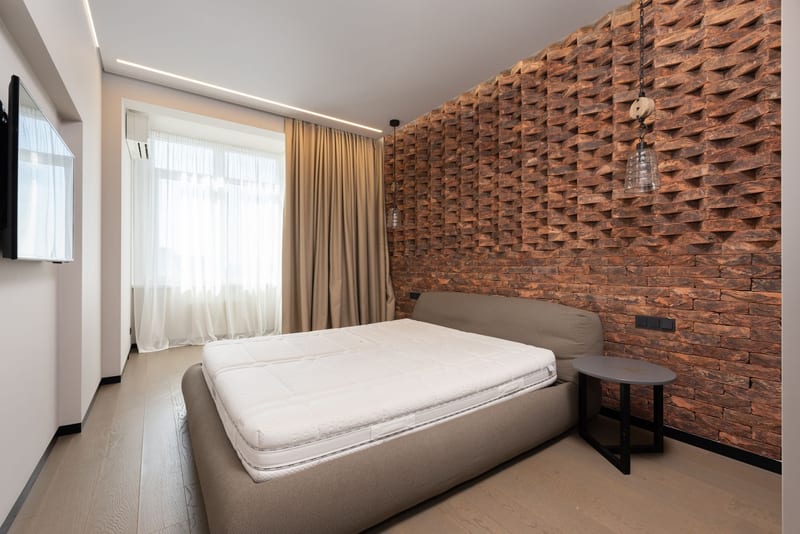
The effect of firmness on different areas of the spine.
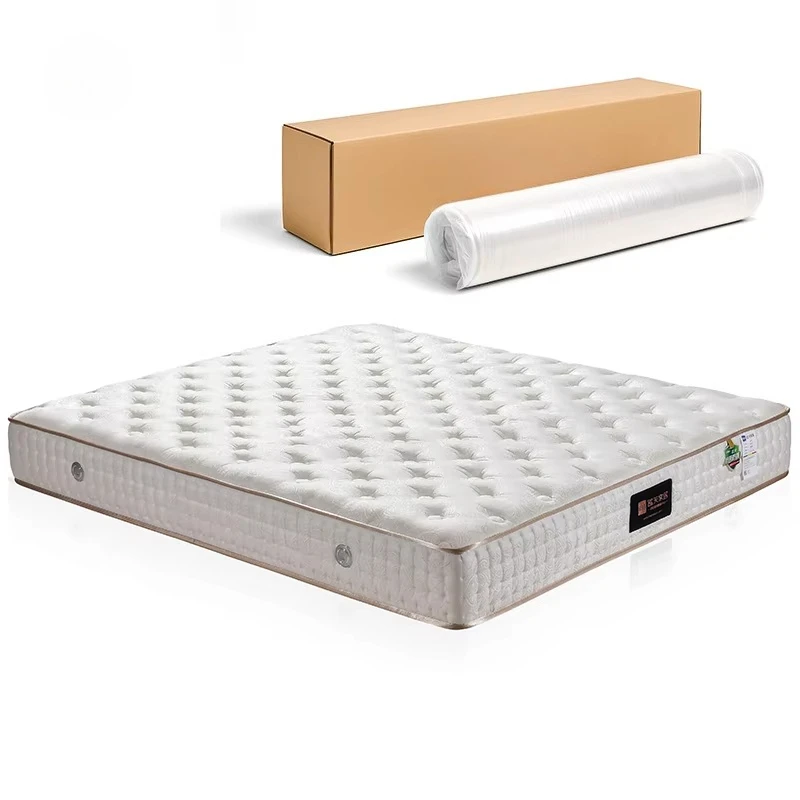
A quality orthopedic mattress should support the lumbar region in a natural position without creating a dip. For this, zonal spring blocks or different foam densities are often used. If you do not have specific conditions such as hernias or osteochondrosis, a model with independent springs (Pocket Spring) will be the best choice without unnecessary expense.
Types of Fillers: What You Can Save On
The cost of a mattress largely depends on the internal filling. The most budget-friendly option is polyurethane foam (PUF), which provides decent support for people of average weight. However, cheap PUF sags quickly, so it is worth choosing models with increased density (over 30 kg/m³).
Natural latex or coconut coir are expensive materials that are justified only for allergy sufferers or people who need a maximally firm base. If you have no special medical indications, high-quality artificial latex or a combination of PUF with felt will give excellent results at a much lower price. ComfortShop experts recommend paying attention to models with memory foam, which have become more affordable today.
Spring Block: Independent or Dependent?
The classic dependent "Bonnel" block is an outdated technology that does not provide point support. Such mattresses are cheaper, but due to the "hammock" effect, they harm the spine, especially when two people sleep together. If your goal is a quality orthopedic mattress, how to choose it without harming your budget? Choose models with independent springs.
An independent block (each spring in a separate pocket) costs a little more, but it is this that provides anatomical support and the absence of waves. To save money, you can choose an option with fewer springs per square meter (about 250–300), which will significantly reduce the price but preserve the main orthopedic effect.
Is it worth buying springless models.
Springless mattresses made of monolithic PUF or latex are often cheaper than spring counterparts. They are well suited for children and teenagers, as well as for people with low weight. However, for adults with medium and large body mass, they quickly lose their shape, so it is better not to skimp here.
Orthopedic Mattress Rating: How to Read Reviews Correctly
When you are looking for an orthopedic mattress rating, it is important to pay attention not only to the overall score but also to reviews from people with similar weight and sleeping habits. For example, a mattress that is perfect for sleeping on your back may be uncomfortable for those who sleep on their stomach.
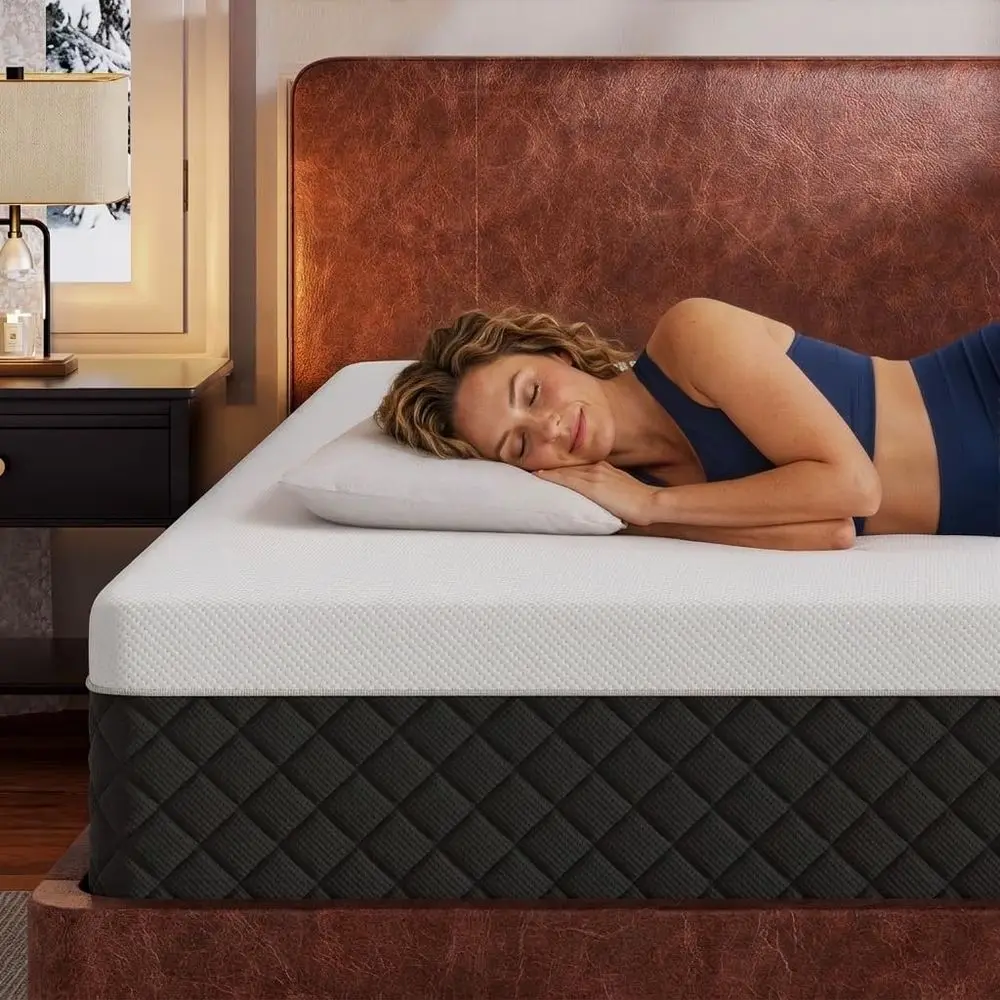
ComfortShop reviewers advise looking for models that have at least 80% positive reviews regarding back support. Avoid mattresses where there are many complaints about rapid sagging or edge deformation — this is a sign of low quality that will negate any savings.
Tips for Choosing a Mattress for Different Situations
If you are buying a mattress for a teenager, choose a medium-firm model with a hypoallergenic filler — this will ensure proper spine formation. For older people, softer options with memory foam, which reduce pressure on the joints, are better suited.
For couples with a large weight difference, experts recommend mattresses with reinforced edges and a zonal spring block. This prevents "rolling" towards the center and ensures comfort for both. Also, do not forget about the cover: a removable cover made of natural cotton or jacquard will allow you to easily maintain hygiene, which will extend the product's lifespan.
Conclusion:
When choosing an orthopedic mattress, the main thing is not to chase the brand or the most expensive materials, but to clearly understand your physiological needs. An independent spring block, correct firmness according to weight, and a quality, but not necessarily natural, filler — this is the formula for an ideal choice without overpaying. By following these tips for choosing a mattress, you will be able to find a reliable model that will last a long time and preserve the health of your back.
Frequently Asked Questions
Which mattress is better for the back — firm or soft?
For back health, medium-firm mattresses or those with independent springs that support the natural curves of the spine are best. Firm models are recommended for lower back problems, while soft ones are for people with low weight or neck pain.
Can I buy an inexpensive orthopedic mattress without compromising quality?
Yes, if you choose a springless mattress (e.g., made of memory foam or latex) or one with independent springs — they are cheaper than expensive brands but provide good support. Avoid models with cheap foam that sags quickly.
How to choose a mattress without overpaying and not make a mistake with firmness?
Focus on weight: up to 60 kg — soft or medium, 60–90 kg — medium, over 90 kg — firm. Do not overpay for additional layers if they are not needed for your sleeping position (e.g., side — needs softer, back — firmer).
What is the rating of orthopedic mattresses by price and quality?
In the budget segment (up to 5000 UAH), models made of HR foam or with independent springs, such as mattresses from Ukrainian manufacturers, lead. In the mid-price range (5000–12000 UAH), the best are those with latex or combined layers, which last 7–10 years.