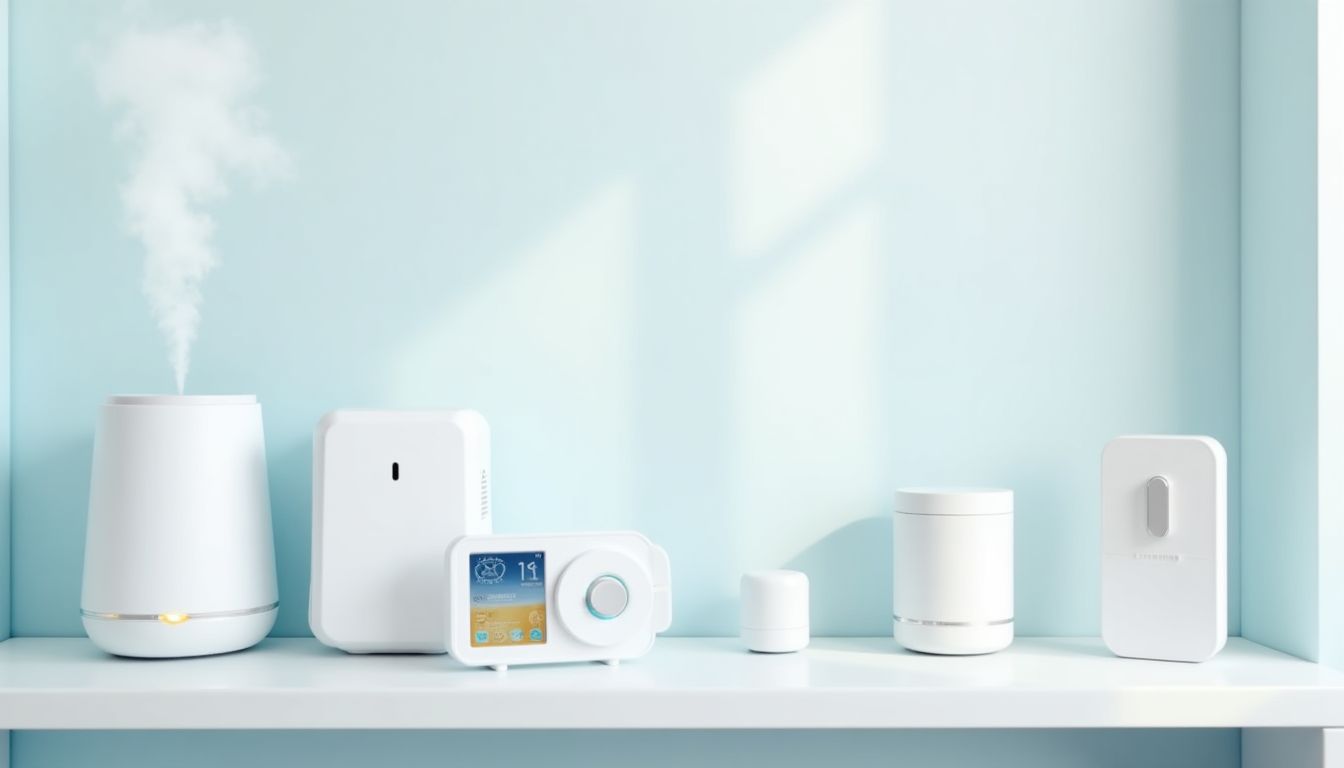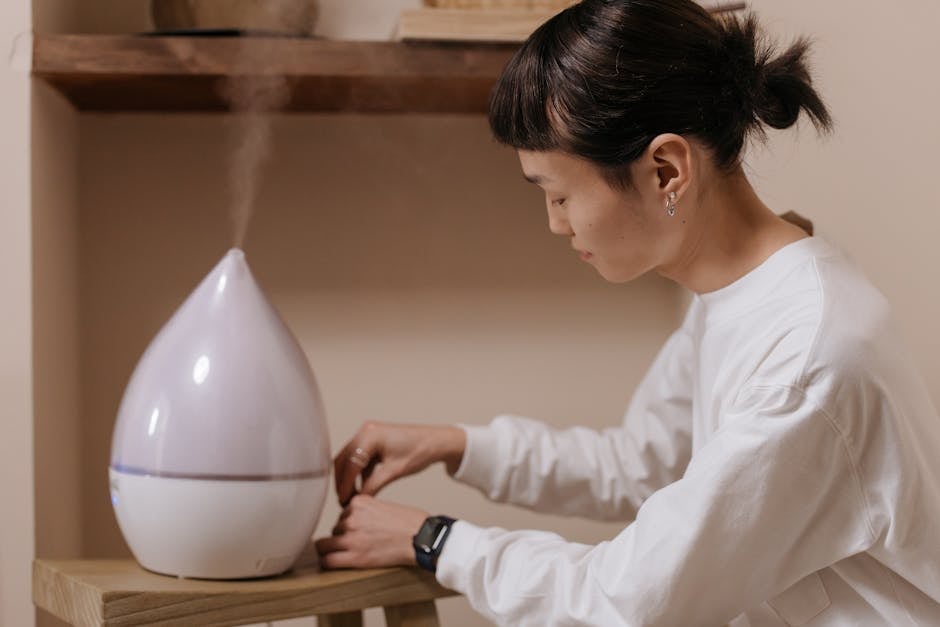
Choosing a humidifier for your home or office often turns into a dilemma: which type of device is better at the task? The two most popular types on the climate technology market are steam and ultrasonic. Each has its own strengths, operational features, and limitations. To understand what to choose specifically for you, it is worth comparing the operating principle, efficiency, safety, and additional functions in detail. According to the recommendation of the ComfortShop editorial team, before buying a device, you should clearly define your priorities: whether steam sterility or quietness and energy efficiency are more important to you. Let's look at the key differences to answer the main question: steam humidifier or ultrasonic — which is better for your conditions.
? Table of Contents
Operating Principle: How Moisture is Created

The main difference between these two types of devices lies in the method of generating water vapor. A steam humidifier works on the principle of boiling: it heats water to a temperature of 100 °C, and hot steam is released into the air. This is the same effect as a boiling kettle, but in a safe casing. This approach guarantees steam sterility, as all bacteria and microorganisms die during boiling.
An ultrasonic humidifier, on the other hand, uses high-frequency vibrations of a membrane that break water into a fine cold mist. It does not heat the water, so it consumes significantly less electricity. However, this mist does not undergo thermal treatment, so water quality is crucial. If you pour regular tap water, a white coating from salts may appear on furniture.
So, if you need absolute air purity and are not afraid of electricity bills, a steam humidifier wins. For those looking for an economical and quiet device, ultrasonic will be the better choice. ComfortShop experts advise considering the water quality in your region before purchasing an ultrasonic model.
Energy Consumption and Performance
One of the most important criteria for comparing humidifiers is energy efficiency. Steam models have a power output of 300 to 600 W because they use energy to heat water. They can quickly raise the humidity level even in a large room, but it will cost more. In one hour of operation, such a device can consume as much as a small heater.

Ultrasonic humidifiers, on the contrary, consume 10-15 times less — only 20-50 W. They operate almost silently and can run around the clock without a significant burden on the budget. However, their performance is often lower: for large rooms, you will need a more powerful model or longer operating time.
Thus, if you plan to use the device constantly, the ultrasonic option will be more cost-effective. The steam humidifier has obvious pros and cons: it is faster and more efficient, but more expensive. For seasonal or spot use, a steam device can be quite justified.
Safety and Health Impact
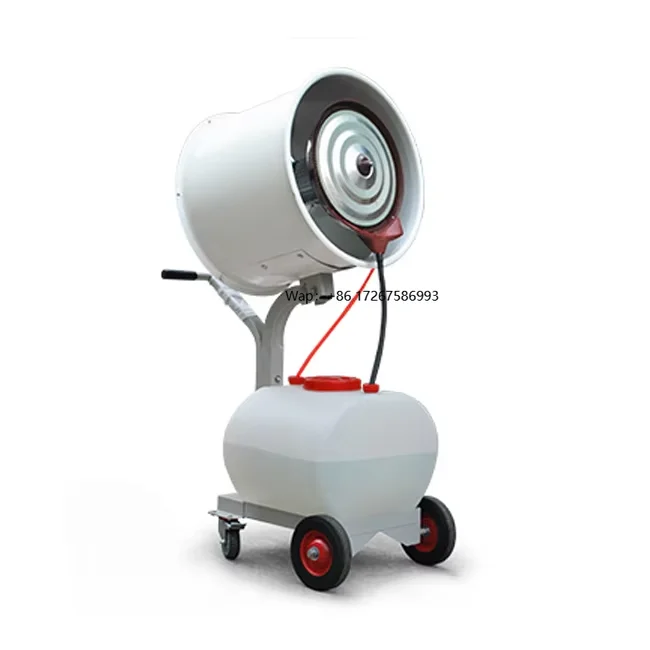
The topic of safety is critical when choosing a humidifier, especially if there are children or people with respiratory diseases in the home. A steam humidifier emits hot steam, so there is a risk of burns if handled carelessly. Modern models have anti-tip protection and automatic shut-off, but leaving them unattended in a child's room is not recommended. At the same time, hot steam is sterile and beneficial for colds — it moisturizes mucous membranes and makes breathing easier.
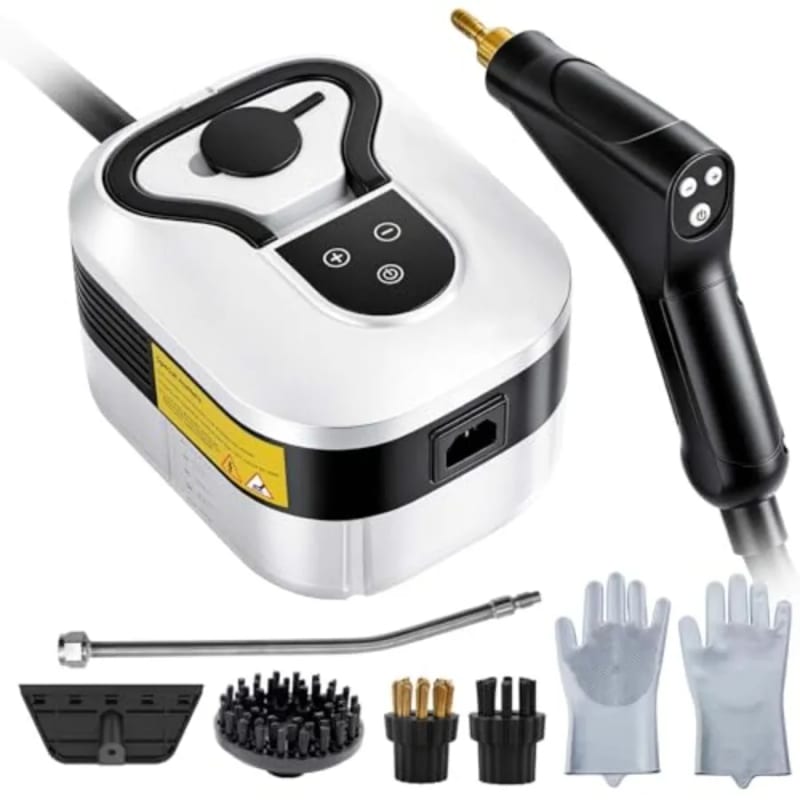
Ultrasonic devices are safer in terms of temperature: they produce a cold mist that does not burn. However, they require the use of distilled or filtered water; otherwise, fine salt particles enter the air, settle in the lungs, and can cause allergies or irritation. Some models have built-in water softening filters, which partially solves the problem.
So, the steam humidifier's pros and cons include a high level of hygiene but require caution. The ultrasonic humidifier's pros and cons are quietness and safety, but only with quality water. As ComfortShop reviewers note, for allergy sufferers and asthmatics, steam models are often the better choice because they do not spread mineral particles.
Noise Level and Ease of Use
For a bedroom, nursery, or home office, the noise level is very important. Steam humidifiers operate with a characteristic boiling sound that can be heard even in the next room. This is not critical during the day, but at night it can disturb sleep. Some users, on the contrary, find this sound soothing, but it is subjective.
Ultrasonic models are almost silent: you only hear a slight hum from the fan or water gurgling. This makes them ideal for nighttime use. Additionally, they often have a hygrostat (humidity sensor) and automatic maintenance of a set level, which adds convenience.
Thus, if silence is a priority, the ultrasonic humidifier wins. A steam device is better suited for large living rooms or spaces where noise does not matter. When deciding which humidifier is better, pay attention to where it will be located most of the time.
Additional Features and Maintenance
Modern models of both types can have a wide range of additional options. Steam humidifiers are often equipped with inhalers or aroma chambers for essential oils, allowing for aromatherapy. They can also have a "hot steam" function for room disinfection. However, they require regular descaling, especially when using hard water.
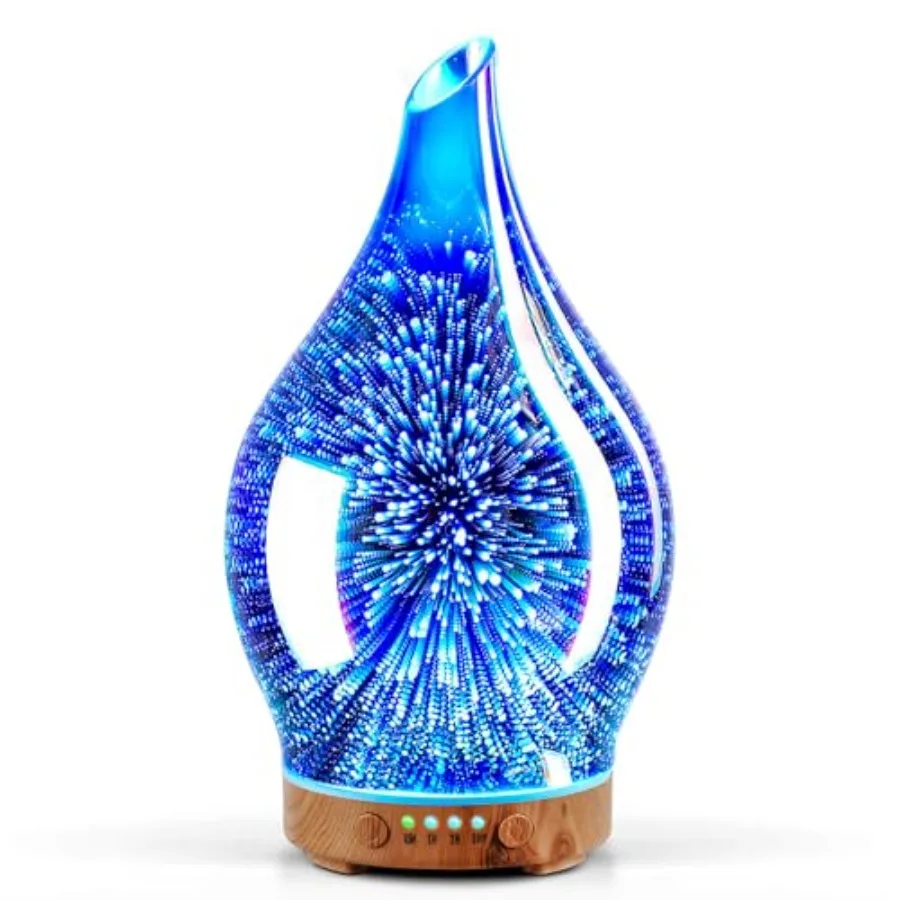
Ultrasonic devices offer more "smart" features: remote control, Wi-Fi, automatic humidity regulation, air ionization, and backlighting. Maintenance comes down to changing the water and periodically cleaning the membrane from deposits. Some models have replaceable cartridges for water softening.
When choosing, pay attention to the tank volume: for steam models, it is usually smaller because water is consumed faster. Ultrasonic models have larger tanks, allowing you to refill water less often. A thorough comparison of humidifiers based on this parameter will help determine which option is more convenient for you.
Conclusion:
There is no definitive answer to the question "steam humidifier or ultrasonic" — the choice depends on your individual needs. A steam device is ideal for large rooms, during cold season, if you need sterile hot steam and are prepared for higher electricity costs. An ultrasonic humidifier is an economical, quiet, and safe option for a bedroom or nursery, provided you use quality water. ComfortShop reviewers recommend carefully analyzing your operating conditions and budget to make the right choice.
Frequently Asked Questions
Which humidifier is safer for children — steam or ultrasonic?
An ultrasonic humidifier is safer for children because it does not heat water and has no risk of burns, unlike a steam humidifier, which emits hot steam.
Is it true that a steam humidifier consumes more electricity than an ultrasonic one?
Yes, a steam humidifier consumes significantly more electricity because it boils water, whereas an ultrasonic one operates through vibrations and is more energy-efficient.
Which humidifier is better to use in winter with dry air from heating?
For quickly raising humidity in winter, a steam humidifier is better because it saturates the air with steam more effectively, but keep in mind that it also raises the room temperature.
Do I need to use distilled water for an ultrasonic humidifier?
Yes, for an ultrasonic humidifier, it is recommended to use distilled or filtered water to avoid the formation of white dust on furniture due to minerals in tap water.