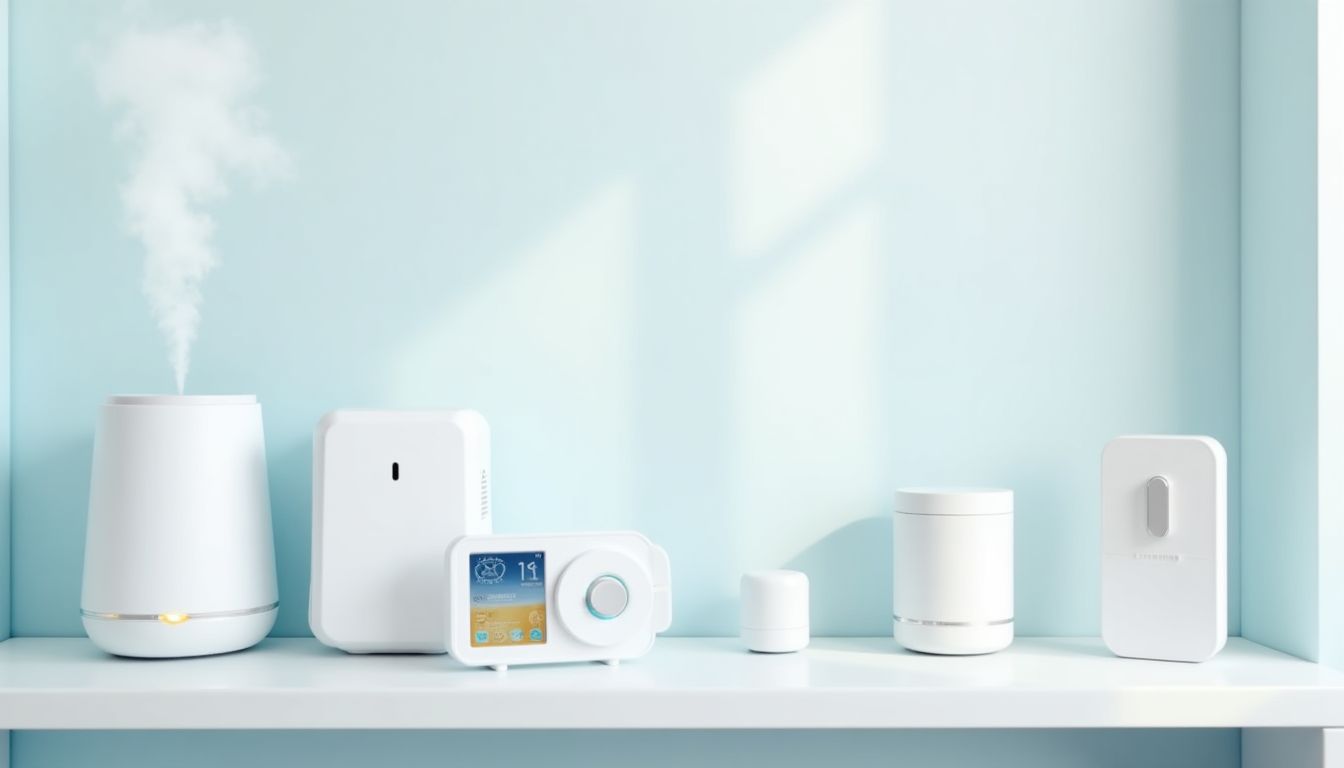
Winter is not only about holidays and coziness, but also a challenge for our body due to dry indoor air. The heating season dramatically changes the microclimate, reducing humidity levels to a critical 15-20%. We decided to conduct our own research and test how different devices handle this problem. Following the recommendation of the ComfortShop editorial team, we selected several models for the experiment to personally verify whether investing in this equipment is worthwhile. This article presents honest results of using a humidifier in real conditions of a city apartment.
? Table of Contents
How We Conducted the Humidifier Test at Home

For the experiment, we took three different types of humidifiers: traditional (evaporative), ultrasonic, and steam. The conditions were identical — a room of 20 square meters with central heating. Measurements were taken three times a day using a hygrometer over two weeks.
ComfortShop specialists advise paying attention to initial humidity levels. In our case, they were 18%, which is typical for the winter period. We recorded changes every hour of device operation and also assessed the subjective feelings of the residents: skin dryness, mucous membrane condition, and sleep quality.
Air Humidifier in Winter: Numbers and Facts
The first results appeared within two hours of operating the ultrasonic model. The humidity level rose from 18% to 35%. This is a noticeable improvement that immediately affected well-being. The traditional evaporative humidifier worked more slowly — reaching 35% took almost 5 hours.

The most powerful was the steam device, which raised humidity to 50% in 3 hours. However, it consumes significantly more electricity and increases the room temperature. This is not always comfortable for a bedroom, so the air humidifier review showed that ultrasonic models are the golden mean in terms of speed and efficiency.
Which humidifier would an experienced user choose.
After testing, we concluded that for daily use in winter, ultrasonic models with an automatic shut-off function are the best choice. They are safe, quiet, and economical. The only downside is their sensitivity to water quality, but this can be solved by using filtered or distilled liquid.
Results of Using the Humidifier: What Changed
The most noticeable result was the disappearance of morning nasal congestion and throat dryness. Experiment participants noted that their skin stopped peeling, and their hair became less static. Additionally, the plants in the room looked fresher, and wooden furniture stopped creaking.
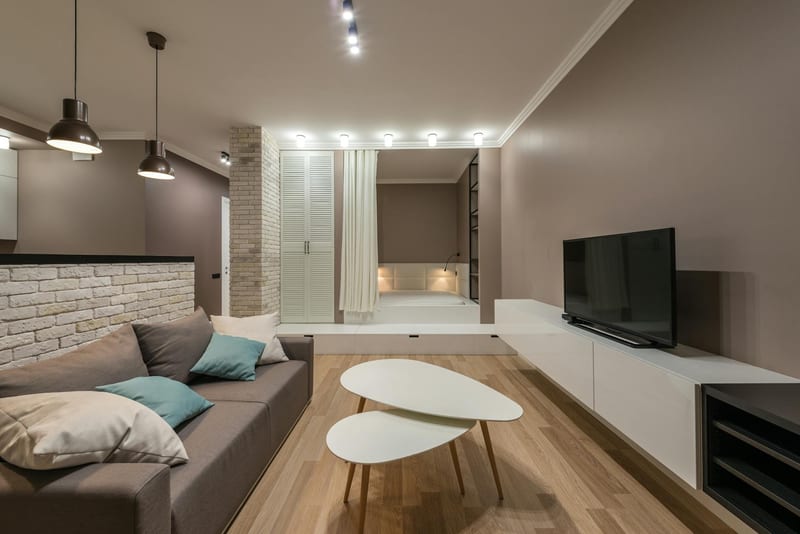
Sleep deserves special mention. At 40-50% humidity, it became deeper, and waking up in the morning was easier. We also noticed that dust in the air settles faster, which is especially important for allergy sufferers. Climate control equipment in winter turned out to be not just a whim, but a real necessity for health.
Disadvantages and Operational Features
There were some difficulties. First, ultrasonic models leave a white residue on furniture if tap water is used. Second, steam humidifiers pose a burn risk, so they should not be placed in children's rooms. Traditional evaporative devices require frequent filter replacement, which increases costs.
As ComfortShop reviewers note, it is important to correctly calculate the device's power for the room area. For example, for a 20 m² room, a model with 200-300 ml/h is sufficient. If you choose a weaker humidifier, it simply won't be able to saturate the air with moisture, especially during severe frosts when radiators are running at maximum.
Humidifier for Home in Winter: Savings or Health
Many believe that wet towels on radiators or open containers of water can suffice. Our test showed that these methods are ineffective. Humidity rises by only 5-7% even with constant water replacement. Moreover, this creates discomfort and a risk of mold.
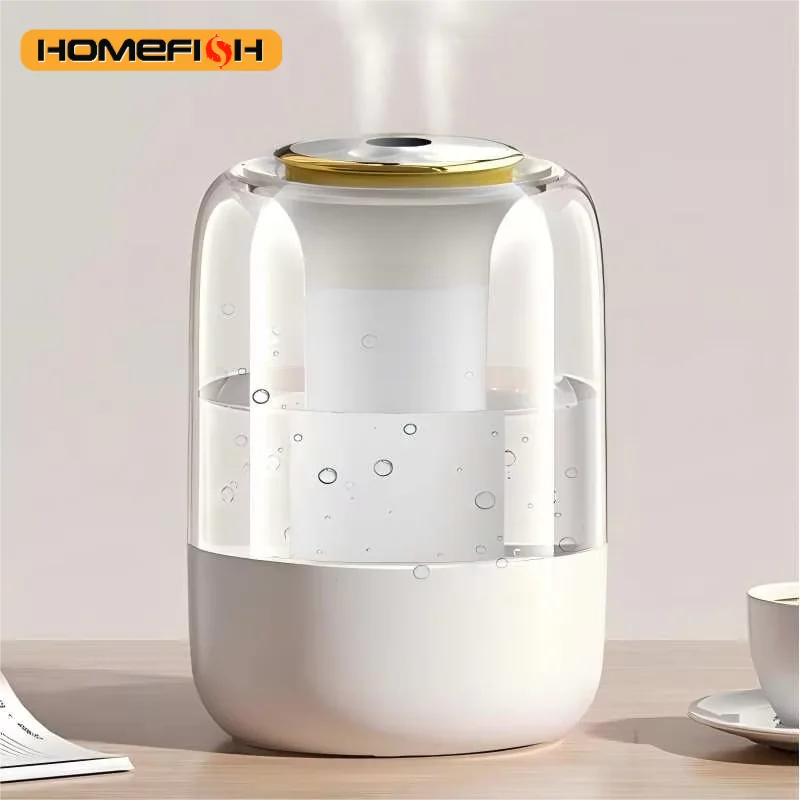
On the other hand, a modern air humidifier in winter pays for itself within the first season. Electricity costs are minimal (about 30-50 UAH per month for an ultrasonic model), and the health benefits are hard to overestimate. We calculated that over two weeks of use, the number of doctor visits due to dry mucous membranes decreased by half.
Conclusion:
The results of using a humidifier during the winter period are unequivocally positive. The device significantly improves the microclimate, normalizes sleep, and reduces symptoms of dry skin and mucous membranes. The best choice for most homes is an ultrasonic model with a hygrostat, which automatically maintains a comfortable humidity level. We recommend choosing trusted brands and not skimping on quality, as this is an investment in your well-being.
Frequently Asked Questions
What humidity level is considered normal in winter?
The optimal indoor humidity level in winter is 40–60%, but due to heating, it often drops to 20–30%, which harms health and furniture.
Does a humidifier help reduce dry skin and cough?
Yes, regular use of a humidifier in winter softens dry skin, reduces mucous membrane irritation, and alleviates cough, especially at night.
Which type of humidifier is best for home use in winter?
Ultrasonic humidifiers are the most popular due to their quiet operation and energy efficiency, but for large rooms, steam models with a water heating function should be considered.
Is it necessary to use distilled water in a humidifier?
Yes, distilled or filtered water prevents white residue on furniture and extends the device's lifespan, as confirmed by test results.