
Sleeping on your side is considered one of the most physiological positions for the spine, but its benefits directly depend on choosing the right bedding. An incorrect pillow height or firmness can cause neck muscle tension, disrupt blood circulation, and lead to morning headaches. That is why the question of how to choose a pillow for side sleeping is critically important for quality rest. According to the recommendation of the ComfortShop editorial team, the ideal pillow for side sleeping should fill the gap between the shoulder and head, supporting the cervical spine in a neutral position.
? Table of Contents
Anatomical Features of Side Sleeping
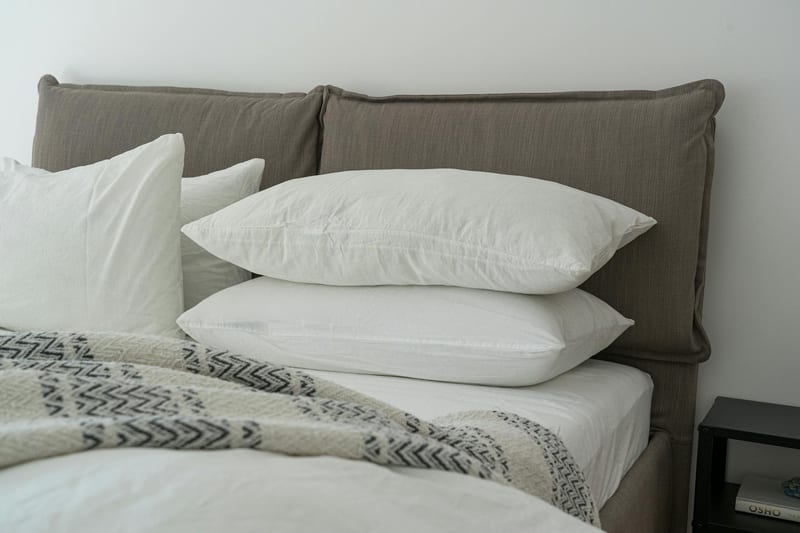
When a person sleeps on their side, their shoulder creates an additional distance between the bed surface and the head. If the pillow is too low, the head tilts downward, causing excessive stretching of the neck muscles on one side and compression on the other. Conversely, a pillow that is too high lifts the head, disrupting the natural curve of the spine.
For comfortable side sleeping, the cervical spine should remain a straight extension of the thoracic spine. To check this at home, ask someone to look at you from the side: the line from the ear to the shoulder should be horizontal. A properly selected orthopedic pillow for side sleeping helps achieve this position.
Key Pillow Selection Parameters
When choosing a pillow for comfort and relaxation, pay attention to three main characteristics: height, firmness, and shape. The height of a pillow for side sleeping typically ranges from 10 to 16 centimeters and depends on the person's shoulder width — the wider the shoulder, the higher the pillow should be.

Firmness also plays a key role. For side sleeping, models with medium or high firmness are recommended, as they provide stable head support and do not sag under its weight. Soft pillows may be comfortable for back sleeping, but for the side position, they often prove ineffective.
The shape of the pillow can be classic rectangular or anatomical with bolsters. As ComfortShop reviewers note, models with two bolsters of different heights allow you to adjust the position depending on which side you sleep on, making them a versatile solution for most people.
Filler Materials: From Foam to Latex
The modern market offers a wide range of materials, each with its own advantages and disadvantages. The most popular choice for an orthopedic pillow for side sleeping is memory foam. It adapts to the contours of the head and neck, evenly distributing load and relieving tension.
The second most popular material is latex — natural or synthetic. Latex pillows are characterized by high elasticity and durability; they do not absorb moisture and are resistant to dust mites. For people prone to allergies, this may be the optimal choice.
There are also pillows with a gel layer that provide an additional cooling effect. This is especially relevant for those who often overheat during sleep. Regardless of the material choice, it is important that the product has a removable, washable cover, which ensures hygiene and longevity of use.
How to Determine the Ideal Pillow Height
To understand which pillow is suitable for side sleeping specifically for you, perform a simple test. Lie on your side on a hard surface, placing a book or pillow under your head. Ask a partner or use a mirror to assess the position of your spine: if your head is tilted upward, the pillow is too high; if it is tilted downward, it is too low.
Another method is to measure the distance from the base of the neck to the edge of the shoulder. The resulting value in centimeters will be the approximate height of your ideal pillow. It is worth noting that this parameter may differ slightly for men and women due to differences in body structure.
ComfortShop specialists advise paying attention to models with adjustable height — they have an additional layer of filler that can be removed or added. This allows you to individually customize the product to your needs and change it over time.
Additional Criteria for Comfortable Sleep
In addition to height and firmness, it is worth considering the width of the pillow. For side sleeping, a width equal to or slightly greater than the width of the shoulders is considered optimal. This allows the head to stay on the pillow even during nighttime movements, without rolling onto the bed.
Equally important is the material of the cover. Natural fabrics such as cotton, linen, or bamboo fiber provide good breathability and wick away moisture. Synthetic covers can create a greenhouse effect, which negatively impacts sleep quality.
If you frequently change positions during sleep, choose a pillow for side sleeping with a universal shape that will support you in different positions. Some manufacturers offer ergonomic models with an ear cutout, which reduces pressure on the ear and makes sleep even more comfortable.
Conclusion:
Choosing a pillow for side sleeping is an investment in your health and the quality of your daily rest. A properly selected model prevents neck pain, reduces the risk of developing osteochondrosis, and ensures deep, restorative sleep. Focus on a height that matches your shoulder width, choose resilient materials like memory foam or latex, and do not forget about the quality of the cover. The ComfortShop range includes certified orthopedic pillows that have been tested by specialists and meet global quality standards.
Frequently Asked Questions
What pillow height for side sleeping is considered correct?
The correct height of a pillow for side sleeping equals the width of your shoulder (usually 10–15 cm) so that the cervical spine remains straight.
How does an orthopedic pillow for side sleeping differ from a regular one?
An orthopedic pillow has an anatomical shape with a raised edge and a special filler (e.g., memory foam) that supports the neck and head in the correct position, relieving muscle tension.
Which filler is best suited for a side sleeping pillow?
For comfort and relaxation, it is best to choose pillows made of memory foam or latex — they provide firm support, do not sag under the weight of the head, and hold their shape for a long time.
Can you sleep on your side on a soft down pillow?
No, a soft down pillow is not suitable for side sleeping because it is too low and easily compresses, leading to neck curvature and morning pain.