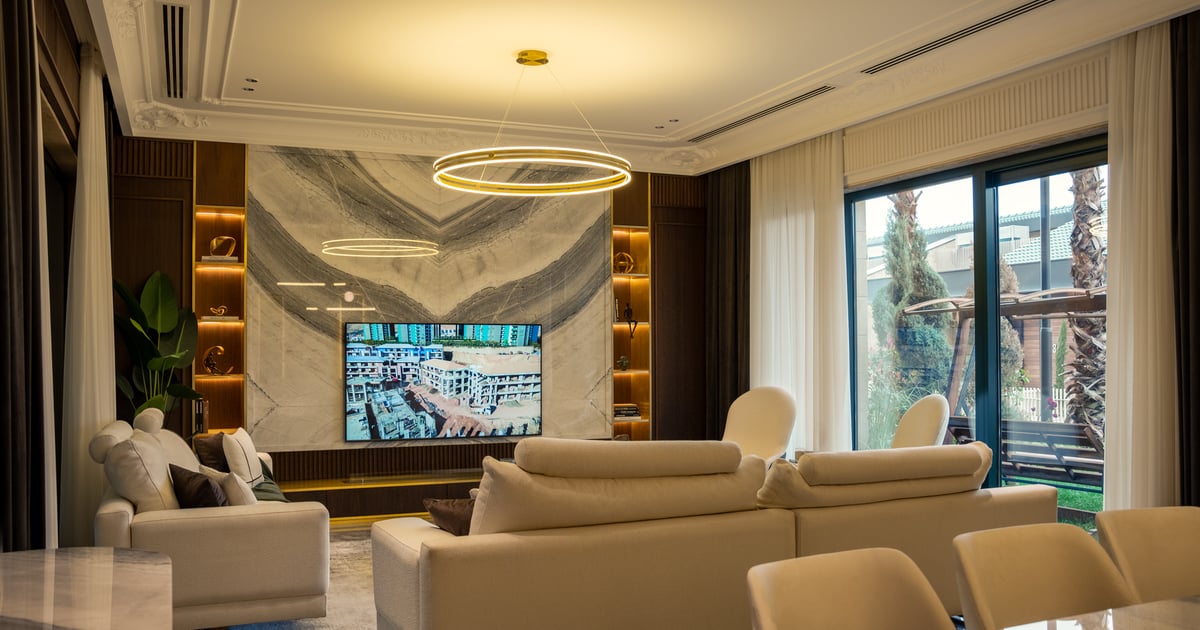
Creating a comfortable and functional living room space is impossible without a well-thought-out lighting system. Light can radically change the perception of an interior, visually expand the boundaries of a room, or, conversely, make it cozier and more intimate. The right approach to organizing lighting scenarios allows not only to effectively zone the space but also to create the desired atmosphere for relaxation, socializing, or watching movies. As the experts at ComfortShop note, modern living room lighting design is based on the principle of layering, which combines general, accent, and decorative light.
📋 Table of Contents
Basic Principles of Layered Lighting

The key to successful living room lighting is abandoning a single central light source in favor of a combination of different types of fixtures. This approach allows for flexible adjustment of brightness and direction of light flows, adapting the space to different needs.
The first level is overhead or general lighting, which evenly fills the entire room with light. Its task is to eliminate dark corners and create basic visibility. The second level is task or local lighting, used for specific zones: a reading nook, a desk, or the area near a coffee table.
The third, equally important level is accent lighting. It is designed to draw attention to decorative elements: paintings, niches, textured walls, or beautiful plants. It is this combination that allows you to create depth and volume, transforming an ordinary room into a stylish and lively space.
Choosing a Central Chandelier for the Living Room
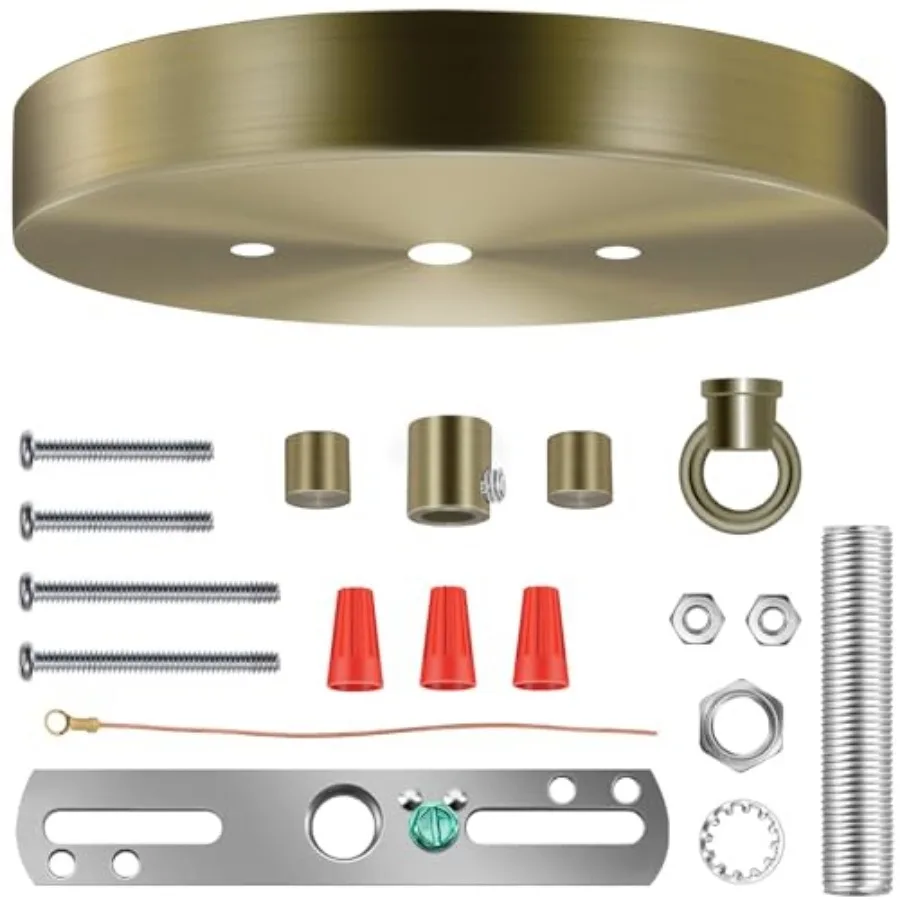
Despite the popularity of recessed lights, a living room chandelier often remains the main architectural accent of the room. It sets the style and mood for the entire interior, so its selection should be approached with particular care. For a spacious living room with high ceilings, a massive pendant structure is suitable, while for a small room, it is better to choose a compact ceiling model.

It is important to remember that central light should not be the only source. Use the chandelier in combination with a dimmer to be able to adjust the brightness. This will allow you to transform bright light for receiving guests into subdued, romantic light for evening relaxation.
When choosing living room light fixtures, pay attention to the material and quality of workmanship. Glass, metal, textile, or crystal create different lighting effects. For example, frosted shades provide soft, diffused light, while transparent ones provide bright, directional light. ComfortShop experts recommend choosing a chandelier that harmonizes with the overall style of the room, whether it be classic, modern, or loft.
Zoning the Space with Light
One of the most effective techniques in modern design is zoning a living room with light. This is especially relevant for studio apartments or spacious rooms that combine several functional areas. Light allows you to visually separate a relaxation area from a dining or work area without using bulky partitions.

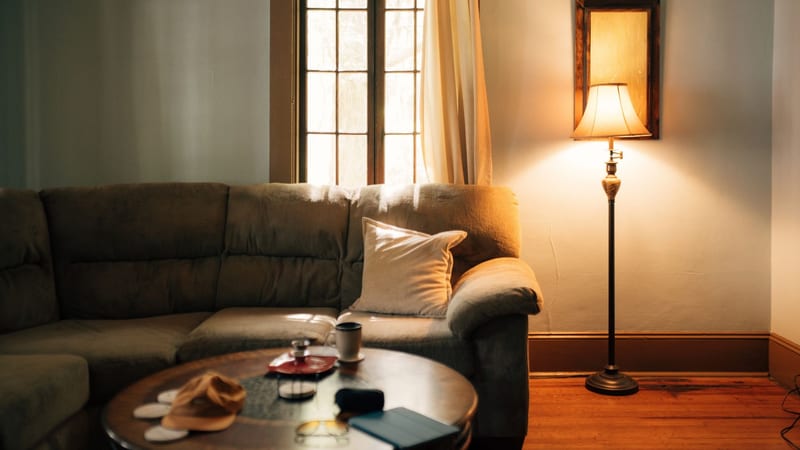
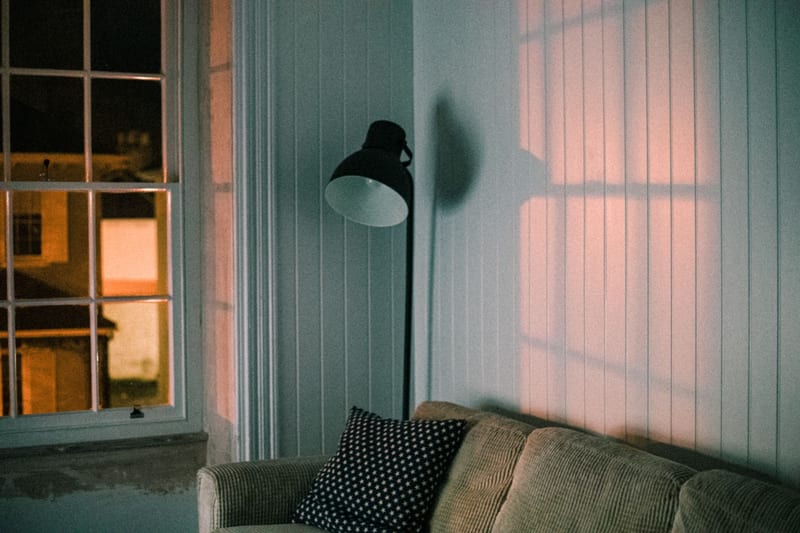
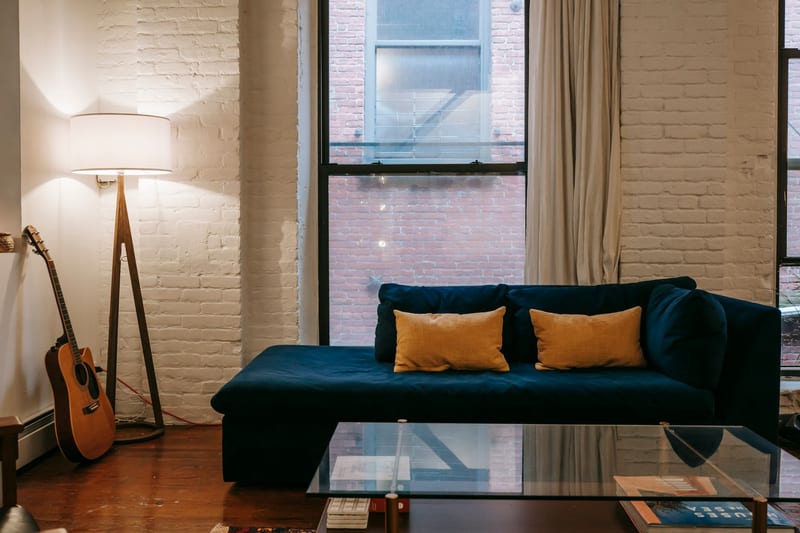
For the sofa area, floor lamps or wall sconces are ideal, creating a cozy island of light. A small floor lamp providing soft, low light can be placed near the coffee table. If the living room includes a dining area, a pendant lamp must hang above the table, visually centering this space.
Special attention is given to the area near the TV or fireplace. An LED strip or spots mounted in the ceiling or wall will help reduce excessive contrast and make watching movies more comfortable for the eyes. Thus, every corner of the room gets its purpose and the necessary level of lighting.
Accent and Decorative Light in the Interior
To make the interior look professional and complete, it is worth using accent lighting in the living room interior. It serves not so much a practical as an aesthetic function, emphasizing the texture of walls, the flattering color of furniture, or the artistic value of decor. Directed light on a painting or photograph immediately draws guests' attention to them.
Decorative lighting also includes the use of LED strips for illuminating niches, shelves, or cornices. This technique creates the effect of a "floating" ceiling or furniture, adding lightness and modernity to the interior. Light flowing from below or from the side radically changes the geometry of the room.
Don't be afraid to experiment with color temperature. Warm light (2700-3000K) creates an atmosphere of coziness and relaxation, while neutral white light (3500-4000K) is better suited for work areas. Combining different shades in one room allows you to dynamically change the mood of the space.
Using Recessed Lights and Spots
Recessed lights and spots are a universal tool for creating both main and additional lighting. They are ideal for suspended or drywall ceilings, allowing light to be evenly distributed throughout the entire area of the room. Swivel models allow you to change the direction of the light beam, which is very convenient for accenting different zones.
When planning the placement of recessed lights, it is important to consider the arrangement of furniture. The light should not fall on the head of a person sitting on the sofa, creating discomfort. It is best to place them around the perimeter of the room or along the walls to avoid harsh shadows.
Combining spots with a central chandelier allows you to create a flexible system. For example, during the day you can use only the spotlights, and in the evening turn on the chandelier to create a festive atmosphere. This approach makes living room lighting as functional and adaptable as possible.
Tips for Placing Light Fixtures
Correct placement of light fixtures is half the success. There are several general rules that will help avoid typical mistakes. First, the distance from a pendant chandelier to the floor should be at least 2.1 meters so that it does not obstruct passage. Second, the distance between recessed lights should not exceed 1-1.5 meters for even illumination.
Wall sconces are usually placed at the eye level of a seated person — approximately 1.5-1.7 meters from the floor. Floor lamps are best placed in corners or near armchairs, where they will not interfere with movement. If you are using an LED strip for ceiling illumination, mount it in a special profile for even glow.
Don't forget about switches and regulators. It is most convenient to have separate switches for each group of fixtures or to use a remote control. This allows you to turn on only those light sources that are needed at a specific moment, saving electricity and creating the desired mood.
Conclusion:
Organizing lighting in the living room is a multi-faceted process that requires attention to detail and an understanding of the basic principles of lighting design. By combining different types of fixtures, you can not only provide a comfortable level of lighting for any activity but also radically change the visual perception of the room. Remember that the main rule is to avoid a single light source and use a layered system. According to the recommendation of the ComfortShop editorial team, start planning by defining functional zones, and then select appropriate living room light fixtures that will emphasize the style of your interior and make it truly cozy.
Frequently Asked Questions
How to properly position light fixtures for zoning a living room?
For zoning a living room with light, use a combination of overhead lighting (chandelier) and local sources: a floor lamp near an armchair for the relaxation area, recessed lights above the dining table, or a strip under shelves for the work area.
What lamp power should I choose for the main living room lighting?
For comfortable lighting of a living room with a total area of 18-25 m², a chandelier of 60-80 W (for incandescent lamps) or an LED equivalent with a luminous flux of 3000-4000 lumens is sufficient.
Is it worth using dimmers for light fixtures in the living room?
Yes, dimmers allow you to adjust the brightness of the living room lighting, creating a cozy atmosphere for watching movies or bright light for reading or entertaining guests.
What type of chandelier is better to choose for a low ceiling in the living room?
For a low ceiling (up to 2.5 m), choose flat ceiling chandeliers or recessed lights that do not reduce the space and provide even illumination without a hanging effect.