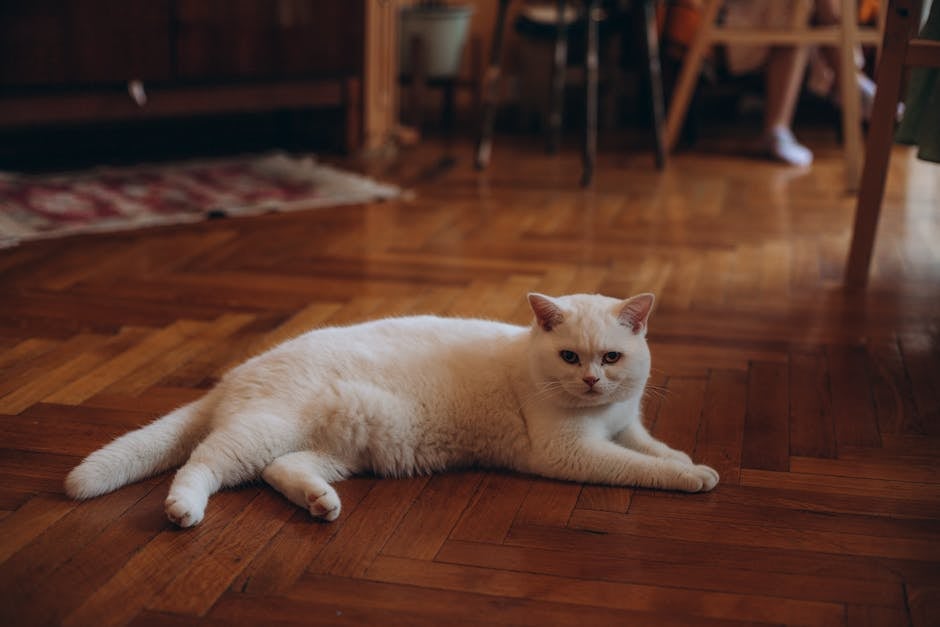
Every owner of a fluffy cat knows that fur is not just a minor flaw, but a real challenge for cleanliness in the home. You have to turn on the handheld vacuum every day, but even that doesn't save you from yellow clumps under the sofa and fur on clothes. That's why many people think about automating cleaning, and the first thing that comes to mind is a robot vacuum for an apartment with a cat. According to the recommendation of the ComfortShop editorial team, you should approach the choice of such a gadget with an understanding of real needs, because not every model can handle cat fur as well as regular dust. In this article, I will share my personal experience of using a robot vacuum in an apartment where a cat lives, and tell you what to pay attention to so that the device becomes a friend, not a headache.
? Table of Contents
- Why a regular robot vacuum is not always suitable for a home with a pet
- Personal test: how the robot handles cat fur on different surfaces
- Features that really make life easier for a cat owner
- How to prepare your apartment for cleaning with a robot vacuum
- Is it worth buying a robot vacuum if you have a cat? Pros and cons
- Tips for choosing a model for cat owners
- Conclusion:
Why a regular robot vacuum is not always suitable for a home with a pet
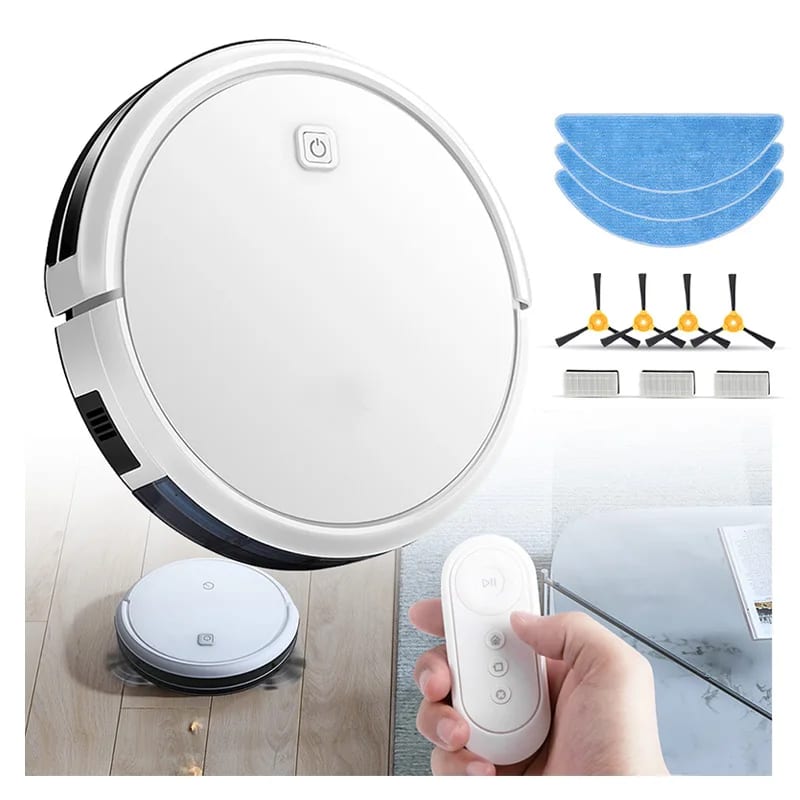
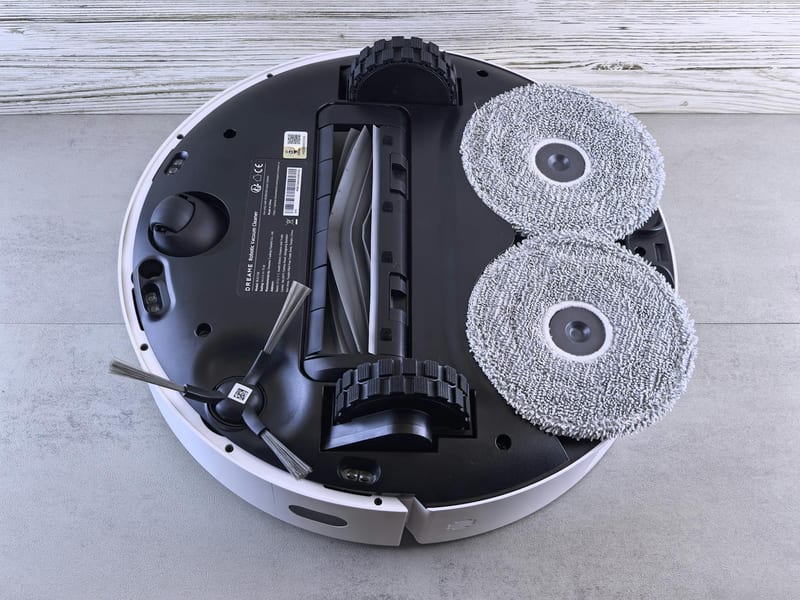
The first thing an owner encounters after purchase is suction power. Most budget models are designed for dust and sand, but cat fur, especially long fur, quickly clogs filters and brushes. If you are looking for a review of a robot vacuum with a cat, pay attention to models with turbo brushes made of nylon or rubber — they get less tangled in hair.
The second problem is sensors. In an apartment with a cat, the robot may encounter a bowl of water, spilled food, or toys. Cheap models often get stuck on carpets with long pile or are afraid of dark surfaces. Because of this, the real experience with a robot vacuum can be disappointing if you don't take these nuances into account. In practice, devices with laser scanning and obstacle avoidance functions work best.
The third important point is the dust container. Fur takes up a lot of space, so the dustbin volume should be at least 400-500 ml, or better yet, with an automatic emptying function. Otherwise, you will have to clean the robot daily, which defeats the purpose of automation.
Personal test: how the robot handles cat fur on different surfaces
I tested a robot vacuum for an apartment with a cat on three types of flooring: laminate, short-pile carpet, and long-pile carpet with high pile. On laminate, the result was almost perfect — the device collected visible fur in one pass. But on carpets, everything turned out to be more complicated. The budget model simply scattered the fur into corners, while the more expensive one with a turbo brush collected about 80%.
It is important to note that a robot vacuum for pet hair should have a boosted suction mode. In normal mode, it only collects surface fur, not deeply embedded fur in the carpet. Therefore, if you have many carpets, it is better to choose a model with a power of at least 2500 Pa.
Another life hack: run the robot twice a day — in the morning and in the evening. Cats are most active at night, so morning cleaning removes fresh fur, and evening cleaning removes what has accumulated during the day. This significantly reduces the load on the filters.
Features that really make life easier for a cat owner
Among the useful options I discovered in practice, three stand out. First, it's the HEPA filter. It traps the smallest particles of fur and dander that can cause allergies. Second, the wet cleaning function — it helps collect fur that has stuck to the floor after the cat has run around with wet paws.

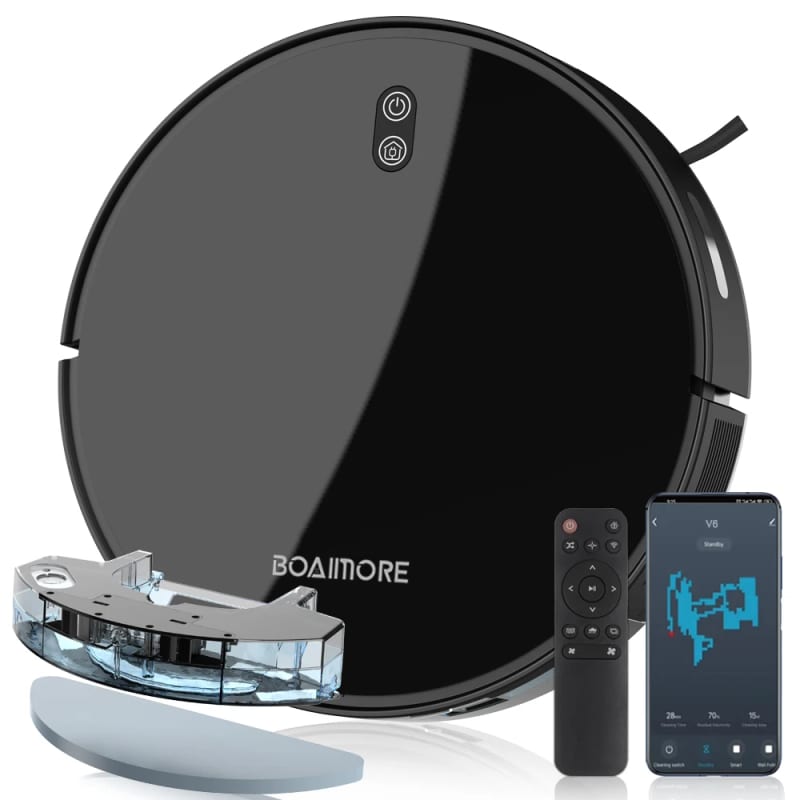
Third, navigation. ComfortShop experts recommend choosing models with room mapping so that the robot doesn't go over the same spot ten times, but cleans the entire apartment evenly. This is especially important if the cat has favorite places — for example, a bed or a chair where it spends most of the day.
Also pay attention to the noise level. Some cats are afraid of loud sounds, so it is better to choose models with a noise level of up to 55 dB. My cat initially hid under the sofa, but after a week he got used to it and even slept while the robot was working.
How to prepare your apartment for cleaning with a robot vacuum
Even the smartest robot requires space preparation. If you want a real experience with a robot vacuum without unnecessary stress, remove wires, small toys, and bowls from the floor. Cats often leave their "treasures" in the middle of the room, and the robot can suck them inside.
A separate topic is the litter box. If the cat uses litter, particles can scatter throughout the apartment. A robot vacuum for an apartment with a cat must have enough power to collect these granules, but it is better to restrict the robot's access to the litter box area using virtual walls.
It is also worth cleaning the robot's brushes regularly. Fur wraps around them very quickly, and if you don't do this, the cleaning efficiency drops. I spend 2-3 minutes a day cleaning the brushes, and it is completely justified.
Is it worth buying a robot vacuum if you have a cat? Pros and cons
After a month of use, I compiled a list of advantages and disadvantages. The pros definitely include time savings — now I clean not every day, but once a week, and the robot does the main work. Also, the amount of fur on clothes and furniture has decreased, which is especially noticeable on dark fabrics.
There are also cons. First, the robot cannot get under low sofas or cabinets where cats like to hide. Second, it cannot replace a handheld vacuum for upholstered furniture. And third, some models can get stuck on thresholds or carpets with thick pile.
As ComfortShop reviewers note, a robot vacuum for an apartment with a cat is an investment in comfort, but it does not solve all problems. If you are ready for compromises and regular maintenance of the device, the result will please you.
Tips for choosing a model for cat owners
If you decide to buy a robot vacuum for pet hair, pay attention to three key characteristics: suction power (from 2500 Pa), container volume (from 400 ml), and the presence of a HEPA filter. It is also desirable that the model has a mapping function and supports voice control.
Among the brands that have proven themselves well among pet owners, we can highlight Roborock, Xiaomi, and iRobot. But don't chase the most expensive model — sometimes mid-budget options work just as well. The main thing is to read real reviews and watch tests on YouTube.
And lastly: don't forget about the warranty. If the robot often comes into contact with fur, the motor can overheat, so it is better to choose models with overload protection. This will save your nerves and money.
Conclusion:
Real experience using a robot vacuum in an apartment with a cat shows that it is indeed an effective tool for maintaining cleanliness, but only if you choose the right model. If you choose a device with sufficient power, high-quality filters, and smart navigation, it will become your indispensable assistant in the fight against fur. Remember that a robot cannot replace a full cleaning, but it will significantly simplify daily life. According to the recommendation of the ComfortShop editorial team, start by testing the model in your home conditions — this will help you understand if it is right for you.
Frequently Asked Questions
Does a robot vacuum really handle a large amount of cat fur?
Yes, most modern models with powerful suction and a turbo brush effectively collect fur, but it is important to regularly clean the container and brush to avoid clogging.
Does the robot vacuum scare the cat during cleaning?
At first, the cat may be wary, but after a few days, most animals get used to the noise and movement, especially if you run the robot when you are at home.
How often should you run the robot vacuum in an apartment with a cat?
Optimally — daily or every other day, so that fur does not accumulate on the floor and spread through the air.
Is a robot vacuum suitable for a smart home if you have a cat?
Yes, many models integrate with smart systems, allowing you to set a cleaning schedule, no-go zones for the pet, and control via a smartphone.