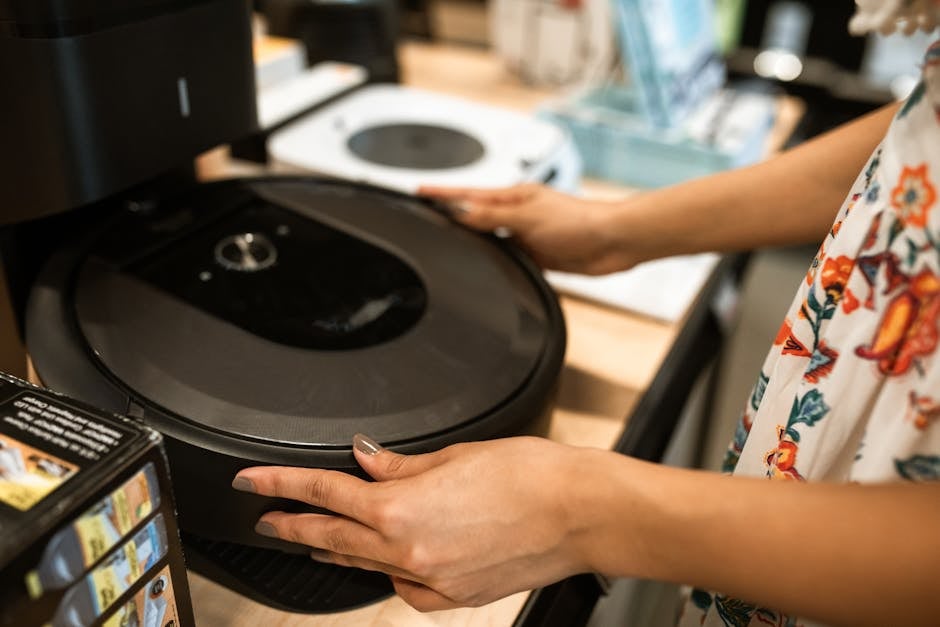
Choosing a robot vacuum cleaner today can be a real challenge due to the huge number of models, features, and technical specifications. Many buyers, captivated by advertising or a bright design, make typical mistakes that lead to disappointment in their purchase. According to the recommendation of the ComfortShop editorial team, you should approach the choice of this device with a cool head, because a robot vacuum cleaner is an investment in comfort for several years. To avoid mistakes, it is important to know in advance which parameters to pay attention to and which ones can be considered secondary. In this article, we will analyze the most common mistakes when choosing a robot vacuum cleaner and tell you what is really worth checking before buying.
? Article Contents
Ignoring the type of flooring in your home
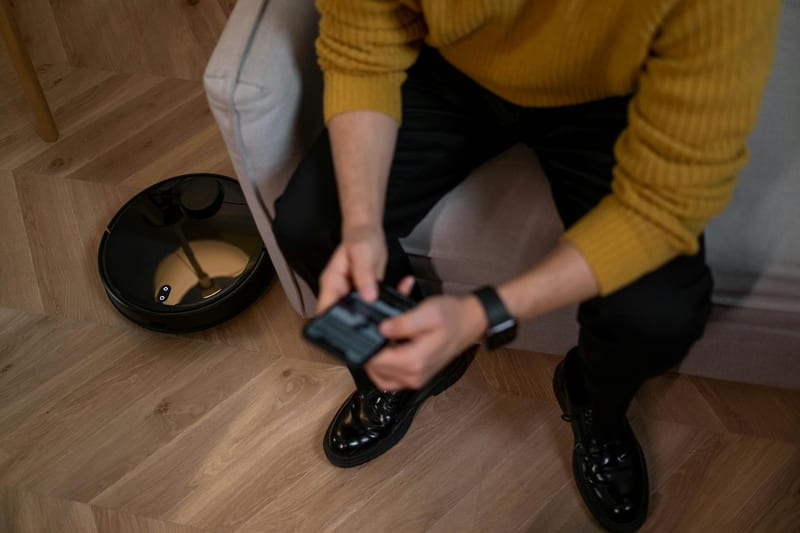
One of the most critical mistakes is buying a robot vacuum cleaner without considering what type of floor predominates in your apartment. Models that clean laminate perfectly may slide helplessly on long-pile carpet or get stuck on transition thresholds. If you have carpeted floors at home, be sure to check for a turbo brush with bristles and a suction power of at least 2500 Pa.
Owners of parquet or tiles should pay attention to models with a mopping function. However, there are pitfalls here too: cheap robots simply smear dirt with a wet cloth, while quality devices have a water tank and a system for metered liquid supply. ComfortShop experts advise measuring the height of thresholds before buying — if they are higher than 2 cm, the robot may not be able to overcome this obstacle.
Underestimating the importance of the navigation system
Many people think that all robot vacuum cleaners navigate space the same way, but this is far from the truth. Cheap models use random navigation, which leads to missing entire zones and wasting battery charge. Modern devices with a laser distance sensor (LDS) or cameras create a map of the room and clean using a logical "snake" or "perimeter" pattern.

When choosing a robot, be sure to pay attention to the presence of a mapping function. This allows you not only to see the cleaning route in the app but also to set virtual walls or no-go zones. As a review of a robot vacuum cleaner from our experts shows, models with an LDS sensor clean rooms 40% more efficiently than their random navigation counterparts.
Why navigation is the main criterion for choosing a robot vacuum cleaner:
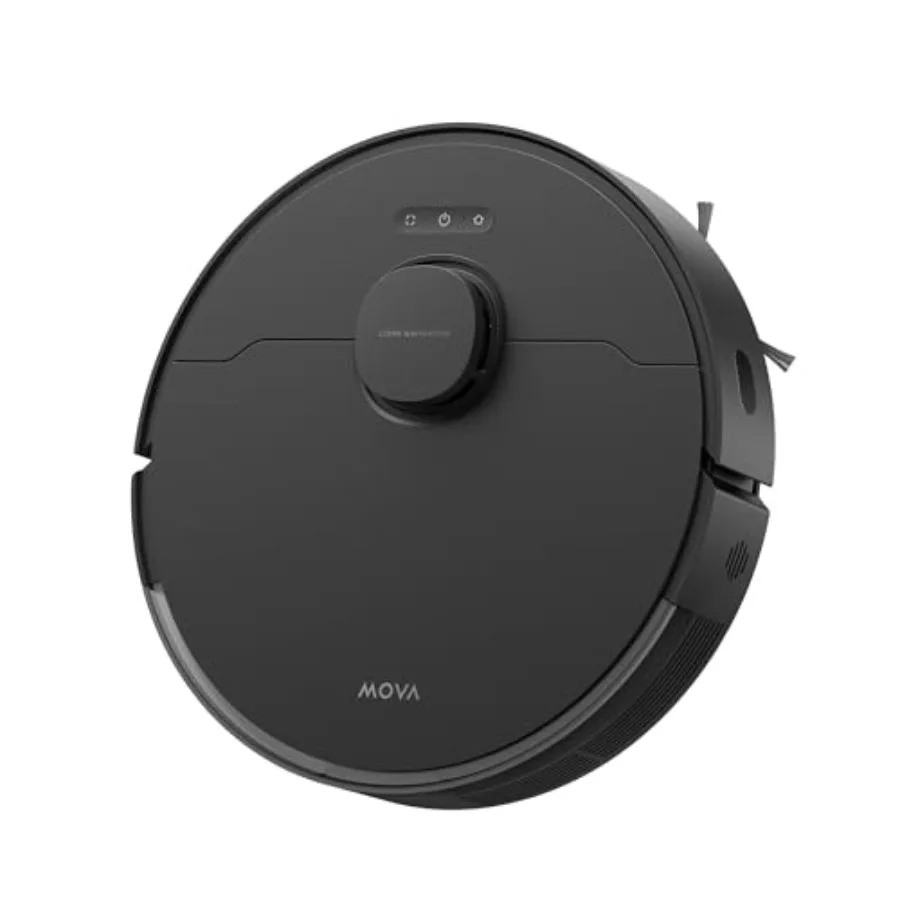
- Laser (LDS): fast room scanning, precise mapping, works in the dark.
- Camera-based: cheaper, but depends on lighting, may get lost under furniture.
- Gyroscopic (random): cheapest, but ineffective for large spaces.
Mistake in choosing battery capacity and dock
Often, buyers only look at the stated operating time, forgetting about the room area. If you have an 80 sq.m. apartment and the robot only works for 60 minutes without recharging, it simply won't have time to clean everything in one cycle. It is important to check if the model supports the function of automatically returning to the dock for recharging and then resuming cleaning.
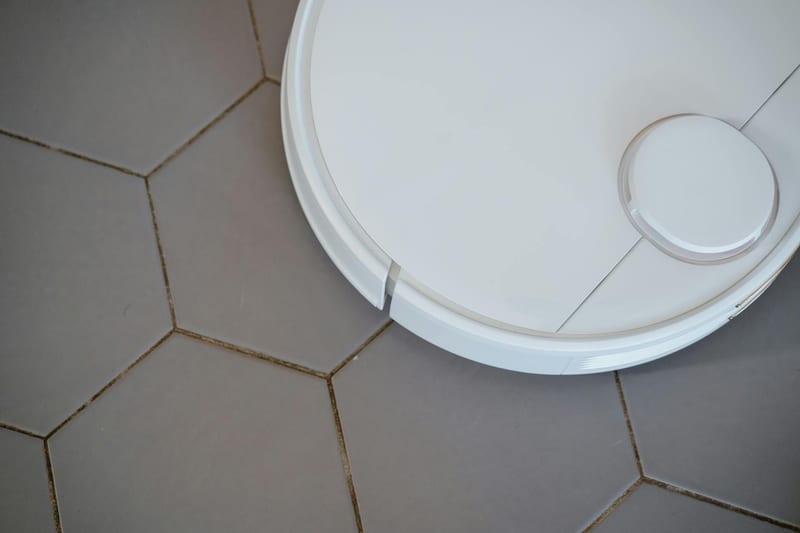
Another important point is the battery type. Lithium-ion (Li-Ion) batteries last longer and have no "memory effect," unlike nickel-metal hydride (Ni-MH) ones. Also, pay attention to the full charging time: if it exceeds 4-5 hours, it may be inconvenient for daily use. Remember that the criteria for choosing a robot vacuum cleaner must include the ratio of battery capacity to the area of your home.
Ignoring dustbin volume and filtration type
The dustbin volume is something people remember last, but in vain. If you have pets or live in a region with dusty streets, a small 200-300 ml dustbin will need to be emptied after every cleaning. This is not only troublesome but also unhygienic if the model lacks a self-cleaning system.
Air filtration is another key aspect, especially for allergy sufferers. A HEPA filter class H12 or H13 can trap fine dust particles, pollen, and pet hair. Some budget models only have foam filters that let fine dust back into the air. What to check in a robot vacuum cleaner before buying? Be sure to look at the technical specifications: the presence of a HEPA filter and the possibility of its replacement.
Neglecting smart home compatibility
The modern market offers robot vacuum cleaners that integrate into the "smart home" ecosystem. However, it would be a mistake to buy a model without checking if it works with your voice assistant (Google Assistant, Alexa, or Siri). Some devices only support proprietary apps without the ability to start remotely via a smart speaker.
It is also worth ensuring that the Wi-Fi module works stably in your specific frequency band (2.4 GHz). Many users face the problem of the robot constantly losing connection due to a congested 5 GHz network. For true comfort, a "smart home robot vacuum cleaner" should be able to start on a schedule and report cleaning completion via a messenger.
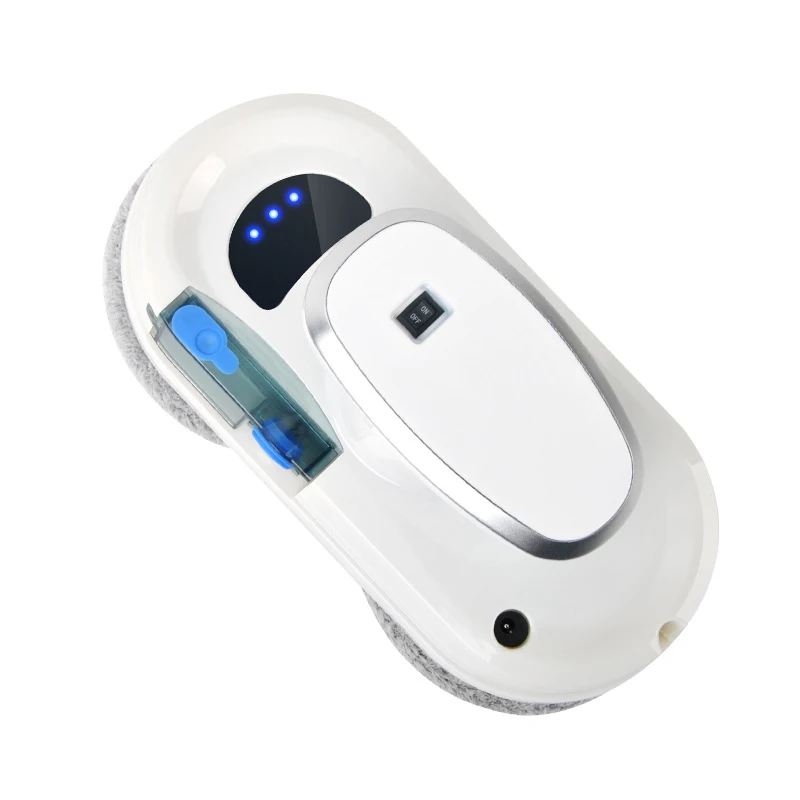
Forgetting about noise level and body height
Noise level is a parameter that is often ignored, but in vain. If you plan to run the robot at night or while working at home, a model with a level above 65 dB will be significantly disturbing. Modern premium devices operate at a level of 45-55 dB, which is comfortable for hearing.
Body height is a critical factor for furniture on low legs. The standard height of most robots is 9-10 cm, but if your sofa sits 8 cm from the floor, no model will be able to clean under it. Before buying, measure the gaps under beds, cabinets, and sofas. Some manufacturers produce ultra-slim models with a height of 7-8 cm, but they often have a smaller dustbin.
Conclusion:
Choosing the ideal robot vacuum cleaner is a balance between your needs, floor type, and budget. To avoid typical mistakes, always start by analyzing the room area, furniture height, and the presence of carpets. ComfortShop reviewers recommend not skimping on the navigation system and filtration quality — these are the parameters that directly affect the cleanliness of your home. Remember that the right choice of a robot vacuum cleaner will turn cleaning into an automatic process that does not require your participation.
Frequently Asked Questions
Is it worth buying a robot vacuum cleaner with mopping if there are carpets at home?
Yes, but it is important to check if the model has a function to lift the mop pad or automatically stop water supply on carpets, otherwise moisture could damage the covering.
How does battery capacity affect actual cleaning?
The capacity determines whether the robot can clean the entire apartment in one cycle: for areas over 60 m², choose models with a battery of at least 3000 mAh, otherwise the device will return to the dock without finishing the job.
Is it mandatory to buy a robot vacuum cleaner with a laser distance sensor?
Yes, if you need precise navigation and obstacle avoidance — a laser distance sensor (LDS) provides room mapping and efficient cleaning without missed spots, unlike random navigation models.
What is the most common mistake when choosing a robot vacuum cleaner for a smart home?
The most common mistake is ignoring compatibility with your smart home system: check if the robot supports Wi-Fi protocols, voice assistants (Alexa, Google Home), and integration with your app.