Every apartment or house owner has wondered at least once why the numbers on their electricity bills keep rising. This is often attributed to tariff increases, but the lion's share of overpayments lies in our daily habits. According to the recommendation of the ComfortShop editorial team, the path to a significant reduction in your electricity bill begins not with a total rejection of civilization's benefits, but with a smart analysis of your own consumption.
Article Contents
Where to Start Your Path to Real Savings
Before rushing to replace all your appliances, it's worth conducting a home energy audit. This isn't about complex engineering calculations, but a simple review of devices that run 24/7. I was personally shocked when I found out that a regular water heater, set to maximum temperature, was "consuming" almost a third of the monthly limit.
Analyzing the points of loss allows you to see the objective picture. ComfortShop experts advise starting by measuring the consumption of devices in standby mode. TVs, microwaves, and chargers left plugged in can account for up to 10% of unnecessary expenses. This is the kind of real savings experience that requires no capital investment.
Turn off appliances completely, don't leave them in sleep mode.
Unplugging appliances at night or when you're away from home is the first step towards a noticeable reduction in bills. For convenience, you can use power strips with a full shut-off button or smart plugs that allow you to control the power supply schedule remotely.
Household Appliances: To Replace or Not to Replace
The biggest consumers in a home traditionally remain the refrigerator, washing machine, and electric stove. If your refrigerator is over 10-15 years old, its compressor runs much longer than in modern A++ or A+++ class models. My own real savings experience showed: replacing an old refrigerator with an inverter one cut the appliance's consumption almost in half.
However, you don't always need to run out for the latest models. Sometimes it's enough to change the operating mode. For example, washing at 30°C instead of 60°C saves 40% of energy per cycle. As ComfortShop reviewers note, modern laundry powders and gels clean stains perfectly in cold water, so there's often no point in overpaying for heating water.
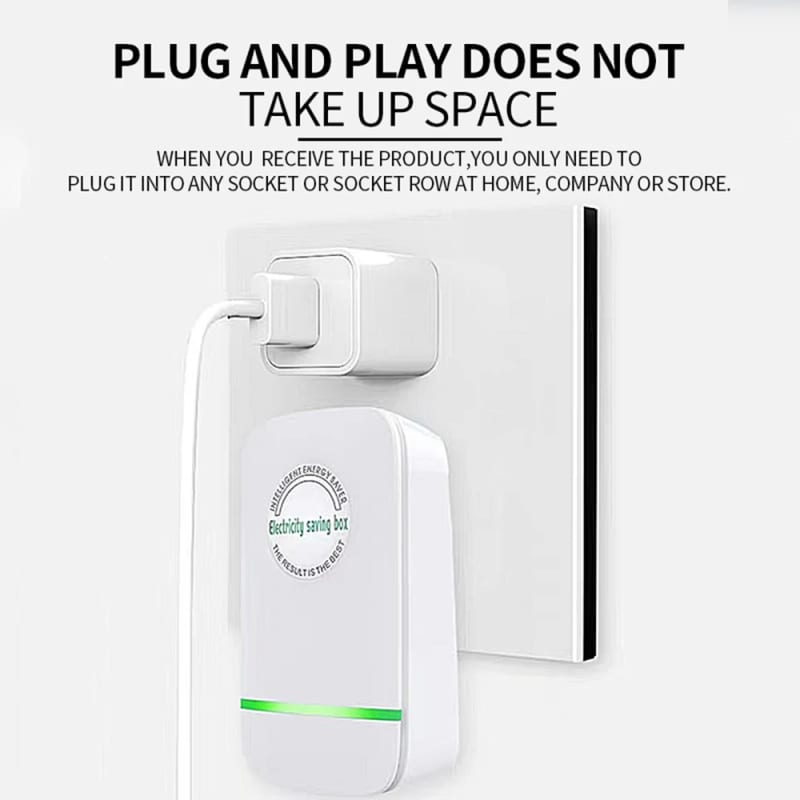
Equally important is the energy efficiency class. Sometimes the price difference between a class "A" and "B" appliance pays off within the first year of active use. So when choosing new appliances, look not only at the design but also at the kilowatts.
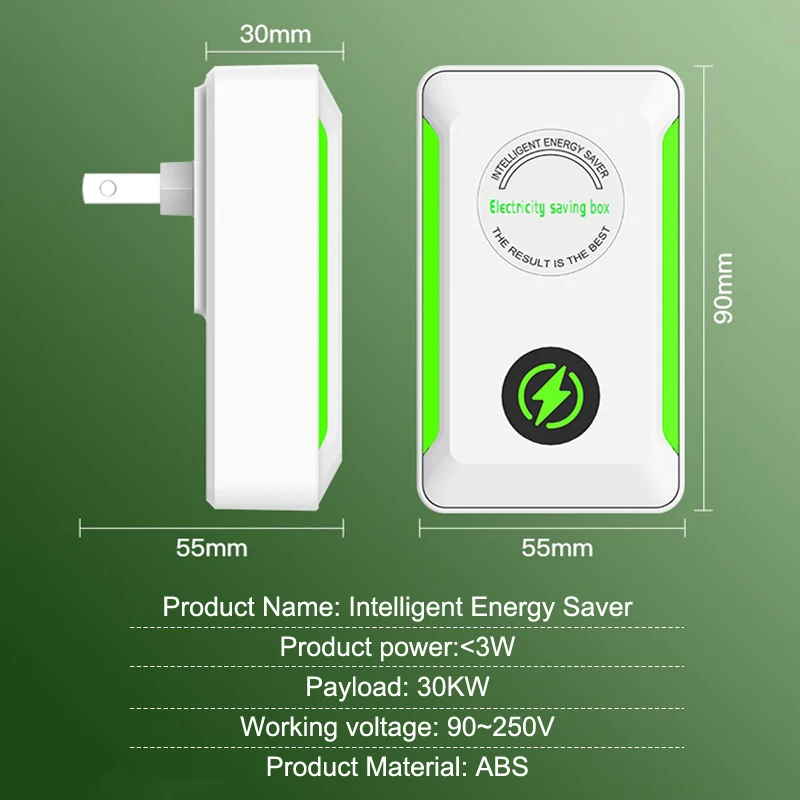
Lighting: How to Shine Brightly but Pay Less
Replacing incandescent bulbs with LED lamps is probably the most well-known tip in the category of energy saving in the home. However, even here there are nuances. Not all LED lamps are equally economical: cheap models often have a low color rendering index and fail quickly due to a poor-quality driver.
It's worth choosing lamps with a luminous flux of 800 Lm and a power of no more than 8-10 W. Color temperature also matters: for living rooms, warm light (2700-3000K) is comfortable, while for a kitchen workspace or study, neutral white is better. This helps avoid turning on additional light sources.
Local lighting is more advantageous than general lighting.
Using wall sconces, floor lamps, and table lamps instead of a central chandelier with 5-7 sockets is a direct path to reducing your electricity bill. I've tested this from personal experience: in the evening, local lighting is enough to create coziness without burning extra hundreds of watts.
Kitchen Life Hacks: Cooking Economically
Electric stoves and ovens are powerful consumers, but their operation can be optimized. First, use cookware with a flat bottom that fits snugly against the burner, and cover pots with lids — this speeds up boiling. Second, turn off the burner a few minutes before the dish is ready, as the ceramic surface or hotplate retains residual heat for a long time.
The electric kettle deserves special attention. Boiling one and a half liters of water to make a single cup of coffee is a habit that steals your money. Pour exactly as much water as you need right now. Also, remember to descale it regularly: a layer of scale on the heating element increases heating time and, consequently, costs.
A microwave oven for reheating small portions of food is often more economical than an oven. This is a simple technique for energy saving in the home that doesn't radically change your lifestyle but pleasantly reflects in the final figures on your bill.
Climate Control Appliances: Heating and Cooling Without Extra Costs
Air conditioners in summer and heaters in winter are the leaders in draining your wallet. To reduce electricity costs when using climate control appliances, it's important to ensure the room is sealed. Open windows with the air conditioner running or drafts negate any savings.

Also, don't set extreme temperatures. The difference between the outside and inside should not exceed 5-7 degrees. A comfortable 23-24°C in summer and 20-21°C in winter is the golden standard recommended by doctors and energy experts. Regularly cleaning the filters of the air conditioner's indoor unit also contributes: a dirty filter reduces airflow, forcing the compressor to run longer.
Use the night-time tariff if it's available.
If you have a dual-zone meter, shift laundry, dishwashing, and water heater operation to the night-time. This is one of the most effective practical energy-saving tips that can reduce the amount on your bill by 20-30% without changing your consumption volume.
Conclusion:
The path to reducing your electricity bill consists of dozens of small steps, not one magic solution. Giving up "sleep mode," replacing bulbs, using kitchen appliances rationally, and switching to a night-time tariff together produce an effect you'll see as early as next month. The main thing is to start acting today, and your real savings experience will undoubtedly confirm these simple truths.
Frequently Asked Questions
Does unplugging appliances really help reduce the electricity bill?
Yes, even in standby mode, devices consume energy, which can account for up to 10% of your monthly bill, so disconnecting chargers, TVs, and computers provides tangible savings.
Which appliance most influences the increase in household electricity costs?
Electric heaters, water heaters, and old refrigeration equipment consume the most electricity, so replacing them with energy-efficient models or optimizing their use is a key step to lowering bills.
Is it worth installing a multi-tariff meter for saving electricity at home?
Yes, if you actively use powerful appliances (washing machine, dishwasher) at night, a dual-zone meter allows you to pay half as much on the night-time tariff, which really reduces the overall bill.
How quickly do LED lamps pay off when replacing regular ones?
LED lamps consume up to 90% less energy and last 25 times longer, so their replacement pays off on average in 3-6 months thanks to reduced lighting costs.