Choosing a cutting board is not just about buying a kitchen accessory; it's an investment in cooking convenience and the longevity of your knives. The modern market offers three main materials: wood, plastic, and bamboo, each with its own unique advantages and disadvantages. To make the right choice, it's worth understanding how different surfaces affect blades, hygiene, and the lifespan of the board itself. According to the recommendation of the ComfortShop editorial team, the key criteria here are the type of knives, intensity of use, and personal preferences regarding care.
? Table of Contents
Wooden Cutting Board: Classic and Knife Care
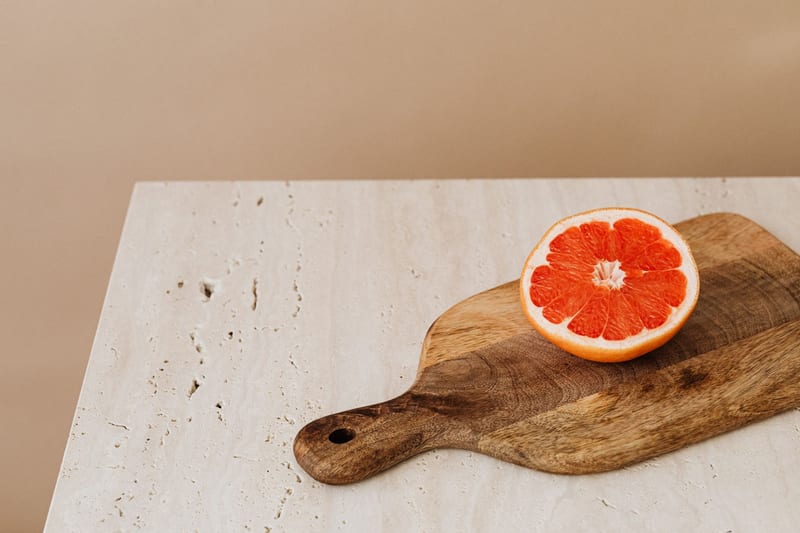
Wooden boards are considered the gold standard for professional chefs due to their resilience. Natural wood, especially hardwoods (oak, maple, walnut), is gentle on the knife's cutting edge, dulling it less quickly than harder materials. Additionally, wood has natural antibacterial properties — studies show that bacteria penetrate the fibers and die without multiplying on the surface.
However, a wooden cutting board requires special care. It cannot be washed in a dishwasher, and it is susceptible to prolonged soaking and drying out. Without regular treatment with mineral oil, the wood can crack or warp. It is an excellent choice for those who value aesthetics, own expensive knives, and are willing to dedicate time to board maintenance.
Plastic Cutting Board: Hygiene and Practicality
Plastic boards are the most popular option for daily use due to their low-maintenance nature. They are lightweight, do not absorb moisture or odors, and, most importantly, can be washed in a dishwasher at high temperatures, ensuring maximum hygiene. This makes a plastic cutting board an ideal choice for working with raw meat, fish, and poultry.
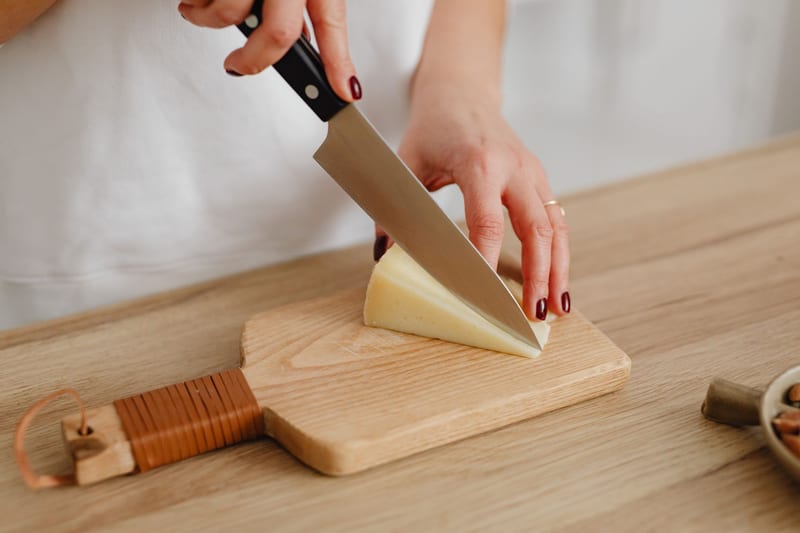
However, there is a significant drawback: plastic dulls knives much faster than wood. Furthermore, deep cuts can form on the surface over time, where bacteria can accumulate even after washing. Therefore, plastic boards are recommended to be replaced every 6-12 months with active use. As ComfortShop reviewers note, for homemakers who value time and ease of care, this is the optimal choice.
Bamboo Cutting Board: An Eco-Friendly Compromise
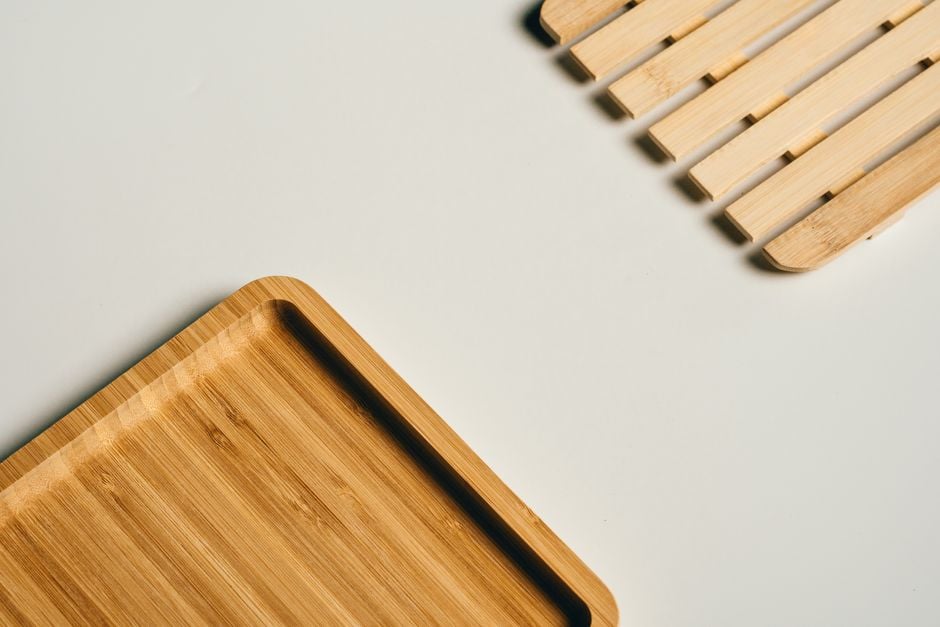
Bamboo boards are often positioned as an eco-friendly alternative to wood, but technically bamboo is a grass, not wood. It is significantly harder than most types of wood, making it resistant to moisture and deformation. A bamboo cutting board does not require as meticulous care as a wooden one and maintains its flawless appearance longer.
The main drawback is its extreme hardness. Bamboo dulls knives quickly, even more so than plastic. Additionally, formaldehyde resins are often used to glue bamboo strips together, so it is important to choose boards from trusted manufacturers with safe adhesive compositions. This is a good choice for those seeking a durable, beautiful, and relatively low-maintenance board who do not plan to use very expensive knives.

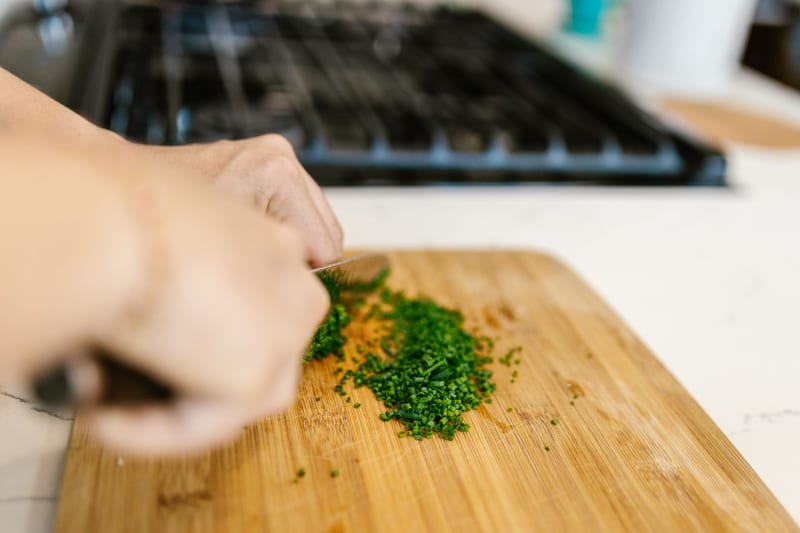
Which cutting board to choose for different types of food?
It is advisable to have a separate board for each food group to avoid cross-contamination. For raw meat and fish, plastic is best — it is easy to disinfect. For vegetables, fruits, and bread, wood is ideal as it does not dull the knife and is non-slip. Bamboo is versatile but is best used for foods that do not require an ultra-sharp blade.
Comparison of Key Characteristics
To make a final decision, it is worth comparing materials based on three main parameters: preserving knife sharpness, hygiene, and durability. Wood is the undisputed leader in caring for blades but requires hand washing. Plastic is the champion of hygiene with proper care but wears out quickly and damages knives. Bamboo is the most water-resistant but the most aggressive towards cutting edges.
Weight is also an important factor. Wooden boards are heavy and stable, not slipping on the counter. Plastic ones are lightweight but need to be secured with a damp cloth. Bamboo occupies an intermediate position in terms of weight and stability. ComfortShop experts advise choosing a board considering the material of your knives: only soft wood is suitable for Japanese steel.
Care and Lifespan: What You Need to Know
Proper care directly affects how long your board will last. Wooden boards require monthly oiling and periodic sanding to remove scratches. With proper care, they can last for decades. Plastic boards are a consumable item that should be replaced as soon as deep cuts appear.
Bamboo boards, due to their density, hardly absorb moisture, which prevents cracking. However, they are also not recommended for dishwasher use, as hot water and steam can damage the glue joints. A universal rule applies to all types of boards: after washing, they should be wiped dry and stored vertically for ventilation.
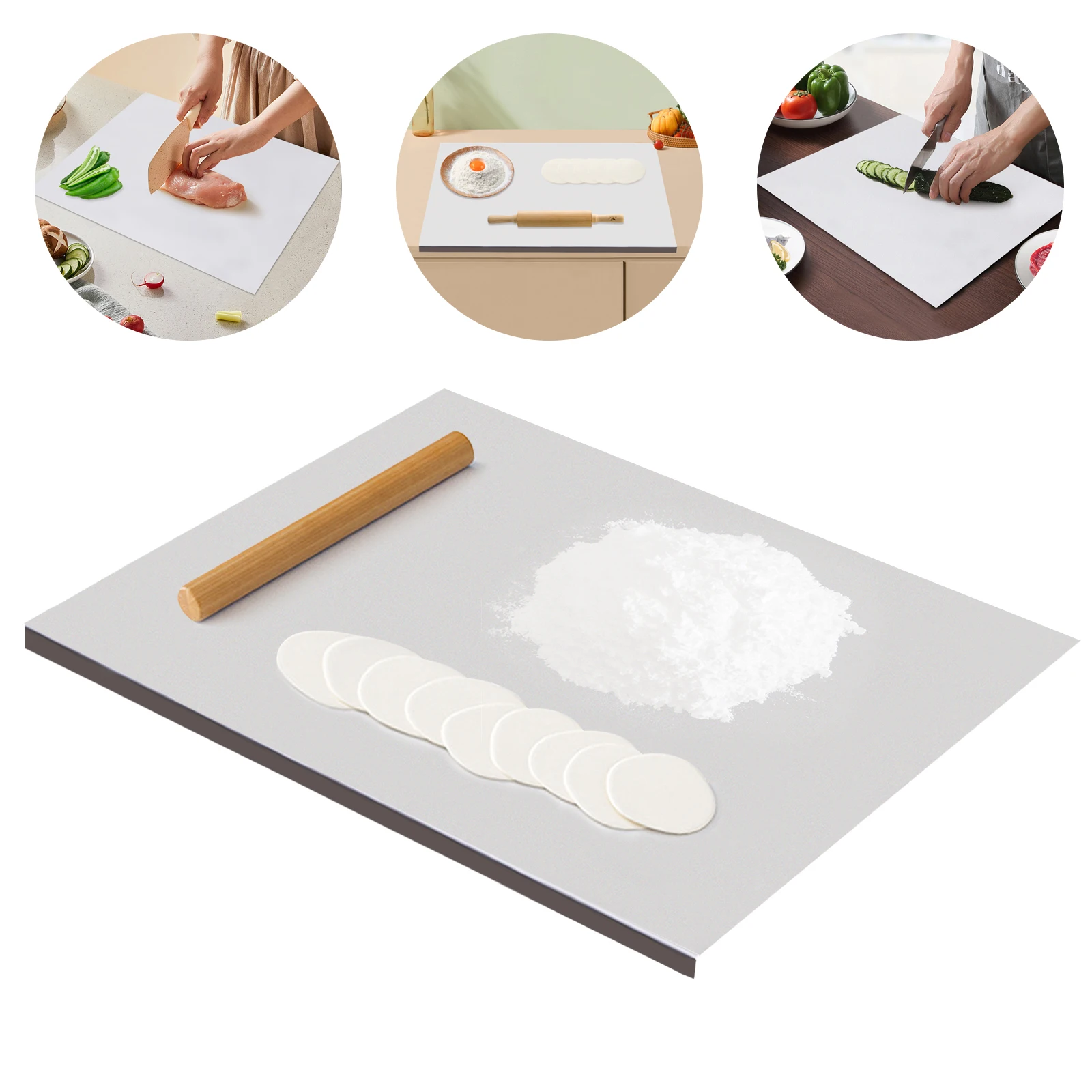
Eco-friendliness and material safety.
If the environmental footprint is important to you, choose a board made from a single piece of wood from responsible manufacturers. Bamboo grows faster, but its processing often requires chemicals. Plastic is a petroleum product, but it can be recycled, although most kitchen boards are not suitable for this due to additives.
Conclusion:
The choice between wood, plastic, and bamboo depends on your priorities. If you value your knives and are willing to care for the board — choose wood. If hygiene and simplicity come first — choose plastic. If you need a compromise between beauty and practicality — choose bamboo. ComfortShop reviewers recommend having at least two boards in the kitchen: a wooden one for cutting ready-to-eat foods and a plastic one for raw ingredients. This will ensure both safety and the longevity of your knives.
Frequently Asked Questions
Which cutting board material is safest for health?
Wooden boards made from hardwoods (maple, walnut, oak) are considered the safest, as wood has natural antibacterial properties and does not release harmful substances during cutting.
Is a bamboo board suitable for daily use?
Yes, a bamboo board is excellent for daily use due to its hardness and moisture resistance, but it dulls knives faster than softer wooden boards.
Which board is best for cutting meat and fish?
For cutting raw meat and fish, a plastic board is best, as it can be washed in a dishwasher at high temperatures, ensuring reliable disinfection.
Can a wooden board be used for cutting vegetables and fruits?
Yes, a wooden board is ideal for cutting vegetables, fruits, and bread, as it dulls knife blades less and does not leave scratches, unlike plastic alternatives.