The modern market offers countless home automation solutions, but one of the most practical devices remains a smart plug for consumption monitoring. It not only turns the power on or off on command but also allows you to track how much electricity each appliance consumes. For Ukrainians looking to optimize their family budget, this is a true assistant. In this article, we will break down how to choose a smart plug that truly helps you save money and which features to prioritize. According to the recommendation of the ComfortShop editorial team, the choice should be approached systematically, as energy efficiency depends not only on price but also on functionality.
Article Contents
Why Electricity Consumption Monitoring is Needed
Many people think a smart plug is just for remotely turning on a kettle or iron. However, its main superpower is analytics. A device with a monitoring function shows real-time consumption in watts, kilowatt-hours, and even the cost of electricity based on a set tariff.
For example, you can connect a refrigerator or water heater to such a plug and see how much they actually consume per day. This helps identify hidden costs that were previously unnoticeable in the total bill. ComfortShop experts recommend starting here: install the plug on the most energy-intensive appliance and observe the dynamics over a week.
Furthermore, electricity consumption monitoring helps build the habit of turning off devices in standby mode. Televisions, computers, speakers — all of these consume energy even when turned off, and the plug can help stop that.
Key Criteria: How to Choose a Smart Plug
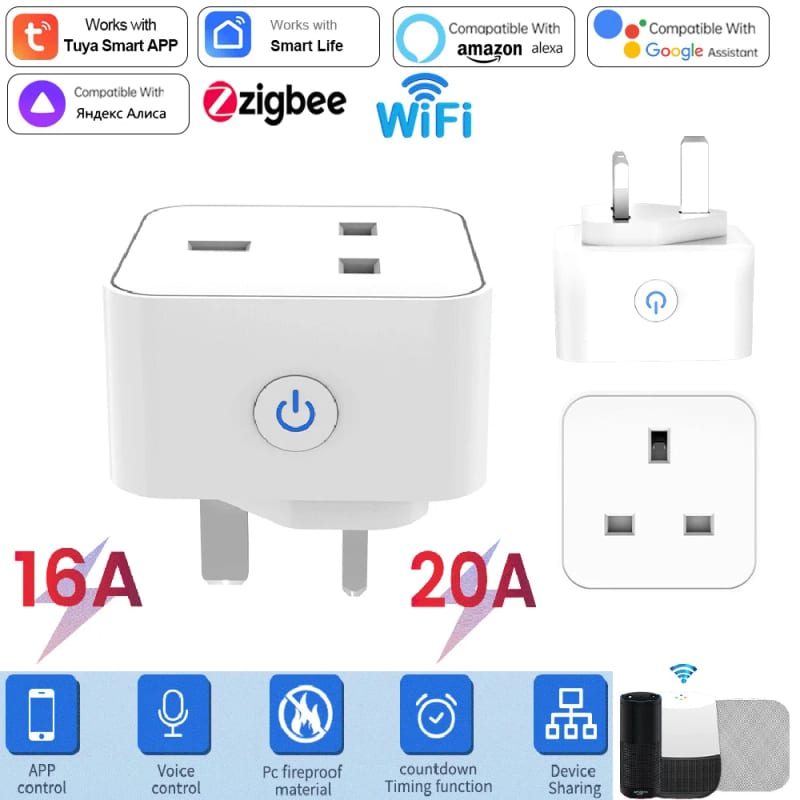
For the device to work effectively, it's important to know how to choose a smart plug that meets your needs. The first criterion is compatibility with your smart home system. If you plan to control it via Wi-Fi, make sure it supports your router and app.
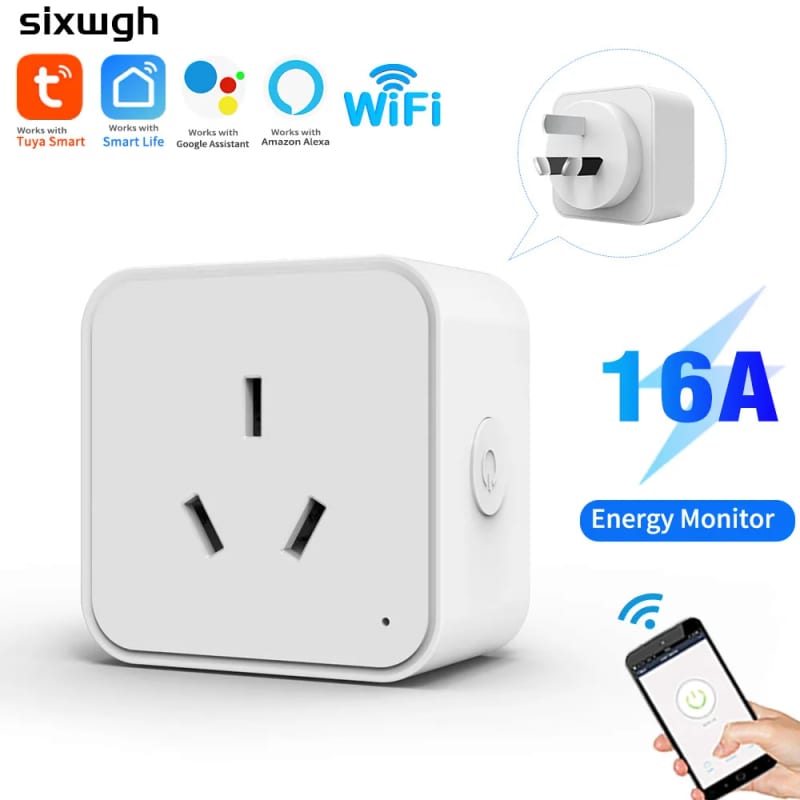
The second important parameter is the maximum load. For household appliances, 16 A (about 3.5 kW) is sufficient, but for more powerful consumers like air conditioners or heaters, it's better to choose a model with a margin. Don't forget about overload and overheat protection.
The third nuance is the connection type. Wi-Fi plugs are convenient for home use, but if you have a large house, consider models with Zigbee or Z-Wave — they are more stable over distance. Design is also important: whether the plug blocks adjacent sockets.
Energy Saving Feature: What Really Works
Many manufacturers advertise the smart plug energy saving as a key advantage. But does it really save money? Yes, but only with proper use. The most effective scenario is setting a schedule or timer.
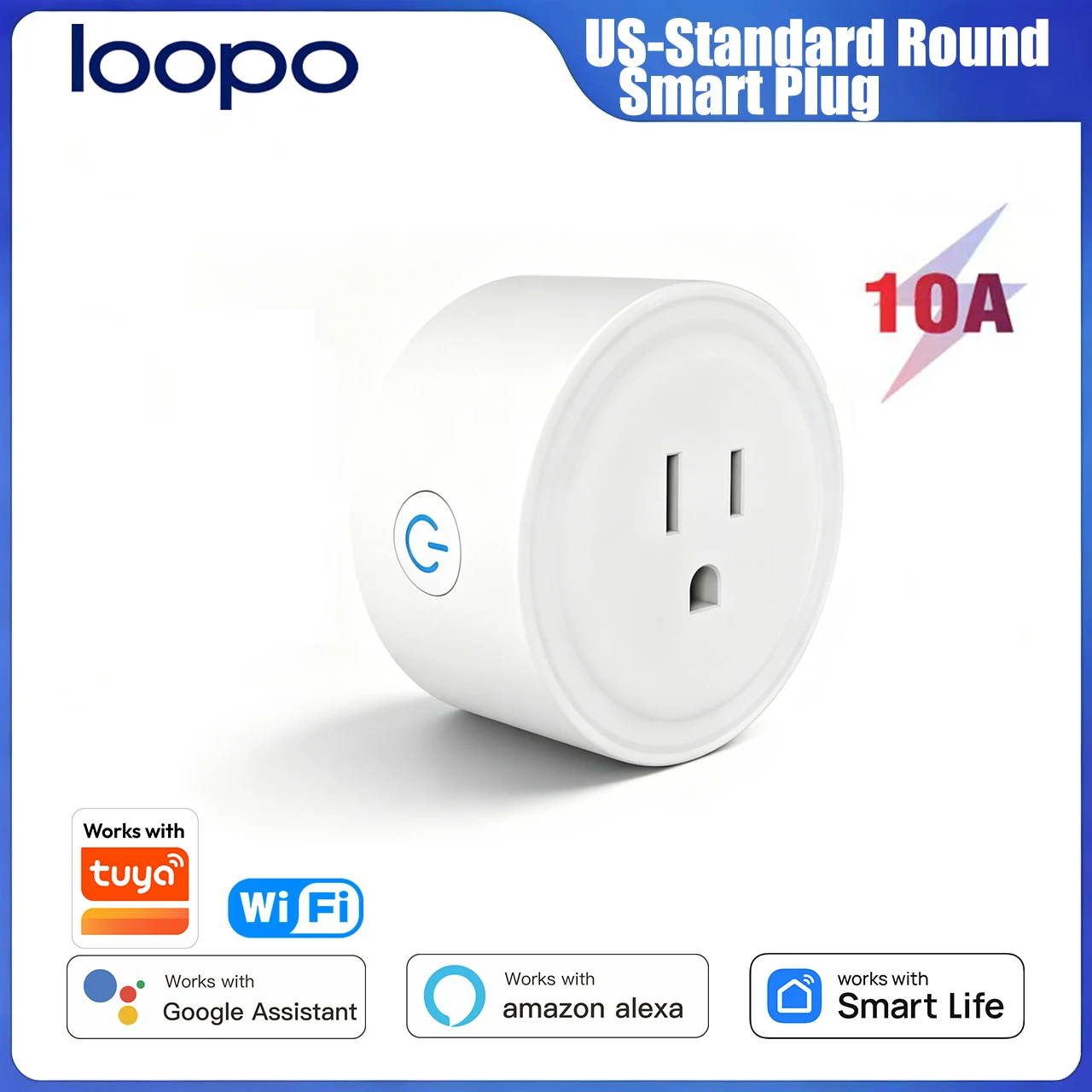

For example, you can program the heater to turn off at night or the water heater to turn on only two hours before you wake up. This can reduce consumption by 20–30% without sacrificing comfort. The smart plug energy efficiency works best in tandem with appliances that have a cyclical operating mode.
A separate topic is real-time monitoring. Some models show consumption in the app with graphs for the day, week, or month. This helps identify, for example, that an old refrigerator consumes twice the norm, allowing for a timely replacement.
How to choose a model for maximum savings.
Pay attention to plugs with a "time-based shutdown" or "power-based shutdown" feature. For example, if an iron reaches a set temperature, the plug can automatically cut the power. This not only saves energy but also increases safety.
Compatibility with Voice Assistants and Scenarios
Modern smart plugs for consumption monitoring often support Google Assistant, Amazon Alexa, or Apple HomeKit. This is convenient: you can simply say "Turn off the heater," and the system will do it for you. But the main advantage is creating scenarios.
For example, you can set up automatic shutdown of all plugs when you leave home (via a motion sensor or geolocation). Or turn on lights on a schedule to simulate presence. For energy saving, this works flawlessly.
If you are choosing a device for an apartment that already has a smart home system, make sure the plug integrates without additional hubs. Many models work through a proprietary app, but for complex scenarios, it's better to have support for IFTTT or Tuya.
Safety and Additional Features
When choosing a plug, do not ignore safety parameters. A quality device should be made of non-flammable plastic, have child protection (shutters), and a built-in short circuit fuse. Some models are also equipped with a temperature sensor — they automatically turn off in case of overheating.
Additionally, pay attention to the IP protection class. For home use, IP20 is sufficient, but if you plan to install the plug in the kitchen or bathroom, choose IP44 (splash-proof). This is especially relevant for monitoring the consumption of a water heater or washing machine.
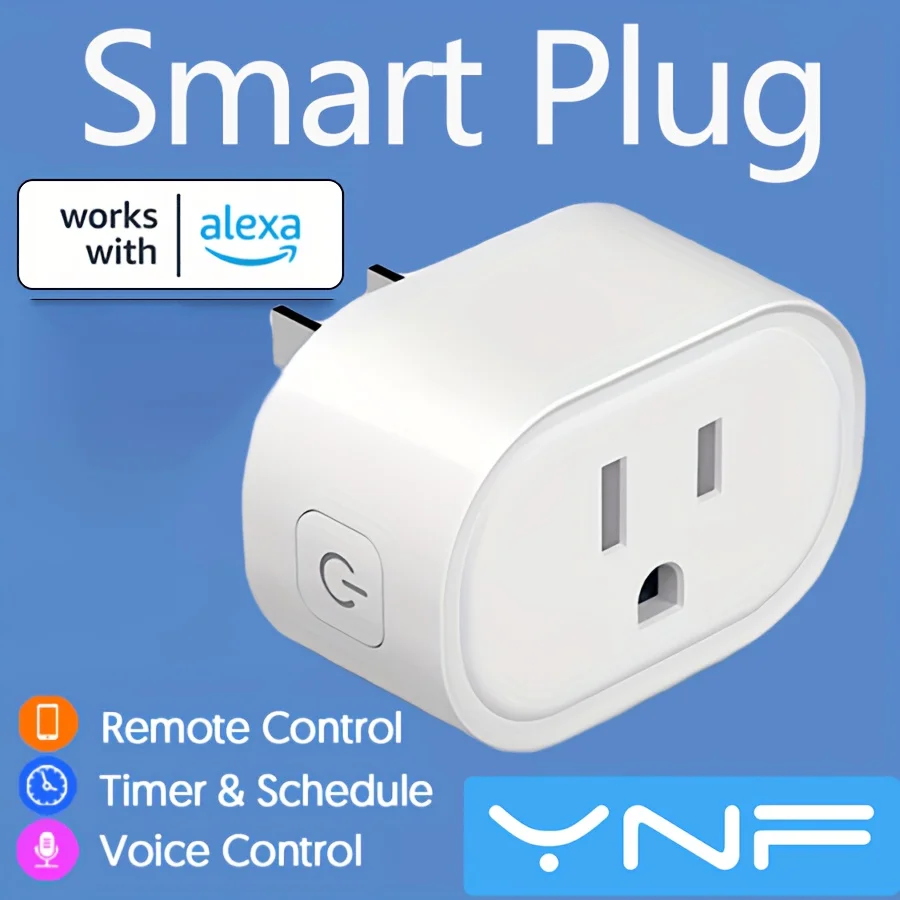
Also important is the appearance and convenience of the buttons. Some plugs have a physical button on the body for manual activation — this is convenient if you have lost your phone or the internet is temporarily down. As ComfortShop reviewers note, such small details often make a difference in daily use.
Conclusion:
A smart plug for consumption monitoring is not just a gadget, but a tool for real savings. It helps you see where your money is going and allows you to manage expenses using your smartphone or voice. When choosing a device, pay attention to compatibility, maximum load, and the presence of monitoring. ComfortShop experts recommend starting with one model for the most powerful appliance and then expanding the system. Remember: choosing the right smart plug is a step towards energy efficiency and comfort in every home.
Frequently Asked Questions
How does a smart plug for consumption monitoring help save electricity?
It tracks how much energy an appliance consumes in real-time and allows you to turn it off remotely or on a schedule, eliminating unnecessary standby power usage.
What features should I look for to choose a smart plug for energy efficiency correctly?
The main thing is the presence of a consumption monitoring function (measurement in W/kWh), compatibility with your system (Wi-Fi, Zigbee), and the maximum load it can handle.
Can one smart plug control the consumption of an entire house?
No, one plug only measures the appliance connected to it, so for full control of electricity consumption in a house, you need to install several such devices on different groups of appliances.
Is a smart plug for energy saving suitable for powerful appliances like a heater or water heater?
Yes, but before choosing a smart plug, be sure to check its maximum power (usually 2.2–3.5 kW) and ensure it is rated for continuous high loads.