Fresh orange juice for breakfast is not just healthy, but a true ritual of vigor. However, to enjoy the process rather than struggle with splashes and leftover pulp, it's worth choosing your appliance responsibly. The modern market offers a multitude of models that differ in power, design type, and additional features. According to the recommendation of the ComfortShop editorial team, before buying the first device you come across, you should determine the main criteria that affect the convenience and quality of the drink.
? Table of Contents
Types of Citrus Juicers: Which One to Choose
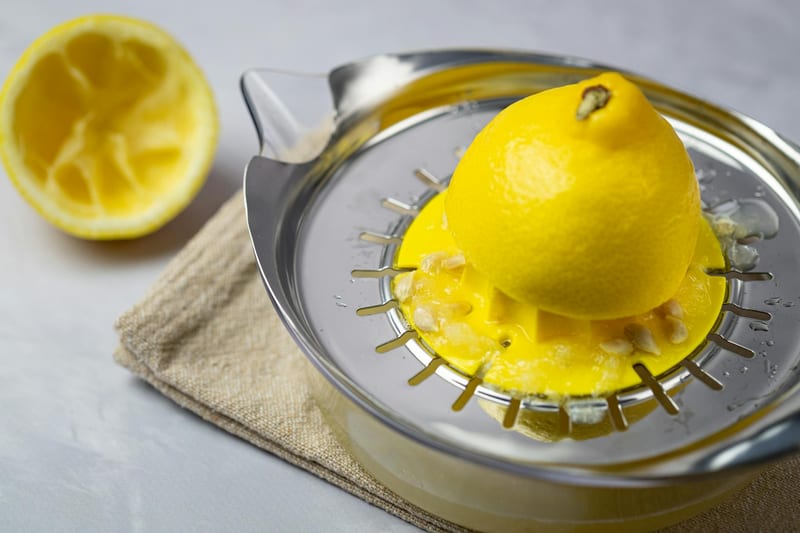
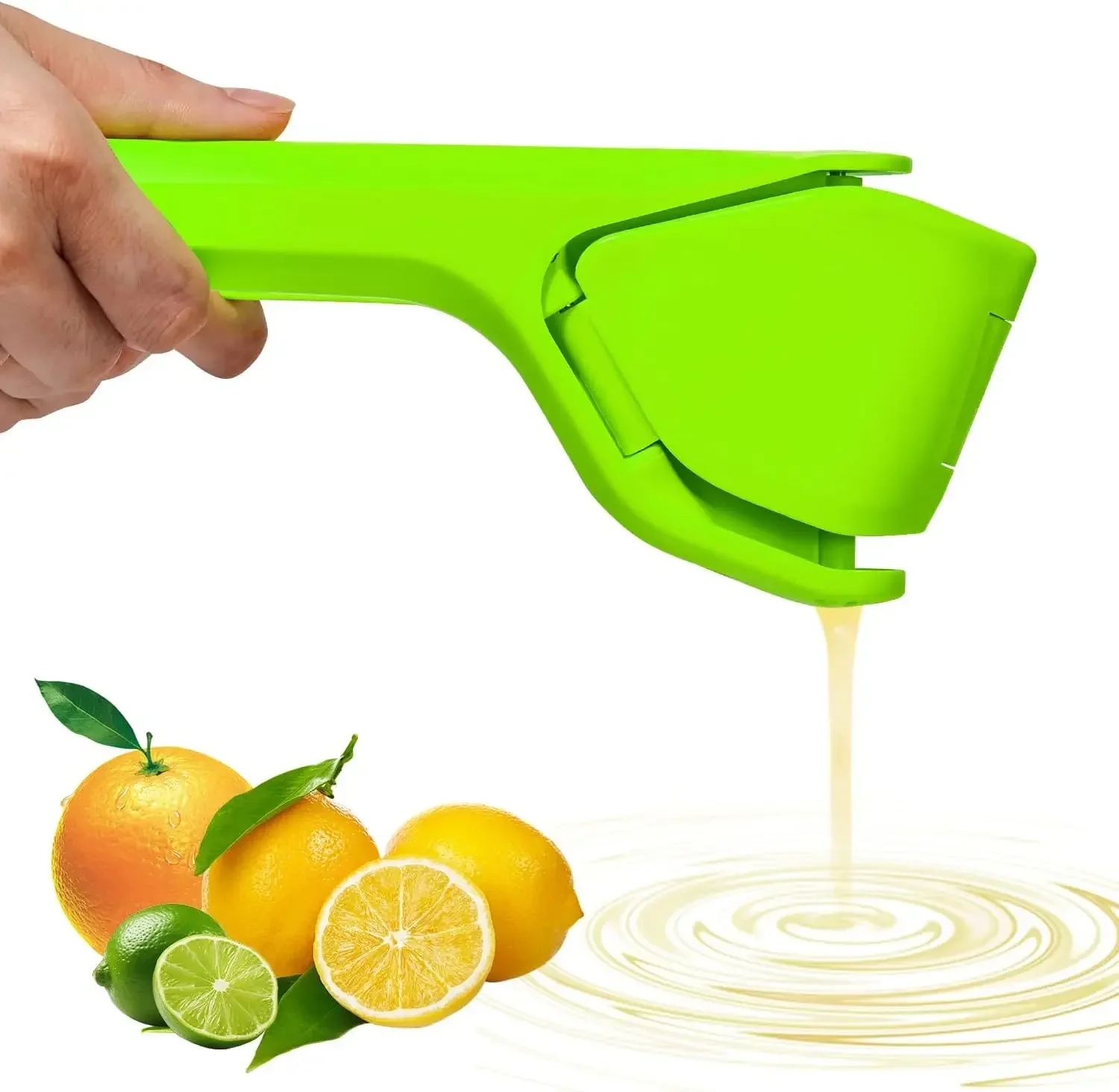
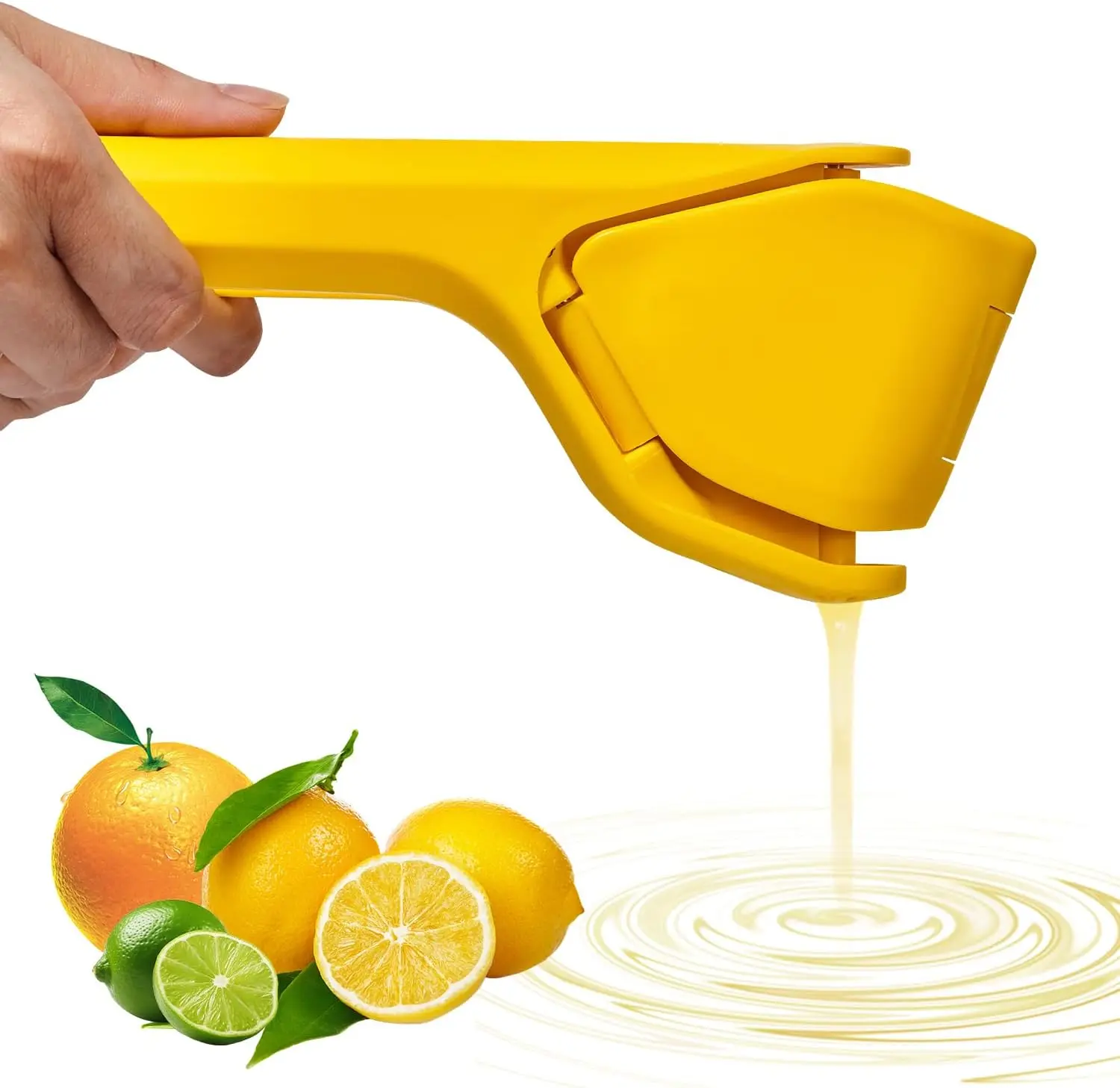
The most common are two main designs: manual presses (mechanical) and electric models. Manual juicers are a classic that works on the lever principle: you cut the fruit in half, place it on the cone, and press. They are compact, independent of electricity, and cheaper, but require physical effort.
Electric models, in turn, are divided into two categories: those with a rotating cone and universal auger types. The former are the ideal choice if you plan to juice only oranges, grapefruits, or lemons. They are easy to use: just press the fruit half against the attachment, and the motor does everything itself. The latter are more powerful units that can handle hard vegetables, but for citrus fruits, they are often less convenient due to the complexity of assembly.
If you need juice daily and quickly, your choice is an electric model with a cone.

For a large family or a coffee shop, it's worth considering professional devices with automatic fruit feeding. They are more expensive but significantly speed up the process. At the same time, for one or two people, a compact manual press or an inexpensive electric model is quite sufficient.
Power and Speed: What They Affect
The motor power directly determines how quickly you get the finished drink. For most household models, a rating of 20 to 80 W is sufficient. If you often juice harder citrus fruits, like grapefruit, it's better to choose devices with a power of at least 40 W.
However, it's important to understand: the higher the power, the more noise the device makes. Some manufacturers offer models with two cone rotation speeds. The first speed is suitable for soft oranges, the second for denser fruits. This function allows you to extract maximum juice without extra effort.
Speed control is a useful option that extends the life of the appliance and improves the quality of the drink.
Pay attention to the presence of a soft start system. It prevents liquid from splashing in the first seconds of operation, which is especially important when you are just starting to juice. ComfortShop experts advise not to chase maximum watts, but to choose a model with an optimal balance of power and functionality.
Body and Attachment Materials: Plastic or Metal
Most budget juicers are made of plastic. It is a lightweight and inexpensive material, but it can quickly lose its appearance or yellow from contact with acid. If you plan to use the device for years, it's worth paying attention to models made of stainless steel.
Metal cones and filters are more durable, do not absorb odors, and are easier to clean. Additionally, steel does not chemically react with the juice, preserving its natural taste. Plastic attachments, even high-quality ones, can scratch over time, creating a breeding ground for bacteria.
Special attention should be paid to the juicing cone. It can be solid or have a ribbed surface. A ribbed cone grips the pulp better and allows you to extract more juice. Some manufacturers include two cones of different sizes in the set: one for large oranges and one for small lemons.
Reservoir Capacity and Ease of Cleaning
The volume of the juice container ranges from 0.3 to 1.5 liters. If you only make a drink for yourself, a 0.5 L model is sufficient. For a family of 3-4 people, it's better to choose a reservoir of 1 liter or more. Some juicers have a separate container for pulp, allowing you to work without stopping.
Ease of cleaning is one of the most important criteria that is often ignored. If the model has many small parts that need to be washed by hand, you will quickly tire of this process. The ideal option is devices that are dishwasher safe or have smooth surfaces that are easy to rinse under the tap.
The presence of a spout for draining juice and a lid that prevents splashing significantly simplifies use. Some models have a "drip-stop" system that prevents residual liquid from dripping onto the table after work is finished.
Additional Features and Useful Extras
Modern manufacturers equip their devices with various options that make the process more enjoyable. These include:
- Lever for pressing fruits — allows you not to hold the fruit with your hands, reducing strain on the wrist.
- Measuring scale on the reservoir — helps control the volume of the finished drink.
- Cord storage compartment — keeps the kitchen tidy.
- Non-slip feet — ensure the device's stability during operation.
Separately, it's worth mentioning the presence of a pulp filter. Some people like juice with pulp, others prefer clear juice. If the model has an adjustable filter, you can customize the drink's thickness to your own taste. This is especially relevant for those who make juice for the whole family with different preferences.
Don't overpay for features you won't use daily.
As ComfortShop reviewers note, the best citrus juicer is the one you will use daily without effort. Therefore, before buying, it's worth honestly assessing your habits and needs.
Conclusion:
Choosing a citrus juicer depends on your personal priorities: frequency of use, budget, and desired convenience. For daily quick juice preparation, an electric model with a rotating cone and a power of up to 60 W is ideal. If you value compactness and are willing to put in a little effort, a manual press will be an excellent budget solution. In any case, pay attention to the materials, ease of cleaning, and the availability of basic additional features that will make your life easier.
Frequently Asked Questions
How is a citrus juicer different from a regular one?
A citrus juicer has a special cone-shaped attachment that extracts juice from oranges, lemons, and grapefruits, whereas a regular juicer is designed for hard fruits and vegetables.
How to choose a citrus juicer for home?
Pay attention to the motor power (from 20 W for light use), the presence of a pulp regulator, and the volume of the juice container — for a family, it's better to choose a model with 0.5-1 liter capacity.
Which is better — a manual or electric citrus juicer?
An electric citrus juicer is more convenient for daily use as it requires less effort, while a manual one is suitable for small volumes and travel.
Can a citrus juicer be used for other fruits?
No, a citrus juicer is designed only for soft citrus fruits — attempting to juice hard fruits like apples can damage the motor or attachment.