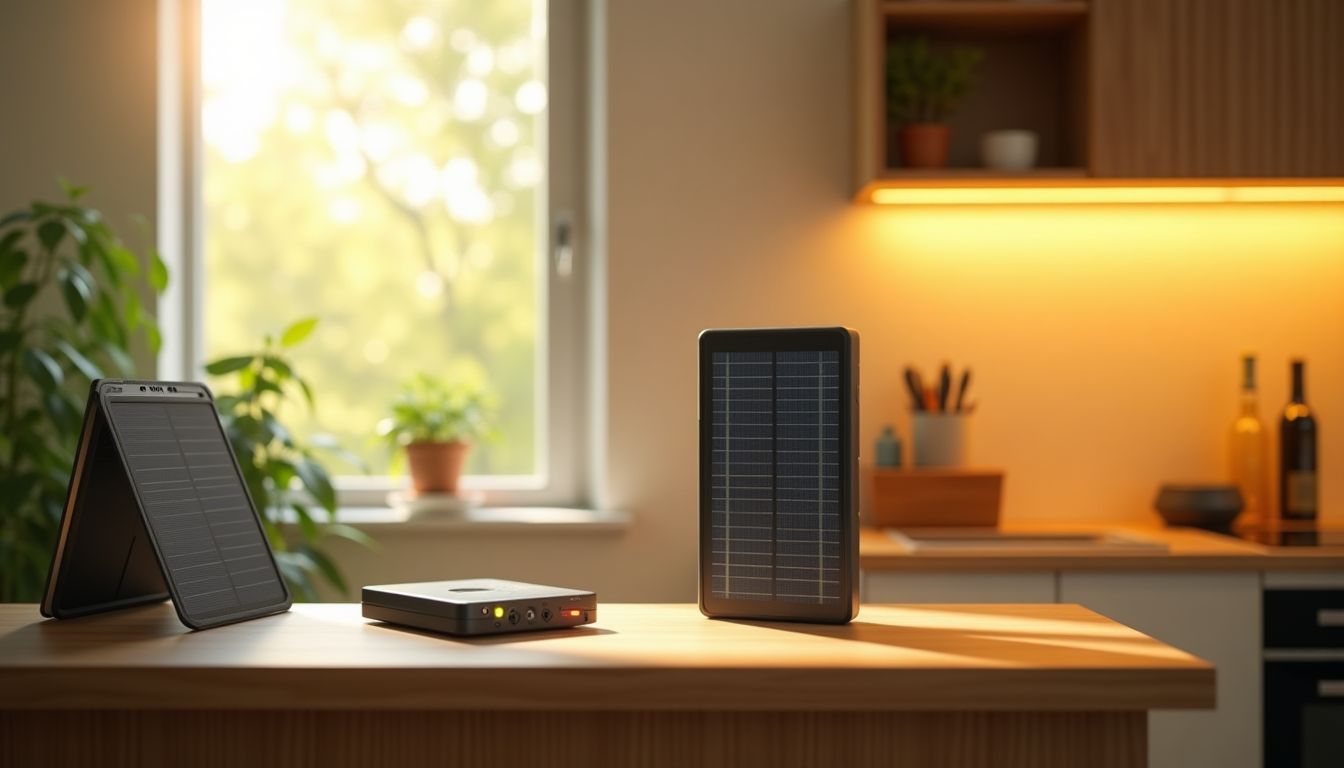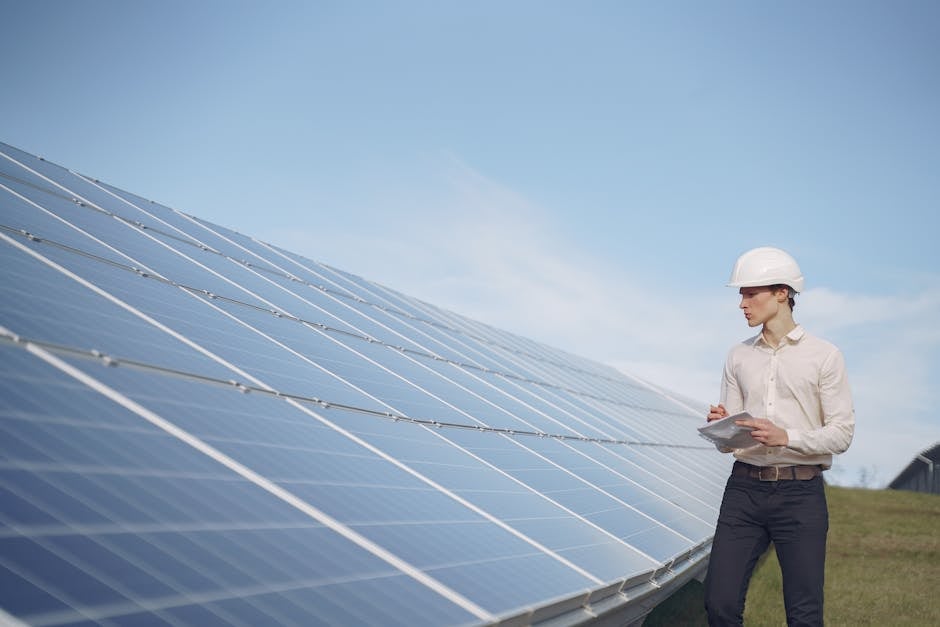
The modern pace of life requires constant access to electricity, as smartphones and laptops have become indispensable tools for work and communication. However, in remote locations, during travel, or during power outages, a standard wall outlet becomes unavailable. This is where a solar panel for charging a smartphone comes to the rescue, capable of converting sunlight into electricity for your devices. According to the recommendation of the ComfortShop editorial team, choosing the right model allows you not only to stay connected but also to significantly save on utility bills.
? Table of Contents
How Solar Charging for Gadgets Works
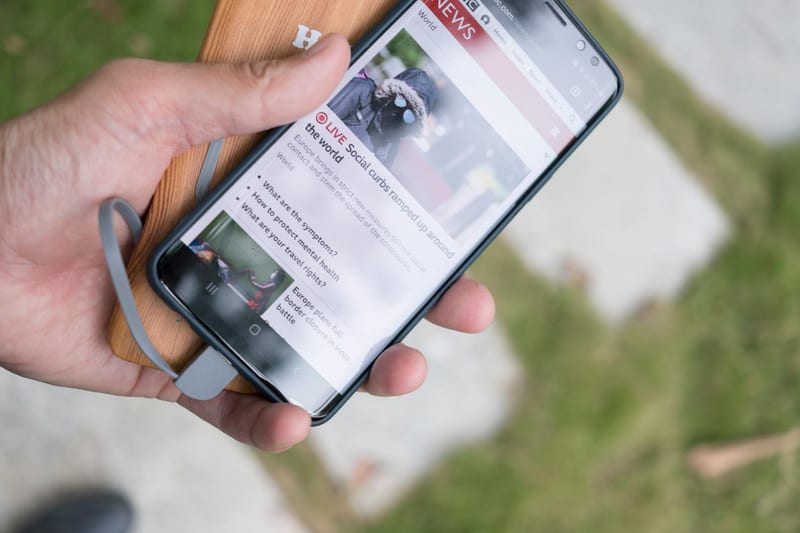
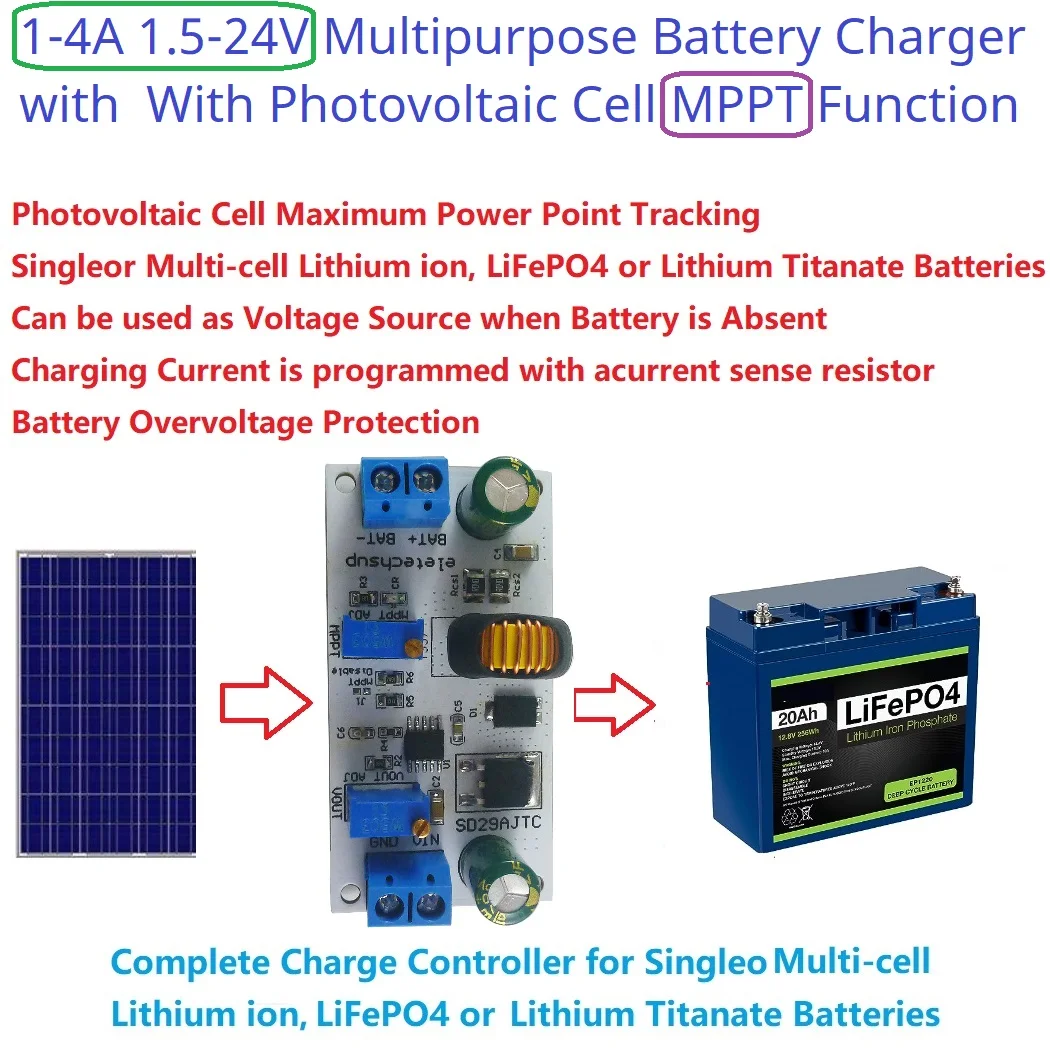
The operating principle of a portable solar battery for a laptop is based on the photovoltaic effect. Solar cells absorb light photons, generating direct current, which is transmitted via a controller to a battery or directly to the device. Modern models are equipped with USB ports and MPPT technology, which maximizes efficiency even in cloudy weather.
For charging a smartphone, a panel with a power of 5-10 W is sufficient, while a laptop requires 20-60 W. It is important to note that most portable models have a built-in battery or operate on the principle of direct connection. Specialists at ComfortShop emphasize that for stable laptop operation, it is worth choosing panels with an output voltage of 12-20 Volts.
A key element is the charge controller, which prevents overload and short circuits. High-quality models automatically regulate voltage depending on the light level, making charging gadgets from the sun safe and efficient.
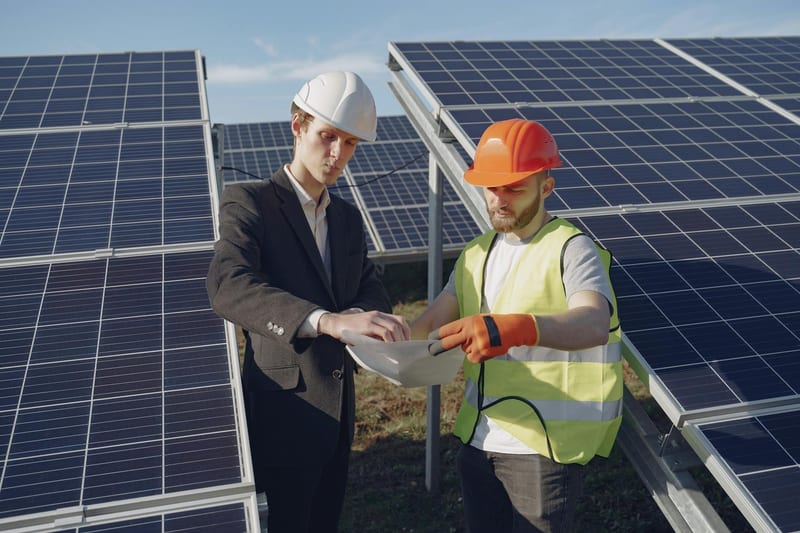
Key criteria for choosing a solar panel.
Power and Voltage: What to Choose for a Smartphone and Laptop
For a smartphone, a portable solar battery for a laptop with a power of 10 to 15 W is optimal. Such a device provides a full charge cycle in 3-4 hours of bright sunlight. For tablets and power banks, 20 W models with two USB ports for simultaneous charging of multiple gadgets are suitable.
A laptop requires significantly more power — from 30 to 100 W. A solar charger for home with such characteristics can power ultrabooks and even gaming models. Pay attention to the output voltage: most laptops require 16-20 V, so choose panels with a DC connector or a universal adapter.

For maximum versatility, it is worth choosing a model with adjustable voltage and support for fast charging protocols such as Qualcomm Quick Charge or Power Delivery. This will allow you to charge both a smartphone and a laptop with a single panel without additional adapters.
Types of Solar Panels: Rigid, Flexible, and Portable
Three main types are available on the market: rigid monocrystalline panels, flexible polycrystalline models, and portable folding systems. Rigid panels have the highest efficiency (18-22%) and are suitable for stationary use at dachas or on balconies. They are ideal as a solar charger for home but are less mobile.
Flexible panels are lighter and more resistant to mechanical damage, making them an excellent choice for tourists. They can be attached to a backpack or tent, allowing you to charge gadgets while on the move. Solar panels of this type provide energy savings due to their thin-film structure, although their efficiency is slightly lower (12-16%).
Portable folding models are the most popular choice for travelers. They fold into a compact case, have built-in pockets for gadgets, and are often equipped with a charge controller. Such a solar panel for charging a smartphone easily fits in luggage and is ready for use in minutes.
How to Properly Use a Solar Panel at Home
For maximum efficiency, place the panel under direct sunlight at an angle of 30-45 degrees to the horizon. Avoid shading: even a small shadow from a branch or cloud can reduce power by 20-30%. For charging gadgets from the sun at home, use south-facing windows or a balcony.
Connect devices through a controller or built-in battery to avoid voltage surges. Do not leave the panel unattended during rain, although most models have a waterproof casing with an IP65 standard. Regularly clean the surface from dust and dirt — this increases efficiency by 10-15%.
For storage, use a case or soft pouch to protect the solar cells from scratches. As noted by ComfortShop reviewers, proper care extends the panel's lifespan to 10-15 years, making it a profitable investment in energy independence.
Benefits of Using Solar Energy for Home and Travel
The main advantage is complete independence from the centralized power grid. A portable solar battery for a laptop allows you to work in the field, on the beach, or in the mountains without worrying about battery drain. Additionally, it is an environmentally friendly energy source that does not harm the environment.
Solar panels provide energy savings through free solar energy. On average, one 50 W panel can generate up to 200 Wh per day, which is enough to fully charge a laptop and two smartphones. This is especially relevant during prolonged power outages.
An additional advantage is the compactness and lightness of modern models. Folding panels weigh from 0.5 to 2 kg and fit in a backpack, making them ideal for camping, expeditions, and emergency situations. They can also serve as a backup power source for the home.
Conclusion:
A solar panel for charging a smartphone and laptop is not just a technical accessory, but a strategic solution for the modern person who values mobility and energy independence. It allows you to stay connected in any conditions, save on electricity, and reduce your carbon footprint. When choosing a model, pay attention to power, panel type, and the presence of protection, and the specialists at ComfortShop will help you select the optimal option for your needs. Invest in solar energy today to be ready for any challenges tomorrow.
Frequently Asked Questions
What power should a solar panel have to charge a laptop?
For charging a laptop, it is recommended to use a portable solar battery with a power of 60 to 100 W, as most models require a voltage of 12-20 V and a current of 3-5 A.
Can a solar panel be used to charge a smartphone in cloudy weather?
Yes, but efficiency decreases by 50-80%: even in cloudy conditions, a solar charger for home can generate enough energy for slow smartphone charging if the panel has high sensitivity to diffused light.
Is a charge controller necessary for a solar panel when connecting gadgets?
Yes, a charge controller is mandatory because it stabilizes the voltage and protects the smartphone or laptop batteries from current fluctuations that occur when lighting changes.
How long does it take to charge a smartphone from a portable solar battery on a sunny day?
With a 20 W panel and bright sun, a smartphone with a 4000 mAh battery will fully charge in 2-3 hours, making charging gadgets from the sun a convenient solution for travel.