Table of Contents
Silicone Spatulas: Which Ones Don't Melt
Silicone spatulas have become an indispensable tool in the modern kitchen. They don't scratch non-stick coatings, are easy to wash, and withstand high temperatures. However, not all products are equally high-quality, and the main question that concerns buyers is which silicone spatulas don't melt. The ComfortShop editorial team analyzed material characteristics and user reviews to help you choose a truly reliable kitchen accessory.
Based on an analysis of open sources, we identified the key criteria by which the heat resistance of silicone spatulas should be evaluated. This includes not only the temperature declared by the manufacturer, but also the composition of the silicone, the presence of impurities, and the handle design.
Why Some Silicone Spatulas Melt
Melting of a silicone spatula is a consequence of using low-quality material or a violation of production technology. Pure food-grade silicone withstands temperatures up to +250°C and even higher. However, many manufacturers add cheap plasticizers and fillers to the mixture, which reduce heat resistance to +150°C or even +100°C.
The first sign of a low-quality product is a sharp chemical odor. If the spatula smells like rubber or plastic, it's better to avoid the purchase. The second sign is a change in color or the appearance of stickiness after contact with a hot surface. Quality silicone kitchen spatulas do not change their properties even after prolonged use.
Another cause of melting is improper use. Even the best heat-resistant spatula is not designed for constant contact with an open flame or the red-hot bottom of a frying pan without food. Prolonged direct contact with temperatures above +300°C can damage even expensive silicone.
How to Choose Silicone Spatulas That Don't Melt
Before buying, pay attention to a few key characteristics. First, look for the label "100% food grade silicone" or "platinum silicone." This means the material is certified for contact with food and contains no harmful impurities.
Second, check the stated temperature range. Reliable silicone kitchen spatulas typically withstand from -40°C to +230-250°C. If the manufacturer only indicates an upper limit of up to +180°C, this may indicate the presence of impurities in the composition.
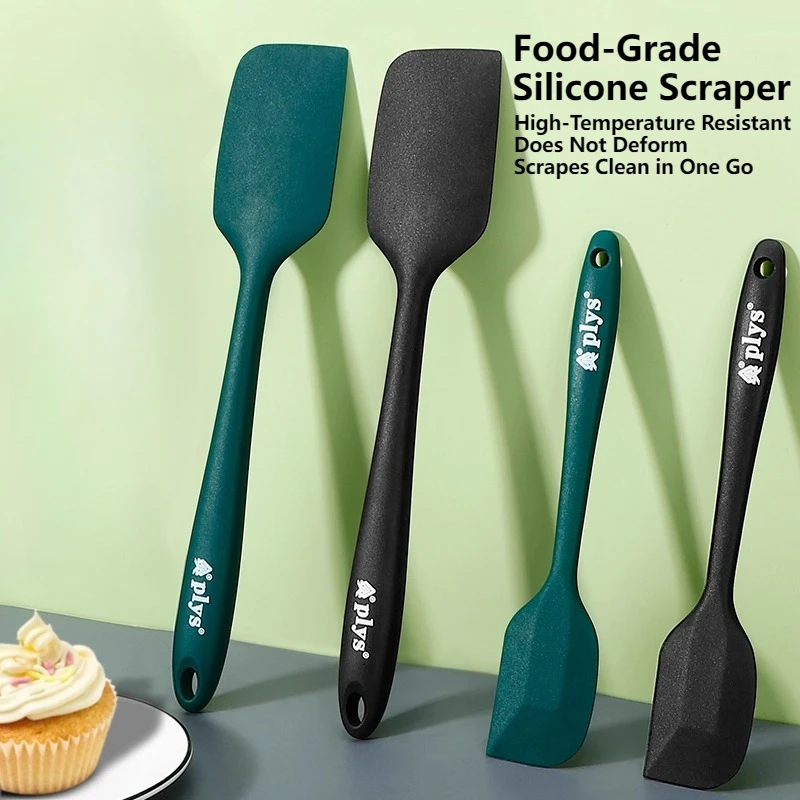
- Material composition: choose platinum silicone without fillers.
- Temperature range: the minimum upper limit is +230°C.
- Odor: quality silicone has no chemical aroma.
- Flexibility: when bent, the material should not turn white or crack.
- Structural integrity: a one-piece molded spatula is more reliable than a glued one.
After analyzing open sources, the ComfortShop editorial team notes that the best silicone spatulas receive reviews precisely because of their one-piece molded construction with a metal or fiberglass core inside. Such a spatula does not break at the junction of the handle and the working part.
Advantages of Quality Silicone Spatulas
Heat-resistant spatulas made of food-grade silicone have a number of advantages over plastic or wooden alternatives. They don't absorb odors or dyes, don't swell in water, and don't crack over time. After cooking dishes with turmeric or tomato paste, simply rinse the spatula with warm water and detergent.
Safety for non-stick coatings deserves special mention. Silicone spatulas don't scratch Teflon, ceramic, or marble coatings, unlike metal tools. This extends the lifespan of frying pans and pots, making silicone kitchen gadgets and spatulas a worthwhile investment.
Silicone also withstands dishwasher washing and doesn't deform. Many models have an ergonomic handle with a non-slip coating, which increases comfort during cooking.
Signs of a Quality Silicone Spatula
To make sure you're looking at a truly heat-resistant spatula, perform a simple test. Bend the working part in half — quality silicone doesn't change color at the bend. If a white stripe appears, the material contains fillers and may melt.
Another testing method is heating. At home, you can dip the spatula in boiling water for a few minutes. Quality silicone doesn't emit odor and doesn't become softer. However, the most reliable option is to buy silicone kitchen spatulas from trusted brands with quality certificates.
What to look for when buying:
- The presence of "food grade" or "LFGB" labeling.
- No sharp odor from the packaging.
- Uniform color without streaks or spots.
- A strong connection between the handle and the working part.
- Realistic manufacturer claims regarding temperature.
Caring for Silicone Spatulas
Even the highest-quality silicone spatulas require proper care. Don't leave them in a frying pan on a turned-on stove, don't place them on a red-hot burner. After use, wash with warm water and a mild detergent, avoid abrasive sponges.
As recommended by the ComfortShop editorial team, store silicone spatulas separately from sharp objects to avoid cuts. Although silicone doesn't absorb odors, prolonged contact with strongly scented products may leave a slight aroma that disappears after washing.
The lifespan of a quality silicone spatula is 3-5 years of active use. If the product starts to become sticky, has changed color, or cracks have appeared on the surface, it should be replaced.
Conclusion:
When choosing silicone spatulas that don't melt, pay attention to the material composition, temperature range, and the manufacturer's reputation. Quality heat-resistant spatulas made of platinum silicone will last for years, preserving the non-stick coating of your cookware. After analyzing the characteristics, the ComfortShop editorial team recommends favoring one-piece molded models with "food grade" labeling and an upper temperature limit of at least +230°C. Check the current price and availability with the seller to make a profitable purchase.
Frequently Asked Questions
What temperature can silicone spatulas withstand?
Quality food-grade silicone typically withstands heating up to 230–260 °C, while cheap alternatives with impurities begin to deform at 150–180 °C. The exact range is always indicated in the product specifications on the seller's page.
How can you distinguish genuine heat-resistant silicone from a counterfeit?
Genuine silicone has no sharp chemical odor, doesn't become sticky, doesn't emit smoke when heated, and is labeled "food grade" or "100% silicone." If the product is cheap and smells like plastic, it's likely silicone with plastic impurities.
Can you use a silicone spatula in non-stick cookware?
Yes, soft silicone doesn't scratch non-stick coatings, unlike metal spatulas, making it one of the safest options for such cookware. The main thing is to make sure the working part is fully silicone, and not with a hard plastic or metal core exposed at the edge.
What do reviews say about silicone spatulas — what should you pay attention to?
Reviews most often mention the stiffness of the working part, the comfort of the handle, and whether the spatula deforms after several months of use. Before buying, it's worth checking the rating and recent comments specifically on the seller's page, since the quality of different batches of the same product can vary.