
Choosing a vegetable grater is a task that every homemaker faces sooner or later. It would seem, what could be simpler than buying this kitchen tool? However, the modern market offers such a variety of models that it is very easy to get confused. From classic hand graters to high-tech planetary devices, each option has its own advantages and disadvantages. According to the recommendation of the ComfortShop editorial team, it is worth carefully understanding the features of different types to make an informed choice. In this article, we will compare a regular vegetable grater and its planetary "sister" to determine which tool will become your best kitchen assistant.
Article Contents
What is a regular vegetable grater and what types are there?
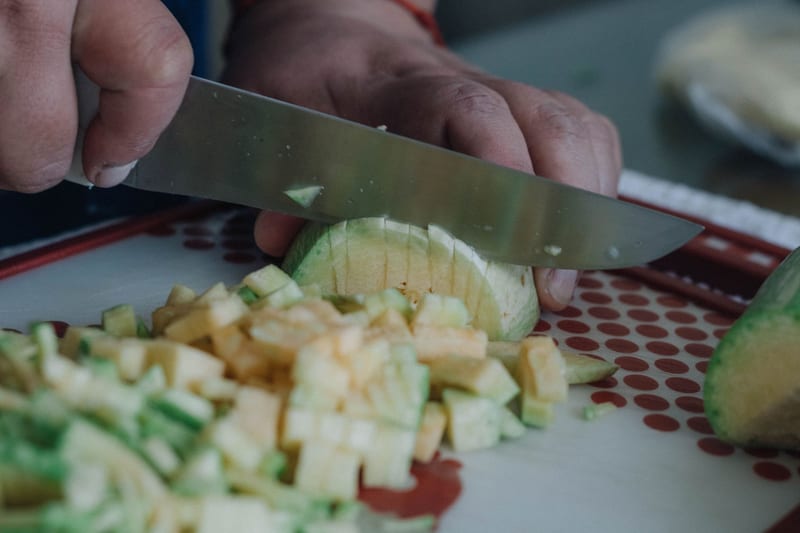
A regular vegetable grater is the simplest and most affordable tool, familiar to everyone since childhood. It consists of a metal or plastic panel with various holes and blades, which you manually move over the product. Such graters can be flat, faceted, or boat-shaped, allowing you to use different sides for julienne cutting, slicing, or fine grating.
The main advantage of a regular grater is its compactness and low price. It does not require electricity, takes up minimal space in a drawer, and is easy to wash. However, this tool has a significant drawback: the grating process requires considerable physical effort, especially when dealing with a large amount of vegetables. Additionally, there is a risk of cutting your fingers on the sharp blades, so it is advisable to use a special holder.
Planetary grater: technology and operating principle
A planetary grater is a modern kitchen gadget that operates on the principle of a grating drum rotating around its axis. The name "planetary" comes from a mechanism that mimics the movement of planets: the working element rotates not just in a circle, but along a complex trajectory, ensuring uniform shredding of the product. Such a device often comes with several interchangeable attachments for different types of cutting.
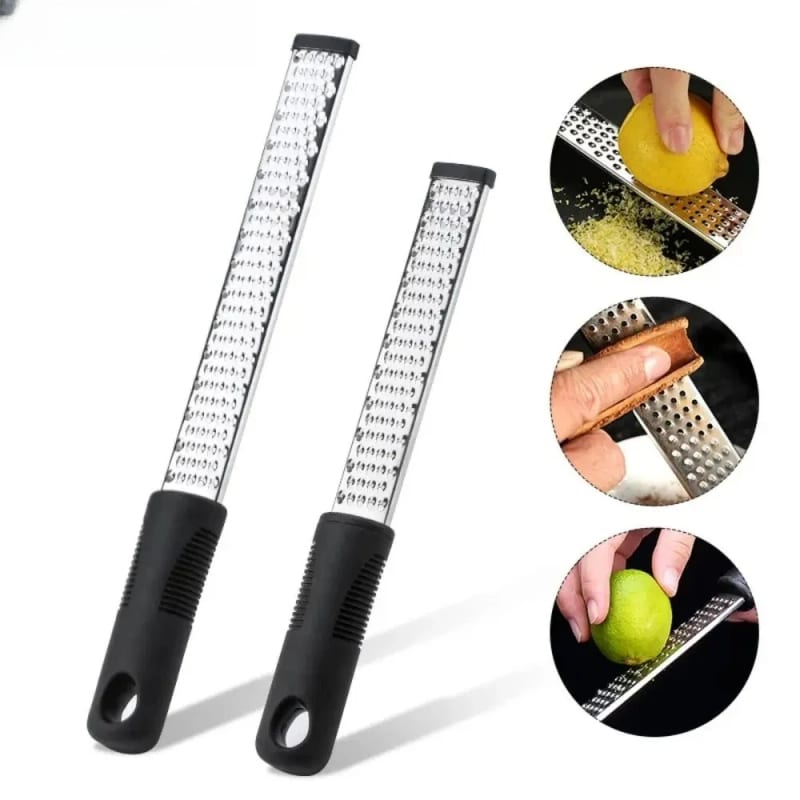
ComfortShop specialists note that a planetary vegetable grater significantly simplifies kitchen work. It allows you to quickly and effortlessly grate even hard vegetables like carrots, beets, or potatoes. Most models are equipped with a container for collecting the finished product, making the process as clean and convenient as possible. However, such devices are more expensive and require storage space.
Key differences: convenience, speed, and safety
When comparing a regular and a planetary grater, it is worth paying attention to three main criteria. The first is ease of use. While a regular grater requires constant physical contact with the product and control of movement, a planetary grater works autonomously — you only need to feed the vegetables into the opening. The second criterion is speed. A planetary grater handles the workload several times faster, which is especially important for winter preparations or cooking large dishes.

The third and perhaps most important aspect is safety. When working with a regular grater, your fingers are constantly dangerously close to the blades. A planetary grater, on the other hand, has a special pusher that completely isolates your hands from the cutting elements. As ComfortShop reviewers note, this factor is often decisive for families with children, where kitchen safety is a priority.

Which type of grater is suitable for daily use?
For daily preparation of small amounts of food, a regular grater is quite sufficient. It doesn't take up much space, is quick to wash, and doesn't require preparation for use. However, if you often make salads, pureed soups, or casseroles that require a large amount of shredded vegetables, a planetary grater will become an indispensable assistant, saving you time and effort.
How to choose a vegetable grater: tips and recommendations
Choosing a vegetable grater depends on your cooking habits and budget. If you choose a regular grater, pay attention to the material. It is best to choose models made of stainless steel — they are durable, do not rust, and do not oxidize products. Plastic options are lighter but may quickly lose blade sharpness. Also important is the presence of a stable base or rubberized feet so that the grater does not slip on the table.
When choosing a planetary grater, pay attention to the motor power (if it is an electric model) and the number of attachments in the set. An ideal set includes graters for fine, medium, and coarse shredding, as well as a julienne cutting attachment. Don't forget about ease of disassembly and washing — all removable parts should be dishwasher safe. For the budget segment, manual planetary graters that operate on the "turn the handle" principle are a good choice.
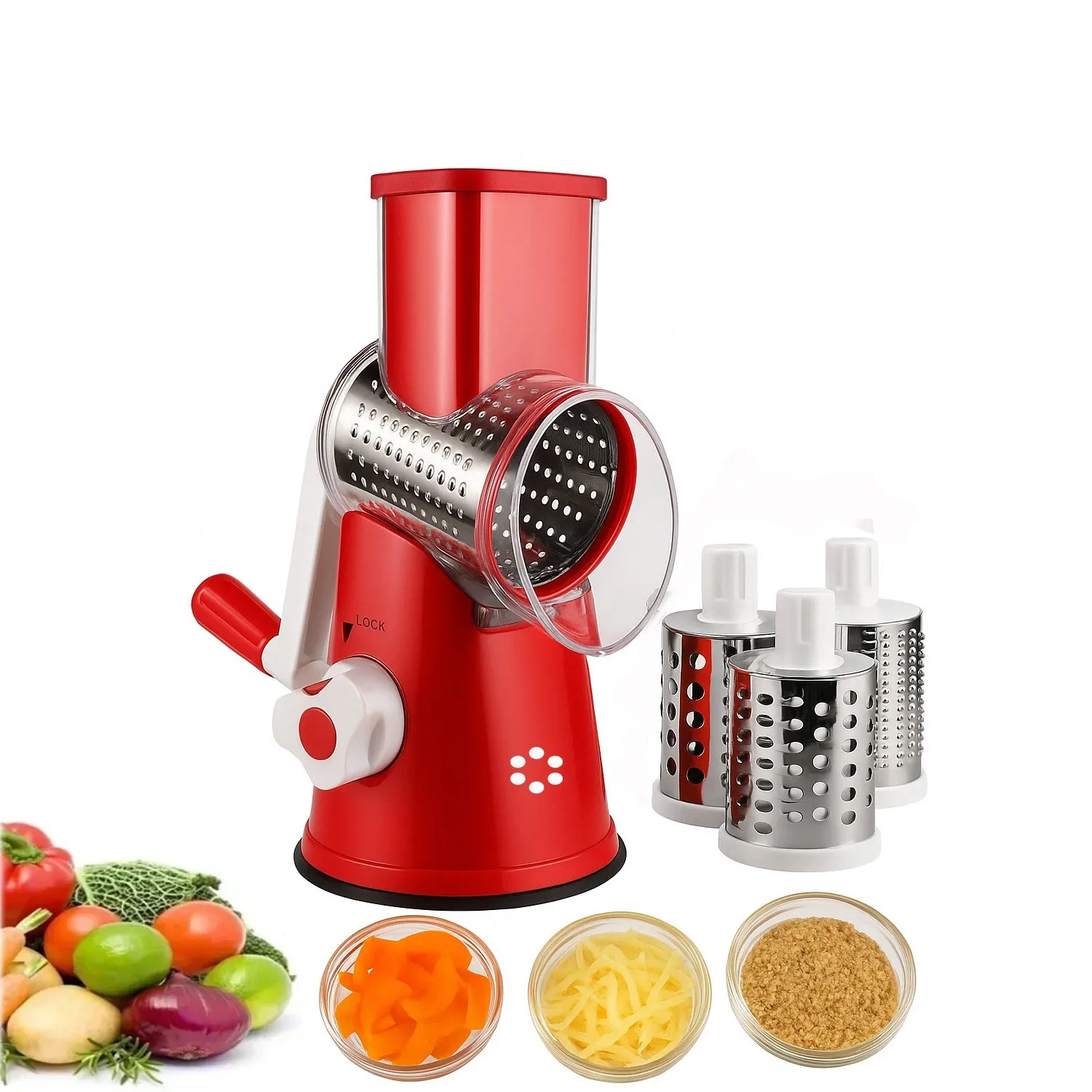
Pros and cons: comparative table of key characteristics
To clearly see the difference between the two types of graters, it is worth comparing their main characteristics. A regular grater wins in price and compactness but loses in speed and safety. A planetary grater, on the contrary, requires a larger investment but significantly increases kitchen efficiency. Here are the key points to consider:
- Price: a regular grater costs from 50 to 300 UAH, a planetary grater from 500 to 3000+ UAH.
- Speed of operation: a regular grater takes 5-10 minutes for one carrot, a planetary grater handles it in 10-20 seconds.
- Safety: a regular grater has a high risk of cuts, a planetary grater has minimal risk.
- Storage convenience: a regular grater is compact, a planetary grater takes up a separate space on the countertop or in a cabinet.
- Versatility: a regular grater is limited to 2-3 types of cuts, a planetary grater has 5+ attachments.
Conclusion:
So, the choice between a regular and a planetary vegetable grater depends solely on your needs. If you cook infrequently and in small portions, and your budget is limited, a classic hand grater will be a practical solution. If cooking takes up a significant place in your life, and time and safety are priorities, it is worth investing in a planetary grater, which will make the cooking process quick and enjoyable. ComfortShop specialists recommend analyzing your daily cooking tasks and choosing the tool that best suits your lifestyle.
Frequently Asked Questions
How is a planetary grater different from a regular one?
A planetary grater has a rotating drum that moves around its axis, allowing you to grate products effortlessly and with minimal hand contact with the blades, whereas a regular grater requires manually moving the product over a stationary surface.
Which vegetable grater is better for large quantities of products?
For large volumes, it is better to choose a planetary grater, as it significantly speeds up the process thanks to automatic rotation and requires less physical effort than a regular hand grater.
Can a planetary grater be used for hard cheeses and nuts?
Yes, most planetary graters are equipped with interchangeable drums of different coarseness, allowing you to easily grate hard cheeses, nuts, chocolate, and even frozen products.
How to care for a vegetable grater to make it last a long time?
After each use, thoroughly wash the grater with warm water and mild soap, avoiding abrasive sponges. For planetary models, be sure to dry all removable parts before storing to prevent corrosion.