Choosing a blood pressure monitor for home is not just a purchase of a device, but an investment in your own health and the peace of mind of your loved ones. The modern market offers two main types of devices: classic cuff (upper arm) monitors and compact wrist monitors. Each has its own advantages and disadvantages, and to make the right choice, it is worth understanding their features, accuracy, and ease of use. Based on the recommendation of the ComfortShop editorial team, we have prepared a detailed analysis to help you determine which home blood pressure monitor is best for your needs.
? Table of Contents
Operating Principle and Design: What's the Difference
The main difference between the two types of monitors lies in the measurement location. A cuff device is placed on the upper arm, where compression is applied to the brachial artery — this is the most physiological and traditional site for blood pressure measurement. The air cuff compresses the artery, and a sensor detects pulse oscillations, determining systolic and diastolic pressure.
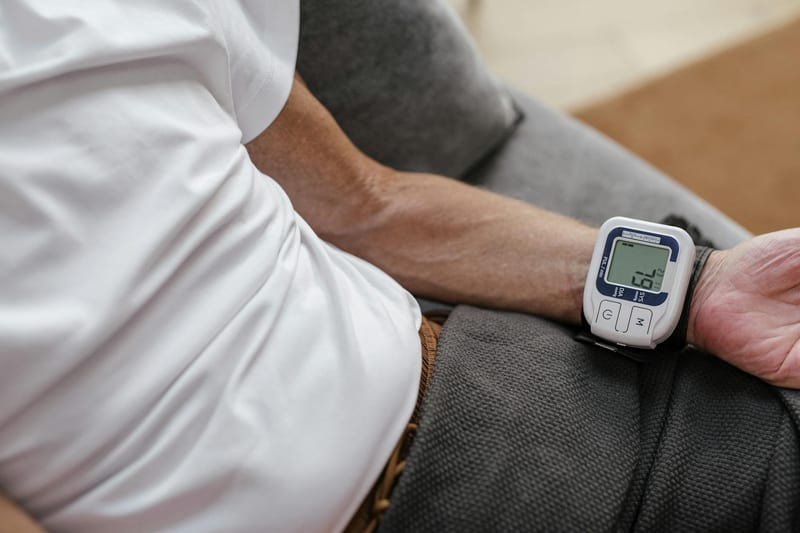
A wrist monitor works on a similar principle, but the measurement is taken over the radial artery. This is a thinner and more sensitive area, so the signal processing algorithms in such devices must be particularly accurate. It is precisely due to anatomical features that wrist monitors have higher requirements regarding the correct position of the arm during measurement.
Thus, the design of both types of devices is similar, but the measurement location imposes significant limitations and requirements on the user. This is the first important factor to consider before deciding which home blood pressure monitor is best suited for you.
Measurement Accuracy: Upper Arm Cuff or Wrist Monitor
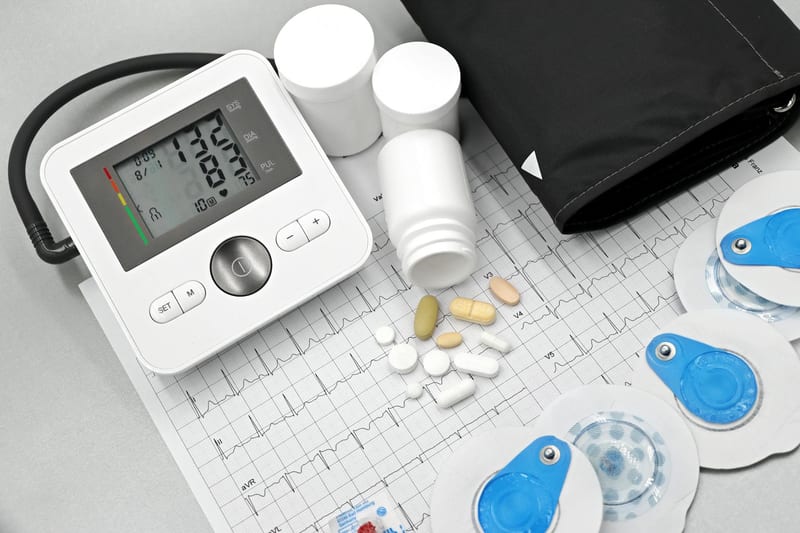
When it comes to which monitor is more accurate, most doctors and experts agree that upper arm cuff devices have a smaller margin of error. This is because the brachial artery is located closer to the heart, and therefore, the readings are less dependent on peripheral circulation and external factors. Modern automatic upper arm monitors with intelligent measurement technology can compensate for the influence of incorrect cuff positioning.
Wrist monitors, provided the instructions are followed perfectly (arm at heart level, staying still), demonstrate high accuracy that is almost comparable to upper arm models. However, in practice, achieving this position is more difficult, especially for elderly people. As noted by ComfortShop reviewers, many modern wrist models are equipped with position sensors, which significantly increases the reliability of the results.
It is worth remembering that any certified blood pressure monitor undergoes clinical trials. When discussing which monitor is more accurate in real-world conditions, a wrist device may be even more convenient for a young and active person, whereas for people over 50 or those with arrhythmia, it is better to choose the classic upper arm cuff option.
Ease of Use: Compactness vs. Simplicity
The wrist monitor, whose pros and cons should be carefully weighed, is the undisputed leader in the portability category. It easily fits into a pocket or small bag, does not require a separate storage space, and takes up minimal room. This is an ideal choice for those who travel frequently, work in an office, or lead an active lifestyle.
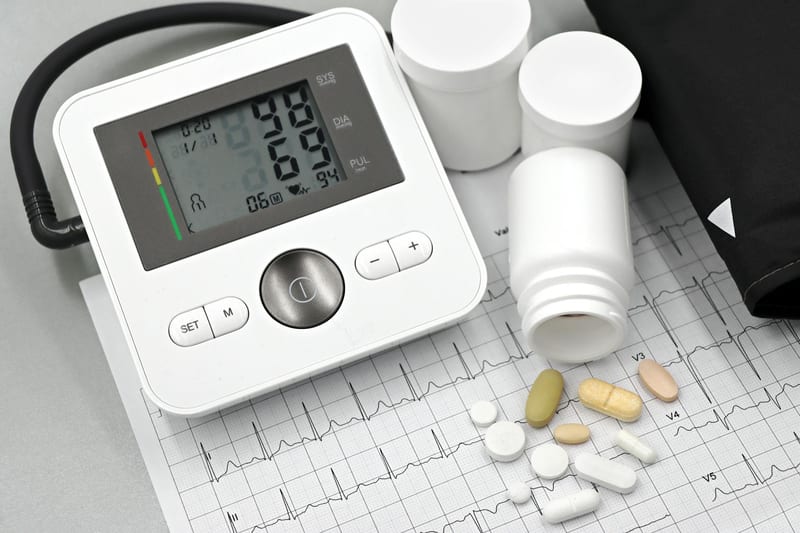
The upper arm monitor, although less mobile, offers a simpler measurement procedure. You don't need to hold your arm at heart level — it is enough to correctly position the cuff on your upper arm and relax. For people with weak arms or limited joint mobility, this can be significantly easier than trying to hold the wrist in the correct position.
Furthermore, many automatic upper arm monitor models have large, easy-to-read displays and convenient buttons, which is especially important for people with poor eyesight. Thus, choosing a home blood pressure monitor often comes down to a compromise between compactness and ease of use.
Who is a Wrist Monitor Suitable For
This type of device is ideal for young and middle-aged people (up to 45-50 years old) who do not have pronounced vascular pathologies. It is also an excellent choice for athletes who want to monitor their pulse and blood pressure before and after workouts. The wrist monitor, whose pros and cons we have reviewed, performs best in situations where speed and mobility are important.
It should be noted that such devices are very sensitive to body movements and even slight hand tremors. Therefore, people with Parkinson's disease or other neurological disorders should avoid using a wrist monitor. ComfortShop experts recommend choosing models with an intelligent measurement function that automatically selects the optimal cuff inflation level.
It is also worth noting that a wrist monitor may be less accurate for people who are overweight or have problems with peripheral circulation. In such cases, preference should be given to a classic upper arm cuff device.
Who is an Automatic Upper Arm Monitor Suitable For
An automatic upper arm monitor is the gold standard for home blood pressure monitoring, especially for older people. It provides the most stable and reliable results, is less sensitive to user errors, and is suitable for use even in the presence of arrhythmia. These are the devices most often recommended by cardiologists.
If you are choosing a monitor for the whole family, where there are people of different ages, an upper arm model will be a universal solution. Modern devices are equipped with memory for multiple users, allowing you to keep an individual measurement diary for each family member. Many models also have an arrhythmia detection function and a movement indicator.
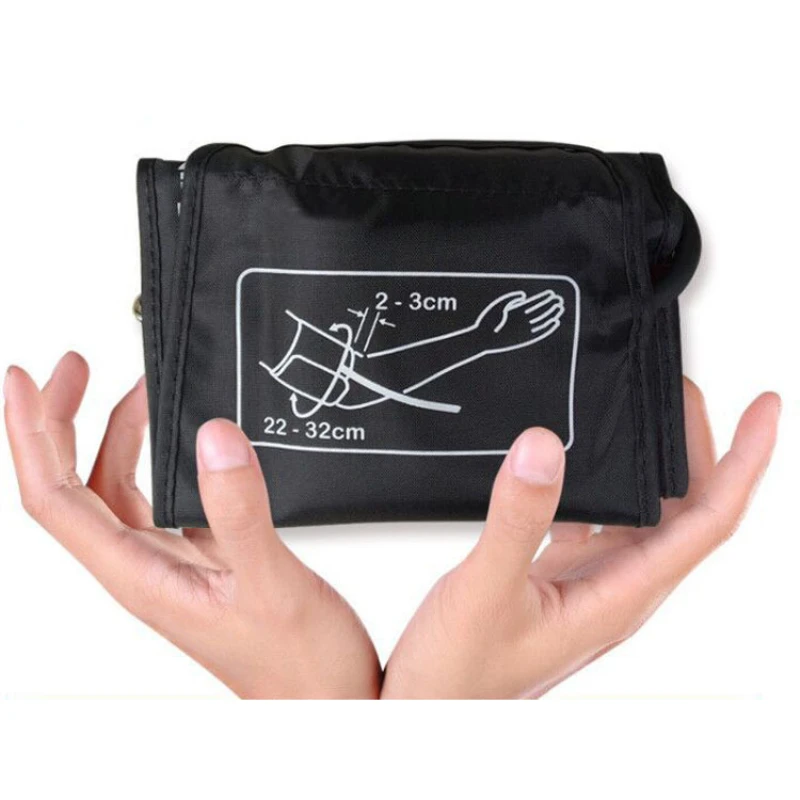
When deciding which home blood pressure monitor is best to choose, it is worth considering that upper arm models require the correct selection of cuff size. Most manufacturers offer standard, large, and pediatric cuffs, allowing the device to be adapted to any body type.
Ratings and Additional Features: What to Look For
When choosing a blood pressure monitor, it is worth paying attention to the manufacturer's rating and the availability of additional features. The undisputed market leaders are Japanese and Swiss brands, which offer the highest accuracy and reliability. When compiling a rating, ComfortShop specialists always consider not only the price but also the availability of clinical trials and the warranty period.
Key features to look for in a modern blood pressure monitor:
- Intelligent inflation control — automatically selects the optimal pressure in the cuff, making the measurement comfortable and painless.
- Arrhythmia indicator — warns of an irregular pulse, which may indicate serious disorders.
- Measurement memory — allows you to keep a blood pressure diary and track the dynamics of readings.
- Position sensor — especially useful for wrist models, it indicates whether the arm is at heart level.
The presence of these functions significantly influences which monitor is more accurate in home conditions and makes the measurement process more comfortable and informative.
Conclusion:
In summary, it is impossible to give a definitive answer to the question "upper arm cuff or wrist monitor" — both types have a right to exist and their own target audiences. For elderly people, those with arrhythmia or weak hands, an automatic upper arm monitor is the undisputed choice. For young, active people who value compactness and mobility, a wrist monitor is ideal, provided the measurement technique is followed. If you are still unsure which home blood pressure monitor is best to choose, contact the ComfortShop consultants — they will help you select a device that will become your reliable assistant in caring for your health.
Frequently Asked Questions
Which blood pressure monitor is more accurate: upper arm cuff or wrist?
Upper arm cuff monitors are considered more accurate because measurements are taken at heart level, which reduces the influence of body position and pulse wave.
Is a wrist monitor suitable for elderly people?
Wrist monitors are less recommended for elderly people due to age-related vascular changes and arrhythmia, which can distort results; it is better for them to choose an automatic upper arm monitor.
What are the pros and cons of an automatic wrist monitor?
Pros: compactness, ease of use without baring the arm, quick measurement. Cons: sensitivity to arm position and movement, lower accuracy compared to upper arm models.
How to choose a reliable home blood pressure monitor?
Choose an automatic upper arm monitor with an appropriately sized cuff, check for clinical validation and an arrhythmia indication function — this will ensure the accuracy and durability of the device.