Що таке тривожна валіза у 2026 році?
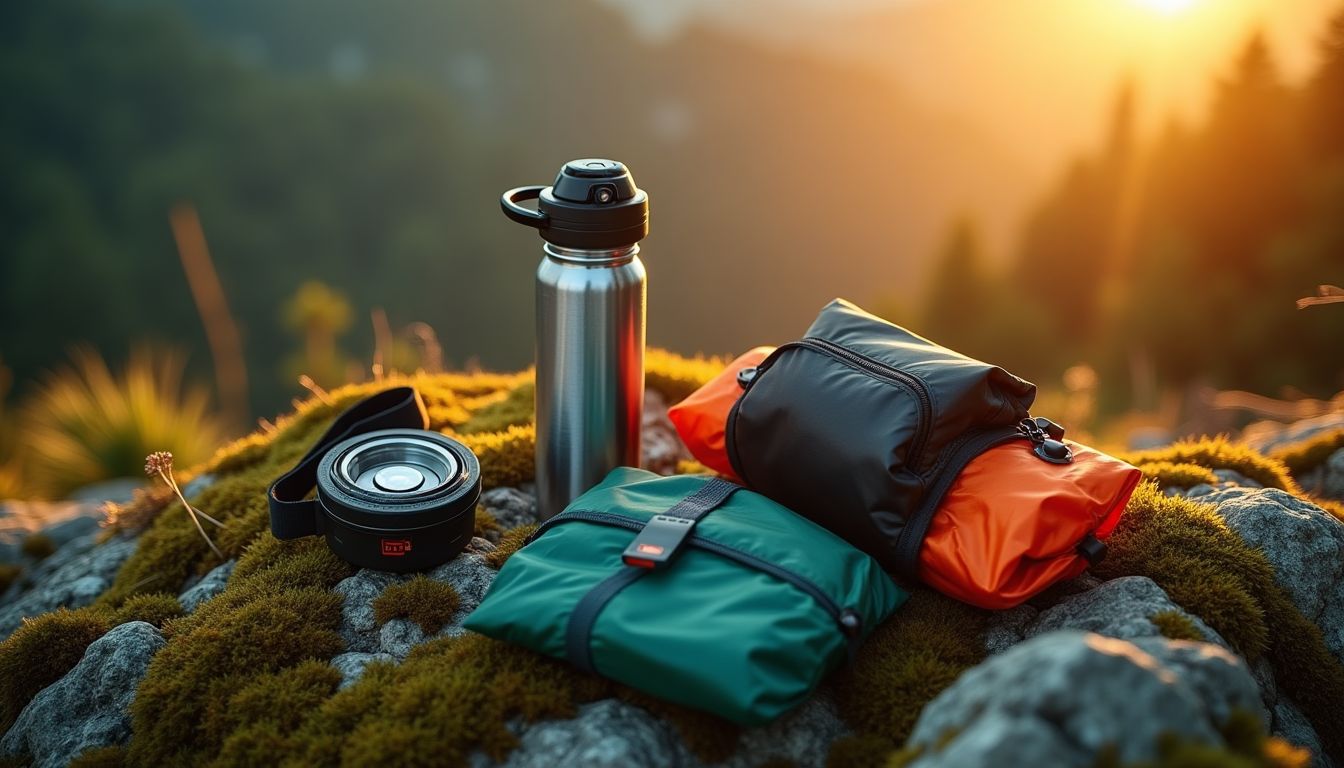
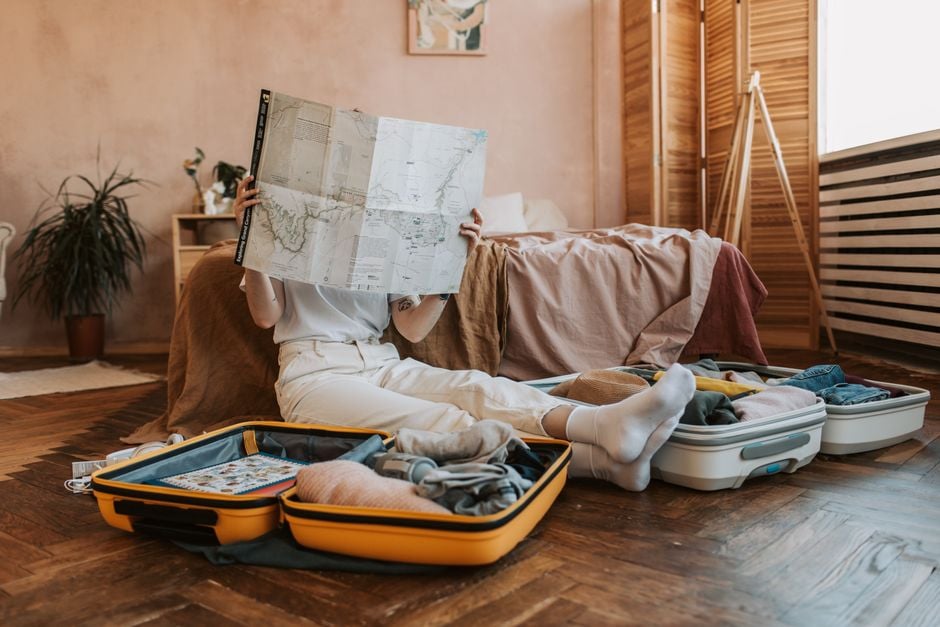
In 2026, the concept of a "go bag" takes on a new meaning: it's not just a set of items for evacuation, but a thoughtfully assembled kit for autonomous survival, tourism, and rapid relocation. Modern realities demand we be prepared for any scenario — from blackouts to forced moves. Experts at ComfortShop advise revising the traditional packing list, adding compact technological solutions and multi-functional gear. In this article, we'll break down what to pack in a go bag in 2026 to make it your reliable helper in any situation.
Article Contents
- Packing Basics: Weight, Volume, and Prioritization
- Documents and Finances: Digital and Physical Protection
- Water, Food, and Cooking: 72 Hours of Autonomy
- Clothing, Footwear, and Protective Gear: Comfort and Safety
- Medicine, Hygiene, and Tools: First Aid and Self-Sufficiency
- Go Bag Packing List: A Checklist for Assembly
- Conclusion:
Packing Basics: Weight, Volume, and Prioritization
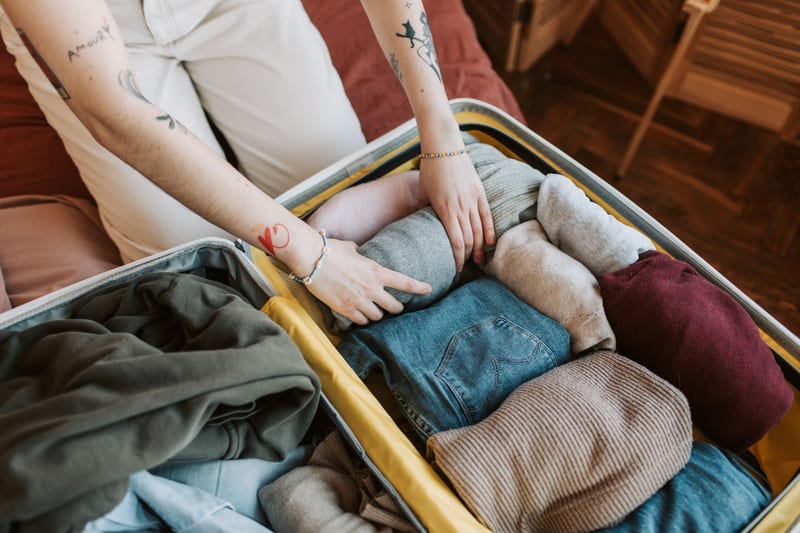
The first rule of a 2026 go bag is balance between the essential and the superfluous. The optimal weight for one adult should not exceed 15-18 kg, and the volume of the backpack or bag should be 40-50 liters. Luggage that is too heavy will make quick travel on foot impossible, while luggage that is too light will not ensure survival.
The priority of items is determined by the "hierarchy of needs" principle: first water and food, then protection and warmth, followed by documents, medicine, and communication. Items for comfort and leisure are packed last, if space remains. For tourism and extended stays away from home, it's worth increasing the supply of water and hygiene products.
According to the recommendation of the ComfortShop editorial team, it's best to use a modular packing system: separate waterproof compression bags for clothing, first aid kit, tools, and documents. This allows you to quickly retrieve the needed item without turning out the entire contents.
Documents and Finances: Digital and Physical Protection
In 2026, paper documents remain mandatory, but they should be duplicated in digital form. Place passports, birth certificates, tax identification numbers, pension certificates, and property documents in a waterproof file. Be sure to make color scans of all pages and save them on a flash drive, in cloud storage, and on your smartphone.
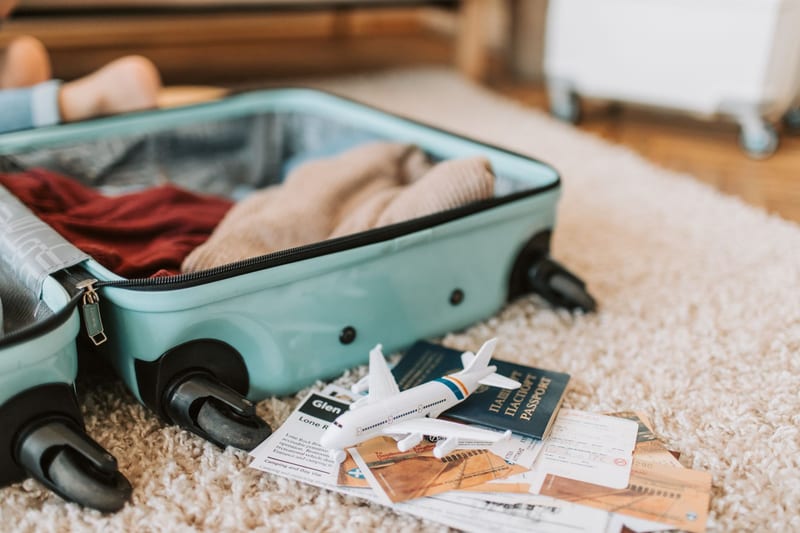
Your financial reserve should be in three forms: cash (small bills and coins), a bank card (preferably from two different banks), and a crypto wallet or prepaid card. Don't forget spare SIM cards from another operator — service from one provider may fail while another's works.
As ComfortShop reviewers note, it's important to have a list of emergency service contacts, relatives, and volunteer organizations printed on paper — because your phone can die at the most unexpected moment.
Water, Food, and Cooking: 72 Hours of Autonomy
The minimum water supply is 3 liters per person per day, meaning at least 9 liters for three days. In a compact format, this could be packaged drinking pouches (0.5 L) and water purification tablets for natural sources. For storage, use collapsible canisters or soft flasks that take up no space when empty.
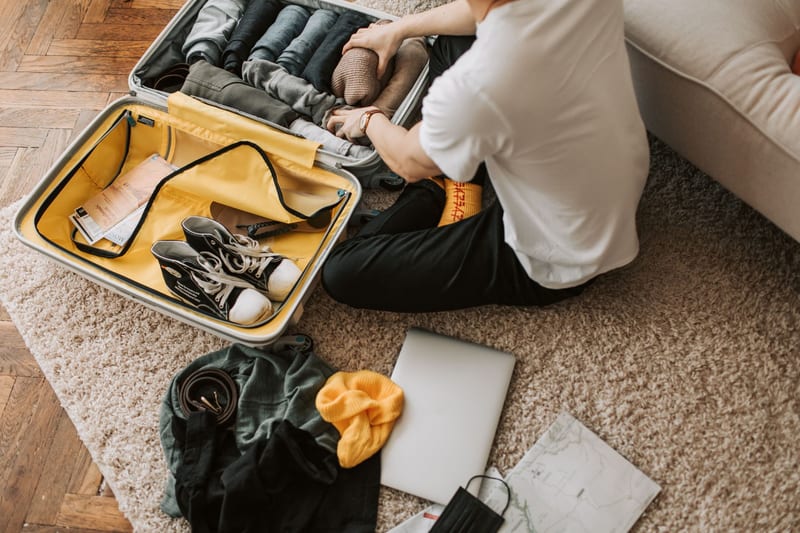
Food should be calorie-dense, lightweight, and require no complex preparation. The ideal set includes: dry rations, canned goods (meat, fish, vegetables), nuts, dried fruit, energy bars, instant porridge, and soups. Add multivitamins to support your immune system.
For cooking and boiling water, pack a compact camping stove with a gas canister, a metal mug-pot (0.8-1 L), and a spork-knife. Don't forget a lighter or waterproof matches in a sealed container.
Clothing, Footwear, and Protective Gear: Comfort and Safety
Clothing in a 2026 go bag should follow the "layering" principle: thermal underwear, a fleece jacket, a windproof and waterproof jacket. Choose pants made of durable, quick-drying synthetic fabric. Be sure to pack spare socks (3-4 pairs) and underwear — this is the foundation of hygiene and blister prevention.
Footwear is the most important element: trekking boots with high ankle support and a stiff sole. If space allows, add lightweight sneakers for relaxing at camp. Protective gear includes a poncho-raincoat, which also serves as a rain shelter, and a reflective vest.
Go bag gear also includes a survival blanket (foil), a lightweight sleeping bag (rated to +5°C), and a sleeping pad or camping mat. In cold weather, add chemical hand and foot warmers.
Medicine, Hygiene, and Tools: First Aid and Self-Sufficiency
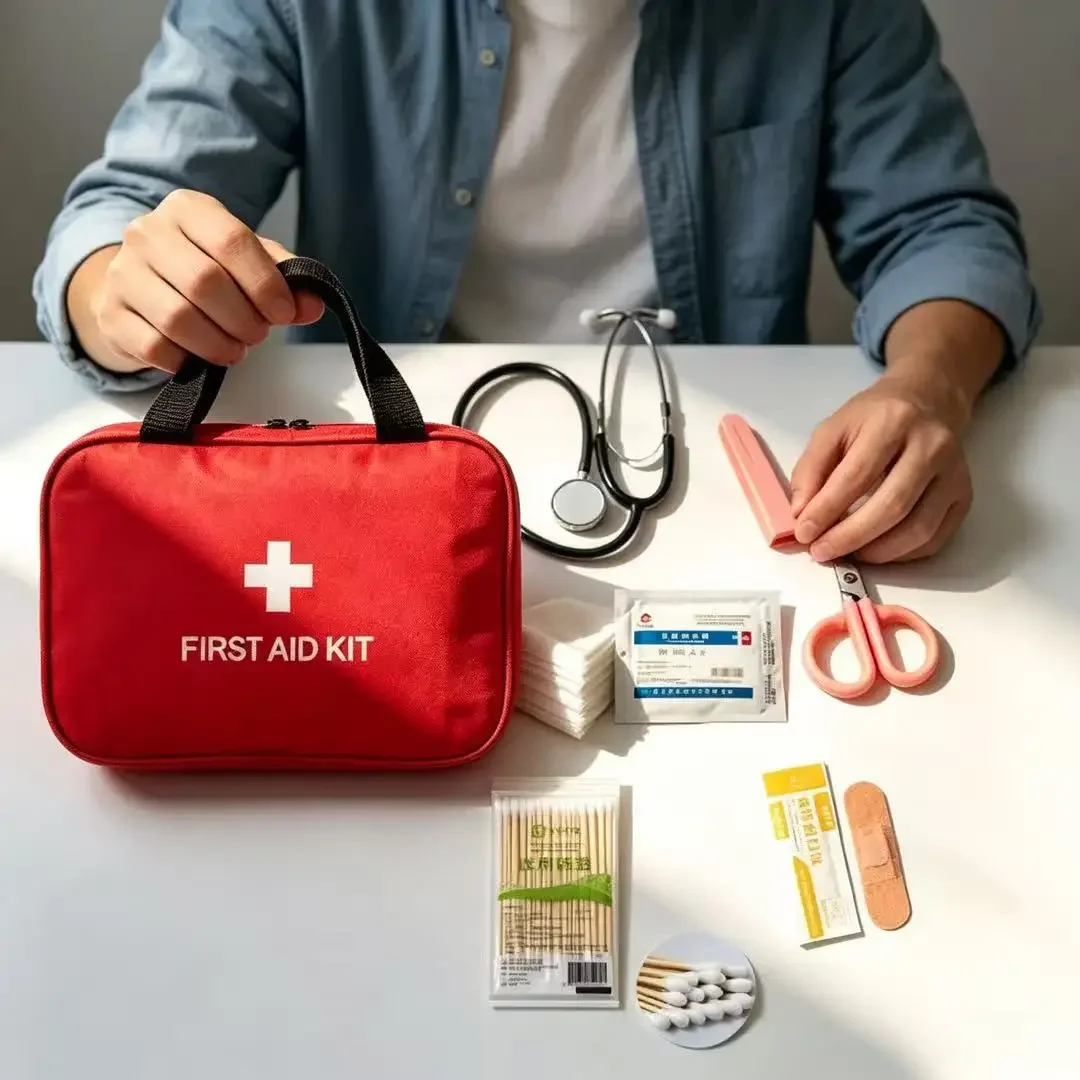
The first aid kit should be stocked for two areas: chronic illnesses (individual medication for a month) and emergency care (hemostatics, antiseptics, bandages, plasters, tourniquet, splint). Add anti-inflammatory, pain relief, anti-allergy, sorbent, and anti-diarrhea medications.
Hygiene kit: wet wipes (large pack), antibacterial gel, toothpaste and brush, laundry soap (universal), toilet paper, sanitary pads/tampons, a razor, and small scissors. For women — a supply of contraceptives.