Hydromassage has long ceased to be a feature exclusive to elite spa centers.
Today, the luxury of hydrotherapy is accessible to anyone who wants to restore strength after a workday without leaving home. Before purchasing, a logical question arises: what to choose — a full-fledged bathtub with hydromassage to buy as a stationary solution, or to opt for a compact bath applicator? According to the recommendation of the ComfortShop editorial team, the choice depends on your goals, budget, and bathroom space. Let's break down the details to make an informed decision.
Article Contents
How Hydromassage Systems Work: The Fundamental Difference
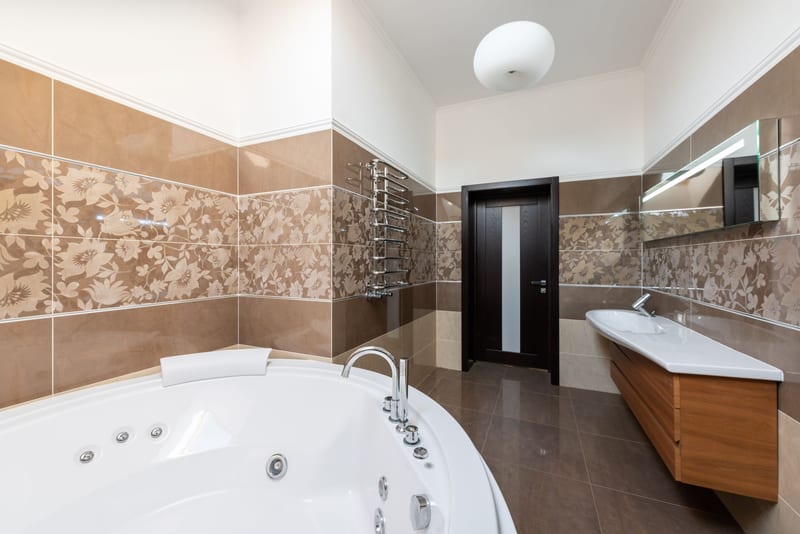
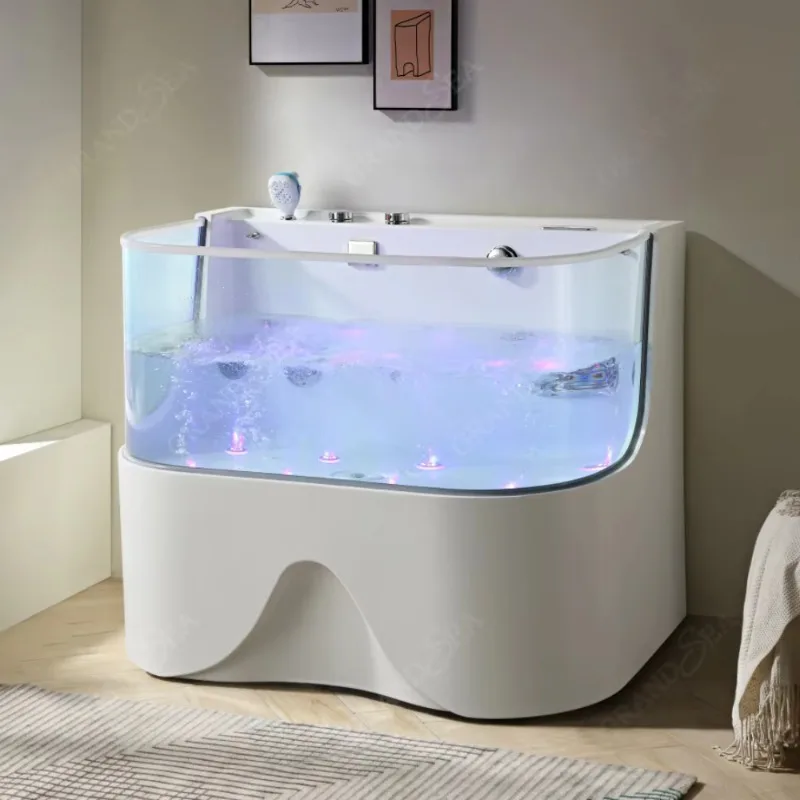
A stationary hydromassage bathtub, the price of which starts from the average market level, has built-in jets, a pump, and an air supply system. You lie down in the water, and the streams affect specific body areas: back, legs, lower back. This ensures deep muscle treatment and a lasting therapeutic effect.
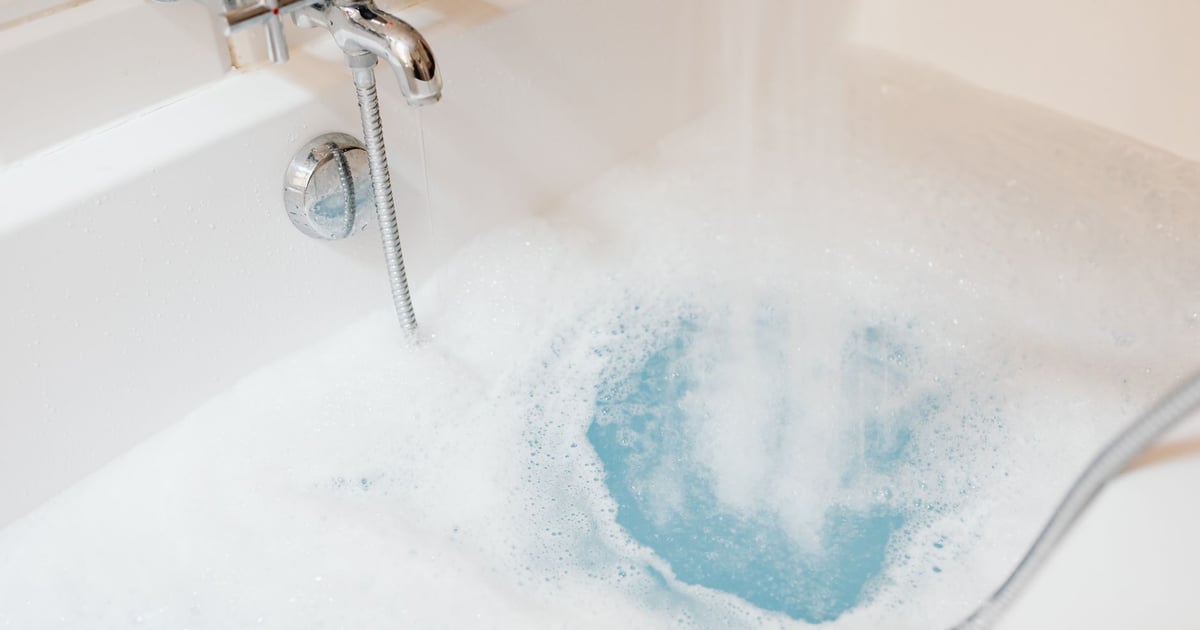
An applicator is an attachment for a regular bathtub that connects to the faucet or shower head. It creates a water flow but does not have a powerful pump. Such a device operates from the water pressure in the system, so the effect is gentler and less targeted. The applicator does not provide deep tissue massage but gives a pleasant sensation of bubbles and light vibration.
The main difference lies in the depth and intensity of the action. If you have chronic back pain or need serious relaxation after sports, the stationary model wins. For light daily relaxation, an applicator is quite acceptable.
Advantages of a Stationary Hydromassage Bathtub
When you decide to buy a bathtub with hydromassage for long-term use, you get a whole range of benefits. First, it's durability: a high-quality acrylic bowl with a reinforced frame lasts 10-15 years. Second, the availability of massage programs: from wave to point impact.
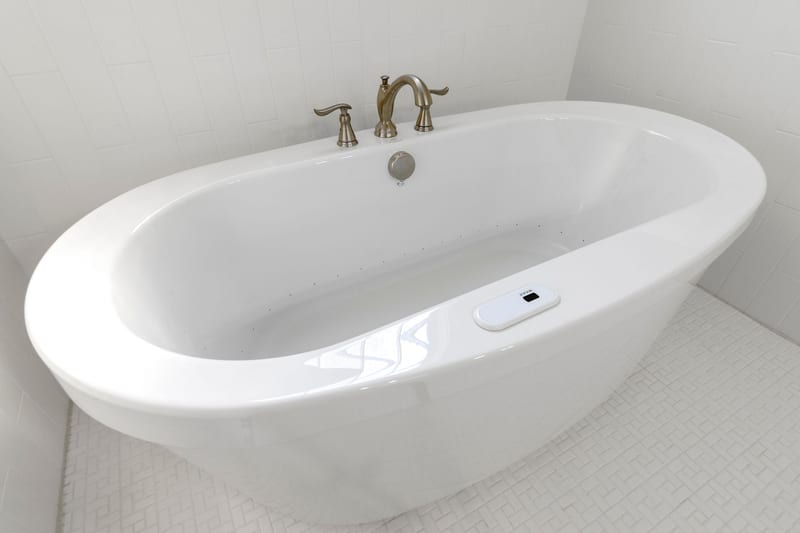
ComfortShop experts advise paying attention to models with an aeromassage function (air bubbles) and lighting. This creates a real spa atmosphere. Additionally, a stationary bathtub is installed once and does not require daily assembly and disassembly.
Disadvantages include high cost, the need for professional installation, and space requirements. For small bathrooms, this option is often impossible.
Bath Applicator: A Budget Alternative
A bath applicator is an ideal solution for rented housing or small spaces. It is many times cheaper than a stationary model, easy to install and remove. You simply hook it onto the edge of the bathtub, connect the hose to the faucet, and enjoy.
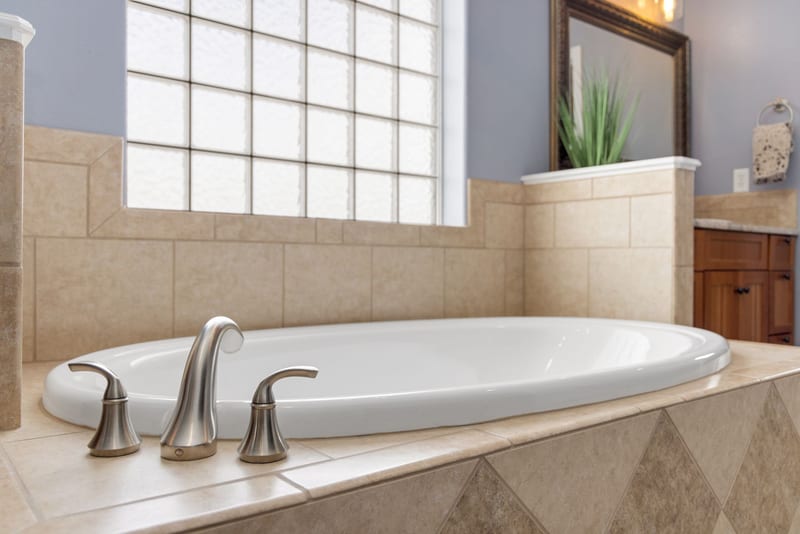
However, it is important to understand: the applicator does not create a real hydromassage. Its streams are chaotic, not adjustable in strength or direction. It is more like a jacuzzi-lite, where water simply circulates rather than massaging specific points.
Another downside is the dependence on water pressure. If your home has weak water pressure, the applicator will work inefficiently. It also takes up space in the bathroom, and after use, it needs to be dried to prevent mold.
Cost Comparison: Investment or Savings
A hydromassage bathtub, the price of which starts from 25,000 hryvnias, requires a serious initial investment. But consider: you get a ready-made solution for years without additional costs. An applicator costs 500-2000 hryvnias, which is significantly cheaper. However, its service life rarely exceeds 2-3 years due to wear and tear on the plastic and seals.
On the other hand, a stationary bathtub increases the cost of renovation and requires proper maintenance (cleaning jets, replacing filters). An applicator can simply be thrown away and a new one bought. Therefore, for temporary housing or a student apartment, an applicator is a sensible choice.
If you plan to live in your apartment for a long time and value quality relaxation, the investment in a stationary model will pay off in comfort and health.
Who Suits What: Practical Tips
For people with musculoskeletal disorders, varicose veins, or chronic fatigue, doctors recommend stationary hydromassage. It has a therapeutic effect, relieves spasms, and improves blood circulation. An applicator in such cases is only temporary relief.