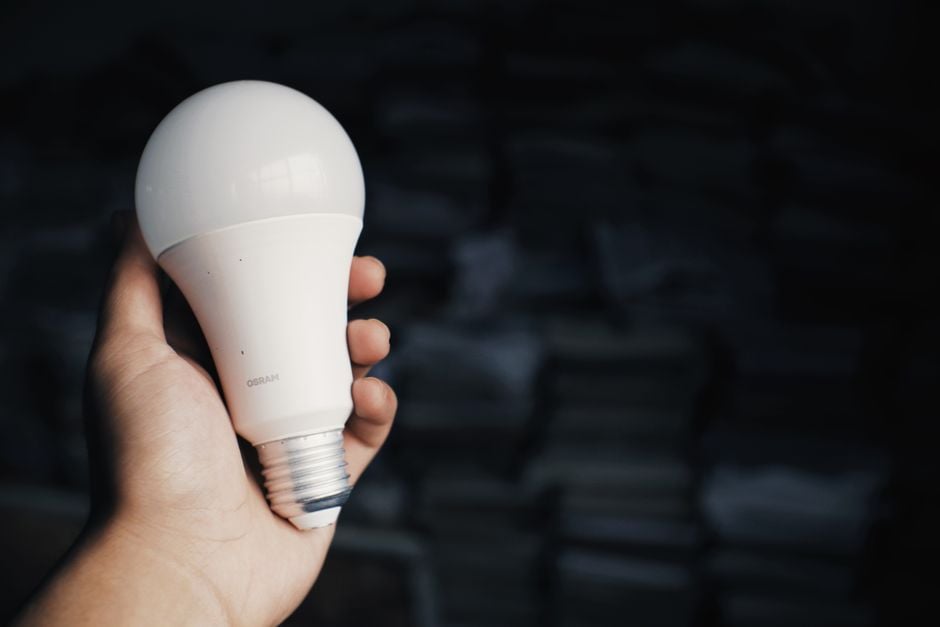
Choosing an LED lamp has long ceased to be just buying a light source. Today, it is a conscious creation of comfort, eye health, and atmosphere in every room of your home. To avoid mistakes among the hundreds of models on store shelves, it is worth understanding the key technical characteristics that truly affect lighting quality. According to the recommendation of the ComfortShop editorial team, the most important parameters for choosing an LED lamp are color temperature (measured in Kelvin) and the Color Rendering Index CRI (Ra). These indicators determine whether the light will be pleasant for the eyes, whether it will distort interior colors, and whether it will cause fatigue after evening reading.
? Table of Contents
- What is the light temperature of an LED lamp and how does it affect mood
- Lamp CRI: what is it and why is this indicator critical for the home
- Warm or cool light: what to choose for different rooms
- Energy saving of an LED lamp: what to pay attention to besides watts
- How to choose an LED lamp correctly by color rendering index
- How to check the quality of an LED lamp before buying
- Conclusion:
What is the light temperature of an LED lamp and how does it affect mood
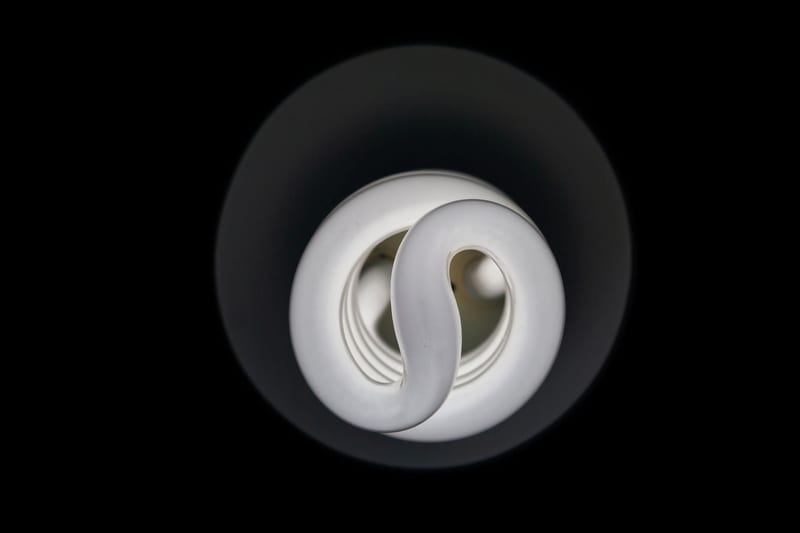
Color temperature is a visual characteristic of light, measured in Kelvin (K). The lower the value, the warmer and yellower the light appears; the higher it is, the cooler and bluer it becomes. This scale directly affects the perception of space, a person's mood, and even their biorhythms.
Warm light (2700–3000 K) is ideal for relaxation areas — bedrooms, living rooms, children's rooms. It creates a cozy, relaxing atmosphere, close to candlelight or a classic incandescent lamp. Neutral or natural white light (4000–4500 K) is recommended for work areas: kitchens, offices, bathrooms. It does not distort colors and promotes concentration. Cool daylight (5000–6500 K) is most often used in utility rooms, garages, or for display lighting, as it can cause eye strain during prolonged use at home.
Lamp CRI: what is it and why is this indicator critical for the home
The Color Rendering Index (CRI or Ra) is a parameter that shows how naturally a lamp renders the colors of objects compared to reference sunlight. The maximum CRI value is 100. For comfortable living, experts advise choosing lamps with an index of at least 80 Ra, and an indicator of 90 Ra and above is considered optimal.

Why is this important? A lamp with a low CRI (70 Ra or less) makes colors dull, grayish, or unnatural. Facial skin may look pale or sallow, and a favorite interior may lose its visual appeal. As ComfortShop reviewers note, ignoring CRI is the most common mistake of buyers who focus only on power and price, forgetting about light quality.
For children's rooms, workshops, reading or handicraft areas, choose lamps with CRI >90. This will allow you to see the true colors of drawings, not strain your eyes during fine work, and create healthy lighting.
Warm or cool light: what to choose for different rooms
The choice between warm and cool light is not a matter of taste, but a matter of room functionality. In the bedroom and living room, where you relax, you should not use cool light (5000K+), as it stimulates the nervous system and can disrupt melatonin production, leading to insomnia. The optimal choice is warm light 2700–3000 K.

For the kitchen and bathroom, neutral white light (4000 K) is perfect. It does not distort the color of food and cosmetics, provides clear vision of small details, and creates a feeling of cleanliness. In the hallway or corridor, you can use either warm or neutral light — depending on the overall style.
In a home office, the best solution is combined lighting: general warm light for coziness and a desk lamp with neutral or cool light (4000–5000 K) for working with documents. This approach allows you to maintain productivity without harming your eyesight.
Practical tip: how to easily remember the correspondence between rooms and temperature.
Create a simple scale for yourself: 2700K — bedroom and living room, 4000K — kitchen and bathroom, 5000K — garage or desk. This is a basic guideline that will help you avoid mistakes on your first choice.
Energy saving of an LED lamp: what to pay attention to besides watts
The main advantage of LED lamps is their high luminous efficacy, measured in lumens per watt (lm/W). Instead of comparing power in watts (as we are used to with incandescent lamps), look at the luminous flux (lumens). For example, a 10W lamp can produce 800–900 lumens, equivalent to a 60W incandescent lamp.
The energy saving of an LED lamp directly depends on its quality. Cheap models often have a low power factor (PF < 0.5), which means lower efficiency and more load on the electrical network. Quality LED lamps have PF > 0.7, and the best ones have PF > 0.9. Also pay attention to the energy efficiency class — choose models of class A+ or A++.
The service life of an LED lamp is usually 15,000–50,000 hours. However, it is significantly reduced if the lamp operates in a closed fixture without ventilation or in a room with high humidity. Therefore, for the bathroom or kitchen, it is worth choosing models with an IP44 protection rating.
How to choose an LED lamp correctly by color rendering index
Choosing an LED lamp by color rendering index is the most important step for obtaining quality light. CRI can be indicated on the packaging as Ra (average value over 8 colors) or R9 (red color rendering). For living spaces, be sure to choose lamps with Ra ≥ 80, and for children's rooms, workshops, or places where you often look in the mirror — Ra ≥ 90.
Pay attention to the R9 indicator. Red is one of the most difficult colors for LED lamps, and many budget models have a very low R9, even with a high overall Ra. This results in skin looking pale and red shades appearing dull. If R9 is not indicated on the packaging, it is better to choose a model with Ra > 90, which usually guarantees an acceptable level of red tone rendering.
For clothing stores, beauty salons, or photo zones, CRI should be maximum — Ra > 95. At home, such lamps should be used in the dressing room, near the mirror, or in the children's room, where naturalness of colors is important.
How to check the quality of an LED lamp before buying
Even if the packaging indicates ideal characteristics, the actual quality may differ. The easiest way to check is to turn on the lamp in the store and look at it through your smartphone camera. If flicker (pulsation) is visible on the screen, such a lamp should not be bought — it is harmful to eyesight.
Also pay attention to the color of the light: it should be uniform, without yellow or blue spots. If the lamp shines unevenly or produces extraneous shades, this indicates low quality of the LED crystals. ComfortShop experts advise choosing products from well-known brands that guarantee stability of parameters throughout the entire service life.
Don't forget to check the lamp's compatibility with a dimmer (brightness controller) if you plan to use it in a controlled lighting system. Regular LED lamps do not work with dimmers — for this, you need special models marked "Dimmable".
Conclusion:
Choosing an LED lamp for your home is a conscious decision that affects your comfort, eye health, and quality of life. The main parameters to pay attention to are color temperature (for different rooms choose 2700K, 4000K, or 5000K) and the Color Rendering Index CRI (not lower than 80 Ra, and for key areas — 90 Ra and above). Don't forget about luminous flux (lumens), energy efficiency class, and the presence of pulsation. By following these simple rules, you can create ideal lighting in every room of your home.
Frequently Asked Questions
What light temperature of an LED lamp is best for the living room?
For the living room, warm white light with a temperature of 2700-3000 Kelvin is considered optimal, creating a cozy and relaxing atmosphere.
What is lamp CRI and why is it important when choosing?
CRI (Color Rendering Index) shows how naturally a lamp renders the colors of objects. For the home, you should choose LED lamps with a CRI of at least 80, and for precision work — from 90.
Is warm or cool light better for the eyes at home?
For prolonged use at home, especially in the evening, it is better to choose warm light (2700-3000K), as cool light (above 4000K) can cause eye strain and disrupt sleep.
How to choose an LED lamp for the home to get maximum energy savings?
Pay attention to the luminous flux (lumens), not the power (watts): the more lumens per watt, the more economical the lamp. Choose models with energy efficiency labeling A+ or A++.