Meditation is a practice that requires a special atmosphere: silence, focus, and the right sensory accompaniment. That is why aroma candles for meditation have become an essential attribute for those seeking deeper immersion into their own consciousness. The live flame helps focus the gaze, while the soft scent calms the nervous system, attuning you to inner dialogue. According to the recommendation of the ComfortShop editorial team, choosing a candle should begin not with design, but with understanding what effect you want to get from your practice.
Article Contents
Why aromatherapy is important for meditation
Smell is one of the oldest senses, directly connected to the brain's limbic system, which is responsible for emotions and memory. During meditation, aromatic molecules are precisely what can quickly switch the brain from an active beta rhythm to a calmer alpha state. Aromatherapy candles for calm work more gently than diffusers, because the heat of the flame gradually releases essential oils, creating an even aromatic background without sharp spikes in concentration.
Unlike synthetic air fresheners, natural wax candles do not irritate the mucous membranes and do not cause headaches during prolonged burning. This is especially important when a session lasts 30–60 minutes and breathing becomes deep and slow. The ComfortShop editorial team notes that for regular practices, it is worth choosing candles made from pure materials — soy, coconut, or beeswax — which burn cleaner than paraffin.
In addition to the chemical composition, the very presence of fire also matters. The crackling of a wooden wick or the steady flicker of the flame becomes an additional point of focus for practitioners who find it difficult to maintain attention on their breath. Thus, candles for meditation and relaxation serve two functions at once: aromatic and visual.
The best scents for deep immersion
Choosing a scent is a deeply individual process, but there are time-tested compositions that are most often recommended for spiritual practices. They do not overload the receptors, but rather promote mental clarity and the release of muscle tension.
- Lavender and chamomile: classics for relieving anxiety and preparing for sleep. Ideal for evening meditations.
- Sandalwood and cedar: woody, grounding scents that help you feel stability and a connection with the body.
- Frankincense and myrrh: traditional resinous notes used in temple practices for centuries; they promote a sense of sacredness of the moment.
- Palo santo and sage: smoky, purifying scents for practices aimed at releasing negative emotions.
- Citrus (bergamot, neroli): light, invigorating notes for morning practices when you need clarity rather than drowsiness.
Based on an analysis of characteristics, ComfortShop recommends paying attention to mono-scents or simple compositions of 2–3 notes. Complex perfume bouquets can distract attention, forcing the brain to analyze nuances instead of calming down.
The best aroma candles for yoga usually have a light, unobtrusive trail. If you practice dynamic styles, choose fresh herbal scents (mint, eucalyptus, lemongrass) that support breathing. For restorative yoga and yoga nidra, warm, enveloping notes of vanilla, amber, or ylang-ylang are better suited.
How to choose an aroma candle for meditation: key criteria
To ensure your practice brings pleasure and benefit, it is worth paying attention to several technical details that affect the quality of burning and safety. This is especially relevant if you plan to leave the candle lit for a long time.
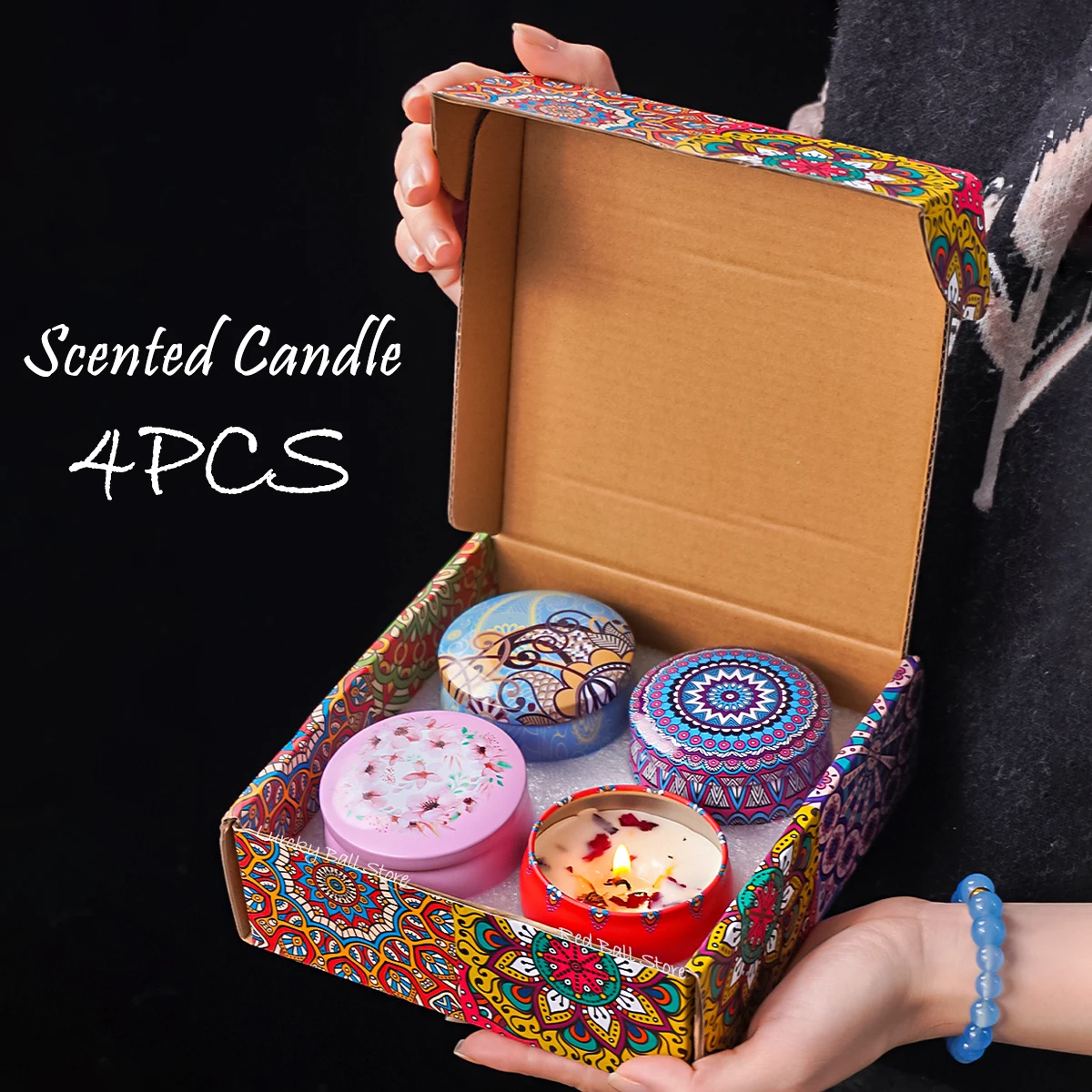
First of all, evaluate the wax composition. Soy wax burns slower and more evenly, does not produce soot, and allows essential oils to unfold gradually. Coconut wax is often blended with soy wax for better scent throw, while beeswax naturally ionizes the air, purifying it from dust and allergens.
The second important aspect is the type of wick. A wooden wick creates a soothing crackle reminiscent of a fireplace and provides a wider flame area. A cotton wick works more quietly and suits those who prefer absolute silence. Avoid candles with a metal core in the wick — when burned, it can release harmful substances.
What else to look for before purchasing.
Make sure the fragrances are natural rather than synthetic. Natural essential oils provide a therapeutic effect, while synthetic fragrances can cause headaches. Also pay attention to the volume: for a meditation room of 15–20 m², a candle weighing 150–200 grams is sufficient.
Top aroma candles for different types of practices
To make the choice easier, we have conditionally divided candles by purpose. This approach helps you navigate faster if you are just beginning your acquaintance with aromatherapy.
For morning meditation and breathing practices, choose candles with notes of eucalyptus, rosemary, or citrus. They gently stimulate the nervous system, helping you wake up and tune into a productive day. For an evening practice aimed at relaxation after a workday, lavender, chamomile, or geranium will be ideal.
Candles for relaxation with notes of vanilla, cocoa, or amber create a feeling of coziness and safety, which is especially valuable for people with high stress levels. They seem to wrap the space in a warm blanket, allowing the body to transition into recovery mode faster.
For deep spiritual practices involving visualization or energy work, candles with frankincense, myrrh, palo santo, or white sage are suitable. These scents have a long history of use in ritual contexts and help create a sense of transition from the mundane to the sacred space.
After analyzing open sources, the ComfortShop editorial team notes that sandalwood remains a universal choice for most practitioners — it does not cause allergic reactions, suits both morning and evening sessions, and pairs beautifully with other scents.
Practical tips for use
Even the highest quality candle will not reveal its potential if used incorrectly. Following a few simple rules will help extend its lifespan and make your practice more effective.
Light the candle 10–15 minutes before starting meditation so the scent has time to distribute evenly throughout the room. The first burn should last at least 1–2 hours so the wax melts to the edges of the container — this prevents the formation of a tunnel around the wick. Before each subsequent use, trim the wick to 5–7 mm so the flame is even and does not smoke.
Place the candle at a safe distance from flammable objects and away from drafts. If you meditate with your eyes closed, make sure the candle is on a stable surface where it cannot be accidentally knocked over.
Висновок:
A properly selected aroma candle for meditation can transform an ordinary practice into a deep sensory experience where scent, light, and breath work as one whole. Focus on natural composition, a simple aromatic profile, and your own feelings during the first burn. According to the recommendation of the ComfortShop editorial team, start with universal woody or lavender compositions, gradually expanding your scent collection according to the needs of your practice.
Frequently Asked Questions
Which candle scent is best suited for meditation and relaxation?
For meditation, it is best to choose calming scents of lavender, sandalwood, frankincense, or chamomile, which promote deep relaxation and stress reduction.
How do aroma candles for yoga differ from regular relaxation candles?
Candles for yoga and meditation usually have a softer, more unobtrusive scent and are made from natural materials such as soy wax, so as not to distract from the practice or cause headaches.
How to properly choose an aroma candle for meditation so it does not harm your health?
Choose candles made from 100% natural soy or coconut wax with essential oils, avoiding paraffin and synthetic fragrances, which can release toxic substances.
How long should an aroma candle be lit to achieve a calming effect?
It is enough to light the candle 10-15 minutes before starting meditation so the scent evenly fills the room, and leave it burning throughout the entire practice to maintain the atmosphere.