
Working from home is not just freedom; it is a constant struggle for attention. Neighbor noise, room chaos, or simply an uncomfortable chair can instantly destroy your work mood. The question of how to focus at home becomes a real challenge when the refrigerator, a turned-on TV, or pets are nearby. Yet, there are proven methods that help restore mental clarity without moving to an office. According to the ComfortShop editorial team's recommendation, the secret to productivity lies in the smart organization of your space and the right mindset.
Article Contents
Organizing space for attention: minimalism and order

The first thing that affects the brain's ability to process information is visual noise. Scattered papers, coffee cups, and trinkets on the desk subconsciously distract, keeping the nervous system on edge. Organizing space for attention begins with ruthlessly decluttering your work area: only the laptop, a lamp, and perhaps a notebook for notes should remain on the surface.
The color scheme also plays a significant role. Warm, natural shades (beige, olive, muted blue) are calming, while overly bright accents can provoke anxiety. It is important to establish a clear boundary between the rest area and the work area. If you work at the same table where you have dinner, your brain confuses the signals. ComfortShop experts advise using small organizers or shelving units to physically separate work tools from household items.
The next step is sensory hygiene. If your window faces a busy street, consider thick curtains or blinds that diffuse the light. This will not only reduce screen glare but also create a sense of security necessary for deep work.
Sound background: silence or productive noise
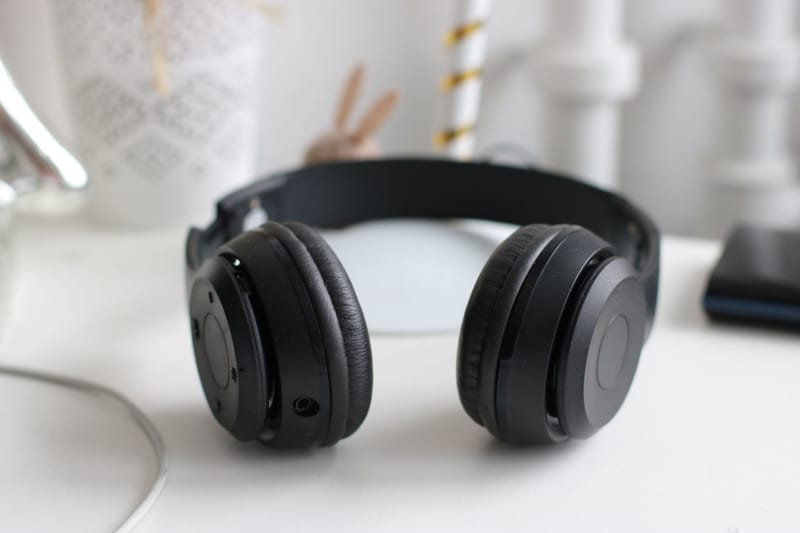
Absolute silence turns out to be just as unbearable for many as a loud din. When we try to understand what helps to concentrate, it's worth paying attention to the acoustic environment. For some, earplugs or sound-absorbing panels become the ideal solution; for others, it's specially selected music.
White noise and natural sounds.
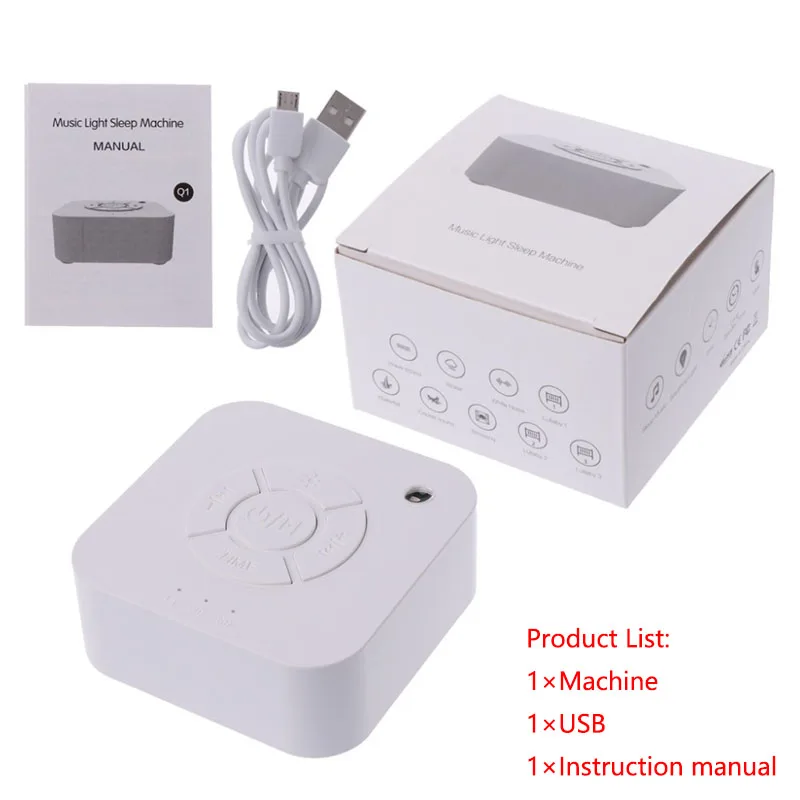
Monotonous sounds of rain, leaves, or a fan mask the sharp volume fluctuations that usually distract. Research confirms that so-called "brown noise" with deeper frequencies helps the brain enter a flow state more effectively than white noise. Try playing such tracks in the background when doing monotonous analytical work.
Also, at the ComfortShop online store, you can find compact Bluetooth speakers with clean sound that don't distort frequencies. They are perfect for playing ambient recordings without the irritating hiss of cheap speakers, allowing you to set up relaxation for productivity even in a small apartment.
Ergonomics as the foundation of mental endurance
It's impossible to think about deadlines when your back aches or your neck goes numb. Physical discomfort is the main enemy of concentration. Comfort for working at home is based on proper body positioning: hips parallel to the floor, elbows bent at a 90-degree angle, and the top edge of the monitor at eye level.
As ComfortShop reviewers note, you don't necessarily need to buy a bulky executive chair. Often, an ergonomic lumbar cushion or an adjustable laptop stand is enough. These accessories can drastically improve your posture and delay fatigue. When the muscle corset is relaxed, blood flow to the brain improves, and consequently, cognitive abilities increase.
Don't forget about micro-movements. Even the most comfortable chair can't replace a short warm-up every 45 minutes. Hang a pull-up bar on the wall or keep a hand gripper nearby — this helps release tension and restore mental clarity.
Microclimate: temperature, air, and lighting
A stuffy room literally makes the brain sleepy. When we look for practical tips for focus, we often ignore basic physiology. The optimal temperature for mental activity is 21-23°C. If the room is colder, the body spends energy on warming up; if it's hotter, on cooling down — and in both cases, the resources available for work decrease.
CO₂ levels are also critical. In an unventilated room, the concentration of carbon dioxide rises within an hour to the point where you feel a "fog in your head." Regular ventilation or using an air humidifier with a purification function is not a luxury but a necessity for those who want to understand how to improve concentration without stimulants.
Regarding light: warm yellow light relaxes, while cool white light (4000-5000K) invigorates and sets the mood for work. Ideally, use smart lamps with adjustable color temperature: turn on the cool spectrum in the morning and gradually transition to warm light towards the evening.
Rituals and attention management techniques
The space is prepared, but the brain still resists work. In this case, behavioral techniques come to the rescue. The most famous is "Pomodoro": 25 minutes of work and 5 minutes of rest. However, for home conditions, the "90/30" method, which aligns with natural sleep-wake cycles, is often more effective.
To switch from household mode to business mode, create a ritual. It could be a cup of a specific tea that you drink only before starting, or a short breathing exercise. Such anchors help develop a conditioned reflex. Relaxation for productivity is about consciously slowing down before a sprint, not about laziness.

Limit the information flow. Before starting work, close all unnecessary browser tabs and switch your smartphone to airplane mode. Our brain is not capable of true multitasking, and every notification knocks you off track for at least 15 minutes.
Aromatherapy and sensory stimulation
The sense of smell is the oldest perceptual channel, directly connected to the limbic system. Scents can instantly boost attention or, conversely, lull you to sleep. For mental activity, the best essential oils are rosemary, peppermint, and lemon. They stimulate the nervous system without the side effects of coffee.
Use ultrasonic diffusers that silently disperse the scent without heating the oil. This is a safe way to create a lasting association of "this smell means it's time to work." Avoid heavy, sweet aromas (vanilla, sandalwood) in the first half of the day; they are better suited for evening relaxation.
Conclusion:
The ability to maintain focus at home is a complex habit built from small details: from monitor height to air temperature. Properly adjusted lighting, minimalism on the desk, and a mindful approach to the sound background will tell you how to focus at home effectively. Create a space where every element works for your productivity, and your brain will reward you with deep concentration even amidst the hustle and bustle of home life.
Frequently Asked Questions
How to focus quickly if you're constantly distracted at home?
Use the "deep work" technique: close the door, put on noise-canceling headphones, and work in 25-minute intervals with short breaks.
What helps to concentrate when fatigue prevents you from working?
Take a 10-minute pause with relaxation exercises or a light warm-up — this improves blood circulation and restores mental clarity.
How to organize space for attention if you don't have a separate office?
Designate a permanent workspace, remove everything unnecessary from the desk, and use a screen or shelving unit to visually separate your focus zone.
Which practical tips for focus work best at home?
Make a daily plan, keep your phone out of sight, and use natural lighting — these are three key steps for stable concentration.