Fitness belts and braces have long been an integral part of the gear of both professional athletes and fans of an active lifestyle. They help stabilize the core, reduce the risk of injury, and increase the effectiveness of strength exercises. However, choosing the right accessory requires understanding the difference between a rigid orthopedic brace and an elastic fitness belt for training. According to the recommendation of the ComfortShop editorial team, before buying you should clearly define the goal: supporting the lower back during heavy squats or creating a thermal effect for figure correction.
Table of contents
Main types of fitness belts and their purpose
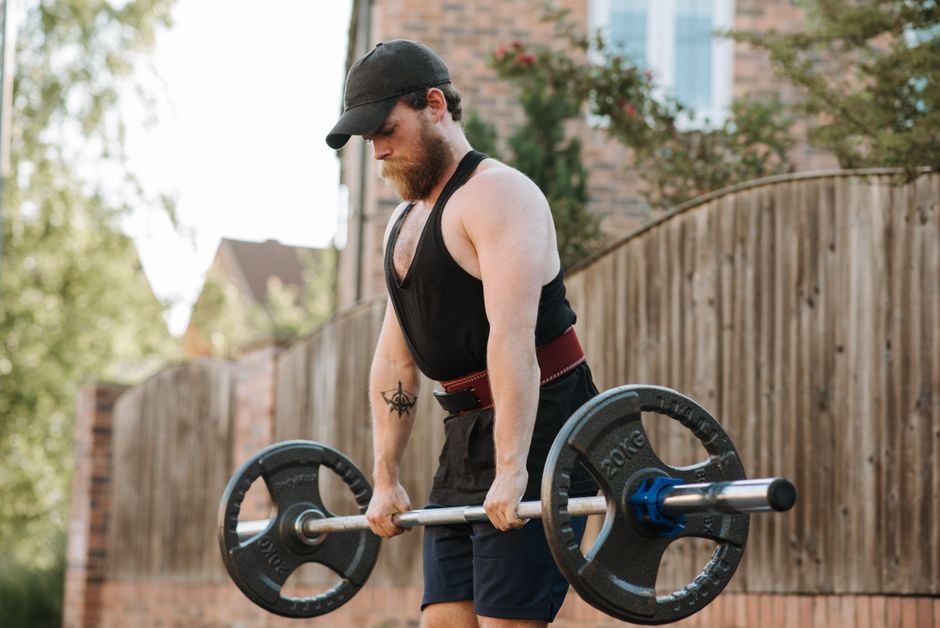
The modern market offers several categories of belts, each of which performs specific functions. First of all, this is the classic sports brace for strength training, made of dense leather or nylon. Its main task is to create intra-abdominal pressure that protects the spine from overload during work with heavy weights.
The second large group is weight loss belts, which often have a neoprene base. They work on the sauna principle: they increase local body temperature, stimulate sweating, and visually reduce the waist circumference. However, it is worth understanding that such an effect is temporary and does not replace diet or cardio exercise.
Separately, it is worth highlighting orthopedic braces, which are used not only in sports but also in rehabilitation. They have stiffening ribs and reliable fixation, which allows unloading the back muscles with osteochondrosis or after injuries.
How to choose the right belt for the back and lower back
The choice of a back belt depends on the intensity of the loads. For powerlifting and weightlifting, the ComfortShop editorial team advises paying attention to rigid models with the same width along the entire length. They provide maximum support for the lower back and prevent the spine from arching into a dangerous range of motion.
For fitness, CrossFit, or home workouts with moderate weights, a soft or semi-rigid training brace is sufficient. It does not restrict movement, allows you to bend and twist freely, while at the same time reminding you of the correct position of the back. After analyzing open sources, ComfortShop notes that universal nylon models with Velcro are the most popular choice among beginners.
It is important to determine the size correctly. The belt should fit snugly around the waist but not compress the internal organs. Measure your waist circumference at the level of the navel and check against the size chart of the specific manufacturer on the seller's website.

Weight loss belt: myths and real benefits
There is considerable debate around weight loss belts. They do not burn fat directly but can be a useful auxiliary tool. During intense cardio or running, a neoprene belt increases the temperature in the abdominal area, which promotes more active sweating and the removal of excess fluid.
Such an accessory also helps keep the abdominal muscles toned and control posture during training. However, it is worth remembering the contraindications: it is not recommended to use a thermal belt with kidney diseases, varicose veins, and gynecological problems. Before use, it is advisable to consult a doctor.
To achieve a lasting result, combine wearing the belt with regular physical exercise and a balanced diet. Only an integrated approach will give a noticeable and long-lasting effect.
Orthopedic brace: when rigid fixation is needed
An orthopedic brace for the lower back differs from a sports one by the presence of additional stiffening ribs, often made of metal or durable plastic. Its main function is immobilization and unloading of the spine. Such models are prescribed for sciatica, hernias, displacement of vertebrae, or in the postoperative period.
In a sports context, a rigid lower back belt is used by athletes who have chronic back problems but do not want to stop training. It takes on part of the load, supporting the muscle corset. However, constant wearing of such a brace can lead to weakening of your own muscles, so it should be worn only during heavy sets.
Pay attention to the materials: the inner part should be made of breathable fabric to avoid skin irritation during prolonged exercise.
Practical tips on use and care
For the fitness belt for training to last a long time, it needs proper care. Wipe leather models with a damp cloth and periodically treat them with special conditioners so that the leather does not crack. Nylon and neoprene belts can be washed by hand in warm water with mild soap.

During training, put on the belt immediately before a working set, and between sets, loosen or remove it. This will allow normal blood circulation and breathing to be restored. Do not tighten the belt too much: you should be able to take a deep diaphragmatic breath.
Remember that a sports brace is a safety aid, not a replacement for proper technique. No belt will save you from injury if you neglect basic safety principles.
Conclusion:
The choice between a fitness belt, an orthopedic brace, or a weight loss belt depends on your goals and health condition. For strength training, choose rigid models; for cardio, neoprene ones; and if you have back problems, give preference to orthopedic options with stiffening ribs. Based on the analysis of characteristics, the ComfortShop editorial team recommends paying attention to the quality of materials and the reliability of fixation, and always check the current price and delivery terms on the seller's website.
Frequently asked questions
Does a weight loss belt help burn belly fat?
No, a fitness belt for training does not burn fat locally — it only enhances sweating and creates a thermal effect. The result depends on the training regimen and nutrition, not on the belt itself.
How does a sports brace differ from an orthopedic one?
A sports brace is usually elastic and lightweight, intended for support during exercise, whereas an orthopedic brace has stiffer ribs and a medical purpose. For training, choose sports models, and orthopedic ones — as recommended by a doctor.
How to choose the right size of a lower back belt?
Measure your waist circumference with a measuring tape and check against the size chart of the specific seller — it differs between models. Check the size chart and return conditions on the seller's website before purchasing.
Can you wear a back belt all day?
A back belt is intended for support during exercise or as recommended by a doctor, not for constant wearing throughout the day. Prolonged use can weaken your own muscles, so follow the manufacturer's instructions.