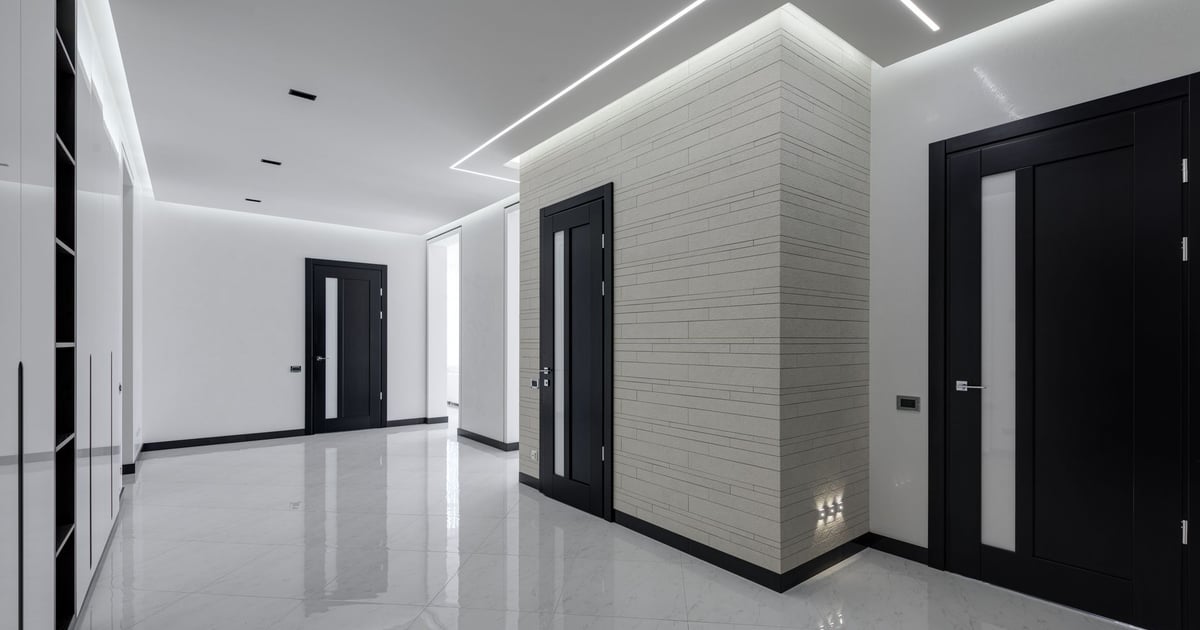
LED panels for stretch ceilings have become a true trend in modern interiors, as they combine stylish design, functionality, and energy savings. Unlike traditional chandeliers, such fixtures create uniform, soft lighting without harsh shadows, which is ideal for work areas and living rooms. However, to get the maximum benefit, it is important to know how to choose the right device. According to the recommendation of the ComfortShop editorial team, before purchasing, you should pay attention to technical specifications, installation type, and energy consumption level.
Article Contents
Design Features and Operating Principle
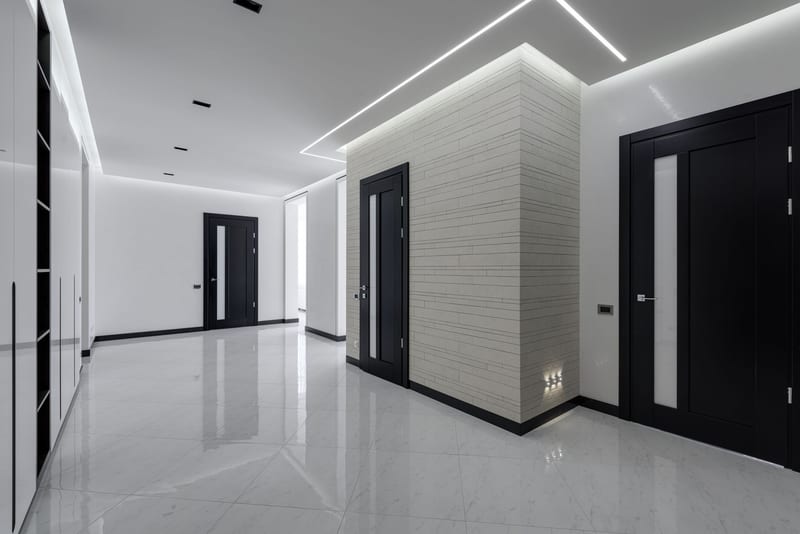
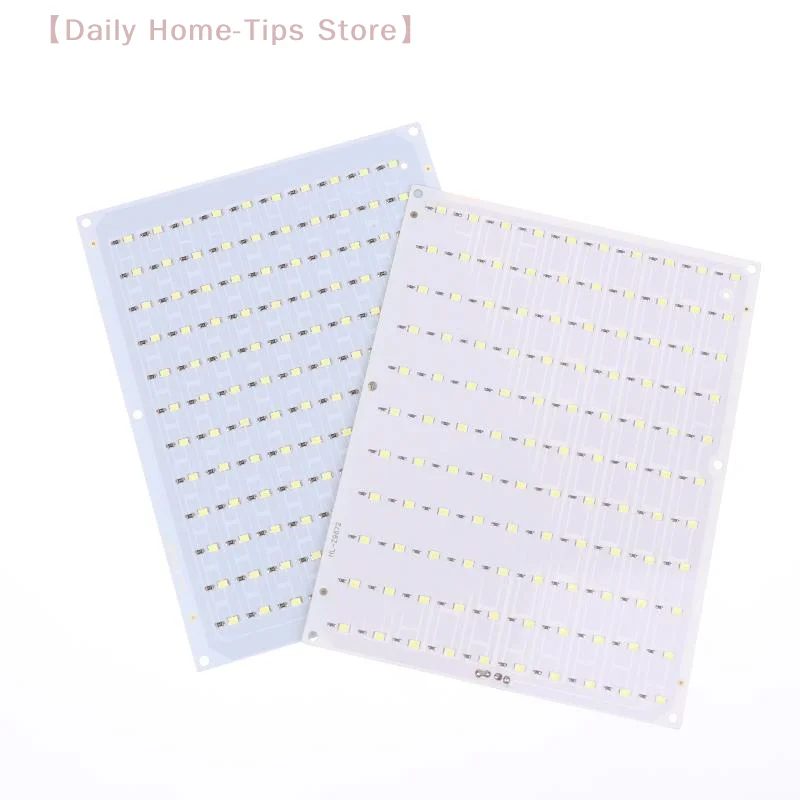
An LED panel is a thin housing containing LED diodes and a light diffuser. This design allows for uniform lighting without point-to-point brightness variations. Modern models have a thickness of only 8-12 millimeters, making them almost invisible on the surface of a stretch ceiling.
For stretch ceilings, the thermal operating mode of the device is especially important. High-quality LED panels for stretch ceilings feature an aluminum radiator that effectively dissipates heat, preventing deformation of the fabric. ComfortShop experts advise choosing models with an IP20 rating or higher if installation in damp rooms is planned.
Energy Efficiency and Resource Savings
One of the main reasons for the popularity of LED solutions is their ability to significantly reduce electricity costs. Energy-saving LED panels consume up to 80% less energy compared to incandescent lamps, while providing an equivalent or even higher luminous flux.
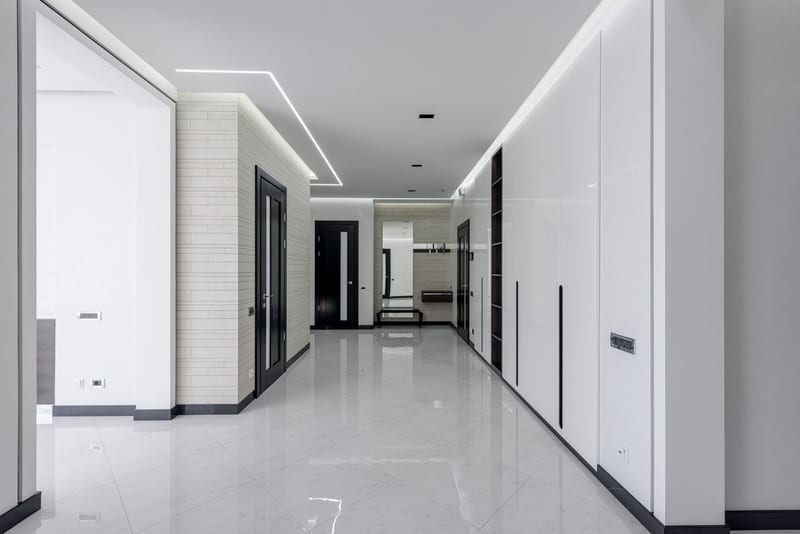
For example, a 36 W panel can replace a conventional 200 W lamp. The service life of high-quality LED elements reaches 50,000 hours, allowing you to forget about replacing bulbs for decades. As ComfortShop reviewers note, LED panels are energy-efficient not only due to low consumption but also thanks to minimal heating, which reduces the load on the air conditioner in summer.
How power affects electricity costs.
To calculate savings, simply compare watts: the lower the power at high brightness (lumens), the more advantageous the purchase. The optimal ratio is considered to be 80-100 lumens per 1 watt. When choosing LED panels for a stretch ceiling, always pay attention to this parameter — it ensures the device will be truly economical.
Color Temperature and Lighting Brightness
Color temperature is measured in Kelvin (K) and determines the shade of light — from warm yellow to cool blue. For stretch ceilings, neutral white light (4000-4500 K) is most often chosen, as it does not distort furniture colors and does not tire the eyes.
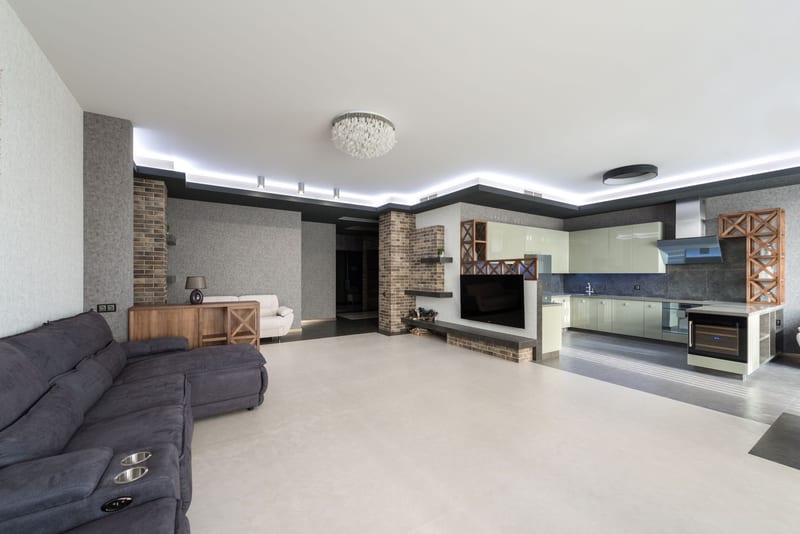
Warm light (2700-3000 K) creates a cozy atmosphere in the bedroom, while cool light (5000-6500 K) stimulates concentration in the office or kitchen. It is important to remember that for glossy stretch ceilings, cool light can produce unwanted glare, so it is better to opt for neutral tones.
Installation Types: Surface-Mounted, Recessed, and Mounted with Brackets
The method of installing an LED panel directly affects the appearance of the ceiling and the complexity of installation. Surface-mounted models are attached on top of the fabric using special platforms — this is the simplest option that does not require dismantling the fabric.
Recessed panels are installed into a built-in structure before the ceiling is stretched, creating the effect of a "floating" fixture flush with the surface. There are also models on rods or cables that visually resemble modern chandeliers. When choosing LED panels for the ceiling, consider the room height: for low rooms, recessed options are better suited.
Selection Criteria for Different Rooms
For the living room, a panel with a power of 40-60 W with brightness adjustment capability (dimmer) is optimal. In the bedroom, it is better to use devices with a warm color temperature and a power of 20-30 W to create a relaxing atmosphere.
For the kitchen or home office, choose models with a high color rendering index (CRI > 80), as this ensures natural color reproduction of food and documents. In the bathroom, be sure to use moisture-proof LED panels for stretch ceilings with an IP44 rating or higher — they are not afraid of condensation and splashes.
Additional Features: Dimmers and Motion Sensors.
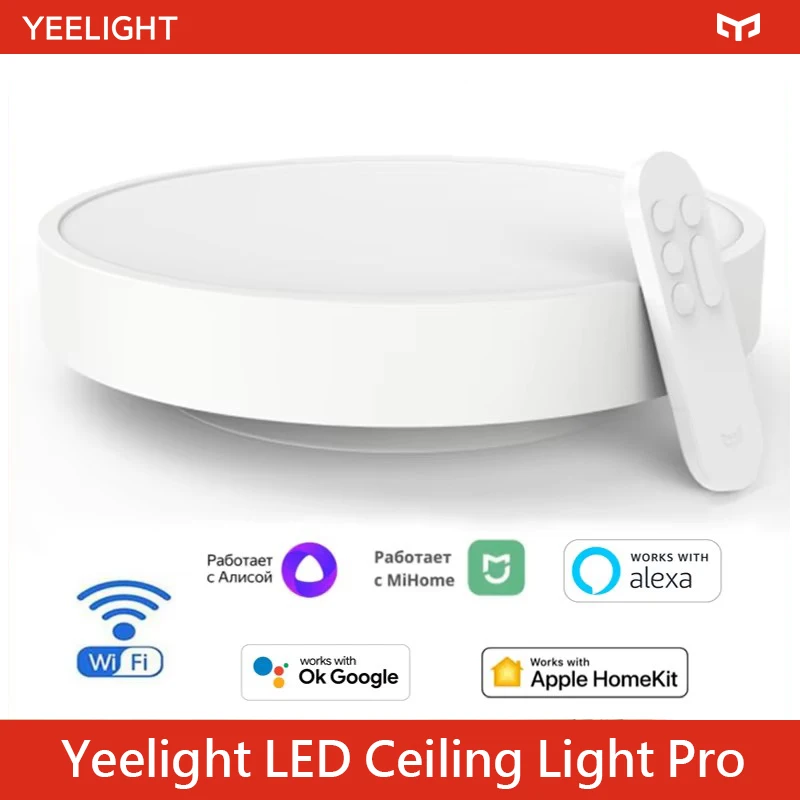
The ability to adjust brightness significantly expands lighting usage scenarios. Some models support smooth dimming, allowing you to change light intensity depending on your mood. Motion sensors automatically turn on the light when a person appears — this is convenient for hallways and pantries.
Conclusion:
LED panels for stretch ceilings are a modern, economical, and stylish solution for any interior. When choosing a device, pay attention to the ratio of power and luminous flux, color temperature, installation type, and protection level. Energy-saving LED panels will not only reduce your electricity bills but also last for many years without needing replacement. We recommend choosing proven models with a warranty to be confident in the quality of your home lighting.
Frequently Asked Questions
Can an LED panel be installed in any stretch ceiling?
Yes, most LED panels for ceilings are compatible with all types of stretch fabrics, but it is important to use special mounting elements to prevent overheating and deformation of the film.
How do LED panels affect energy consumption compared to conventional lamps?
Energy-saving LED panels consume up to 80% less electricity than incandescent lamps and have a significantly longer service life, making them the most energy-efficient choice for stretch ceilings.
What LED panel power should I choose for a room of 15-20 sq. m?
For standard lighting of a living room or bedroom with an area of 15-20 sq. m, one LED panel with a power of 36-48 W is sufficient, providing brightness equivalent to a 200-250 W incandescent lamp.
Can the brightness of LED panels for stretch ceilings be adjusted?
Yes, most modern LED panels support dimming, but for this, you need to choose models marked "Dimmable" and use a compatible dimmer, allowing you to smoothly change the lighting level.