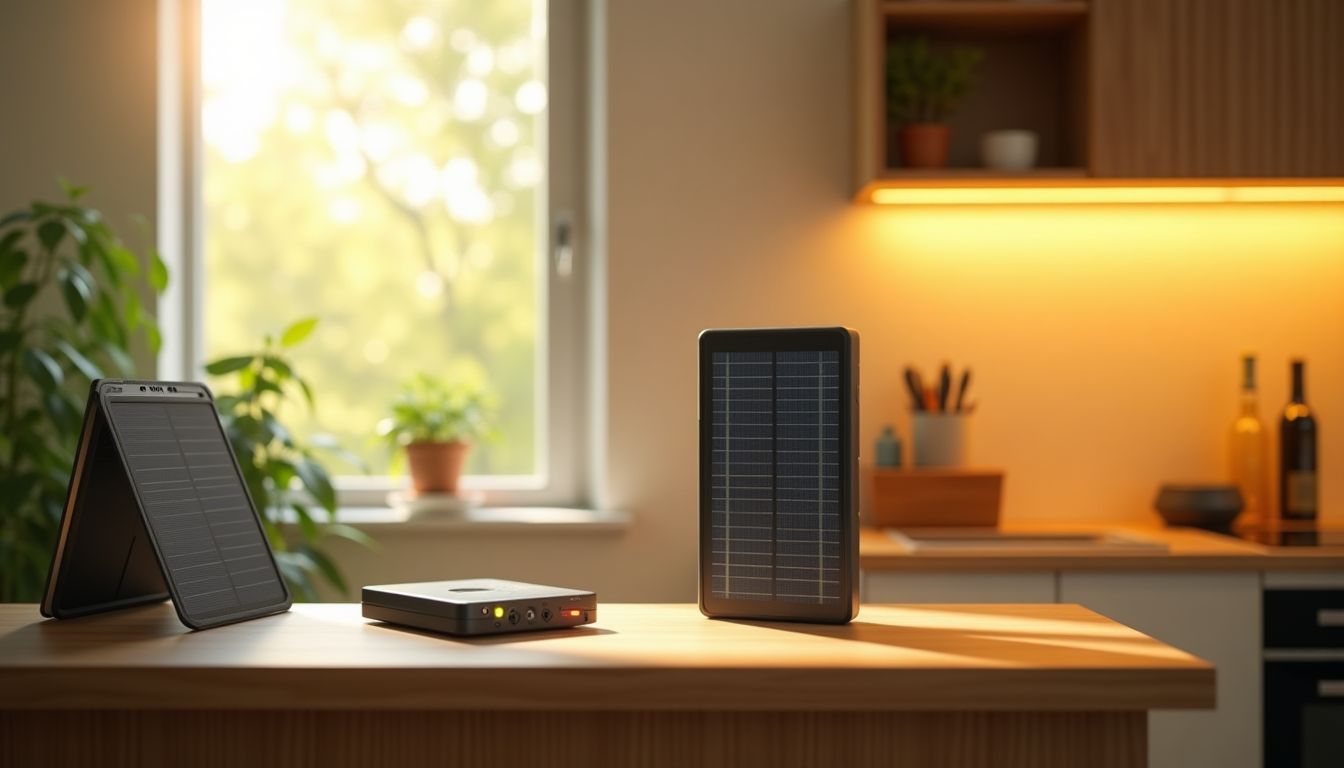
A modern home is filled with dozens of electrical appliances, making it increasingly difficult to control expenses. This is why electricity monitoring devices are transforming from a specialized tool into a basic necessity for anyone who cares about their family budget. According to the recommendation of the ComfortShop editorial team, implementing even the simplest metering systems can reduce monthly bills by 15–25%. In this article, we will look at how such devices work, what types are available, and how to choose the optimal solution for a house or apartment.
Article Contents
Why is electricity consumption control needed?
Most of us are used to accepting electricity bills as a given, without delving into the details. However, without a conscious approach to expenses, it is impossible to build an effective saving strategy. Electricity consumption control is not just about recording kilowatt-hours, but an opportunity to see the real picture of a home's energy efficiency.
Often, we don't even realize that an old refrigerator or a water heater running without a timer consumes significantly more than its rated specifications. Timely detection of such energy "guzzlers" allows not only to save money but also to prevent emergency situations related to network overload.
Besides the financial benefit, detailed consumption analysis fosters environmental awareness. Understanding how many resources are wasted, users more often switch to energy-efficient appliances and optimize their own habits.
Types of energy monitoring devices for the home
The market offers a wide range of solutions: from simple mechanical indicators to complex hardware and software systems. The choice of a specific type depends on the depth of analysis you want to obtain and the budget you are willing to allocate for energy-saving systems.
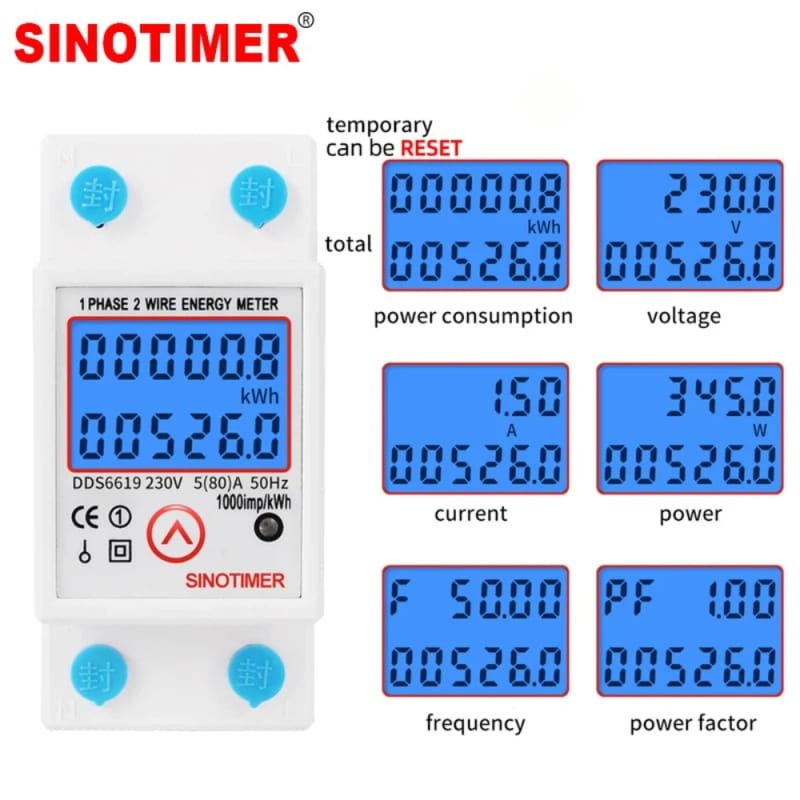
Smart meters and current sensors.
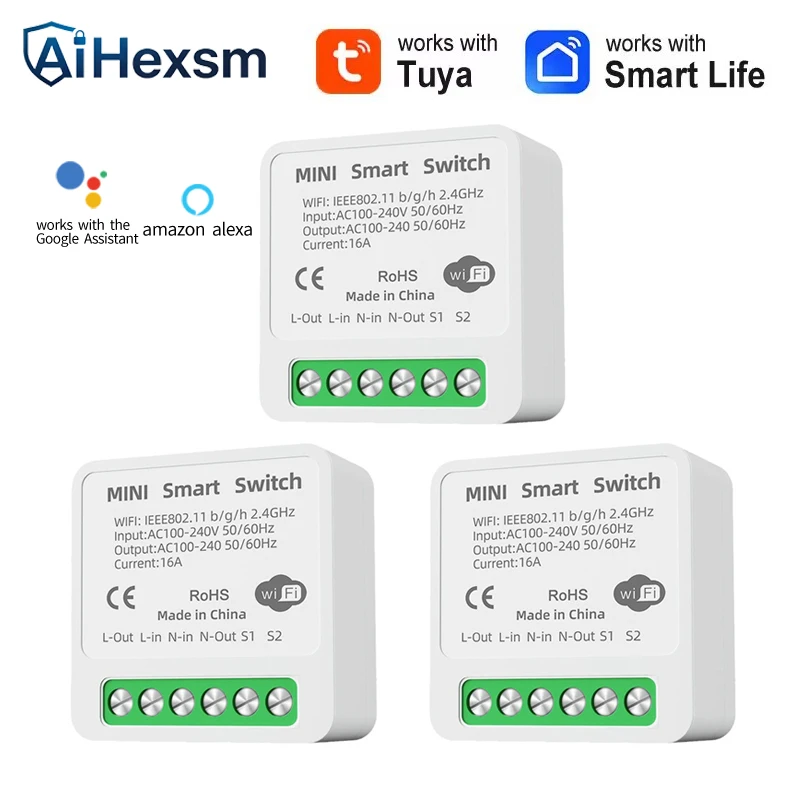
The most advanced option is an electricity meter with monitoring, which is installed directly at the apartment's main supply. Such devices can not only provide accurate electricity metering but also transmit data to a smartphone via Wi-Fi or Zigbee. They record voltage, frequency, power factor, and allow building detailed load graphs by the hour.
For those not ready to replace their standard meter, clamp-on current sensors (CT clamps) are ideal. They are mounted on the phase cable in the electrical panel without interfering with the existing connection scheme. As ComfortShop reviewers note, this is an optimal compromise between measurement accuracy and ease of installation.
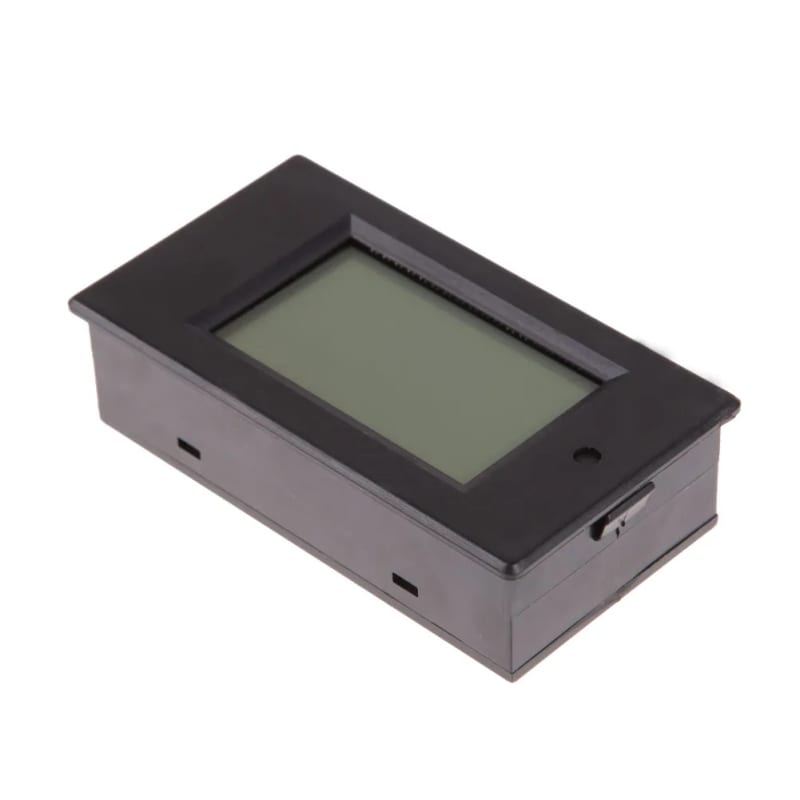
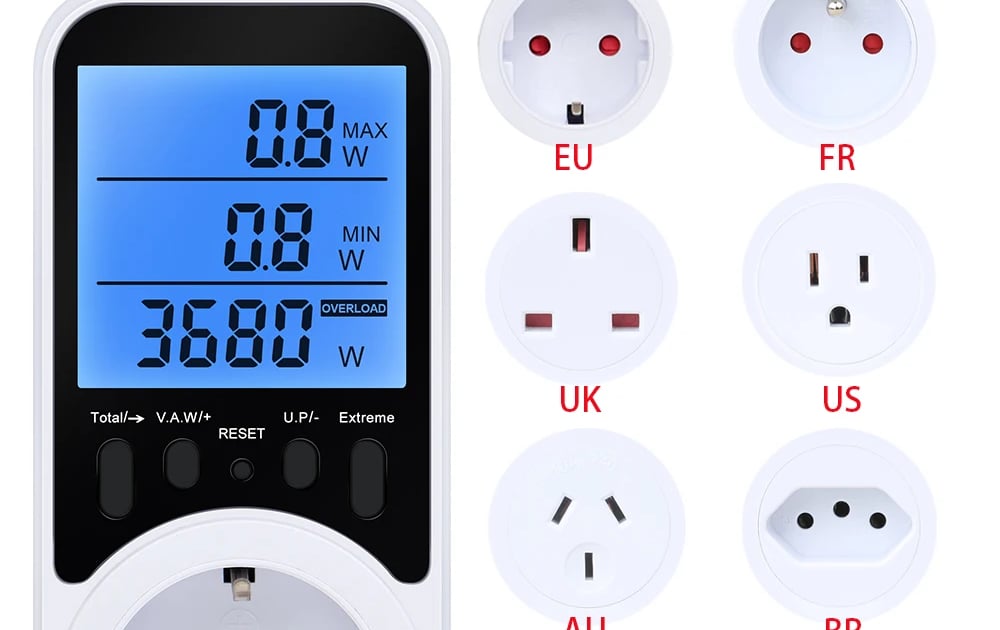
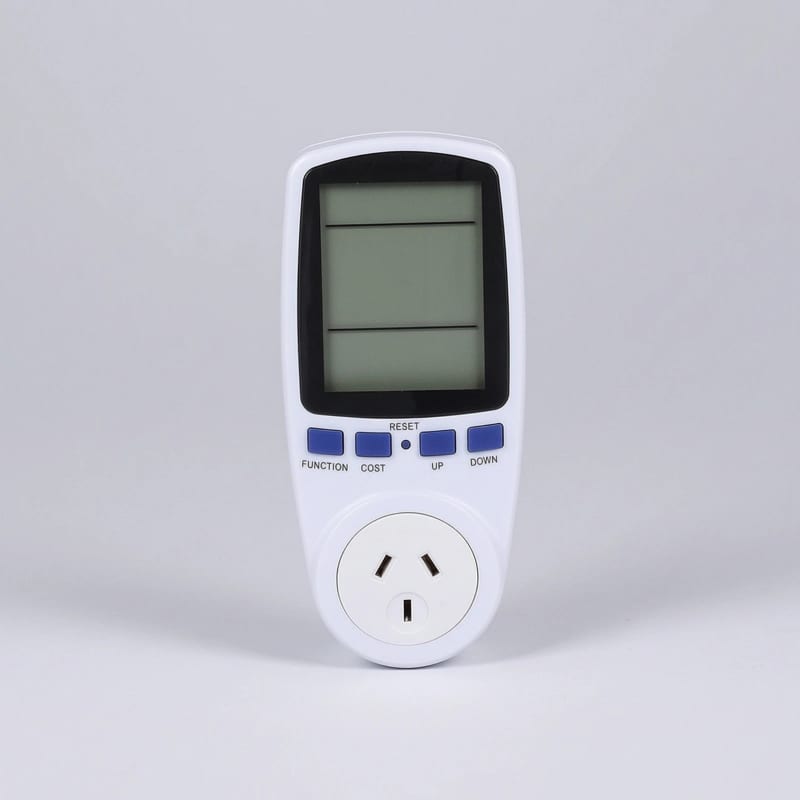
Local wattmeters for the apartment.
If your goal is to check a specific appliance rather than the entire network, you should consider a plug-in wattmeter for the apartment. This is a compact adapter between the wall socket and the appliance plug. It instantly shows the current power, accumulated energy over a wash cycle or heater operation, and also calculates the cost based on the entered tariff.
Such models are indispensable for auditing old appliances. By plugging a TV or microwave through it, you might be surprised to discover significant standby consumption, which often accounts for up to 10% of the monthly bill.
How a real-time metering system works
Modern home energy monitoring is based on the principle of continuous data collection. A central controller (gateway) receives signals from current sensors or the meter's pulse output and transmits them to a cloud service. The user sees not just dry numbers, but visualized reports in a mobile app.
Machine learning algorithms eventually begin to recognize characteristic operating patterns of different devices. For example, the system can determine exactly when the water heater turns on and send a notification if it runs longer than usual. This transforms simple electricity metering into a proactive home management tool.
Most platforms support scenario configuration. When a power threshold is exceeded, secondary loads can be automatically turned off, preventing circuit breakers from tripping. And when switching to a night tariff, powerful appliances can be started for maximum benefit.
Criteria for choosing reliable monitoring equipment
The variety of offers often leaves the buyer confused. To avoid mistakes, it's worth focusing on several key technical parameters that determine accuracy and ease of use.
Connection type and compatibility.
Before purchasing, be sure to check whether the device supports a single-phase (220 V) or three-phase (380 V) network. For an apartment, a single-phase solution is usually sufficient, while for a private house with powerful heating equipment, it is better to choose a three-phase electricity meter with monitoring. Integration with your smart home ecosystem (Google Home, Apple HomeKit, or universal Tuya) is also critically important.
ComfortShop experts advise paying attention to the device's accuracy class. For household use, class 1.0 (error up to 1%) is sufficient, but if you plan to use the data for commercial calculations or disputes with the supplier, choose models with an accuracy class of 0.5S or higher.
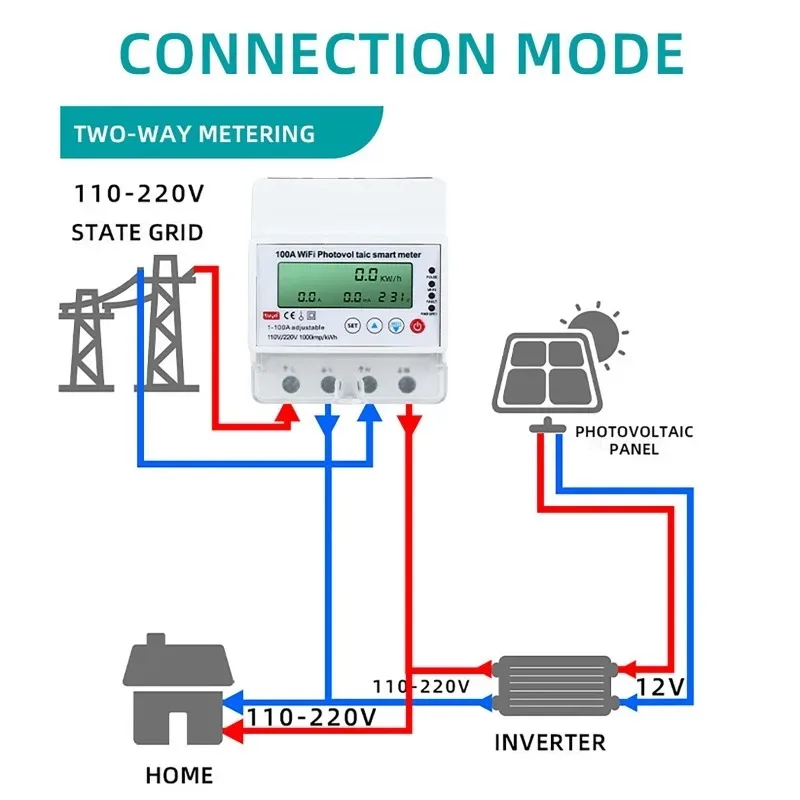
Equally important is the power supply method and the presence of backup memory. High-quality energy-saving systems should store accumulated readings during a power outage, so you don't lose a month's statistics due to a voltage spike.
Practical saving tips based on monitoring data
It's not enough to simply install the equipment — it's important to learn how to interpret the numbers obtained. The first week of observation is usually a revelation: it turns out that chargers left in sockets create a noticeable background load.
Analyze your nighttime consumption. If the graph shows over 100-150 W between 2:00 AM and 5:00 AM, this is a reason to check the refrigerator, video surveillance system, or router. Often the problem lies in a faulty automation component or a clogged capacitor.
Use the day-of-week comparison function. If consumption doubles on weekends, try moving some tasks (laundry, cooking) to weekdays or nighttime. Implementing such simple habits, backed by accurate electricity metering, quickly returns the investment in monitoring equipment.
Conclusion:
Electricity monitoring devices are no longer a luxury but a necessary element of a modern home, allowing you to keep your finger on the pulse of the family budget. Regardless of whether you choose a comprehensive electricity meter with monitoring for the whole house or a compact wattmeter for the apartment, you will get a transparent picture of your expenses. By investing in energy-saving systems today, you ensure stable savings and protection from unforeseen costs in the future.
Frequently Asked Questions
Which electricity monitoring devices are best suited for an apartment?
For an apartment, compact plug-in wattmeters or systems with clamps on the incoming cable are optimal, as they do not require complex installation and allow tracking the consumption of individual appliances or the total load.
Do energy-saving systems really help reduce electricity bills?
Yes, home energy monitoring systems help identify devices with high energy consumption and inefficient operating modes, allowing you to adjust habits and reduce costs by 10-30% without losing comfort.
How does an electricity meter with monitoring work and how is it different from a regular one?
A meter with monitoring has a built-in communication module (Wi-Fi or Zigbee) and transmits real-time consumption data to a smartphone, whereas a regular meter only records the total amount of energy used for manual reading.
Can I install an electricity consumption control device myself?
Most household wattmeters and smart plugs are installed by simply plugging them into a socket, but for energy metering systems on a DIN rail in the electrical panel, it is recommended to call a qualified electrician for safe connection.