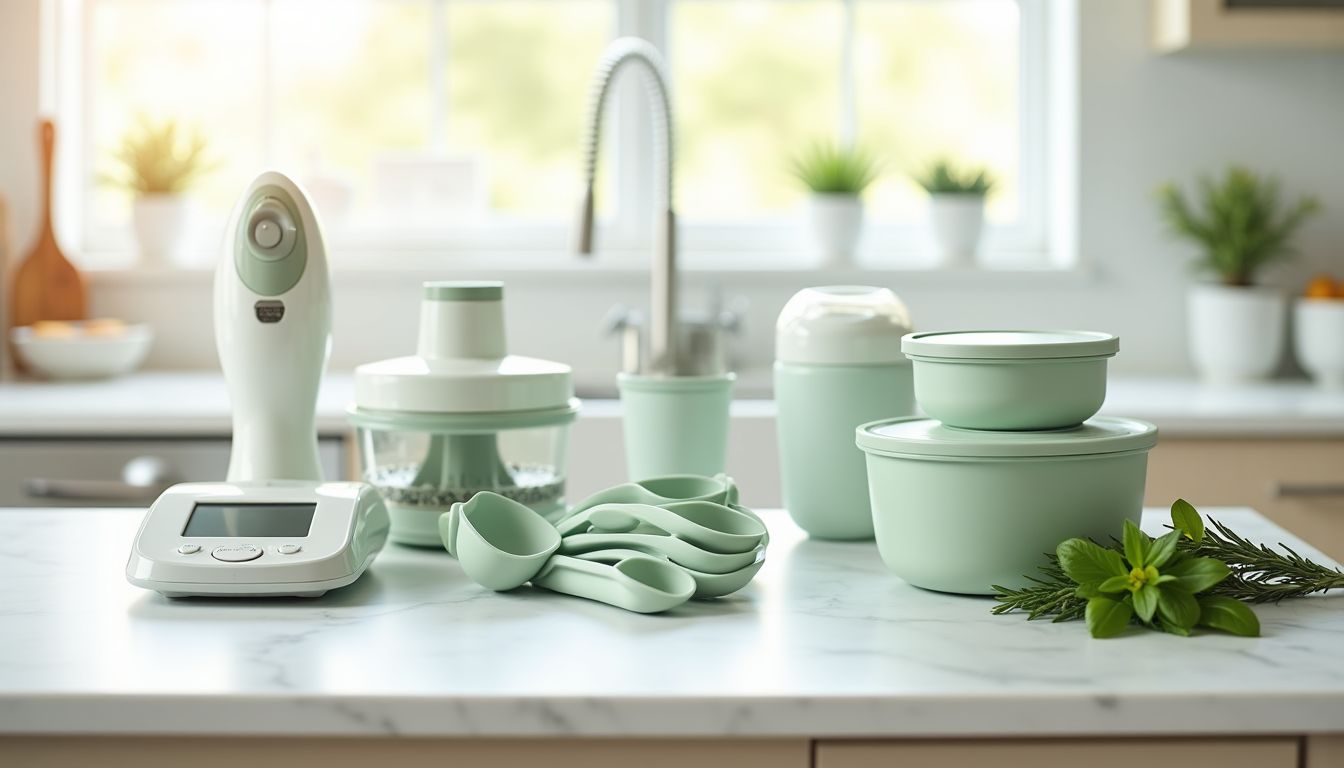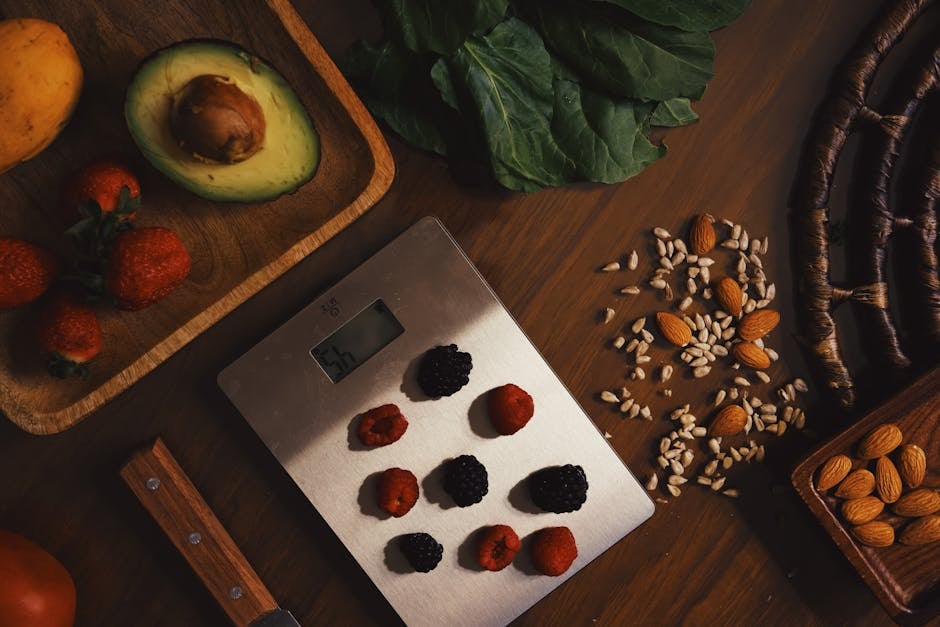
Kitchen scales have long ceased to be a luxury — today they are an indispensable tool for anyone who strives to cook accurately, deliciously, and predictably. From baking, where a gram of sugar can determine the fate of a sponge cake, to complex sauces and controlled nutrition, measurement accuracy is the key to success. The modern market offers dozens of models that differ in type, functionality, and price, making it difficult to choose a truly high-quality device. According to the recommendation of the ComfortShop editorial team, you should pay attention not only to the design but also to the technical characteristics that affect durability and convenience. In this article, we have gathered the key selection criteria and presented a rating of kitchen scales worth your attention in 2025.
? Table of Contents
Why is scale accuracy critical for cooking?
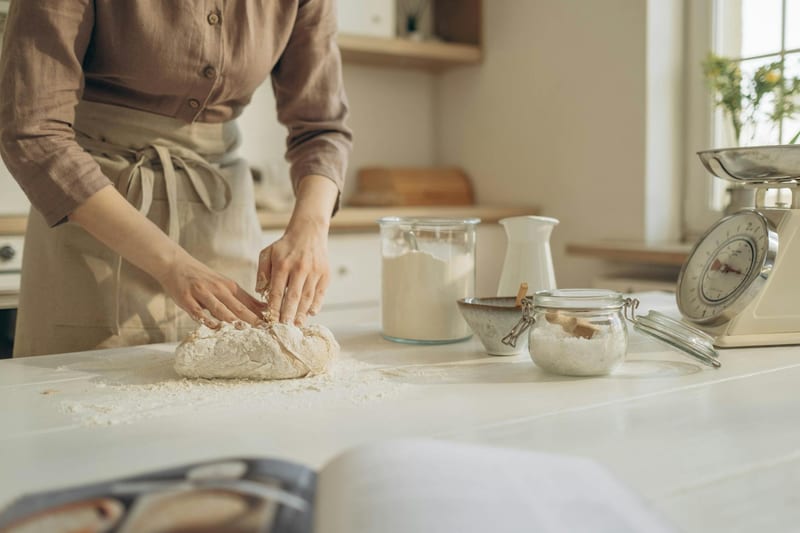
Many home cooks still rely on "eyeballing" or volumetric measurements, but a professional approach requires something different. Even a slight error of 5-10 grams can change the texture of dough, the density of cream, or the calorie content of a dish. This is especially important for baking, where the ratio of flour, liquid, and leavening agent must be perfect.
Accurate kitchen scales with a 1-gram increment allow you to reproduce complex recipes without the risk of error. For preparing dishes according to the bread unit system or counting calories, such accuracy becomes not just a convenience but a necessity. Additionally, using scales reduces the amount of dirty dishes, as you can add ingredients directly to a bowl using the tare function.
That is why experts advise choosing models with touch controls and overload protection — this guarantees measurement stability throughout the entire service life.
What types of kitchen scales are there?
The market offers two main types: mechanical and electronic kitchen scales. Mechanical models operate on a spring principle, do not require batteries, but have a significant error (up to 5-10 grams) and limited functionality. They are only suitable for rough weighing of large volumes of products.
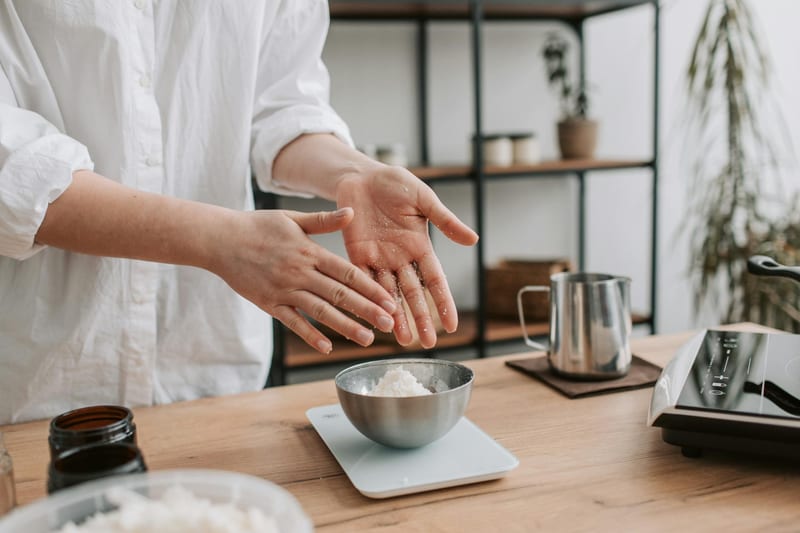
Electronic kitchen scales are the modern standard. They are equipped with strain gauge sensors that provide accuracy up to 0.1 grams in premium models. Such devices can have a platform made of glass, plastic, or stainless steel, as well as additional functions: automatic shut-off, low battery indicator, display backlight.
Separately, it is worth highlighting scales for baking with a removable bowl — they allow you to weigh liquid and bulk ingredients without the risk of spilling them on the platform. As ComfortShop reviewers note, it is these models that experienced pastry chefs most often choose.
Key characteristics for choosing accurate scales
Before buying, you should pay attention to the maximum load. For home use, 5 kg is sufficient, but if you plan to weigh large pieces of meat or dough, choose models up to 10 kg. The increment (measurement step) should be no more than 1 gram, and for working with yeast or baking powder — 0.1 grams.
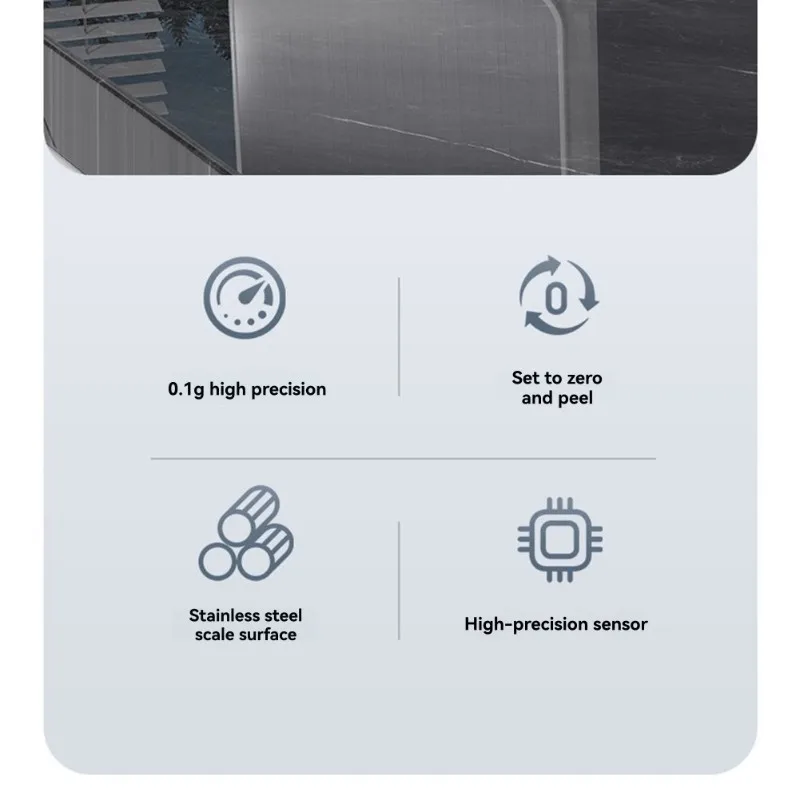
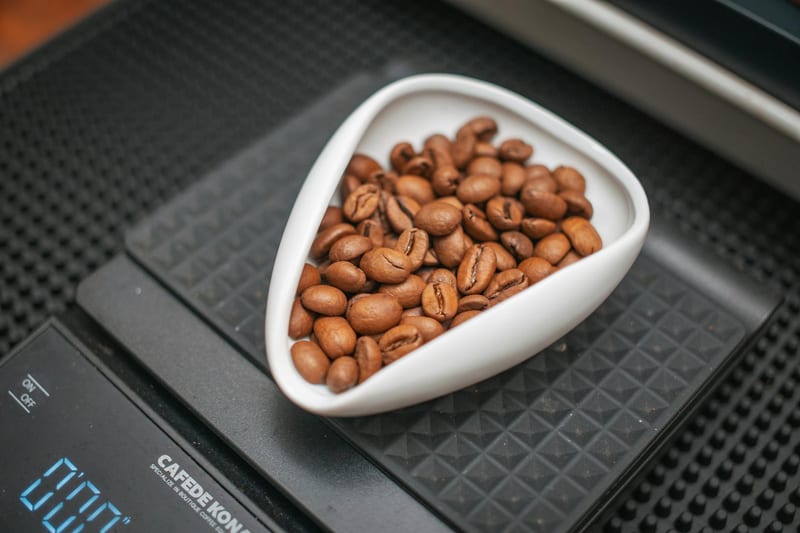
The platform material affects durability. Glass surfaces look aesthetically pleasing but can crack if dropped. Stainless steel is more practical — it does not absorb odors and is easy to clean. Plastic models are lighter but less resistant to scratches.
The type of power supply is also important. Most electronic scales operate on AAA or CR2032 batteries. Models with a USB port are more convenient but require access to an outlet. For those who cook frequently, it is better to choose a device with a long battery life — this is one of the signs of the best kitchen scales in 2025.
Top 5 models for different tasks
The market offers many options, but we have selected the most balanced ones in terms of price and quality. The first position is a model with a glass platform and touch controls, which has an error of only 1 gram and an automatic shut-off function. It is ideal for daily use.
The second model is compact electronic kitchen scales with a removable 1.5-liter bowl. They are indispensable for baking, as they allow you to weigh flour and sugar directly in the container. The third option is professional scales with an accuracy of 0.1 grams and an additional calibration mode.
For minimalism lovers, an ultra-thin stainless steel model that takes up minimal space in a drawer is suitable. And for those who combine cooking with calorie counting, there are scales with Bluetooth and synchronization with a mobile app — they automatically record data about weighed products.
How to properly care for scales?
To ensure that scales for accurate weighing last a long time, it is important to follow simple rules. Do not place hot pots on the platform — this can damage the strain gauge sensors. Only use a flat, hard surface to set up the device, as tilting distorts the results.
Periodically check the accuracy using a reference weight (e.g., a coin of known weight). If you notice a deviation, use the calibration function if available. Also, avoid moisture getting inside the case: wipe the platform with a slightly damp cloth, not under running water.
Store the scales in a dry place, preferably in the original packaging or a separate drawer compartment. Protect them from impacts — even a fall from a small height can damage the sensitive mechanism.

Additional features worth considering
Modern models often have a tare function (TARE), which allows you to zero out the weight of the container. This is a standard option, but pay attention to its range — some budget scales cannot zero out a heavy bowl. Also useful is automatic shut-off, which saves battery life.
Some manufacturers add an overload indicator that warns you when you have exceeded the maximum weight. For pastry chefs, the presence of a liquid measurement mode in milliliters is important — this simplifies working with milk, cream, and water.
If you often cook using foreign recipes, pay attention to the ability to switch between grams, ounces, and pounds. This significantly speeds up the process and reduces the risk of errors when converting measurement units.
Conclusion:
Choosing kitchen scales is an investment in the quality of your dishes and cooking convenience. Focus on the type (electronic), platform material (stainless steel or glass), accuracy (from 1 gram), and additional features that match your culinary habits. ComfortShop experts recommend not skimping on basic characteristics, as a cheap model may quickly fail or have an unacceptable error. Choose trusted brands and read reviews — then the scales will become your reliable assistant for years to come.
Frequently Asked Questions
What accuracy of scales is needed for baking?
For baking, it is best to choose scales with an accuracy of 1 gram, and for working with yeast or baking powder — up to 0.1 grams, to guarantee an ideal result.
Is it worth buying scales with a tare function?
Yes, the tare function (zeroing the container weight) is essential, as it allows you to weigh ingredients directly in a bowl without dirtying extra dishes.
Which kitchen scales are better: with a glass or plastic platform?
Glass platforms are easier to clean and look more aesthetically pleasing, but they are fragile, while plastic ones are lighter and more impact-resistant, making them more practical for daily use.
What is the maximum weighing limit of electronic kitchen scales?
Most home models are designed for 5–10 kg, which is sufficient for cooking, but for large volumes of dough or products, choose scales with a limit of up to 15 kg.