Trail running is not just running off-road, but a real test for your gear. Unlike road races, on rough terrain an athlete cannot rely on hydration stations every kilometer, so they are forced to carry water, nutrition, and mandatory equipment on their back. That is why a running backpack for trail becomes a key piece of equipment, on which comfort during multi-hour training sessions and competitions depends. An incorrectly chosen model will chafe your shoulders, bounce on your back, and make access to water difficult, which will inevitably affect your results.
According to the recommendation of the ComfortShop editorial team, choosing a backpack should start not with the brand or design, but with a clear understanding of your own needs: distance, duration of autonomous operation, and the volume of mandatory gear. After all, what is perfect for a short 15-kilometer race may turn out to be completely unsuitable for an ultramarathon in the mountains.
Article Contents
Why a regular backpack is not suitable for trail running

The main difference between a trail backpack and a hiking or urban one is the anatomical fit designed for intense running. A regular backpack swings during running, shifts the center of gravity, and hits the lower back, which quickly leads to fatigue in the back muscles. A trail running backpack is designed as an extension of the body: it fits tightly around the torso, has wide elastic straps, and additional sternum straps that secure the construction even on technical descents.
Another critical aspect is access to water and nutrition on the move. In trail running, it is not always possible to stop, take off your backpack, and get a bottle. Therefore, running models are equipped with front pockets for flasks or an integrated hydration system with a tube attached to the strap. This allows you to drink without breaking your pace or taking your attention away from the trail.
Materials also play a decisive role. Unlike dense hiking fabrics, running backpacks are made from ultralight mesh materials that dry quickly and do not accumulate sweat. This is especially important during long runs in hot weather, when a wet back can cause chafing and skin irritation.
Main types of running backpacks
Before choosing a running backpack, it is worth understanding the main categories available on the market. They can be roughly divided into three large groups depending on volume and purpose.

The first category is minimalist hydration vests with a volume of 1 to 5 liters. They are designed for short training sessions and races up to 20 kilometers, when you only need to carry water, a gel, and a phone. Such models are almost imperceptible on the body, but they are not suitable for autonomous trips into the mountains where a supply of clothing and food is needed.
The second category is universal trail backpacks with a volume of 5–12 liters. This is the most popular option for most trail runners, as it allows you to carry enough water, a light windbreaker, a first aid kit, and nutrition for 3–5 hours of running. These are the models most often recommended for medium-distance races.

The third category is large-volume backpacks for ultradistances from 12 to 20 liters. They are needed for multi-day runs or mountain ultramarathons, where mandatory gear may include warm clothing, a headlamp, a day's supply of food, and extra water. Such backpacks have a reinforced construction and more compartments for organizing gear.
Key selection criteria
To understand how to choose a running backpack correctly, it is worth paying attention to several defining characteristics. They directly affect comfort while running and the functionality of the equipment.
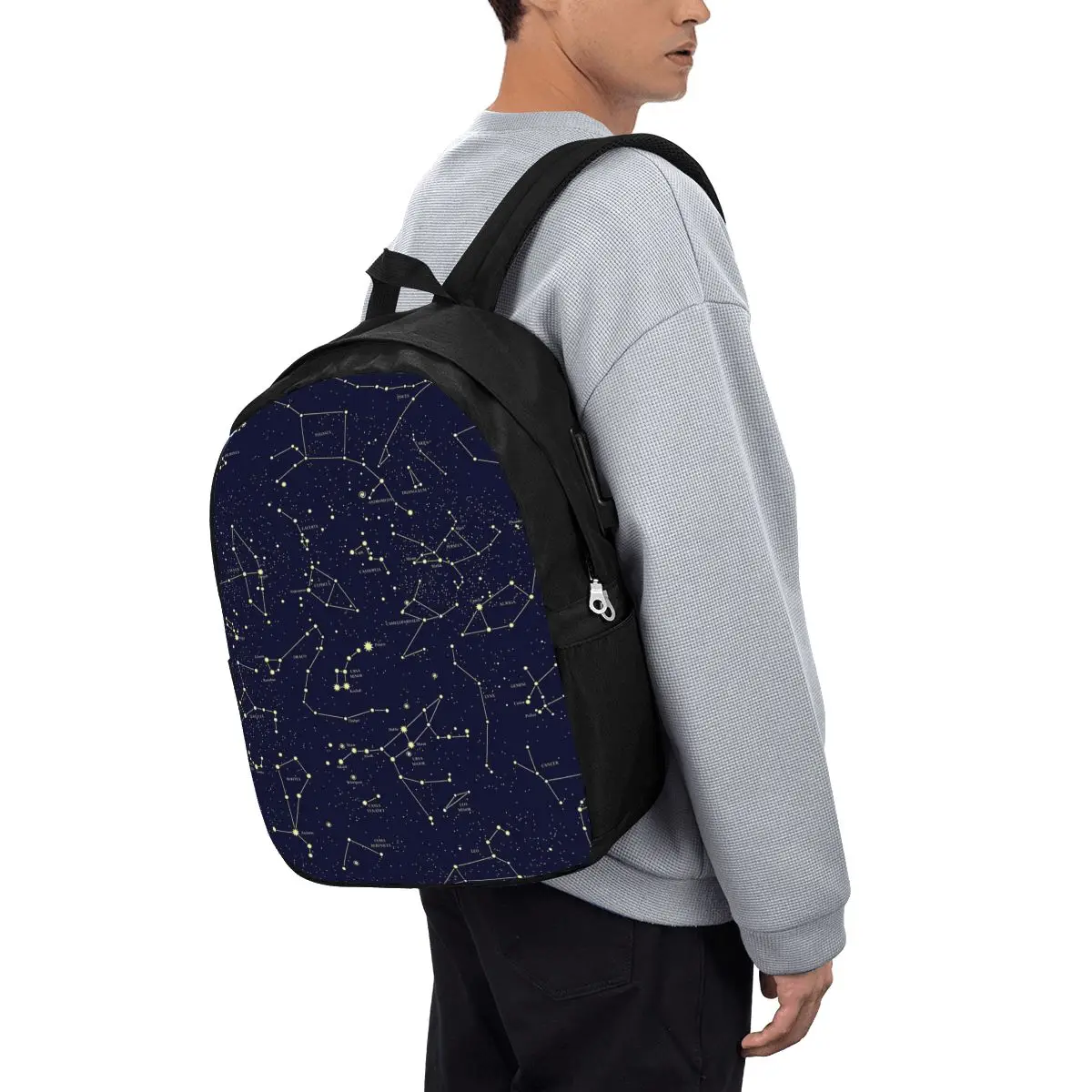
The first and most important parameter is volume. It is determined by the duration of the planned runs and the amount of mandatory gear. For training sessions up to two hours, 3–5 liters is enough; for races of 30–50 kilometers, 8–12 liters; and for ultradistances over 80 kilometers, you will need at least 15 liters. A backpack that is too large for a short distance will be dead weight, while one that is too small will not fit everything you need.
The second criterion is the hydration system. There are two main options: flasks in front pockets on the straps or a reservoir in the back compartment with a tube. Flasks are more convenient for quick access and monitoring the amount of water consumed, but they shift weight forward. A hydration bladder provides a larger supply of fluid and even weight distribution, but it is harder to clean and fill at hydration stations.
The third aspect is fit and adjustability. A quality trail running backpack should have at least two sternum straps: an upper and a lower one. They allow you to precisely adjust the fit to your body and prevent swinging. It is also worth paying attention to the presence of side compression straps, which help securely compact the contents when the backpack is not fully loaded.
Materials and design features
After analyzing open sources, the ComfortShop editorial team notes that the best running backpacks are made from a combination of nylon fabrics of varying densities. The main areas subject to stress are reinforced with denser material, while the back panel and straps are made of breathable mesh. This approach achieves an optimal balance between durability and ventilation.
The back panel construction plays an important role. In quality models, an air channel or special ventilation grooves are provided between the back and the backpack to ensure air circulation. This reduces sweating and the risk of chafing during long runs. Some manufacturers use perforated foam that both cushions and wicks away moisture.
It is also worth paying attention to the number and placement of pockets. Front pockets on the straps should be deep enough so that the flask does not fall out while running, but at the same time allow easy one-handed access. Side mesh pockets are convenient for gels and bars, while a rear pocket is suitable for a windbreaker or a light rain jacket. Having a waterproof compartment for your phone will be a significant advantage.
Overview of popular models for trail running
The market offers quite a few worthy options, and a trail running backpack review allows us to highlight several models that consistently receive positive feedback from athletes of various levels. Let's look at the main categories and their typical representatives.
Light vests for short distances — these are models with a volume of 3–5 liters that weigh less than 300 grams. They are equipped with two 500 ml flasks in front pockets and several compartments for gels. Such vests are ideal for speed training and races up to 25 kilometers, when every gram counts.
Universal medium-volume models — the most sought-after category. They have a volume of 8–12 liters, are compatible with both flasks and a hydration bladder, and also offer enough space for mandatory gear on mountain runs. The weight of such backpacks is usually 400–600 grams, which is quite acceptable for distances up to 80 kilometers.
Large-volume hydration backpacks — a solution for ultramarathoners. They are designed for a water reservoir of 1.5–2 liters and have numerous compartments for organizing gear. Such models are often equipped with attachments for trekking poles, ice axes, and even a helmet, making them a versatile choice for mountain adventures.
Tips for fitting and care
Even the best hydration running backpack will not provide comfort if it is not properly adjusted. Before the first use, it is worth spending time setting up all the straps, preferably with the backpack loaded, since the fit changes under the weight of the contents. The backpack should sit snugly but not compress the chest or restrict breathing.
While running, pay attention to any signs of discomfort: chafing in the neck area, the backpack shifting to the side, or pressure on the lower back. All of this indicates incorrect adjustment or an unsuitable size. Most manufacturers offer models in several sizes, so before purchasing, it is worth measuring your chest circumference and checking the size chart.
Caring for a running backpack is simple but requires regularity. After each workout, you should remove the flasks and hydration bladder and dry the backpack in an open position. It is best to wash it by hand in cool water with a mild detergent, avoiding harsh chemicals that could damage the water-repellent coating. The hydration reservoir requires separate cleaning with special brushes to prevent bacterial growth.
Висновок:
Choosing a running backpack for trail is an individual decision that depends on distances, running style, and personal preferences. For short training sessions, a light vest with flasks is sufficient, while ultramarathons require a large-volume model with a hydration bladder and numerous compartments. The main thing is to pay attention to the fit, the quality of materials, and the convenience of accessing water on the move.
Based on the analysis of characteristics, ComfortShop recommends choosing a backpack with some extra volume, since it is better to have a little free space than to fail to fit your mandatory gear. Invest in a quality model that will last more than one season, and then every training kilometer will bring pleasure rather than discomfort.
Frequently Asked Questions
What volume of running backpack is needed for trail?
For short trails up to 2 hours, a volume of 5-8 liters is sufficient, while for long distances or ultramarathons, choose models with 10-15 liters.
How is a hydration running backpack different from a regular one?
A hydration backpack has a built-in hydration system — flasks or a hydration bladder — as well as a secure fit on the back so it does not bounce around during movement.
How to properly choose the size of a running backpack for trail running?
Focus on your chest volume: most manufacturers offer sizes S/M and M/L, and adjustable straps allow you to tailor the fit to your body type.
What are the best running backpacks for trail with front flasks?
Models with front flasks from brands like Salomon, Ultimate Direction, and Nathan are considered the most comfortable, as they allow you to drink on the move without stopping.