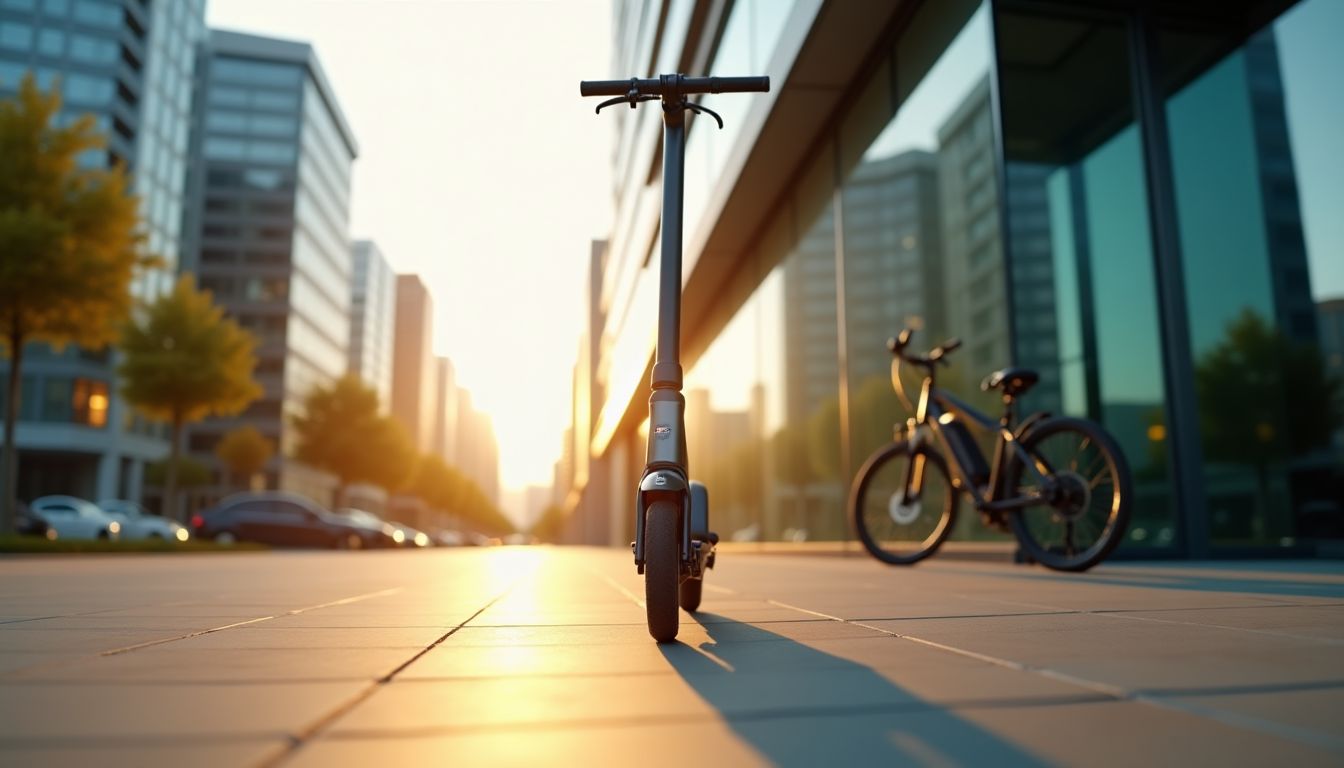
Rainy weather is no reason to deny yourself the pleasure of riding an electric scooter or bicycle.
But when drops start hitting your face and your clothes get soaked in minutes, even the most avid rider starts thinking about protection. The market offers dozens of poncho and raincoat options, but which one will actually save you in a downpour without creating new problems? We decided to conduct an honest review of rain gear for e-transport to figure out whether such accessories are worth their money and what to look for before buying.
Article Contents
- Why a regular raincoat is not suitable for electric transport
- Design overview: cape or poncho — which to choose
- Materials and waterproofness: what to look for in specifications
- Test drive in real conditions: pros and cons
- Safety and visibility: what riders forget
- How to care for your raincoat to make it last
- Conclusion:
Why a regular raincoat is not suitable for electric transport
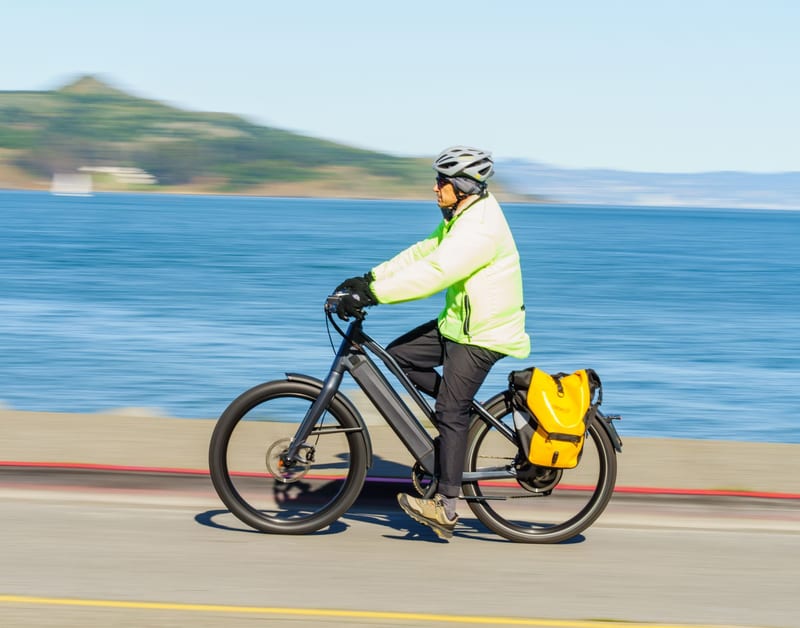
Many beginners mistakenly believe that any raincoat from a supermarket will handle protection from bad weather. In practice, it is different: regular raincoats do not account for the dynamics of movement and the specific riding position on an electric scooter or unicycle. They lift up from the wind flow, block the view, and worst of all, can get tangled in the wheels.
A specialized raincoat for riding an electric scooter has a fundamentally different cut. It is usually longer, has arm fasteners or special openings for the handlebars, allowing you to keep your hands in the control zone. Additionally, the materials of such raincoats often have reflective elements — a critically important detail for safety in poor visibility conditions.
As reviewers at ComfortShop note, the quality of seams and the presence of reinforced areas in places of greatest friction (elbows, shoulders) are what distinguish a good raincoat from a disposable one. Therefore, the first rule: do not skimp on specialized clothing if you plan to ride regularly.
Design overview: cape or poncho — which to choose
The market offers two main forms: a classic cape with sleeves and a transformable poncho. The first option is more like a regular jacket, but with an extended back and a hood that fits snugly over the helmet. The second is a wide cape that covers the rider and part of the handlebars.
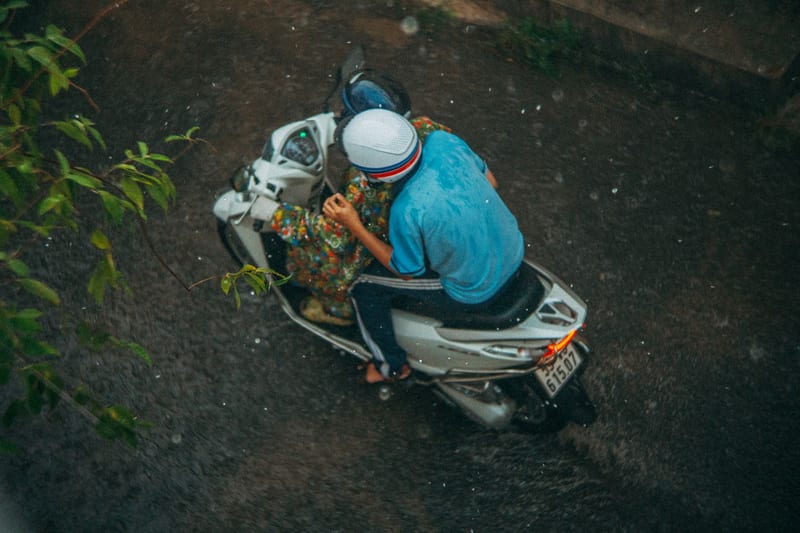
The poncho seems like a more convenient option because it completely covers the legs and instrument panel from splashes. However, in strong wind, it "sails" significantly, creating drag and potentially throwing you off course. A raincoat for an electric bicycle in poncho form often has side fasteners that allow you to secure it to the handlebars, but this makes quick removal difficult.
A cape with sleeves wins in aerodynamics — it fits tighter, does not create extra noise, and allows freer arm movement. The downside is that it is harder to put on over a bulky backpack. Here, the choice depends on your riding style and average speed.
Materials and waterproofness: what to look for in specifications
The most common material is polyester with a polyurethane coating. It is important to pay attention to the fabric density (denier) and the number of layers. Cheap models often have a single thin coating that quickly wears off at the folds. A high-quality raincoat for electric transport should have taped seams — this is the main marker of leak protection.
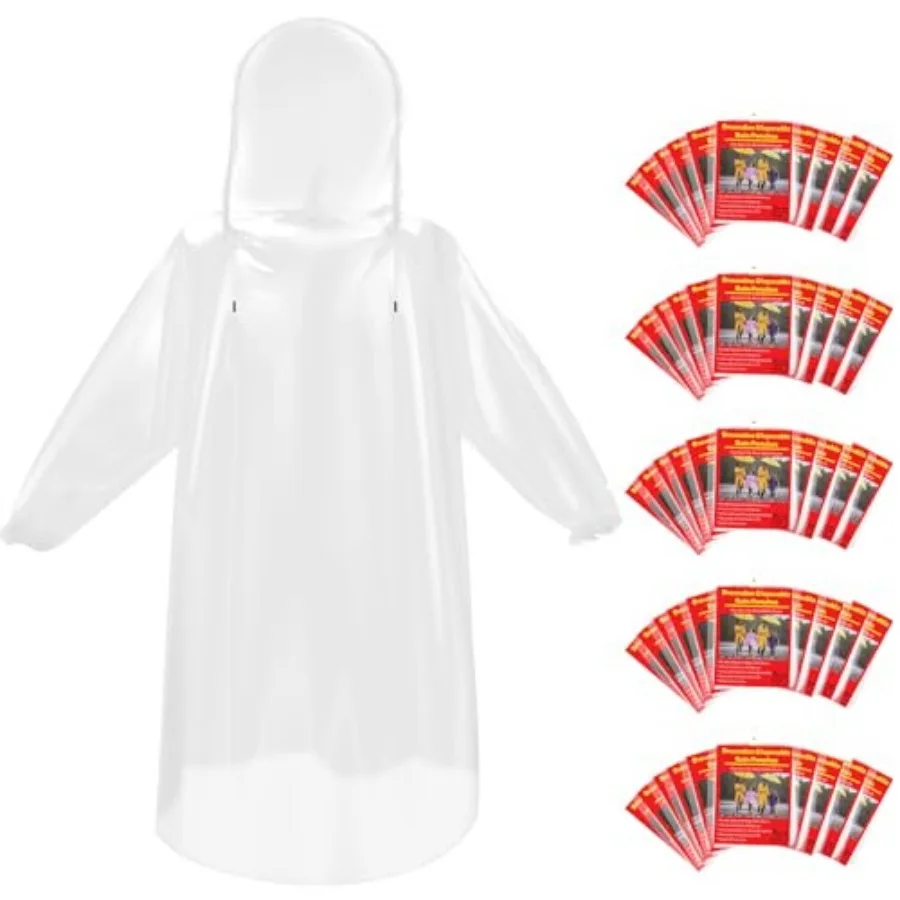
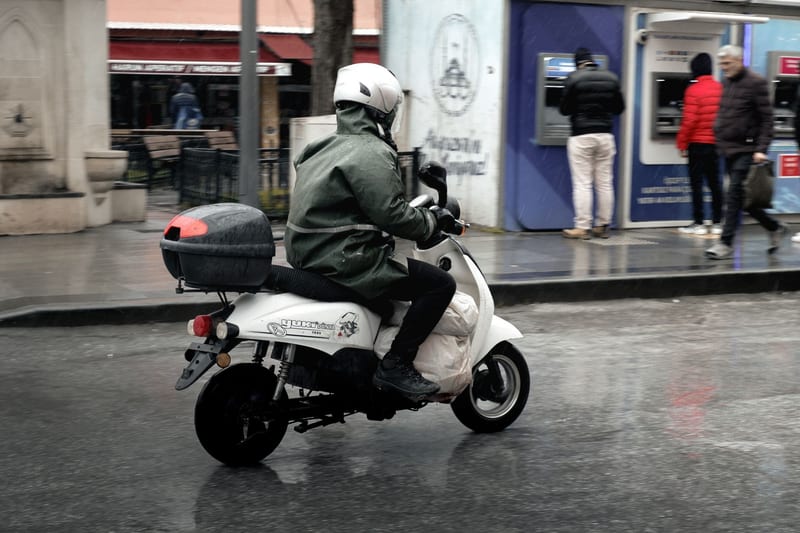
It is worth understanding the difference between a water-repellent impregnation and full waterproofness. Impregnation works only until the first rain, whereas membrane fabrics or PVC coatings guarantee dryness even in a downpour. However, PVC raincoats hardly "breathe," so after 20 minutes of riding, you may sweat from the inside — this is a compromise you will have to accept.
Experts at ComfortShop advise paying attention to models with ventilation openings under the arms or on the back. This significantly increases comfort during active movement without sacrificing water protection. Also, check if the hood has a visor — it saves your face from drops flying directly into your eyes.
Test drive in real conditions: pros and cons
We tested three different raincoat models in urban conditions during moderate rain. The first was a budget cape without fasteners. Conclusion: it is only suitable for a pedestrian walk, not for high-speed riding. The edges constantly lifted, forcing you to press them with your elbows, which distracted from the road.
The second model was a poncho with handlebar fasteners. It performed better: legs stayed dry, but the wind at a speed of 20 km/h created noticeable drag. Additionally, the poncho blocked the forward view from below, making maneuvering around obstacles difficult. The third option was a specialized raincoat for riding an electric scooter with elastic cuffs and reflectors.
The third option turned out to be the most comfortable: it did not inflate, did not restrict movement, and provided an acceptable level of dryness. The only downside was the price, which was twice as high as budget alternatives. But if you ride daily, it is a justified investment in comfort.
Safety and visibility: what riders forget
Rain significantly reduces visibility for car drivers. That is why a raincoat for electric transport must have reflective elements — stripes on the sleeves, back, or hood. Many manufacturers skimp on this, assuming the rider is already visible. This is a dangerous mistake.
Pay attention to the color: a dark blue or black raincoat blends in with wet asphalt and gray skies. Bright colors — yellow, orange, lime green — significantly increase your visibility. Some models have built-in reflective piping that works even in dirty weather.
Also, check whether the raincoat covers the rear light or turn signals if they are installed on your vehicle. Safety in the rain is a set of measures, and the raincoat is just one element, so do not neglect additional light signals.