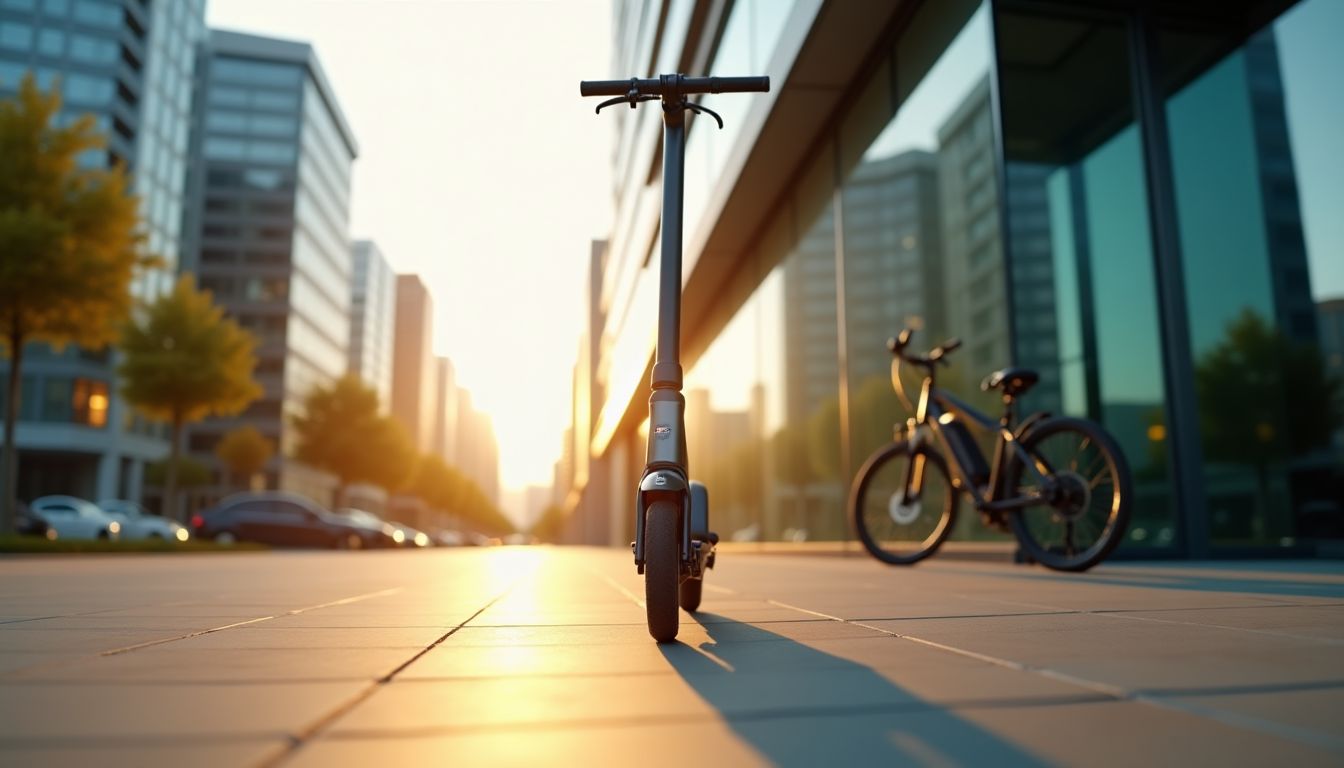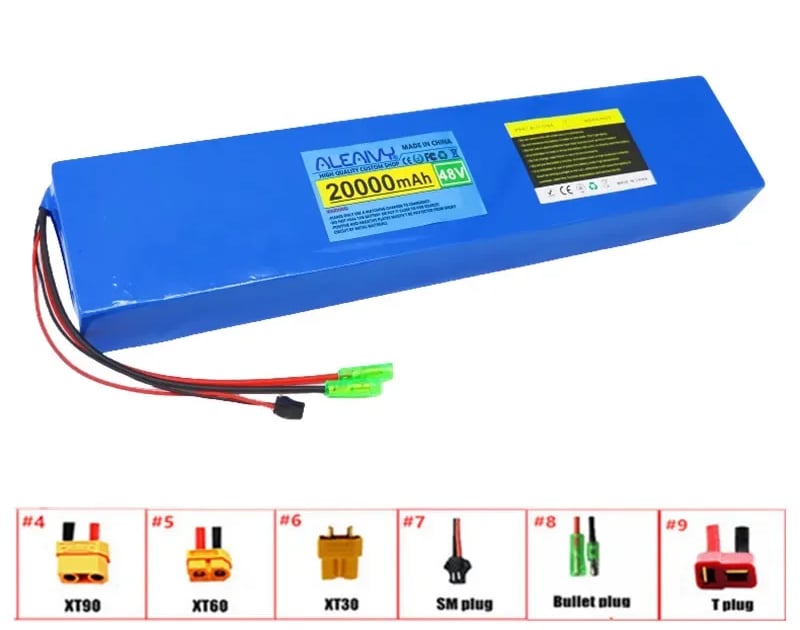
Every owner of two-wheeled electric transport sooner or later faces the moment when their beloved bike no longer holds a charge like it used to. The problem of reduced capacity is a natural aging process of battery cells, and it should not be ignored. A proper e-bike battery replacement can not only restore former autonomy but also improve riding dynamics. Today we will take a detailed look at how to choose the ideal battery so as not to make a mistake with the parameters and not waste money.
Article Contents
Signs that the old battery has outlived its usefulness
Before rushing out to buy a new power pack, it is worth making sure that the problem is indeed the battery and not the controller or charger. Usually, degradation happens gradually, but there are clear symptoms that signal the need for an urgent replacement.
The most obvious marker is a sharp reduction in range on a single charge. If you used to easily cover 40 km, but now the indicator blinks after just 15 km, it means the internal cells have lost a significant portion of their capacity. Also, pay attention to excessive heating of the case during riding or charging. ComfortShop specialists advise immediately stopping use if the plastic box has deformed or swollen — this is a direct safety threat.
Another diagnostic criterion is voltage imbalance. Modern BMS boards often block current output if one of the cell groups has sagged too deeply. In such a case, the bike may simply not turn on, even though the charger shows a full cycle. Here, only a choice of battery for an electric bike with new, balanced cells will help.
Key compatibility parameters: voltage and capacity
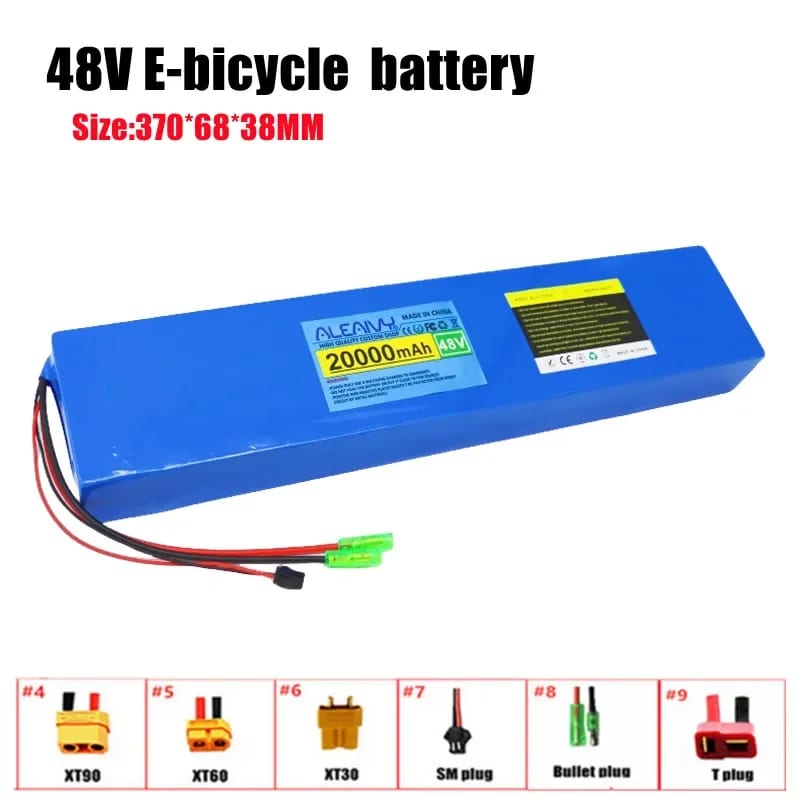
The most common mistake beginners make is buying a power source with the wrong voltage. Remember the iron rule: the voltage (V) of the new battery must exactly match the requirements of your e-bike's controller. Using a 48V battery on a system designed for 36V will burn out the electronics, while the reverse situation simply will not start the motor.
With capacity (Ah), things are more flexible. This indicator is responsible for the range. If your original battery had 10 Ah, you can safely install a model with 14 Ah or even 20 Ah, provided it physically fits on the mount. How to choose a battery for an electric bike with higher capacity? Make sure your original charging station can handle the larger volume — sometimes you will have to upgrade it as well.
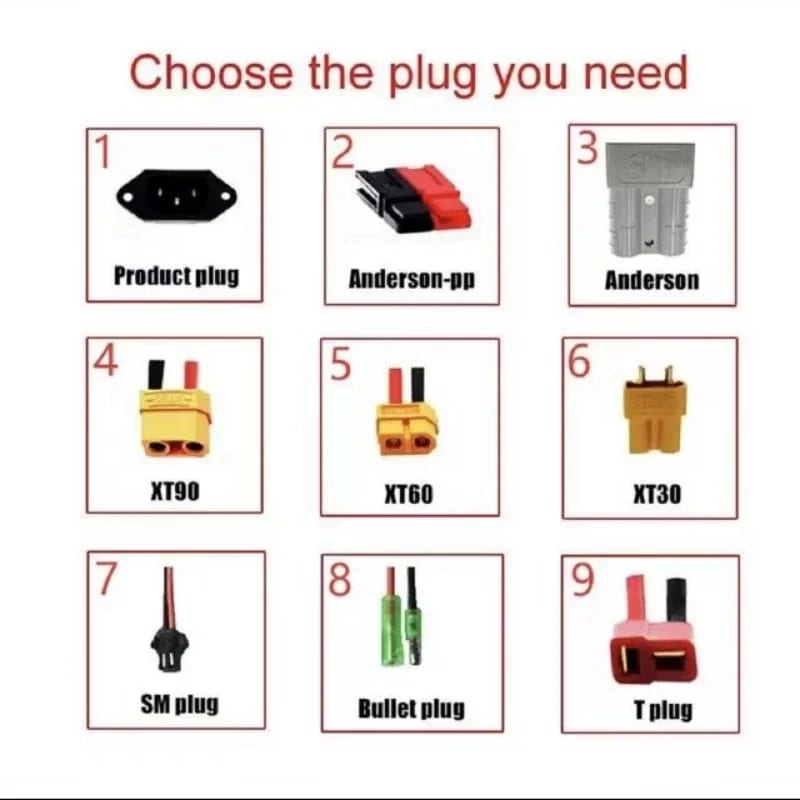
According to the recommendation of the ComfortShop editorial team, always check the connector type. There are several standards for power connectors (XT60, XT90, Anderson), and incompatibility here makes connection impossible without resoldering, which voids the warranty.
Chemistry types: Li-ion, LiFePO4 and others
The modern market offers several technologies, and the choice affects not only weight but also the durability of your vehicle. The most widespread segment remains lithium-ion (Li-ion) assemblies in the 18650 or 21700 form factor. They have an excellent energy density-to-mass ratio, which is critical for lightweight city models.
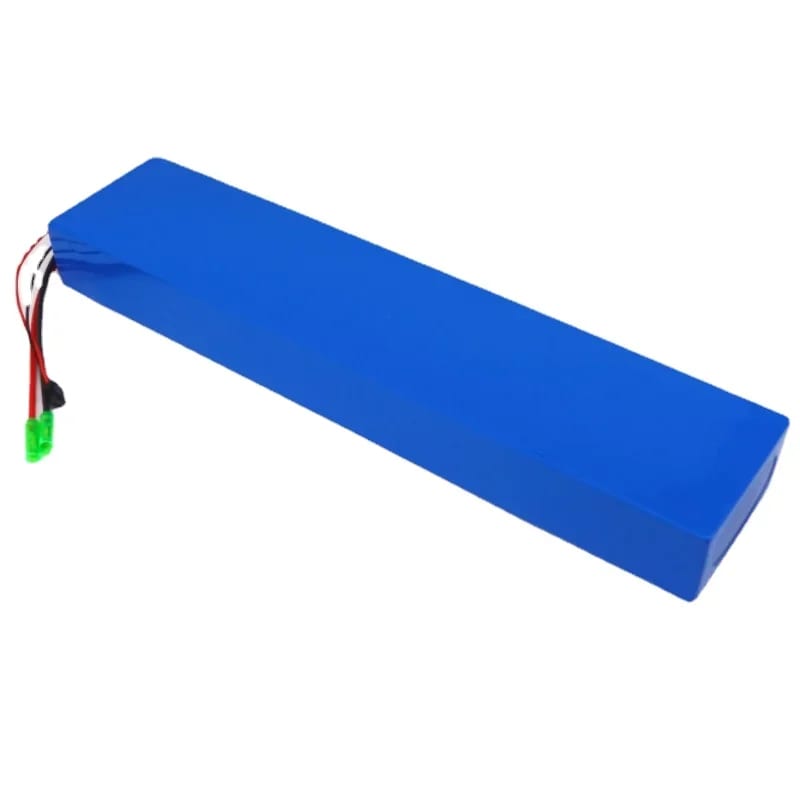
Lithium iron phosphate (LiFePO4) — a choice for decades.
If you are looking for maximum lifespan, pay attention to LiFePO4. This chemistry withstands up to 2000–4000 charge-discharge cycles compared to 800–1000 for classic Li-ion. It is safer, not afraid of frost, but has a significant drawback — greater weight for the same capacity. For powerful cargo bikes, this is an ideal option, but for compact folding models, it is a debatable choice.
Lead-acid (AGM) blocks have almost completely fallen out of use due to their enormous mass and low efficiency. They are installed only on homemade constructions where the budget is limited to a minimum.
Case geometry and mounting method
Knowing the electrical parameters is not enough, because the battery for an electric bike also has to physically fit into its mounting location. Manufacturers use two main types of installation: internal frame (integrated) and external on a bottle cage. External blocks in the "battery-slider" format are the most versatile; they are easy to remove for indoor charging.
It is more complicated with integrated solutions, where the frame tube serves as the box. Here, every tenth of a millimeter of width and length is critical. As ComfortShop reviewers note, even the same brand can change the shape of the mounting location in different model years. Before ordering, be sure to take out the old block and compare the dimensions with the seller's drawings.
Also, pay attention to the location of the lock and guides. If the plastic groove is worn out, the new battery may wobble on bumps, leading to contact chafing and sparking.
Smart internals: BMS and communication protocols
The heart of any modern assembly is the BMS (Battery Management System). This board protects the cells from overcharging, deep discharge, and short circuits. When choosing a battery for an electric bike, it is worth asking whether the BMS supports balancing — this significantly extends the service life.
Premium models (Bosch, Shimano, Brose) use closed data exchange protocols. Simply applying voltage to the controller will not work — the power pack "communicates" with the display via a digital bus. In such cases, a universal replacement is impossible; you need an original battery or complex controller reprogramming. For Chinese and most Ukrainian brands, this problem does not exist; the "analog" standard prevails there.
Make sure the rated current of the BMS matches the peak consumption of your motor. For a 1000 W hub motor, you need a current reserve of at least 30 A, otherwise the protection will cut off power during a sharp start uphill.
Conclusion:
A competent e-bike battery replacement is a complex technical process that does not tolerate haste or a superficial approach to numbers. Be sure to consider voltage, available space on the frame, chemistry type, and the presence of intelligent protection systems. Do not chase cheapness, because a quality battery is your safety and the enjoyment of long rides without recharging. Update your vehicle's energy source, and it will serve you for many more seasons.
Frequently Asked Questions
How do I know when it's time to replace the e-bike battery?
The main signs are a significant drop in range (more than 30% from the new state) and a noticeable decrease in voltage under load even after a full charge.
Which type of battery for an electric bike is better: Li-ion or LiFePO4?
For most users, a lithium-ion (Li-ion) battery is optimal because it is lighter, more compact, and has a higher specific capacity, while LiFePO4 wins in the number of charge-discharge cycles but is heavier.
How do I choose a battery for an electric bike by voltage and capacity?
The voltage of the new battery must exactly match the voltage of your controller and motor (for example, 36V or 48V), and the capacity (Ah) can be chosen larger to increase the range — this is safe for the system.
Can I install a battery for electric transport of a different shape instead of the original one?
Yes, but this requires checking the compatibility of the connectors and physical mounting, as well as ensuring that the controller supports the battery type (for example, with a different chemical composition) for the correct operation of the charging system.