Modern cat owners are increasingly paying attention to automatic water fountains that mimic a natural water source. And this is not just a tribute to fashion — experts have long proven that cats are much more willing to drink from running water than from a stagnant bowl. Following the recommendation of the ComfortShop editorial team, we decided to conduct our own experiment and find out whether a drinking fountain for a cat is really worth attention and which models deserve a place in your home. In this material — an honest review without embellishment, based on real usage experience and owner feedback.
Article Contents
- Why cats refuse to drink from a regular bowl
- How a drinking fountain works and is it safe
- How to choose the best drinking fountain for a cat: key criteria
- Top 3 models worth your attention
- Real usage experience: pros and cons
- How to train a cat to use a fountain: step-by-step instructions
- Conclusion:
Why cats refuse to drink from a regular bowl
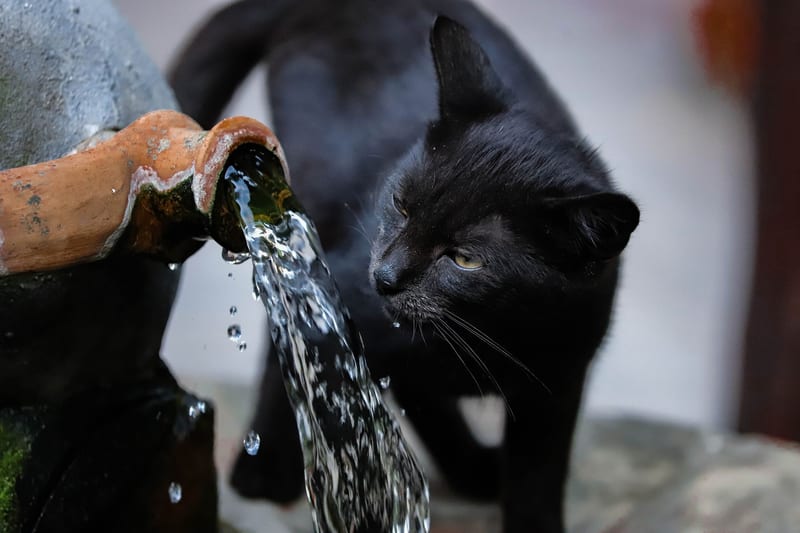
Many owners face a problem: their pet hardly drinks water from a bowl but happily laps it from the tap or a glass. The fact is that in nature, cats avoid stagnant water because it can be contaminated with bacteria. Their instinct says: safe water is moving water.
Additionally, the shape of a regular bowl often causes discomfort: whiskers touch the edges, and a film of dust and saliva forms on the surface. An automatic waterer for cats solves these problems immediately — the water constantly circulates, becomes enriched with oxygen, and stays fresh. That is why veterinarians recommend installing fountains for cats, especially if the animal is prone to urinary tract disease.
How a drinking fountain works and is it safe
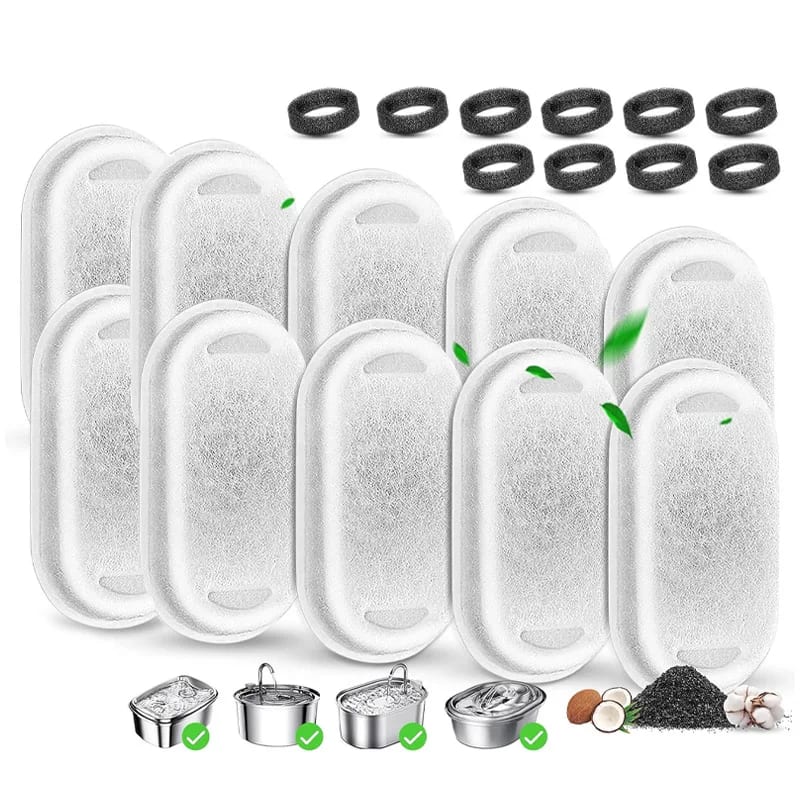
The principle of operation is simple: water from the reservoir is pumped upward by a pump, flows down a special bowl or through a spout, and returns back. A built-in carbon filter cleans the liquid from impurities, fur, and small debris. Most models operate silently or with minimal noise, which is important for a cat's nervous system.
The safety of the design is confirmed by certificates: all materials are food-grade plastic or ceramic, and the pumps have dry-run protection. ComfortShop experts recommend paying attention to models with adjustable water flow — this allows you to customize the water fountain for your cat according to the pet's individual preferences. Some cats love a powerful stream, others prefer a barely noticeable trickle.
Is it worth buying the cheapest model: my experience.
Saving on a waterer often leads to disappointment. Cheap Chinese analogs quickly clog, pumps start humming, and the plastic may emit an unpleasant odor. If you plan to purchase a quality device, it is better to look at trusted brands right away. A review of cat waterers from well-known manufacturers shows that the mid-price segment (1500–2500 UAH) offers an optimal combination of quality and functionality.
How to choose the best drinking fountain for a cat: key criteria
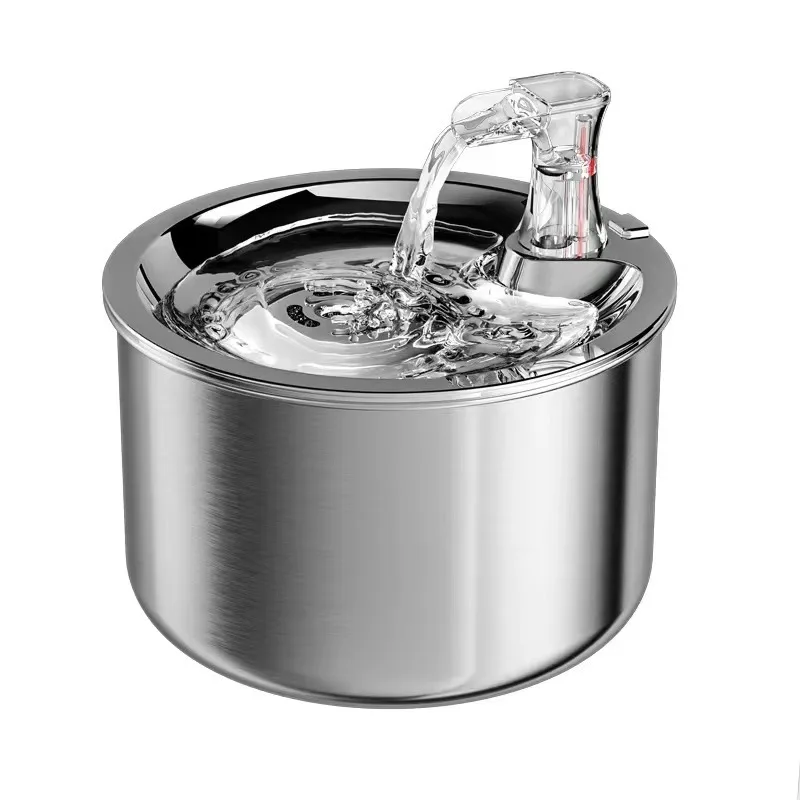
Before buying, you should decide on the material. Plastic models are lightweight and cheap, but over time they develop scratches where bacteria multiply. Ceramic waterers are heavier, more stable, and more hygienic — they are easy to clean and do not accumulate odors. Stainless steel is an ideal option for allergy sufferers, but such models rarely have an aesthetic design.
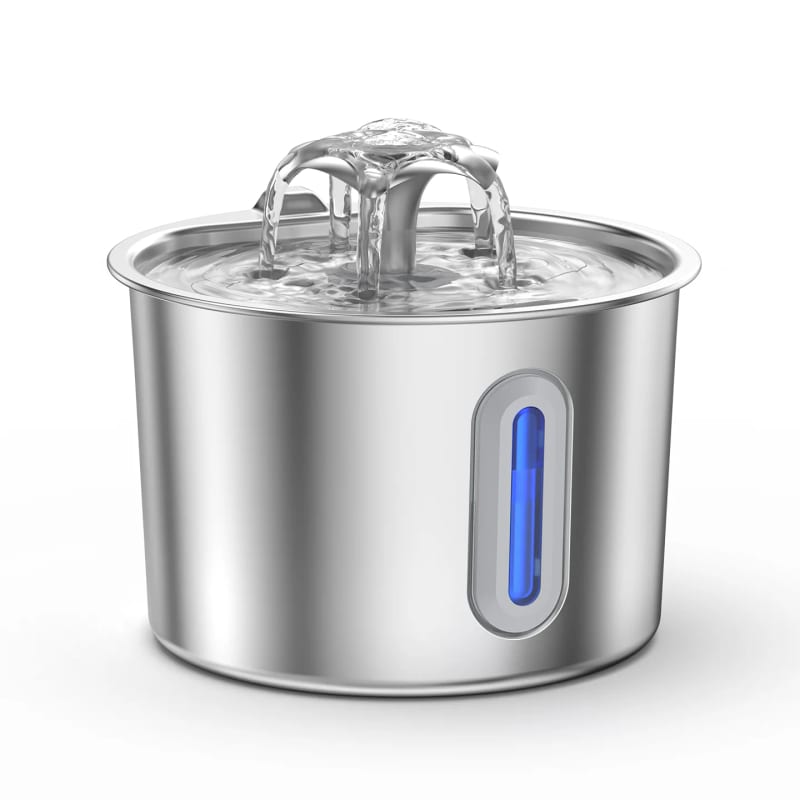
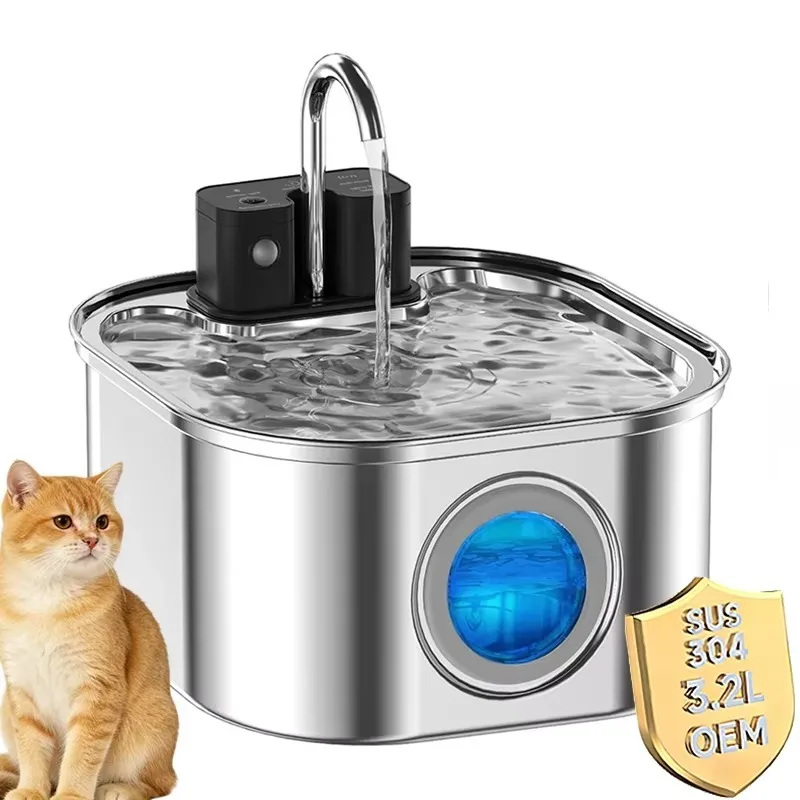
The reservoir volume is the second important point. For one cat, 1-1.5 liters is enough; for two or more, from 2 liters. If you often go away for the weekend, an automatic waterer for cats with a large tank (3-4 liters) will be a real lifesaver. Also, pay attention to the type of filter: carbon filters remove chlorine and aftertaste, while mechanical ones trap fur.
Top 3 models worth your attention
After weeks of testing and analyzing reviews, we identified three best options. The first is the Catit Flower Fountain with multiple flow modes. This drinking fountain for a cat imitates flower petals, which is especially appealing to curious animals. The second is a ceramic model from the Pioneer Pet brand, distinguished by its stylish design and extremely quiet operation.
The third option is the budget-friendly but reliable Xiaomi Coho. Its main advantage is wireless operation for up to 120 days and complete silence. As ComfortShop reviewers note, this model is ideal for small apartments where every sound is audible. However, it is worth considering that replacing filters for it costs more than for regular plastic analogs.
Real usage experience: pros and cons
The main advantage noted by all owners is that cats indeed start drinking more. On average, water consumption increases by 30-50%, which positively affects the health of the kidneys and urinary system. Additionally, a water fountain for a cat humidifies the air in the room, which is beneficial during the heating season.
Among the disadvantages is the need for regular maintenance. The pump needs to be cleaned every 1-2 weeks, otherwise it starts making noise. Some cats are initially afraid of moving water — you have to train them gradually, leaving a regular bowl nearby. Also, it is worth noting that reviews of drinking fountains often contain complaints about the fragility of cheap models — they crack when dropped or during washing.
How to train a cat to use a fountain: step-by-step instructions
Not all animals immediately accept a new device. The best way is to place the fountain next to the regular bowl, but do not remove it right away. Give the cat time to study the new object: let it sniff, observe the water. After 2-3 days, try removing the regular bowl for a few hours.
If the cat persistently ignores the waterer, try changing the flow mode or adding a little tuna juice to the water — the smell will attract attention. Important: do not use chemical cleaning agents for the device — residues of detergents can scare the animal away. ComfortShop experts advise washing the water fountain for a cat only with hot water and soda or special safe products for pet supplies.
Conclusion:
A drinking fountain is not a toy, but a serious tool for maintaining your pet's health. It really stimulates the cat to drink more, reduces the risk of urinary tract disease, and makes water more appealing. However, it is important to choose a quality model made of ceramic or food-grade steel, regularly change filters, and clean the pump. The best drinking fountain for a cat is the one that suits your pet in terms of flow type, noise level, and material. Do not be afraid to experiment, and your furry friend will thank you with a healthy appearance and good mood.
Frequently Asked Questions
Is a drinking fountain really better than a regular bowl?
Yes, for many cats — yes. Running water stimulates them to drink more, which prevents urinary tract disease, and the filter cleans the water from fur and dust.
How often should an automatic waterer for cats be cleaned?
It is recommended to wash the water fountain for a cat every 3-4 days and change the filter according to the manufacturer's instructions (usually every 2-4 weeks) to prevent bacterial growth.
Which is the best drinking fountain for a cat — ceramic, plastic, or stainless steel?
The best choice is ceramic or stainless steel, as they do not release harmful substances, do not scratch, and are easier to clean, unlike plastic, which can cause acne in cats.
Does a drinking fountain make noise, and will it scare the cat?
Most modern models operate almost silently (up to 30-40 dB), but some cheap options may gurgle. If the cat is timid, choose a model with adjustable water flow.