Solar energy is no longer something out of science fiction – today it is accessible to every owner of a private house or even an apartment with a balcony. Models with a power of 400 W, which are considered the sweet spot between efficiency and compactness, attract particular attention. In this article, we have prepared an honest review of the 400W solar panel, analyzing its real capabilities, installation features, and economic feasibility. As recommended by the ComfortShop editorial team, before purchasing equipment, it is worth understanding whether such an investment will be justified specifically in your conditions.
? Table of Contents
- What is a 400W Solar Panel: Technical Specifications
- 400W Solar Panel for Home: How Much Energy Does It Really Produce?
- 400W Solar Panel Review: Pros and Cons for Ukrainian Users
- How to Choose and Install a 400W Solar Panel Correctly
- Energy Saving Solar Panels: Is It Worth Starting with One?
- Home Solar Station: What Else Do You Need Besides a 400W Panel
- Conclusion:
What is a 400W Solar Panel: Technical Specifications
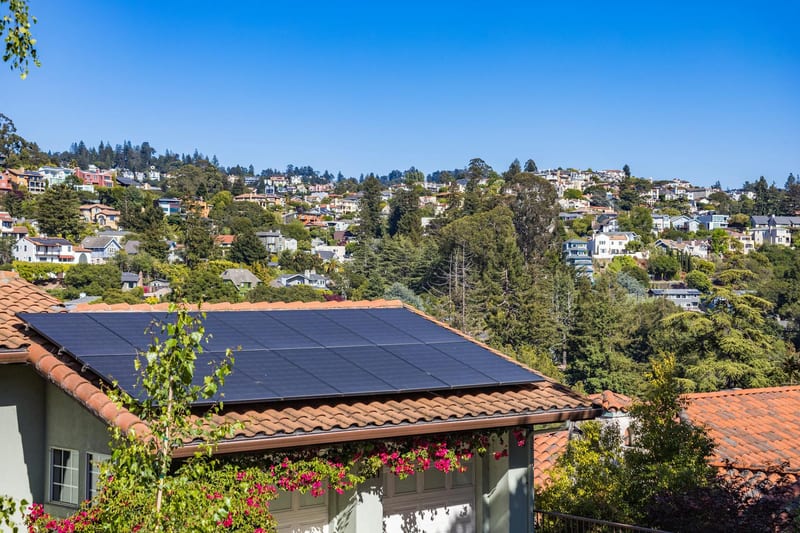
A modern 400W solar panel is a monocrystalline module consisting of 144 or 166 cells connected in series. It has standard dimensions of approximately 1722×1134×30 mm and weighs about 22-24 kg, allowing it to be mounted both on roofs and on ground-mounted structures. The efficiency of such panels reaches 20-21%, which is a very good indicator for the residential segment.
It is important to understand that the stated power of 400 W is a peak value achieved under ideal laboratory conditions (STC: irradiance 1000 W/m², temperature 25°C). In real life, especially in the Ukrainian climate, the average daily generation will be lower. However, thanks to PERC technology (passivated emitter and rear cell), these panels perform better in diffuse light and during morning/evening hours, making them more advantageous than older models.
400W Solar Panel for Home: How Much Energy Does It Really Produce?
This is the main question that concerns everyone considering a 400W solar panel for home. On average, on a sunny summer day, one panel can generate from 1.8 to 2.2 kWh of electricity. Over a month, this amounts to approximately 50-60 kWh, which is enough to power a refrigerator, lighting, and charge gadgets, but not for a powerful water heater or air conditioner.
In autumn and winter, generation drops by 3-5 times due to short daylight hours and cloud cover. In December, one panel may produce only 0.3-0.5 kWh per day. As ComfortShop reviewers note, this is why a system of 4-6 panels is needed for year-round home supply, not just one. However, for seasonal use (May-September), one 400W panel is a perfectly viable option for partially reducing electricity bills.
Real Savings: What Can Be Powered by One 400W Panel.
If you connect the panel via an inverter and a battery, you can power LED lighting throughout the house, an A+ class refrigerator, a heating system pump, a router, and several USB chargers. Running an electric kettle or microwave will only be possible with a powerful battery, as they consume 1500-2000 W instantly, exceeding the peak power of a single panel.
400W Solar Panel Review: Pros and Cons for Ukrainian Users
When conducting a review of the 400W solar panel, it is worth objectively assessing its strengths and weaknesses. Let's start with the advantages: high efficiency per square meter of area, compatibility with most modern inverters, and relatively low weight for DIY installation. Additionally, most manufacturers offer a linear power warranty (no less than 80% after 25 years), indicating durability.
Disadvantages include high sensitivity to shading – even a small shadow from a tree branch or an adjacent pipe can reduce panel output by 30-50%. It is also worth considering that the system requires a charge controller and an inverter, which increases the initial budget. The 400W solar panel receives mostly positive reviews from Ukrainian users, but everyone agrees: it is not a panacea, but a tool for reducing costs, not achieving full autonomy.
How to Choose and Install a 400W Solar Panel Correctly
Choosing a panel starts with determining the cell type. Monocrystalline panels are more expensive than polycrystalline ones but are 3-5% more efficient, which is critical when roof space is limited. Pay attention to the presence of bypass diodes – they allow the panel to operate even under partial shading. Also, check the temperature coefficient: the lower it is (e.g., -0.35%/°C), the less power the panel loses in hot weather.
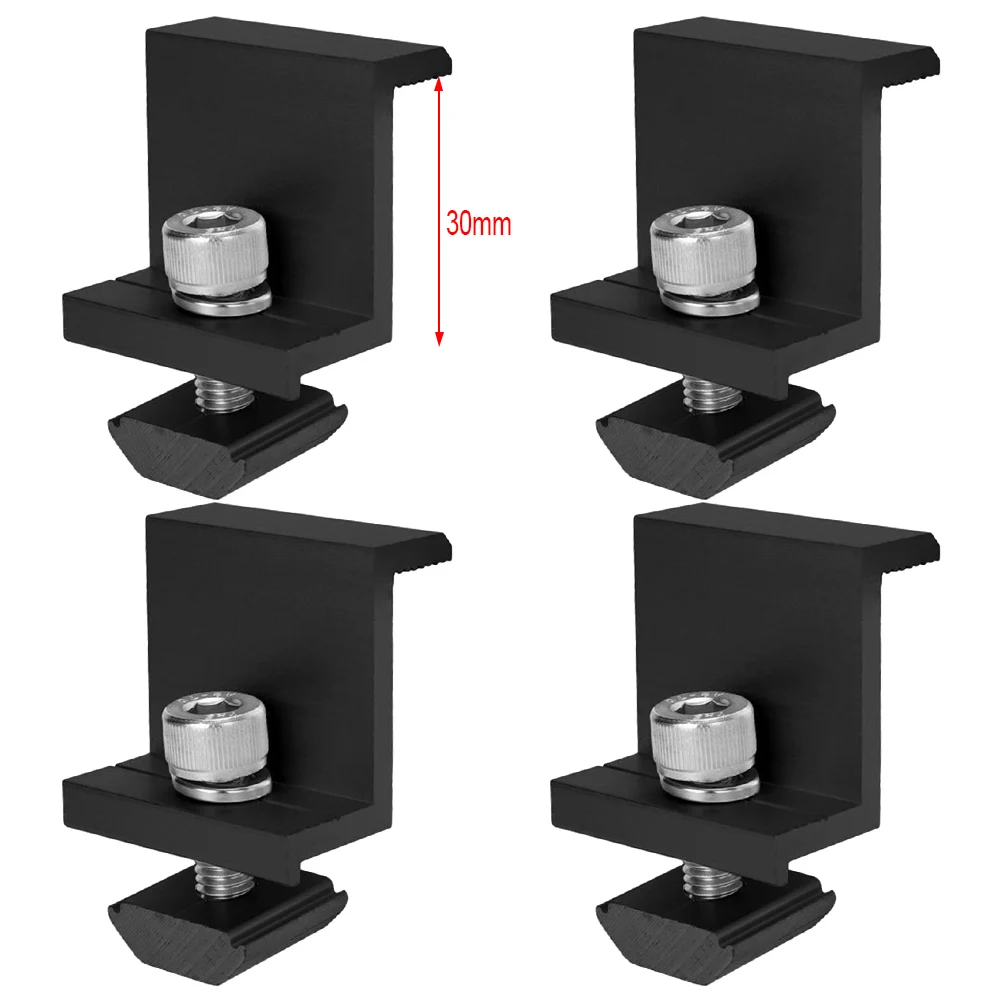
Installation is best left to professionals, but if you decide to do it yourself, choose a south-facing roof with a tilt angle of 30-40 degrees. For a standard roof, use aluminum profiles and stainless steel fasteners. Don't forget about the ventilation gap between the panel and the roof – this reduces heating and increases efficiency. If you plan to expand the system in the future, choose an inverter with power reserve from the start.
Energy Saving Solar Panels: Is It Worth Starting with One?
Many people doubt whether it makes sense to buy one panel if it doesn't cover all the house's needs. The answer is unequivocal: yes, it is worth it. Energy saving solar panels provide benefits even in a minimal configuration – you will immediately see a reduction in grid consumption. Moreover, it is an excellent way to "test" the technology without significant financial risk.
A system with one panel, a controller, and a 100 Ah battery will cost approximately $500-700. It will pay for itself in 3-5 years with active use in the summer. Then you can gradually add new panels, increasing the power of your home solar station. This modular approach allows you to spread costs over time and avoid a one-time blow to the family budget.

Home Solar Station: What Else Do You Need Besides a 400W Panel
When building a home solar station, the panel is just the first element. Mandatory components include: a charge controller (MPPT or PWM, the former being 20-30% more efficient), an inverter (converts DC 12/24/48 V to AC 220 V), and a battery. For a 400W panel, an MPPT controller rated at 40-50 A and a 1000-1500 W inverter would be optimal.
Batteries are the most expensive part of the system. Lithium iron phosphate (LiFePO4) batteries last 10-15 years but cost significantly more than lead-acid ones. The latter are cheaper but require maintenance and have a shorter lifespan (3-5 years). ComfortShop experts recommend not skimping on the controller and battery, as they determine the service life of the entire station.
Conclusion:
The 400W solar panel is an excellent solution for starting your journey into alternative energy or for partially covering the needs of a small house. It provides real savings during the summer, helps reduce dependence on the centralized grid, and is an environmentally friendly energy source. However, it is worth realistically assessing its capabilities: for full autonomy, a system with several panels and a high-quality storage unit will be needed. If you are ready for gradual expansion, purchasing one 400W panel will be the right first step towards your own solar power plant.
Frequently Asked Questions
Is one 400W solar panel enough to power a refrigerator?
Yes, one 400W panel on a sunny day is enough to power a modern A+ class refrigerator, but a battery and inverter are needed for round-the-clock operation.
How much electricity does a 400W solar panel actually produce per day?
On average in Ukraine, a 400W panel generates from 1.5 to 2.2 kWh per day, depending on the season and cloud cover.
Is it worth buying a 400W solar panel for an apartment balcony?
Yes, it is a good option for reducing electricity bills, but efficiency will be lower due to shadows from neighboring buildings and a limited tilt angle.
What is the payback period for a home solar station with a 400W panel?
With the use of a "green tariff" or active daytime consumption, the payback period for one 400W panel with equipment is approximately 5-7 years.