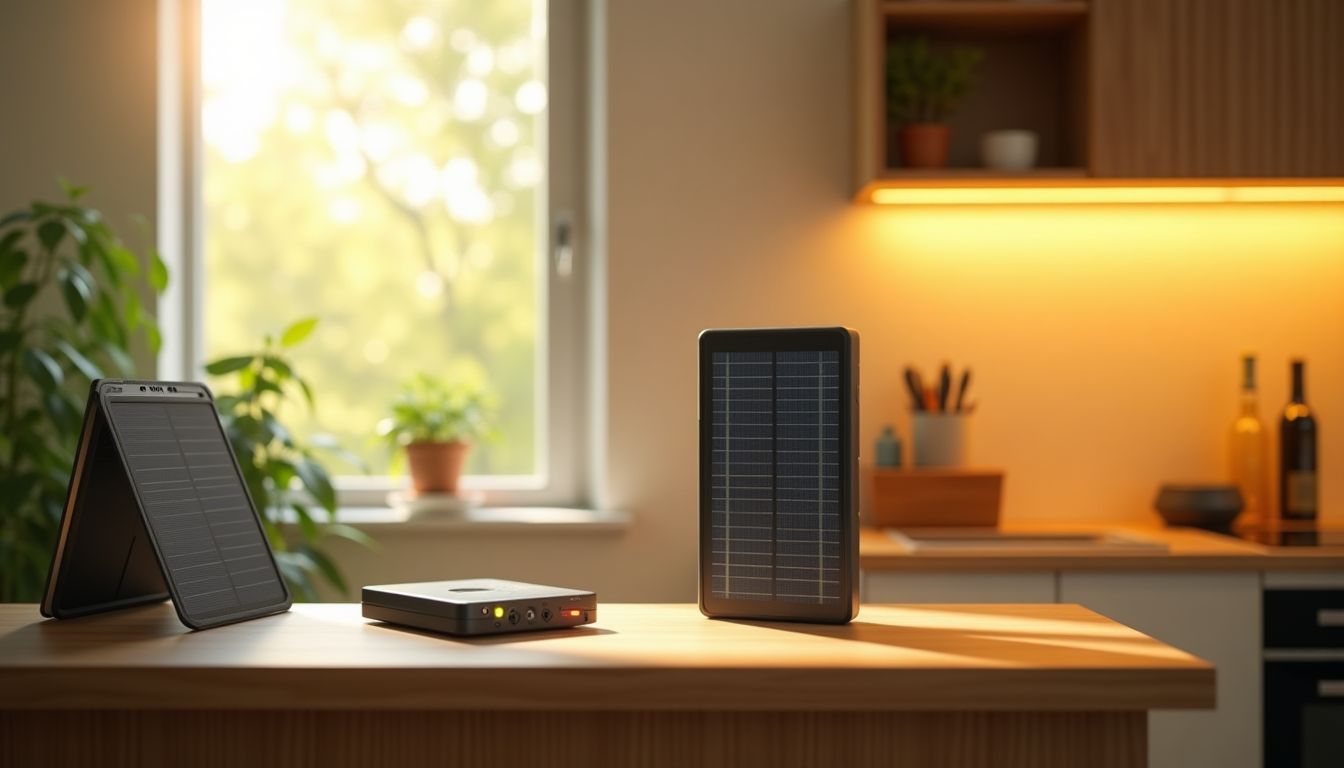
In the context of frequent power outages, the issue of autonomous power supply has become one of the most pressing for Ukrainians. Many have already realized that a generator is not the only solution, as a home charging station offers compactness, silence, and ease of use. However, the market is saturated with models featuring various characteristics, and without a clear plan, choosing a charging station can turn into a chaotic purchase of an unnecessary device. In this article, we will break down the key criteria that will help you find the ideal power source for your home, capable of ensuring comfort even during prolonged blackouts.
? Table of Contents
Determine the Critical Load: What Must Work Without Fail

Before studying technical parameters, take a piece of paper and make a list of devices that must be powered by the station during outages. For most families, these are a refrigerator, a heating system pump, an internet router, several LED lamps, and gadget chargers.
Sum up the power consumption of each device in watts. It is important to consider not the nominal but the starting load — for example, a refrigerator compressor consumes 3-5 times more energy at startup than during stable operation. If you plan to connect a circulation pump, be sure to check if the home charging station supports starting inductive loads.
ComfortShop experts recommend always adding a 20-30% margin to the resulting total. This will save you from a situation where the device operates at the limit of its capabilities, leading to rapid battery wear and automatic shutdown.
Battery Capacity and Actual Runtime
Manufacturers often indicate capacity in watt-hours (Wh), and this is the most honest metric. For example, a 1000 Wh station could theoretically power a refrigerator (150 W) for 6-7 hours. However, in practice, you must account for current conversion losses (inverter efficiency), which are about 10-15%.

If your budget is limited but you want maximum autonomous home power, look for models with the ability to connect additional batteries. Some stations allow you to expand capacity, enabling gradual investment in the system.
ComfortShop reviewers advise choosing stations with a capacity of 1000 to 2000 Wh for an average apartment. This is enough to survive a nighttime blackout or 4-6 hours of a daytime outage, powering the refrigerator, lights, and internet.
Is it worth buying a station with a LiFePO4 battery?

Lithium iron phosphate (LiFePO4) batteries are significantly more durable than standard lithium-ion ones — they withstand over 3000 charge cycles without substantial capacity loss. For a home where the station is used weekly, this means 10-15 years of service. Yes, they are more expensive, but it is an investment that pays off in reliability.
Types of Output Ports and Inverter Power
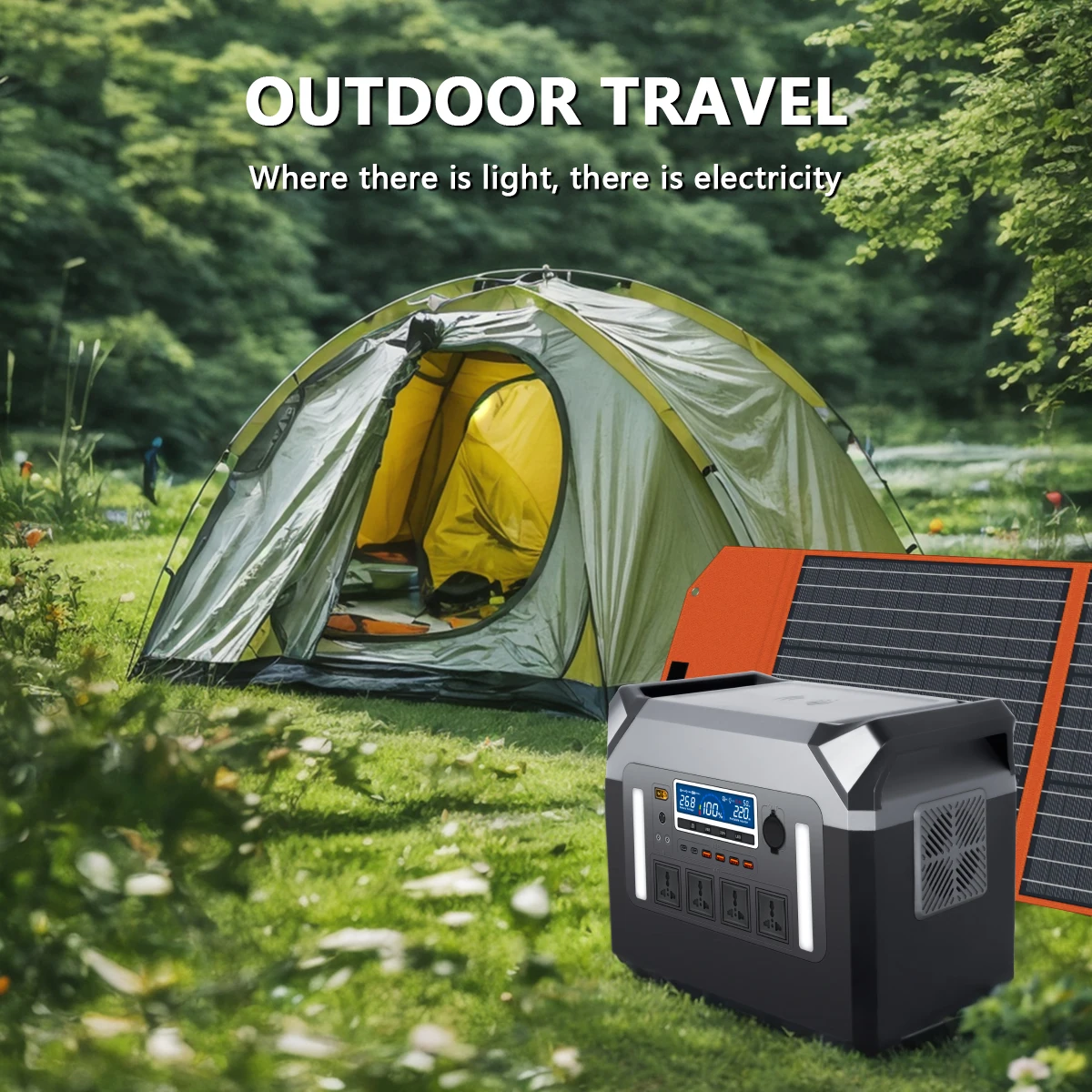
The standard set includes 220V outlets (Euro type), USB-A, USB-C (preferably with Power Delivery for fast laptop charging), and a 12V car outlet. For home use, the 220V output with a pure sine wave is critically important — without it, sensitive electronics (boilers, computer power supplies) may fail.
The inverter power determines which devices can be connected simultaneously. If you plan to power a kettle (1500 W) or a microwave (1000 W), choose a station with an inverter of at least 2000 W. For a basic set (refrigerator + lights + router), 600-1000 W is sufficient.
According to the ComfortShop editorial team, families with children should opt for models with a separate 100W USB-C port — this allows for fast charging of modern laptops and tablets, which is especially important for schoolchildren during distance learning.
Charging Methods: From the Grid, Solar, and Car
A universal home charging station should support at least three ways to replenish energy. The fastest is from a standard 220V outlet (usually 4-8 hours to full charge). The second fastest is from a car cigarette lighter (12V/24V), allowing you to charge the station on the go.
The most promising option for Ukraine is charging from solar panels. Many modern stations have a built-in MPPT controller that efficiently uses solar energy even in cloudy weather. This makes the system fully autonomous and independent of outage schedules.
Pay attention to the maximum input voltage from solar panels — it should be at least 60V to allow connecting two panels in series. Also important is the connection port: the most common standards are MC4 or Anderson.
Noise Level, Weight, and Portability
Unlike gasoline generators, a home charging station operates completely silently. This is critical if you live in an apartment building or plan to use the device at night. The absence of exhaust fumes also allows you to place the station in any room, even a bedroom.
However, weight can be a surprise: stations with a capacity of 2000 Wh weigh 15-25 kg. If frequent movement between rooms or transportation to a country house is planned, choose models with wheels and a retractable handle. Some manufacturers offer compact backpack versions of 500-700 Wh for emergencies.
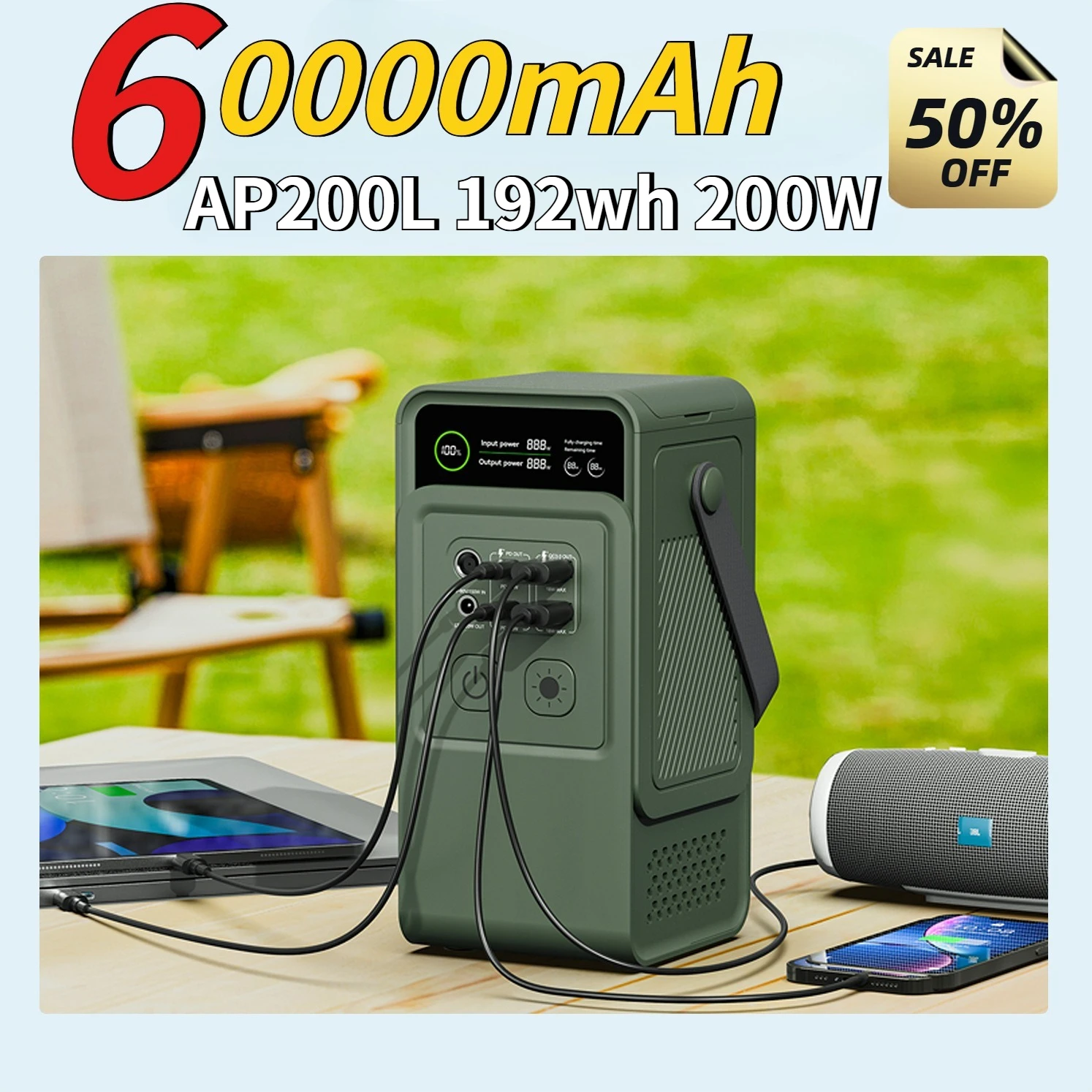
As ComfortShop reviewers note, the optimal compromise for home is a station weighing up to 15 kg that can be carried with one hand. This allows you to quickly move it to a window for solar charging or to devices that need power.
Additional Features: What Simplifies Life During a Blackout
Modern stations are equipped with displays showing the charge level, power consumption, and estimated runtime. The UPS (uninterruptible power supply) function is useful — the station instantly (in milliseconds) switches the load to itself when the grid fails, protecting computers and servers.
Some models have a mobile app for monitoring and control via Wi-Fi or Bluetooth. This allows you to remotely turn individual ports on/off, check battery status, and receive notifications about charging completion.
Also, pay attention to the presence of LED lighting on the case — it can serve as an additional light source during a complete blackout. Some stations even have an SOS emergency mode.
Conclusion:
Choosing a home charging station is a balance between your real needs, budget, and the device's physical capabilities. Start by calculating the critical load, choose models with a LiFePO4 battery and pure sine wave, and don't forget about capacity margin and the ability to charge from solar panels. According to the ComfortShop editorial team, the best solution for a Ukrainian family is a 1500-2000 Wh station with a 1500W inverter and solar panel support, which will provide comfortable autonomous home power even during prolonged outages.
Frequently Asked Questions
What power should a home charging station have during a blackout?
To power a refrigerator, lighting, and gadget charging, a station with a power of 500-1000 W is sufficient, but to connect a pump or heating boiler, a model of 2000 W or more is needed.
Can a charging station be used as a power source for the entire house?
A charging station is suitable for backup power for individual devices, but for full autonomous home power, a system with an inverter and higher-capacity solar panels would be required.
How long can a charging station power a refrigerator during a power outage?
A station with a capacity of 1000 Wh will ensure the operation of a class A refrigerator for approximately 6-10 hours, depending on the frequency of door opening and the room temperature.
Is it worth buying a charging station with solar panels for home energy savings?
Yes, it is beneficial for long-term autonomous power: solar panels allow you to charge the station during the day, reducing electricity costs and providing backup power during frequent blackouts.