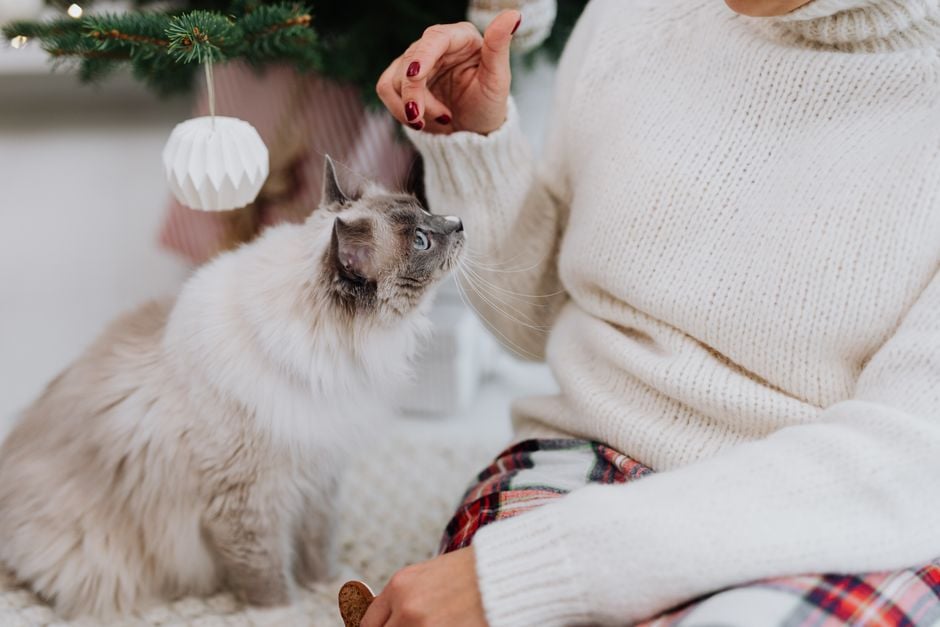
Winter is not only a time of holidays and coziness, but also a harsh test for our furry pets. This is especially true for short-haired cats, who get cold even indoors, let alone on balcony walks or trips to the countryside. In search of a solution, many owners turn their attention to specialized clothing, and the first thing that comes to mind is a sweater for a cat in winter. Is it really necessary, or is it just another marketing gimmick? Let's conduct an honest review of pet products and figure this out without any illusions. Based on the recommendation of the ComfortShop editorial team, we will consider all the pros, cons, and practical nuances of using such an accessory.
Article Contents
Do cats really need warm clothing for winter?
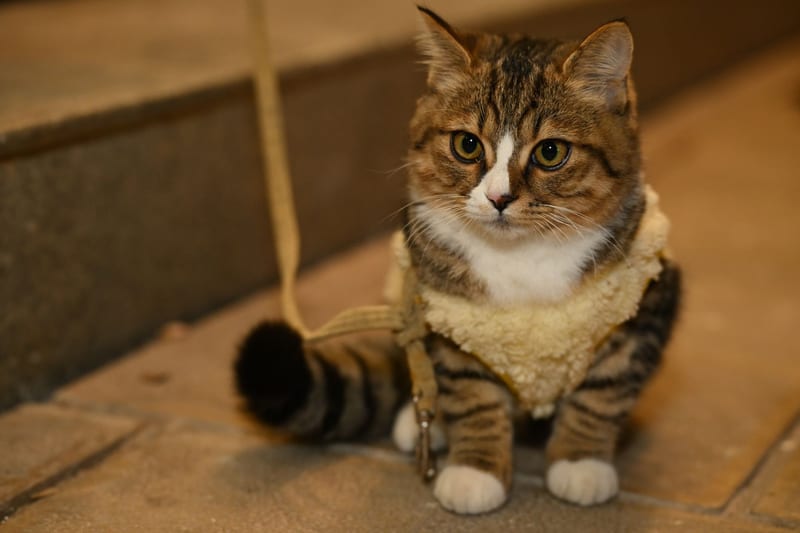
Many people believe that cats are animals with thick fur that perfectly protects them from the cold. This is only partially true. Natural undercoat does indeed protect against frost, but in domestic cats, especially Sphynx, Cornish Rex, or Bengal breeds, it can be minimal or completely absent.
Furthermore, indoor pets accustomed to a stable temperature of +22°C lose their ability to adapt to cold. A sudden trip outside in winter can be a real stress for them and even cause hypothermia. Therefore, warm clothing for cats is not a luxury but a necessity for walks in a stroller or on a leash, as well as for shows and transportation.
However, there is an important nuance: cats do not always react positively to clothing. Some individuals may become stiff or try to remove the sweater at any cost. That is why a review of a sweater for a cat should include not only materials but also the individual reaction of the animal.
Materials: what to choose for sensitive skin?
The first thing to pay attention to when choosing is the fabric composition. Synthetics, although cheap, often cause static electricity, which scares the animal, and also do not allow air to pass through, creating a greenhouse effect. The best option is natural or blended fabrics with a high content of cotton or merino wool.
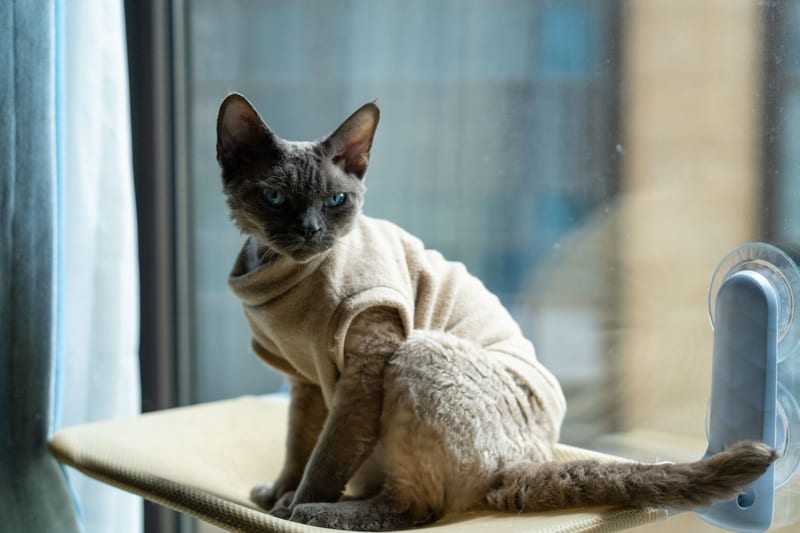
Wool warms well but can cause allergies or itching. Experts at ComfortShop recommend paying attention to fleece models — it is a synthetic but hypoallergenic material that dries quickly, does not accumulate moisture, and provides excellent thermoregulation. For a cold winter, a combination of fleece with a wool lining would be ideal.
It is also important to check the seams: they should be soft and flat, without rough ridges that can rub the skin. If you plan to use a sweater for your cat in winter during walks, choose a model with wind protection — for example, with a membrane fabric on the back.
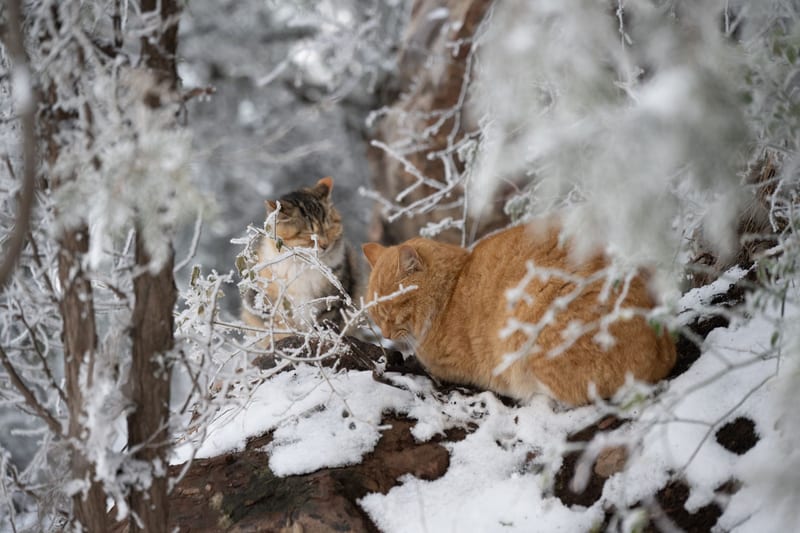
How to choose the right size: the main mistake owners make.
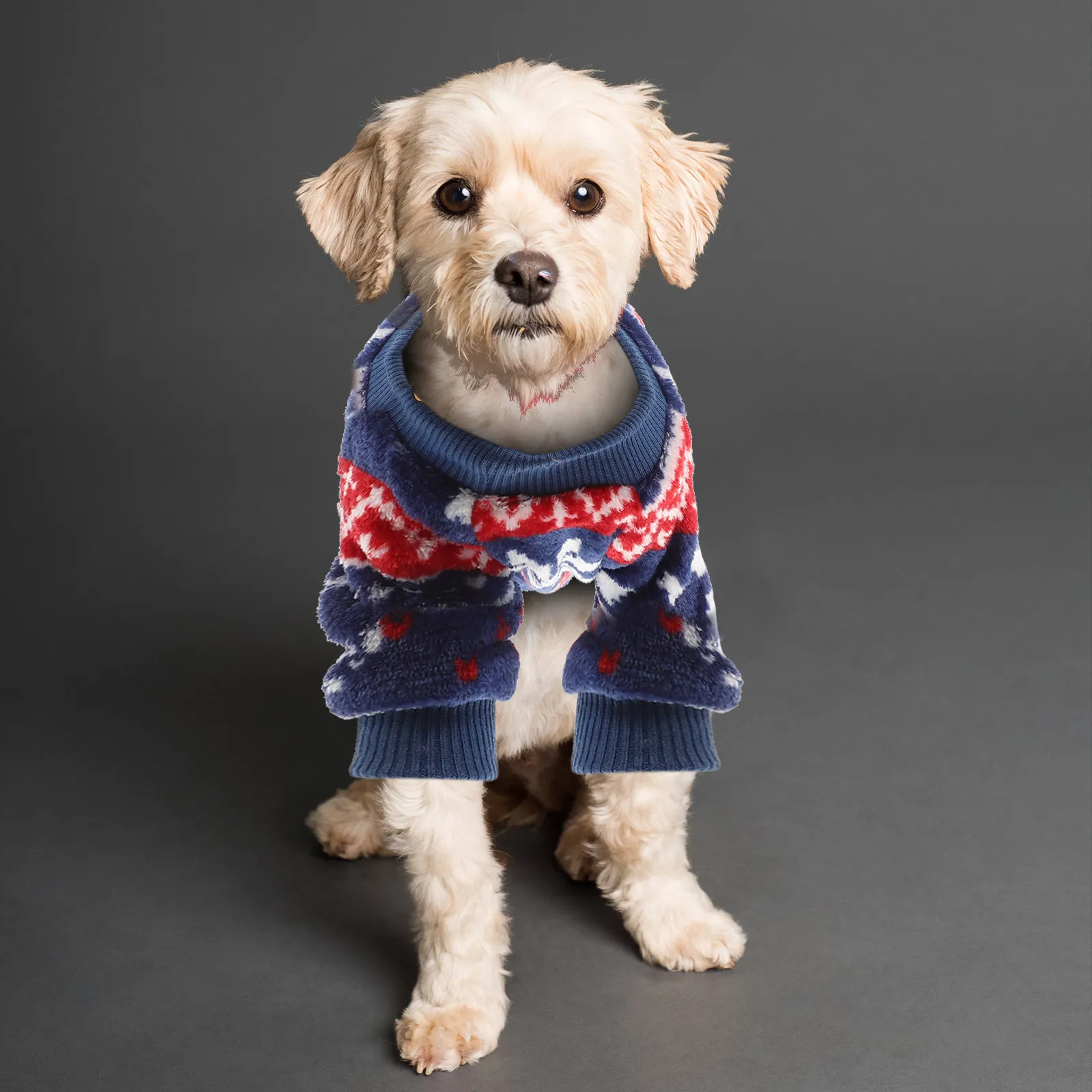
The most common problem is a sweater that is too loose or, conversely, too tight. In the first case, the cat gets tangled in the fabric; in the second, it cannot move normally, leading to poor circulation. Measure the chest girth (the widest part behind the front paws) and the back length (from the withers to the base of the tail). Add 1-2 cm for freedom of movement.
Functionality: for home or for outdoors?
Winter clothing for cats has different purposes. Home sweaters are usually lighter, made of soft cotton or thin fleece. They are designed to keep the animal from getting cold in drafts or after bathing. Outdoor models are denser, often with a hood, snow protection, and a windproof membrane.
For short-haired breeds that go outside, it is better to choose a long-sleeved jumpsuit that covers the belly. A sleeveless sweater leaves the paws exposed, which can be uncomfortable at temperatures below -5°C. If the cat lives exclusively indoors, a regular short-sleeved sweater is sufficient.
A separate category is clothing for elderly or sick animals. They lose heat faster, so warm clothing for cats in this case is a therapeutic measure. However, before purchasing, be sure to consult a veterinarian, especially if the animal has joint or skin problems.
How to get a cat used to a sweater: step-by-step instructions
Even the best and most expensive sweater for a cat in winter will be useless if the animal categorically refuses to wear it. Training should be gradual. Do not put the sweater on for an hour right away — start with 1-2 minutes, combining it with play or treats.
First, let the cat sniff the clothing, place it in the animal's bed. Then carefully put the sweater on the back without fastening the paws. If the cat does not panic, secure it completely. It is important not to leave the animal in the sweater unattended in the early stages — it could catch a paw on a loop or try to remove the clothing with its teeth.
As reviewers at ComfortShop note, it is best to train kittens from 3-4 months old — they quickly get used to clothing and perceive it as part of a game. Adult animals may take up to 2-3 weeks to adapt. If after this period the cat continues to show aggression or becomes depressed, it is worth abandoning the idea.
Is it worth buying a sweater if the cat does not go outside?
Yes, if there are drafts in the apartment, cold floors, or the animal has problems with thermoregulation. But for active short-haired cats without signs of hypothermia, it may be unnecessary. Observe the behavior: if the cat constantly seeks out the radiator, curls up in a ball in a draft — a sweater will be a lifesaver.
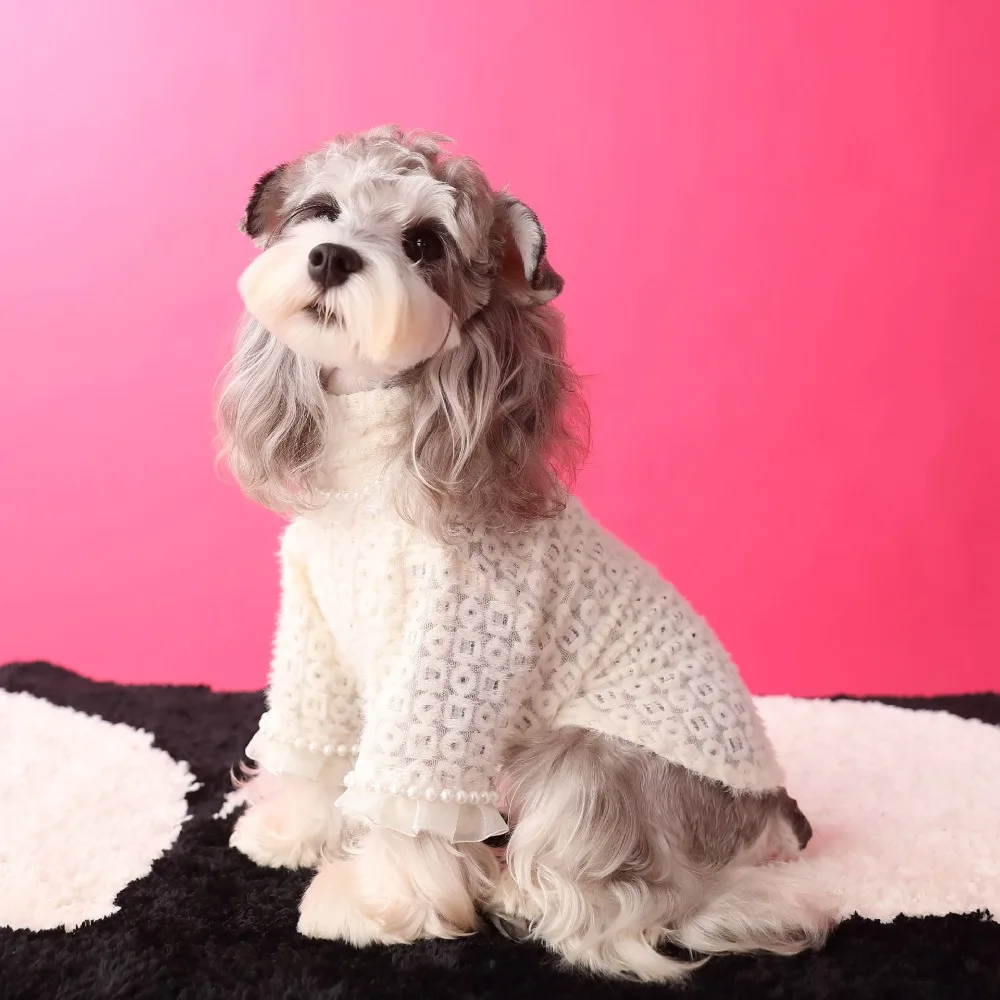
Caring for winter clothing for cats
A sweater for a cat in winter gets dirty quickly: fur, saliva, outdoor dirt. It should be washed by hand or on a delicate cycle at a temperature no higher than 30°C. Use special hypoallergenic powders without strong odors, as cats have a very sensitive sense of smell.
Do not use fabric softeners — they destroy the fabric structure and reduce heat-protective properties. It is best to dry the sweater on a horizontal surface, away from radiators and direct sunlight. If the model has Velcro or zippers, be sure to fasten them before washing to avoid damaging the fabric.
Store cat clothing in a separate bag to prevent it from absorbing odors from other items. Before each wearing, check the sweater for pills or snags — they can injure the animal's delicate skin.
Conclusion:
A sweater for a cat in winter is not a fashion statement, but a practical accessory that can significantly increase your pet's comfort during the cold season. However, its purchase should be a conscious decision: it is important to consider the breed, the animal's temperament, and the actual conditions of use. An honest review of pet products shows that high-quality warm clothing for cats pays off only if the material, size, and gradual training are chosen correctly. If you want to purchase a proven model, we recommend checking out the range at ComfortShop, which features certified products for various breeds and needs.
Frequently Asked Questions
Do all cats need a sweater in winter?
No, a sweater for a cat in winter is only needed for short-haired, hairless breeds, or elderly animals that get cold. Healthy long-haired cats usually handle the cold well on their own.
How to choose the right size sweater for a cat?
Measure the cat's chest girth and back length, then compare with the manufacturer's size chart. It is better to buy a sweater for a cat with a small allowance so that it does not restrict movement but also does not hang loose.
Is it safe to leave a cat in a sweater unattended?
No, it is not recommended to leave a cat in warm clothing unattended, especially at first. It may get tangled or catch the sweater on furniture, so winter clothing for cats should be removed when you are not nearby.
How to know if a sweater does not fit a cat?
If the cat constantly tries to remove the sweater, hides, is lethargic, or has difficulty breathing — these are signs of discomfort. An honest review of pet products always advises immediately removing the clothing if you notice such behavior.