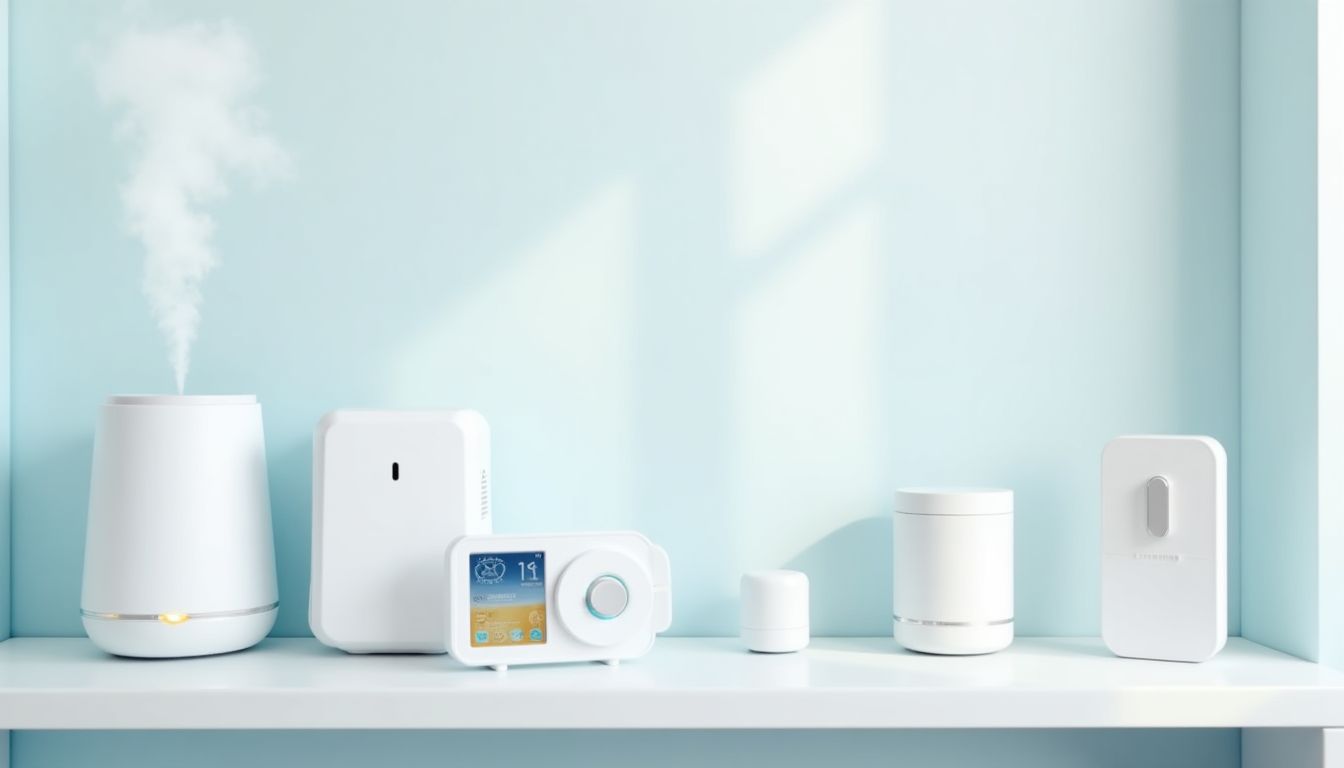
In the world of climate control technology, ultrasonic humidifiers hold a special place due to their efficiency and affordability. However, before purchasing such a device, it is worth understanding its real capabilities, as advertising often remains silent about some operational nuances. We have prepared an honest review of an ultrasonic humidifier that will help you weigh all the pros and cons and make an informed choice. According to the recommendation of the ComfortShop editorial team, it is important to understand not only the operating principle but also the specifics of caring for the equipment so that it serves for a long time and safely.
? Table of Contents
How an Ultrasonic Humidifier Works: Principle and Efficiency

An ultrasonic humidifier converts water into a fine, cold mist using high-frequency vibrations of a membrane. This is one of the most effective ways to increase humidity in a room, as the device can produce a significant amount of vapor in a short time. Unlike traditional evaporators, it does not heat the water, making it energy-efficient and safe for use in children's rooms.
The performance of modern models allows maintaining a comfortable humidity level (40–60%) in rooms up to 30–50 square meters. This factor often becomes decisive when consumers search for ultrasonic humidifier reviews and compare it with steam or traditional analogs. The device operates almost silently, which is a huge plus for the bedroom.
Main Advantages of Ultrasonic Models
Before starting your search, it is worth clearly understanding the advantages this type of equipment offers. The air humidifier, the pros and cons of which we will examine in detail, has a number of undeniable strengths. These include compact size, modern design, and the ability to adjust the intensity of steam output.

The main advantages include:
- High Performance: ability to quickly saturate the air with moisture even in large rooms.
- Economy: low power consumption (usually 25–40 W) compared to steam models.
- Safety: cold steam eliminates the risk of burns, making the device safe for children and pets.
- Quiet Operation: noise levels often do not exceed 25 dB, which does not disturb sleep.
ComfortShop experts advise paying attention to models with a hygrostat function, which automatically maintains a set humidity level, preventing over-humidification.
Disadvantages to Know in Advance
No equipment is perfect, and ultrasonic humidifiers are no exception. The main drawback, often mentioned in ultrasonic humidifier reviews, is the formation of white dust on furniture. This occurs due to the use of hard tap water containing salts and minerals. Fine particles of these substances settle on surfaces, requiring more frequent cleaning.
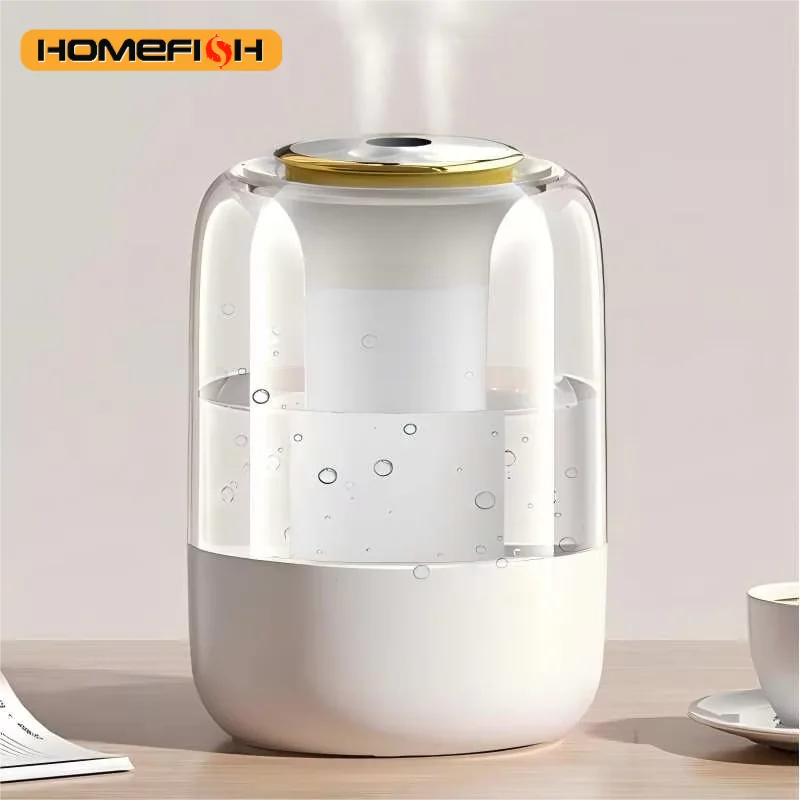

Another disadvantage is the need for regular maintenance. If you do not clean the device and change the water, bacteria and mold can multiply in the tank. Additionally, some models have a limited range, so multiple devices may be needed for large rooms. It is also worth considering that ultrasonic models require the use of distilled or filtered water to avoid dust.
What to Look for When Choosing: Key Criteria.
When deciding which humidifier to choose, pay attention to the water tank volume. For a small room, 3–4 liters is sufficient, but for a large living room, it is better to choose a model with 5–6 liters to avoid refilling daily. Equally important is the presence of a built-in hygrometer, which shows the current humidity level.
Humidifier Rating: What to Pay Attention To?
When compiling a humidifier rating, experts usually consider several parameters: performance, noise level, ease of maintenance, and additional features. For example, the presence of a timer, night mode, or aromatherapy function can significantly enhance comfort. It is also worth paying attention to the body material — the plastic should not have a strong chemical smell.
In the "climate control equipment review" category, models with top water filling, which are easier to maintain, are often highlighted. Additionally, devices with air ionization are popular, although their real impact on health is often exaggerated. The main thing is to choose trusted brands that offer quality materials and a warranty.
Comparison with Other Types of Humidifiers
To understand if an ultrasonic model is right for you, it is worth comparing it with steam and traditional (cold evaporation) analogs. Steam humidifiers heat water to boiling, ensuring steam sterility, but they consume more electricity and can be dangerous. Traditional models work on the principle of natural evaporation but have low performance.
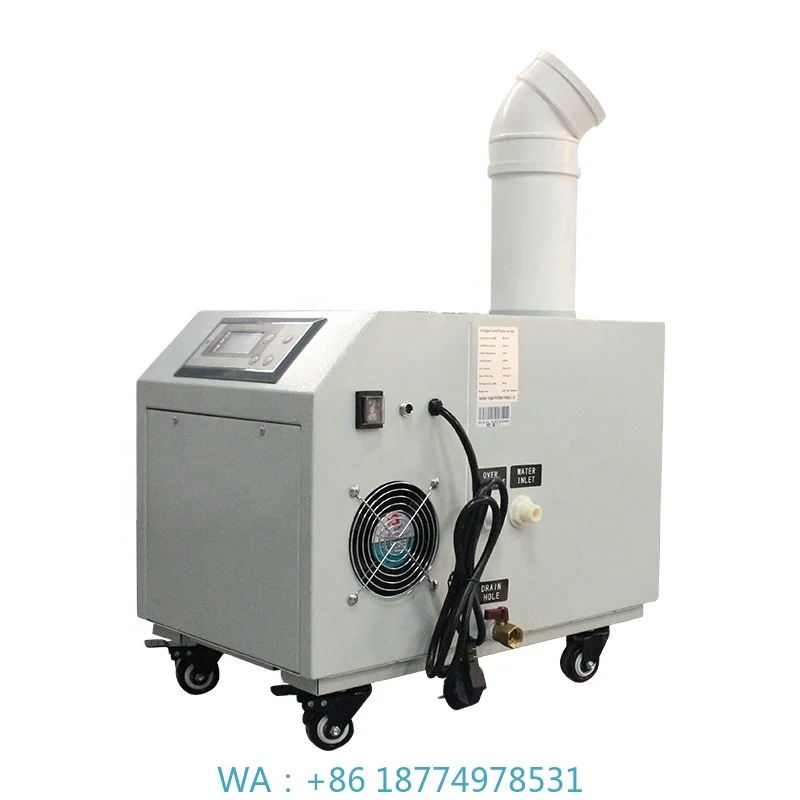
Ultrasonic devices win in terms of price-to-performance ratio but require quality water. If you are willing to use filters or distillate, this is the optimal choice for home. For offices or large spaces, it is better to consider centralized humidification systems.
Operation and Maintenance Tips
Proper care of an ultrasonic humidifier is the key to its long and safe operation. First, use only purified water: distilled, deionized, or passed through reverse osmosis. This will completely eliminate the problem of white dust. Second, wash the tank and membrane weekly with a soft cloth without abrasive agents.
Do not leave water in the device for a long time if you are not using it — this prevents the growth of bacteria. Some models have an automatic shut-off function when the tank is empty, which adds safety. As ComfortShop reviewers note, regular maintenance extends the device's lifespan to 5–7 years.
Conclusion:
An ultrasonic humidifier is an excellent solution for maintaining a comfortable microclimate at home, especially during the heating season. It is efficient, economical, and safe, but requires attention to water quality and regular maintenance. If you are ready to follow these simple rules, such a device will become a reliable assistant for your health and well-being. Choose a model with a hygrostat and sufficient tank volume — this will ensure maximum comfort.
Frequently Asked Questions
Does an ultrasonic humidifier really leave white dust on furniture?
Yes, if you use regular tap water, an ultrasonic humidifier can leave white dust due to hardness salts. To avoid this, use distilled or filtered water.
Which humidifier should I choose: ultrasonic or steam?
An ultrasonic humidifier is quieter, consumes less electricity, and is safer for children, but requires quality water. A steam humidifier is better suited for large rooms and can be used for inhalation, but it is hot and less economical.
Does an ultrasonic humidifier help with dry air in winter?
Yes, it is one of the most effective ways to increase humidity in a room during the heating season. It quickly saturates the air with moisture, making breathing easier and reducing static electricity.
How often should I clean an ultrasonic humidifier?
It is recommended to wash the tank and membrane every 3-4 days to prevent the growth of bacteria and mold. Once a week, deep cleaning with vinegar or special products should be performed.