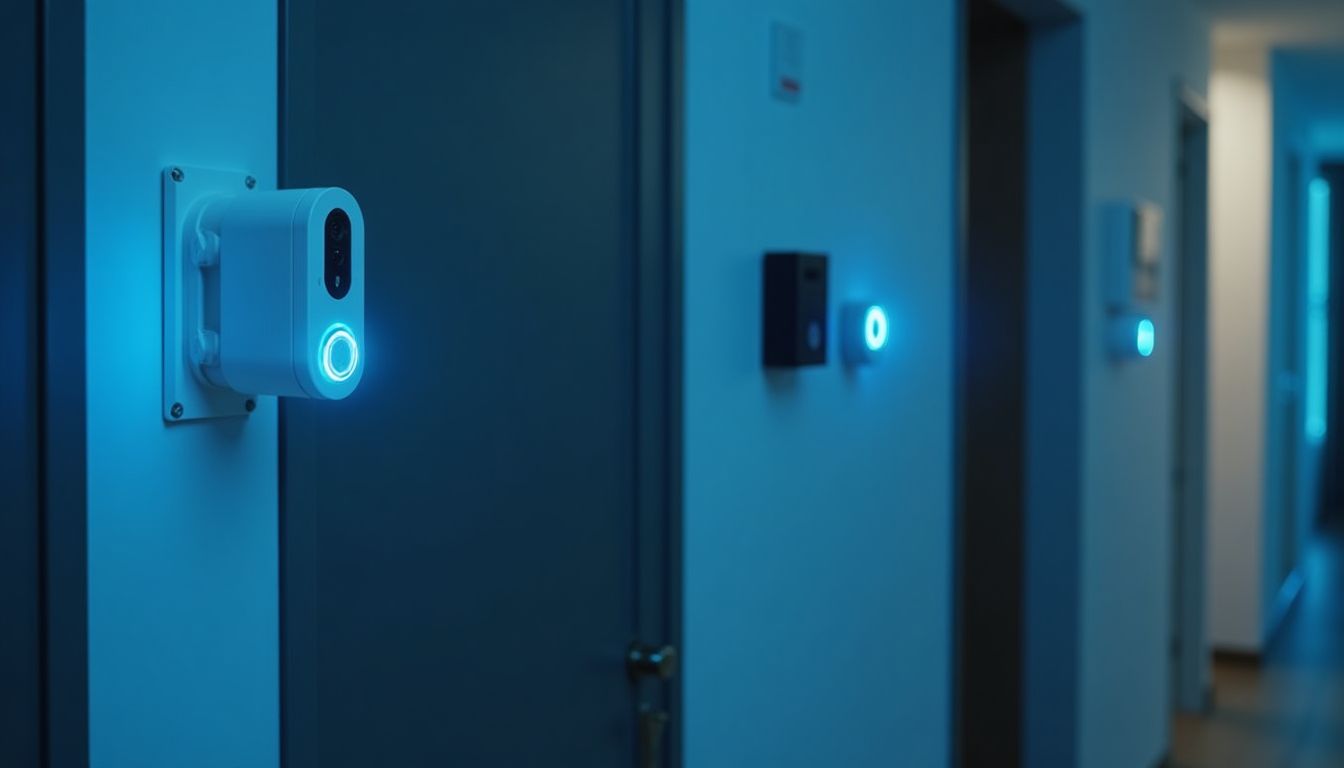
A modern home is increasingly becoming smart, and one of the most popular elements of a security system is the door and window open sensor. This compact device can not only warn of unauthorized entry but also automate many household processes. Many still believe that such sensors are needed exclusively for alarms, but their functionality is much broader. According to the recommendation of the ComfortShop editorial team, installing these sensors is the first step towards creating a truly safe and energy-efficient home. Let's figure out why an open sensor is needed, where it is best to install it, and how it changes the usual way of life.
Article Contents
- Operating principle and main functions of the open sensor
- Why an open sensor is needed: home security and peace of mind
- Where to install an open sensor: key areas in the house
- Open sensor for security system: integration and scenarios
- How to choose the right sensor and avoid installation mistakes
- Conclusion:
Operating principle and main functions of the open sensor

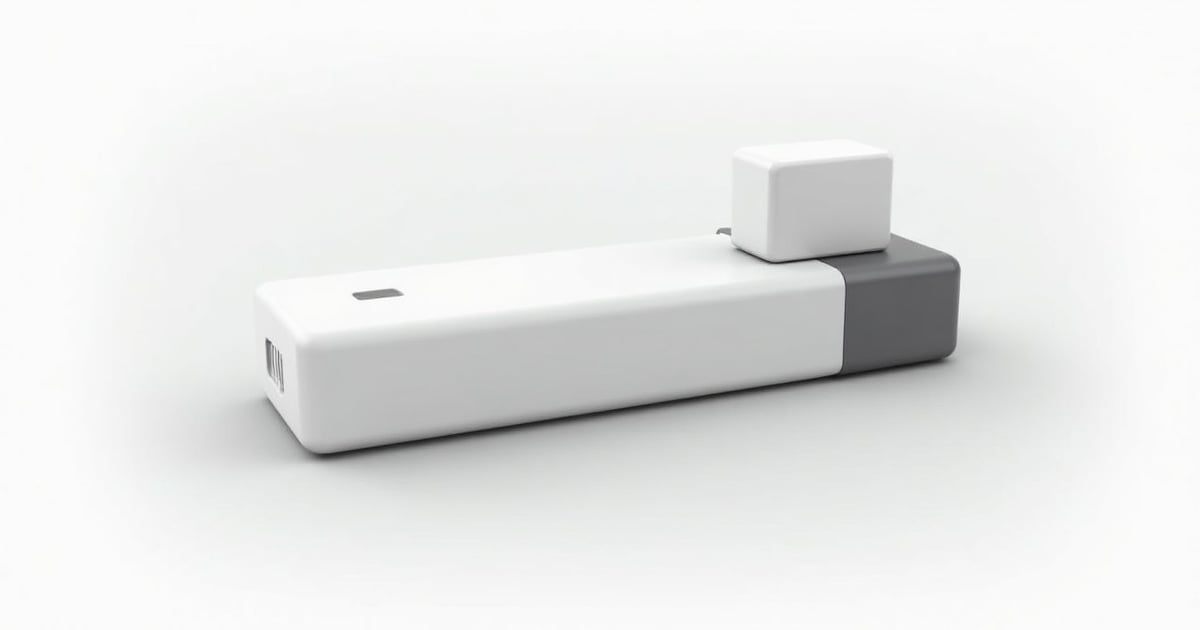
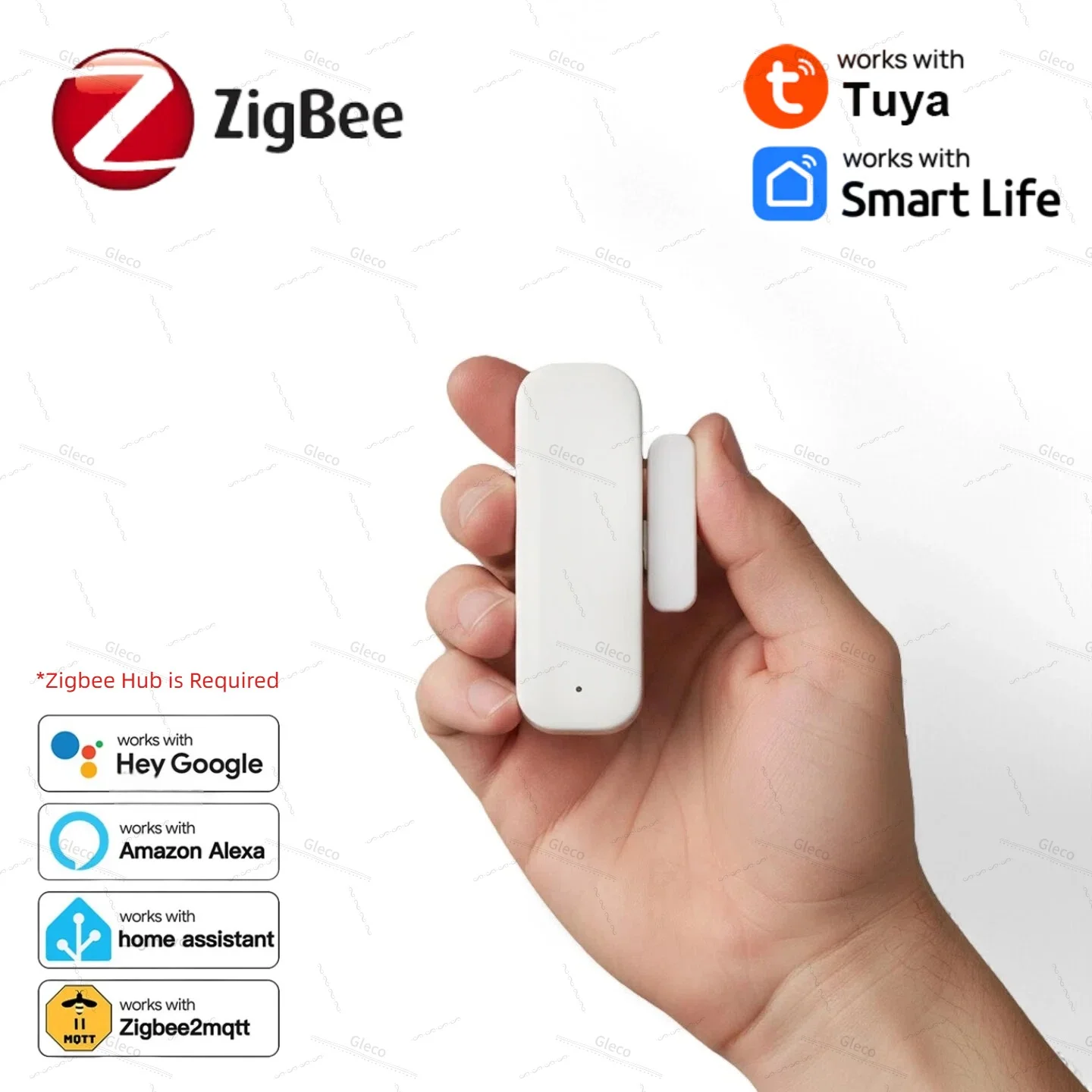
Most door and window open sensors operate on the principle of a magnetic reed switch. The device consists of two parts: a magnet and a reed sensor. When the sash is closed, the magnet holds the contacts closed. As soon as the door or window is opened, the magnetic field disappears, the contacts open, and the sensor transmits an alarm signal or command to the central unit.
Modern models can work both as part of a wired alarm system and wirelessly, using Zigbee, Z-Wave, or Wi-Fi protocols. This allows them to be integrated into a "smart home" system and receive notifications on a smartphone. In addition to the security function, such sensors can control lighting, climate, and even simulate the presence of owners when you are not at home.
Why an open sensor is needed: home security and peace of mind
The main reason to install a door and window open sensor is protection against burglary. Statistics show that most thefts occur through unlocked doors or first-floor windows. The sensor instantly reacts to an attempted intrusion, activating a siren or sending an alarm signal to the owner and the security service.

However, open sensors ensure home security not only from intruders. They are indispensable in families with small children or pets. You will receive a notification if a child independently opens the front door or a cat jumps onto the windowsill. Additionally, the sensor will remind you to close the windows before leaving if you forgot to do so, which is especially important in winter for heat conservation.
Where to install an open sensor: key areas in the house
The choice of installation location depends on your goals. If you are thinking about where to install an open sensor first, start with the front door and first-floor windows. These are the most vulnerable points for entry. For apartments on upper floors, it is also worth protecting windows, especially if there are fire escapes or neighbor balconies nearby.
However, the list of locations is not limited to the perimeter. Window and door open sensors are often installed on:
- Entrance doors to the garage or basement — to control access to utility rooms.
- Gate or wicket — on private properties to track if you left them open.
- Cabinets with weapons or valuables — as an additional level of security inside the house.
- Medicine cabinet or refrigerator — in a "smart home," such sensors can remind you to restock supplies or control children's access to medications.
Open sensor for security system: integration and scenarios
A modern open sensor for a security system is not just a passive element. In combination with a "smart home" controller, it opens up many automated scenarios. For example, when you open the front door, you can set up automatic turning on of the hallway light and disarming the alarm.

ComfortShop experts advise paying attention to the possibility of creating triggers for the climate control system. If the sensor detects that a window is open, the smart thermostat automatically turns off the heating or air conditioner to avoid wasting energy. This allows for significant savings on utility bills, especially during the off-season.
Automation based on open sensors makes the home not only safer but also much more comfortable.
Additionally, you can set up an "Alarm" scenario where, when the sensor is triggered at night, all the lights in the house automatically turn on, scaring off intruders. Or a "Ventilation" scenario that reminds you to close the windows before going to bed.
How to choose the right sensor and avoid installation mistakes
When choosing a door and window open sensor, pay attention to the type of connection. For an apartment, a Wi-Fi model is sufficient, but for a large house with thick walls, devices on Zigbee or Z-Wave, which create their own network, are better suited. An important parameter is the distance between the magnet and the sensor during installation. If you install them too far apart, the sensor will not work correctly.
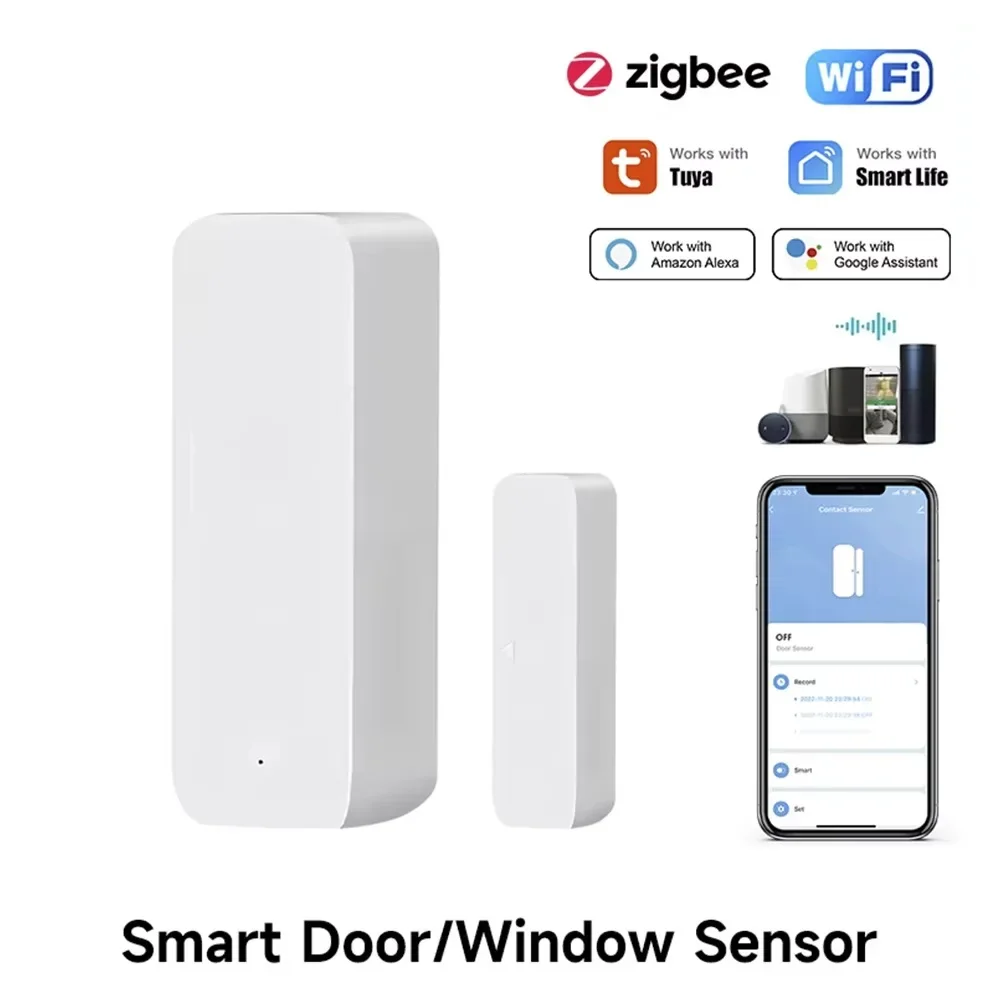
During installation, avoid metal surfaces that shield the magnetic field. The sensor is attached to the fixed part of the frame, and the magnet to the sash. Make sure they align with minimal gap when closed. For wireless models, check the battery charge level — quality sensors operate for up to 2-3 years without replacing the power elements.
Conclusion:
The door and window open sensor is a simple yet extremely effective tool for enhancing the security and comfort of your home. It not only protects against theft but also helps save energy resources, monitor children and pets. Thanks to the ability to integrate into a "smart home" system, these sensors become an integral part of modern living. As ComfortShop reviewers note, installing sensors on all entrance groups and windows is an investment that pays off with peace of mind and confidence in your family's safety.
Frequently Asked Questions
Why is a door and window open sensor needed in a security system?
It instantly notifies of unauthorized entry, activating an alarm or sending a push notification to a smartphone, which is the first level of protection for your home.
Where should I install an open sensor to ensure maximum home security?
They are most often mounted on the front door, balcony doors, and all externally accessible windows, especially on the first floor or near fire escapes.
Can a window open sensor be used not only for security but also for automation?
Yes, for example, when a window is opened, the sensor can automatically turn off the air conditioner or heating to save electricity and not waste heat.
How does a door and window open sensor work as part of a "Smart Home" system?
It consists of two parts (a magnet and a reed switch) that close the contact when closed; when the circuit opens, the system controller receives a signal about the opening.