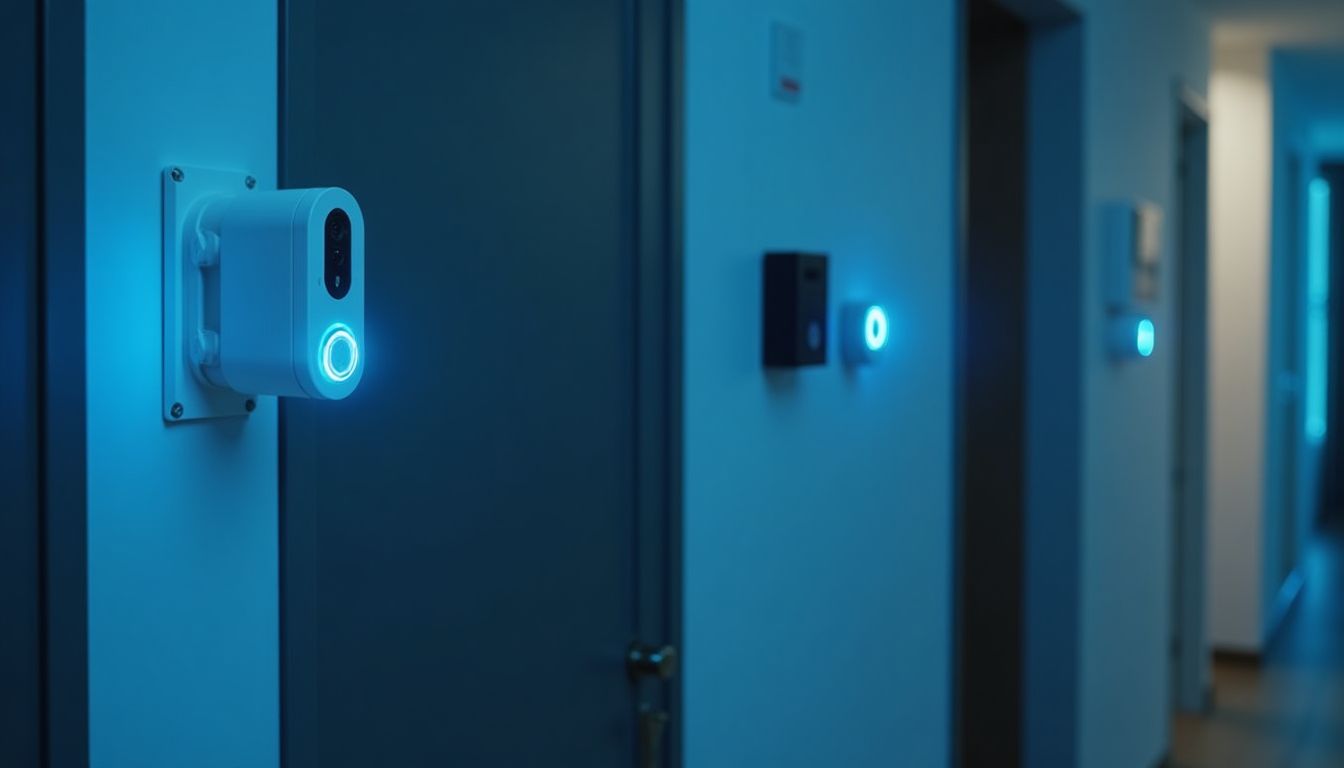
Securing your own home is not just about installing locks, but creating a comprehensive perimeter control system. Modern IP cameras for a private house have become an affordable and effective tool that allows you to monitor the territory from anywhere in the world via a smartphone. Unlike analog solutions, digital cameras transmit high-definition images without quality loss over long distances. After analyzing the technical parameters of the modern market, the ComfortShop editorial team notes that the right approach to equipment selection eliminates "blind spots" on the property.
Article Contents
Why choose IP solutions for your home
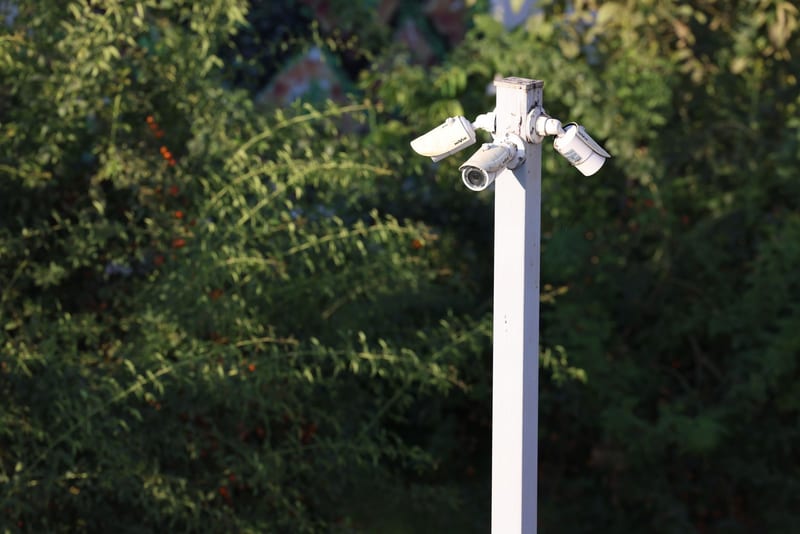
The main advantage of network devices lies in their high resolution, which often starts at 2 MP (Full HD) and reaches 8 MP (4K). This allows you to discern small details: a car license plate or a visitor's face. In addition, choosing an IP camera for your home opens access to intelligent features such as motion detection with human recognition, which reduces the number of false alarms triggered by pets.
Powering via a single Ethernet cable (PoE) significantly simplifies the installation of IP cameras on a building facade or fence. You don't need to run a separate power line to each point, saving on cabling costs. The digital signal easily integrates into a smart home, allowing you to create automation scenarios, for example, turning on lighting when motion is detected at night.
Key criteria for choosing a camera for your home
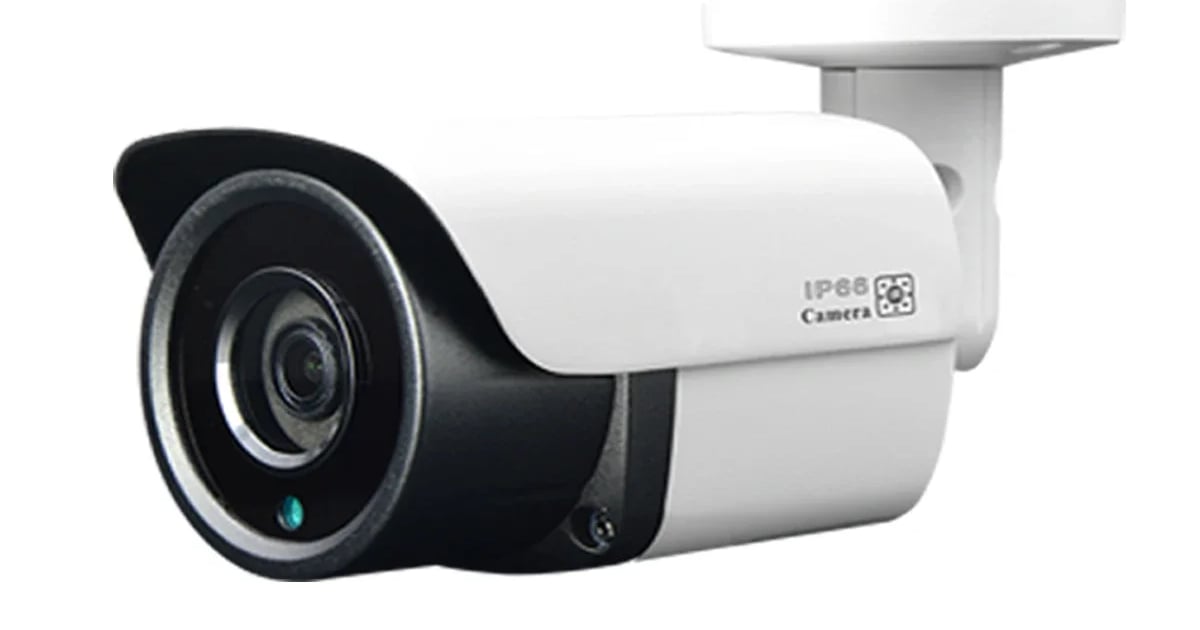
Before purchasing, it is important to clearly define the surveillance zones and operating conditions. How to choose a camera for your home depends on whether you plan to install it inside the living room or outside in the rain and snow. Outdoor models must have a protection rating of at least IP66, which guarantees dust and water resistance, as well as a wide operating temperature range.
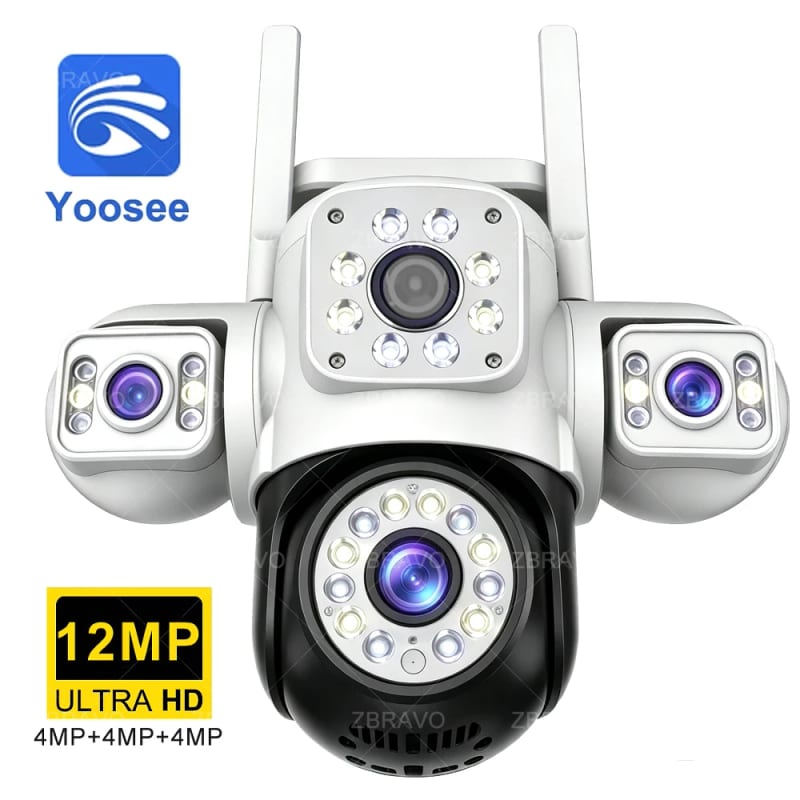
Focal length and field of view.
For general yard monitoring, wide-angle lenses (2.8 mm) are suitable, while for identifying individuals at the entrance, narrow-directional lenses (6 mm or more) are better. Varifocal cameras are a versatile compromise, allowing you to adjust the focus during setup. Based on an analysis of specifications, ComfortShop recommends paying attention to the presence of IR illumination with a range that matches the length of your property at night.

Planning a video surveillance system for a private house
Designing a home security system begins with a site plan. Mark the entrance group, gate, parking area, front door, and potentially vulnerable spots near first-floor windows on the diagram. It is important to avoid lens flare from direct sunlight or car headlights, so the viewing direction should be checked on-site.
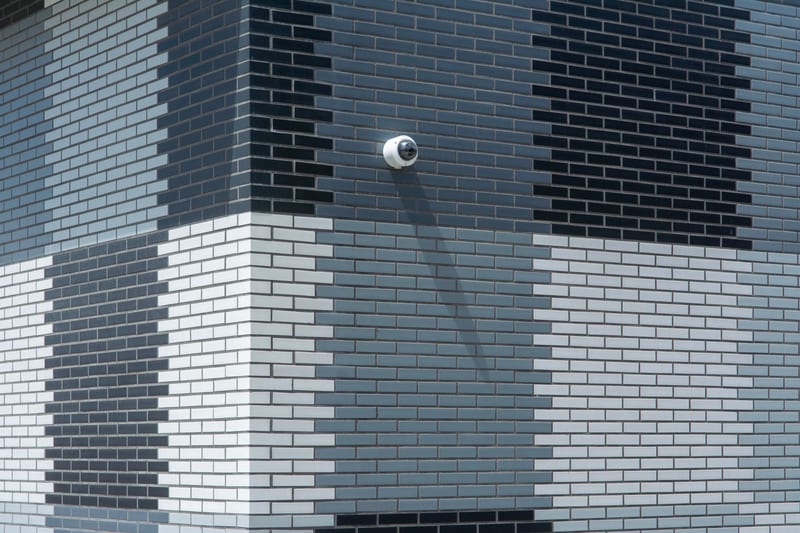
Video surveillance for a private house does not necessarily have to be continuous, but critical points must overlap. If the budget is limited, it is better to install two specialized cameras at the entrances than one wide-angle camera with low detail. Don't forget about the mounting height: the recommended range is 2.5–3 meters, which makes physical tampering more difficult while maintaining facial recognition quality.
Installation and connection features
Professional video surveillance installation in a private house involves not only mounting brackets but also proper cable routing. For outdoor work, "twisted pair" cable in an outdoor-rated jacket, resistant to ultraviolet radiation, is used. If PoE technology is used, it is important to ensure that the switch or network video recorder (NVR) has sufficient power budget for all connected devices.
Sealing connections is a key factor for longevity. All outdoor RJ-45 connectors must be placed in waterproof junction boxes or protected with adhesive-lined heat shrink tubing. For wireless IP cameras, Wi-Fi signal stability is critical, so installing additional access points or a Mesh system may be necessary to cover the entire garden area.
Data storage and remote access
Modern home security systems offer flexible archiving scenarios. The most reliable is recording to a local network video recorder (NVR) with a hard drive specifically designed for video surveillance. Such drives are rated for 24/7 operation in write/read mode and are vibration-resistant.
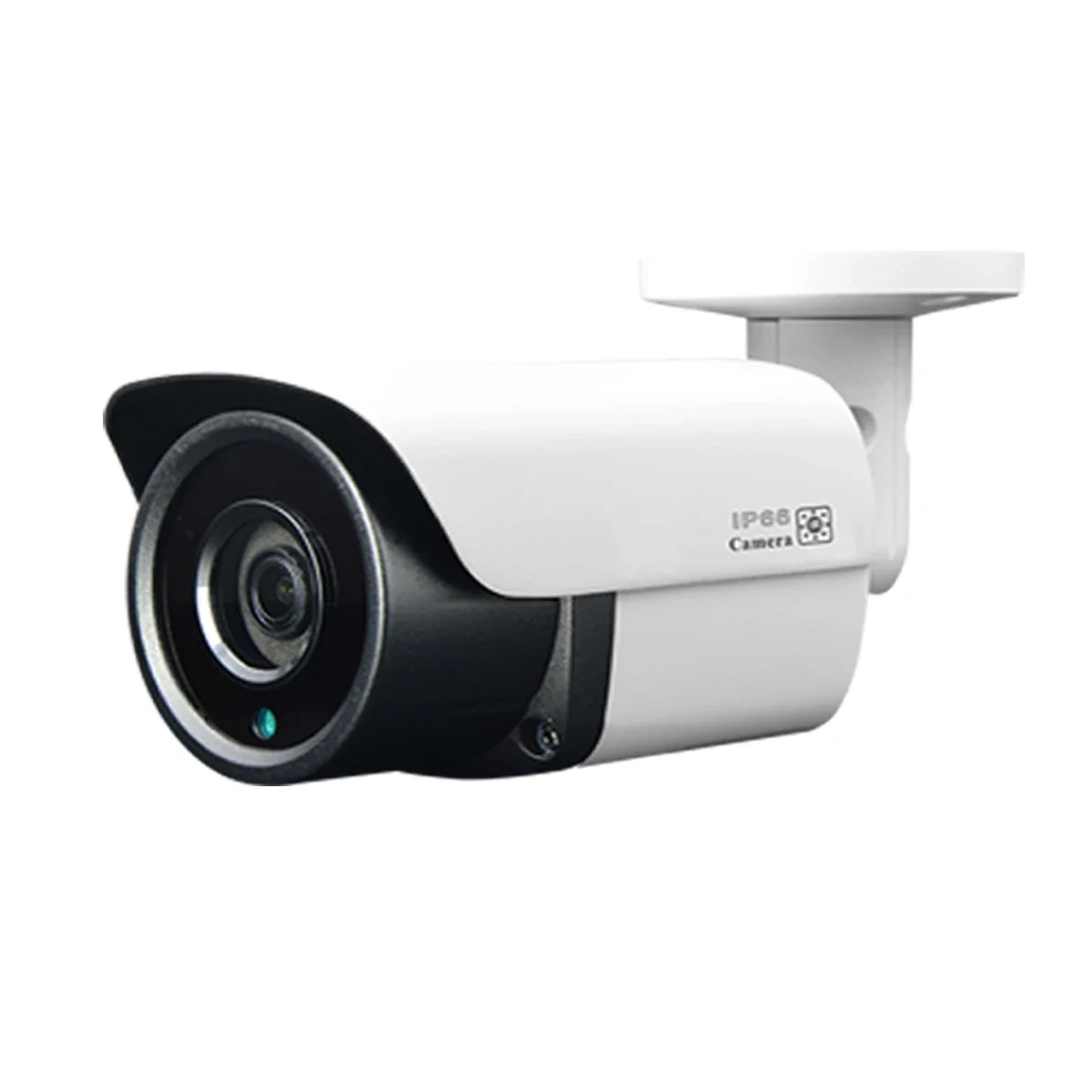
Cloud services act as additional insurance in case the recorder itself is stolen. According to the ComfortShop editorial team's recommendation, the optimal approach is a hybrid scheme: continuous recording to the NVR and cloud synchronization of alarm events. Remote viewing via P2P services does not require complex router settings or a dedicated IP address, which significantly simplifies setup for the average user.
Conclusion:
A well-designed video surveillance system for a private house is a guarantee of peace of mind and preventive protection against uninvited guests. When analyzing the market, preference should be given to equipment with built-in analytics and PoE support, which minimizes the number of wires. Adhering to basic installation rules and choosing a reliable location for the video recorder will ensure uninterrupted system operation for years to come.
Frequently Asked Questions
What resolution IP camera is needed for a private house?
For reliable recognition of car license plates and faces at distances up to 10 meters, choose cameras with a resolution of 4 MP (2K) or 8 MP (4K). For general perimeter viewing, 2 MP (Full HD) is sufficient.
Can video surveillance be installed in a private house without the internet?
Yes, IP cameras can record video to a local video recorder (NVR) or a memory card without an internet connection. However, remote viewing from a smartphone and receiving push notifications require a stable internet connection.
How to protect IP cameras from hacking and unauthorized access?
Be sure to change default passwords, enable two-factor authentication, and regularly update device firmware. Also, set up a separate guest Wi-Fi network for the cameras to isolate them from your main home devices.
Which power type is better for outdoor cameras: PoE or Wi-Fi?
For outdoor installation of IP cameras on a house wall or fence, PoE (Power over Ethernet) power is the most reliable — it transmits both data and electricity over a single cable, protecting against interruptions. Wireless Wi-Fi cameras are easier to install but require regular battery replacement and may lose signal through walls.