The electric vehicle market in Ukraine is growing rapidly, and more and more drivers are considering buying a used EV as a smart alternative to a traditional car. It is indeed advantageous: lower fuel costs, simpler maintenance, and pleasant dynamics. However, buying a used electric vehicle has its pitfalls, the main one being the condition of the high-voltage battery. According to the recommendation of the ComfortShop editorial team, inspecting a used EV should be approached systematically, as the cost of replacing the battery can reach half the price of the car itself. To avoid turning a profitable purchase into a financial trap, it is important to know what to look for during inspection and test drive.
Article Contents
High-voltage battery condition: the main criterion
The battery pack is the heart of any electric vehicle, and its condition determines the car's remaining lifespan. The first thing to do is check the State of Health (SoH) indicator, which reflects the real battery capacity as a percentage of the factory value. For most modern EVs aged 3-5 years, an SoH of 85-92% is considered normal. If the indicator is below 80%, this is a serious reason for negotiation or refusal to purchase.
Besides the numbers, it is important to pay attention to the charging history. The ideal scenario is when the previous owner primarily charged the car at slow AC stations up to 80-90% and rarely used fast DC charging. Frequent fast charging cycles accelerate battery degradation. Specialists at ComfortShop advise checking the data through a diagnostic adapter (e.g., OBD-II with CarScanner or LeafSpy for Nissan), as the seller may hide the real wear.
Checking mileage and service history
Mileage tampering on electric vehicles is rare but possible. Unlike internal combustion engines, where mileage can be checked by engine condition, in an EV, the main marker is the battery. If the stated mileage is 80,000 km, but the battery SoH shows 75%, this is a clear discrepancy indicating either rolled-back mileage or aggressive use. To check the mileage of a used EV, it is worth using specialized services like Carfax or Autodata.
Also, pay attention to the service book. Electric vehicles require less routine maintenance than cars with internal combustion engines, but the replacement of battery coolant, transmission fluid in the gearbox, and cabin filters should be documented. If the service history is missing, this is a reason to consider hidden problems.
Body, chassis, and braking system
Although electric vehicles are considered more reliable due to fewer moving parts, the body and chassis wear out just like in conventional cars. Pay special attention to corrosion: due to the heavy weight of the battery and high torque, the suspension of EVs operates under more stress. Inspect the control arms, bushings, and shock absorbers for play and leaks.
The braking system is another nuance. Thanks to regenerative braking, traditional brake pads on EVs wear out much slower, sometimes lasting over 100,000 km. However, this leads to caliper sticking and rust on the brake discs. When inspecting a used EV, be sure to check the ease of wheel rotation and the evenness of disc wear.

Why you should pay attention to the condition of the high-voltage wiring and charging port.
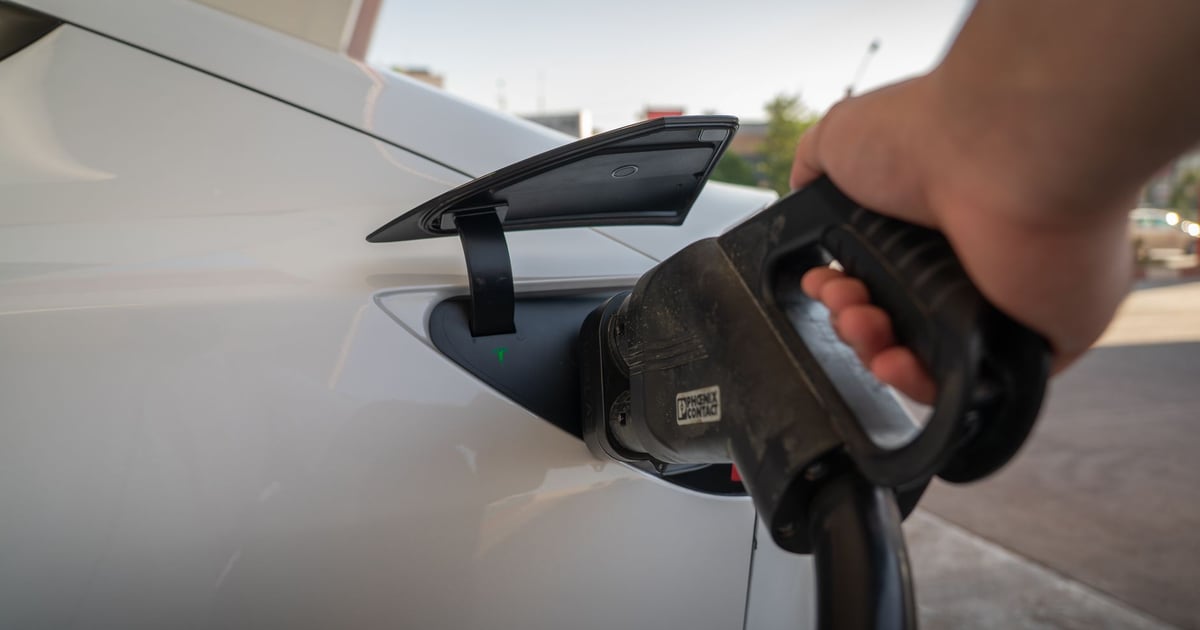
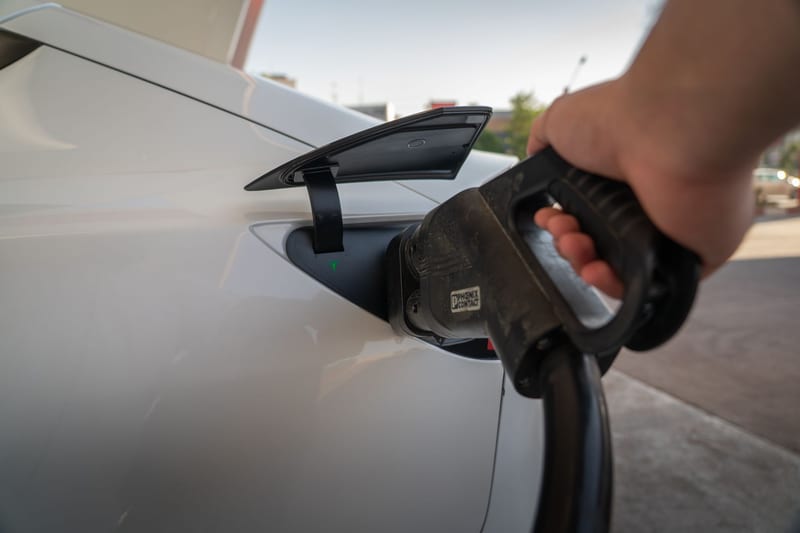
Damage to high-voltage cables or connectors can lead to expensive repairs. Inspect the charging port (Type 2 or CCS) for chips, deformation, or signs of overheating. If there is carbon buildup or melting on the contacts, this indicates incorrect operation of the charging equipment or network overload. Also, check that all port covers close tightly.
Checking electronics and climate control
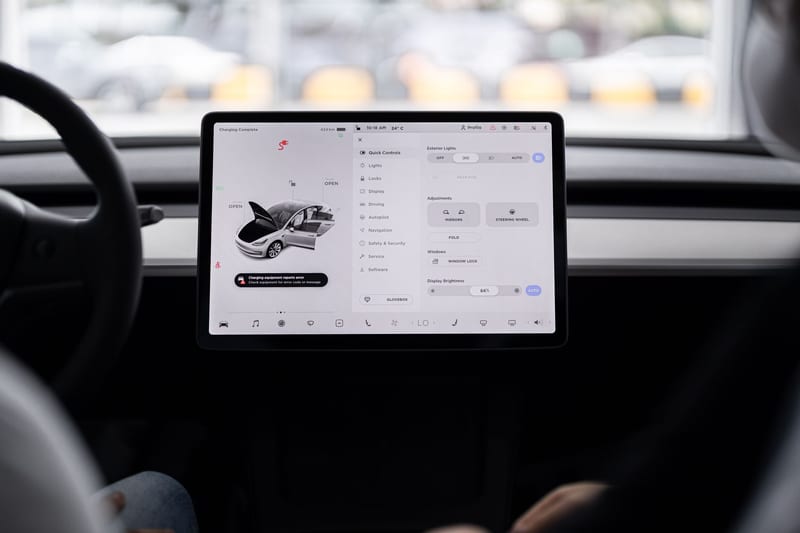
An electric vehicle has complex electronics that control all systems. During the test drive, check the operation of all auxiliary systems: lights, power windows, mirrors, multimedia. It is especially important to test the climate control, as cabin heating in winter significantly affects the driving range. If the EV is equipped with a heat pump, this is a big plus, as it consumes less energy for heating than a conventional electric heater.
Additionally, check the operation of the regenerative braking system. On many models, the level of regeneration can be adjusted. If the car does not slow down when releasing the accelerator pedal or does so jerkily, this may indicate problems with the inverter or motor controller.
Legal clarity and equipment
Before purchasing, be sure to check the vehicle's VIN code through databases (e.g., Opendatabot or the Ministry of Internal Affairs check). Electric vehicles are often imported from abroad, so it is important to ensure that the car is not pledged, is not a "constructor," and has no registration restrictions. This is especially relevant for models imported under preferential customs clearance conditions.

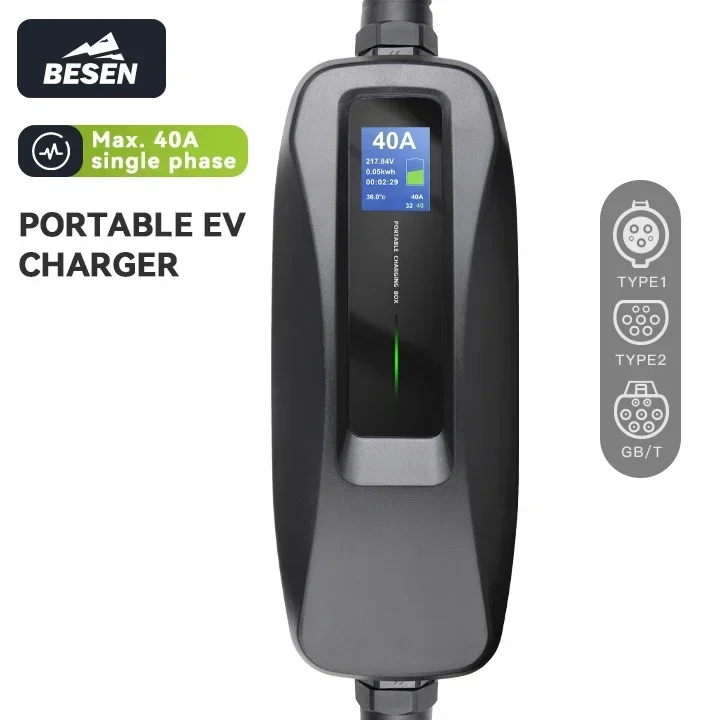
Pay attention to the availability of original charging cables (Mode 2 and Mode 3). Their absence can add 200-500 euros to the purchase budget. As noted by ComfortShop reviewers, the presence of a second set of keys and the original manual also increases the car's liquidity for future resale.
Conclusion:
Buying a used electric vehicle is a great opportunity to save money and get a modern car with low operating costs. The main thing is not to neglect battery diagnostics, carefully check the car's history and the condition of the charging equipment. By following these simple tips, you can find a reliable EV that will delight you with quiet and dynamic driving for years to come. Specialists at ComfortShop recommend always conducting a test drive in different modes and, if necessary, contacting specialized services for in-depth computer diagnostics.
Frequently Asked Questions
How to check the battery condition of a used electric vehicle?
It is best to use a specialized OBD2 scanner and an app like LeafSpy or TeslaFi, which will show the real battery degradation level (SOH) and the number of charging cycles.
Is it worth buying an electric vehicle with a mileage over 100,000 km?
Yes, it can be profitable, but be sure to check the battery service history and the inverter condition, as the traction battery's lifespan usually exceeds 200,000 km with proper use.
What body and chassis faults should I look for when buying a used EV?
Due to the heavy weight of the battery, wheel bearings, bushings, and shock absorbers wear out faster in electric vehicles, so check for extraneous noises and even tire wear.
How to find out the real driving range of a used electric vehicle?
Ask the seller to fully charge the car and reset the onboard computer, then take a test drive on the highway — this will show the real range on a single charge under current conditions.