Heating a private home is not only a matter of comfort but also a significant expense in the family budget. In modern conditions, with constantly rising energy prices, choosing an efficient and economical heating system becomes key to energy conservation in the home. Autonomous home heating provides freedom from centralized networks but requires a thorough analysis of all available options. This article will help you compare heating systems by examining their efficiency, initial costs, and operating expenses to find the answer to the question: how to heat a home cheaply and reliably.
? Table of Contents
- Classic Systems: Gas, Electric, and Solid Fuel Heating
- Modern Energy-Efficient Technologies: Heat Pumps and Solar Collectors
- Comparative Table of Heating Systems: Characteristics and Costs
- How to Choose the Most Efficient Heating for Your Home?
- Economical Home Heating: Strategies and Practical Tips
- Conclusion:
Classic Systems: Gas, Electric, and Solid Fuel Heating
Traditional heating methods remain the most common due to their availability and familiarity. Gas heating for a private home, when a natural gas line is available, is often considered one of the most convenient options. It provides a stable heat supply, a high degree of automation, and relatively low running costs compared to electricity. However, the high costs of connecting a gas pipe and processing paperwork can be a significant barrier.
Electric heating is the simplest option to install and maintain. It is ideal for homes without access to gas or as an additional heat source. The main problem lies in operating costs: electricity tariffs make continuous heating of large areas very expensive. Solid fuel boilers (using wood, coal, or pellets) offer autonomy and low fuel costs but require constant attention: refueling, ash cleaning, and ensuring storage conditions for supplies.
Key selection criterion: balance between convenience and fuel cost.
Thus, classic systems have clear advantages and disadvantages. Gas is convenient and cheap to operate but expensive to connect. Electricity is simple but costly. Solid fuel is economical but labor-intensive. To find the most efficient heating for a private home, it is also worth considering modern high-tech solutions.
Modern Energy-Efficient Technologies: Heat Pumps and Solar Collectors
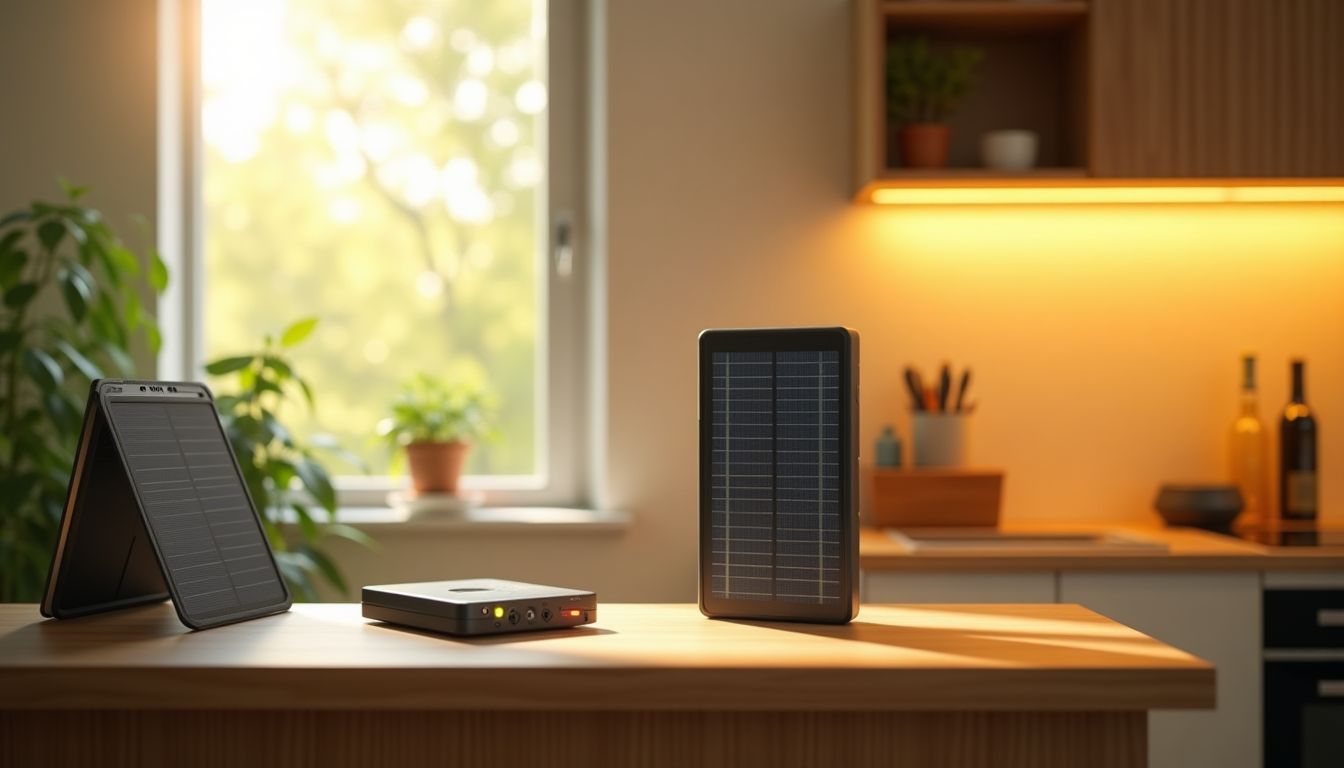
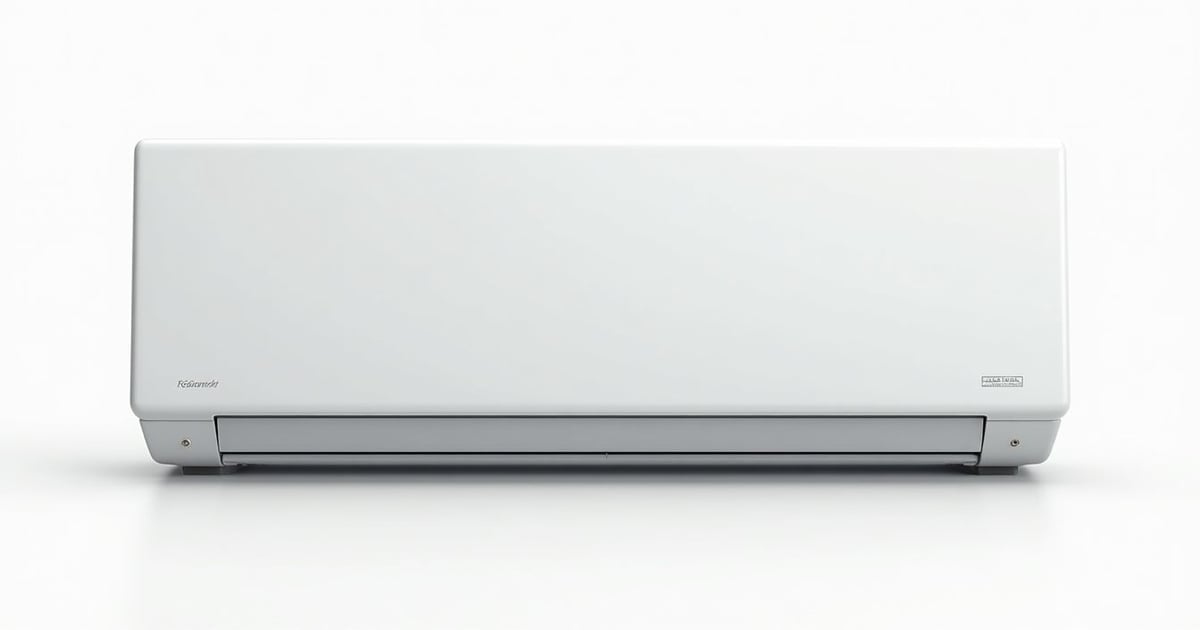
The rapid development of technology offers fundamentally different approaches to energy conservation in the home. Heat pumps are leaders in efficiency because they do not generate heat but transfer it from the environment (air, ground, water) into the house. For every 1 kW of electricity consumed, they can "pump" 3-5 kW of thermal energy, making them extremely economical to operate.
The main obstacle to the widespread adoption of heat pumps is the very high initial cost of equipment and installation work, especially for geothermal systems. However, these costs are recouped within 5-10 years thanks to minimal energy bills. Solar thermal collectors are an excellent addition to any system, allowing free water heating for domestic hot water or supporting heating. Their efficiency is highest in summer and lowest in winter, so they are rarely used as the sole heat source.

These technologies make autonomous home heating not just independent but highly efficient. They are ideal for new buildings with high-quality insulation, where the issue of energy conservation is addressed comprehensively.
Comparative Table of Heating Systems: Characteristics and Costs
For clarity, here is a summary of data to help compare heating systems by key parameters. This table provides a general overview; exact figures depend on the region, fuel prices, and the specific home's parameters.
Approximate characteristics of various heating options:
Natural Gas:
Initial Costs: High (project, connection, boiler).
Heating Cost: Low.
Operation: Fully automated, high convenience.
Eco-friendliness: Medium (CO2 emissions).
Electric Boiler/Convectors:
Initial Costs: Low/Medium.
Heating Cost: Very high.
Operation: Fully automated, simple.
Eco-friendliness: Depends on electricity generation method.
Solid Fuel Boiler (Wood/Pellets):
Initial Costs: Medium.
Heating Cost: Low/Medium.
Operation: Partial/Full automation (pellets), need for fuel preparation.
Eco-friendliness: Low (emissions, waste).
Air-to-Water Heat Pump:
Initial Costs: Very high.
Heating Cost: Very low.
Operation: Fully automated.
Eco-friendliness: Very high.
How to Choose the Most Efficient Heating for Your Home?
Choosing the optimal system depends on a combination of factors, not just fuel price. First, assess available utilities: whether gas is connected, and whether the electrical grid can handle powerful equipment. Second, the level of home insulation is critically important. The most efficient heating for a private home will waste energy if the house quickly loses heat through old windows, thin walls, or a cold roof.
Budget also plays a decisive role. If the main goal is to move in as quickly as possible with minimal investment, consider a combination: an electric boiler as the primary source and a fireplace or pellet stove for support during severe frosts. If you are building a "forever home" and are ready for significant initial investment, a heat pump combined with solar panels can provide near-zero operating costs for heating and hot water.
Don't forget about convenience. For a family living permanently, an automated system that doesn't require daily monitoring is often a priority. For a seasonal vacation home, simpler and cheaper solutions may be more appropriate.
Economical Home Heating: Strategies and Practical Tips
Economical home heating begins not with choosing a boiler but with energy conservation. Any system, even the most modern, will waste money if the house is poorly insulated. Therefore, initial investments should go towards this: quality windows, insulation of the facade, roof, and foundation. These measures can halve heat loss, thus significantly reducing both the required power and heating costs.
Another strategy is using a multi-tariff electricity meter in combination with a thermal storage tank. This allows heating water or coolant at night at the lowest rate and using the stored heat during the day. Combining several heat sources (hybrid systems) is also effective. For example, the primary source could be a gas or pellet boiler, while a heat pump or solar collector is used for heating during mild weather or in the transitional season.
Do not skimp on the quality of equipment and professional installation. A poorly installed boiler or an unbalanced underfloor heating system can negate all the advantages of expensive and efficient equipment. Consulting with a qualified heating engineer will help design the optimal scheme for your specific conditions.
Conclusion:
Choosing a heating system is always a search for a compromise between initial costs, operating expenses, and comfort level. For a home with a gas connection, a modern condensing gas boiler is often the most optimal choice. If gas is unavailable and the budget is limited, consider an automatic pellet boiler or plan a hybrid system. For those building an energy-efficient home from scratch and ready for large initial investments, a heat pump is the undisputed leader in long-term energy conservation. In any case, you should start with high-quality home insulation, as this is the foundation of any economical heating system.