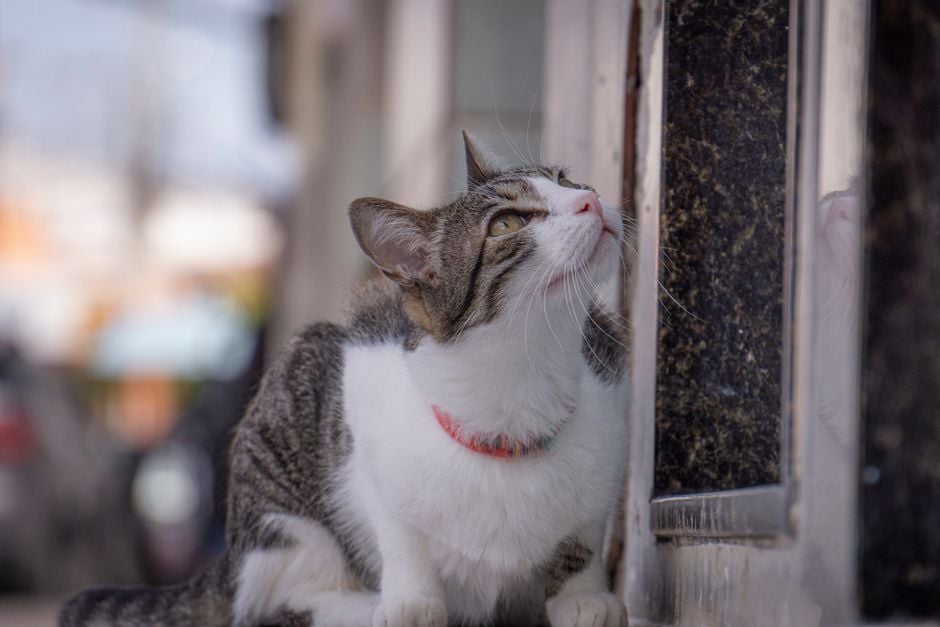
In today's world, caring for pets goes far beyond the usual bowl of food. Cat owners are increasingly thinking about the safety of their furry friends, especially if they have access to the outdoors. That's why a GPS collar for a cat is transforming from an exotic accessory into an essential piece of equipment. Can these devices really show a pet's coordinates in real-time, or is it just a marketing gimmick? Let's break down the technologies, functionality, and practical value of such gadgets. According to the recommendation of the ComfortShop editorial team, a modern tracker is not just a toy, but a reliable control tool that should be chosen consciously.
? Article Contents
How a GPS Collar for a Cat Works: Operating Principle
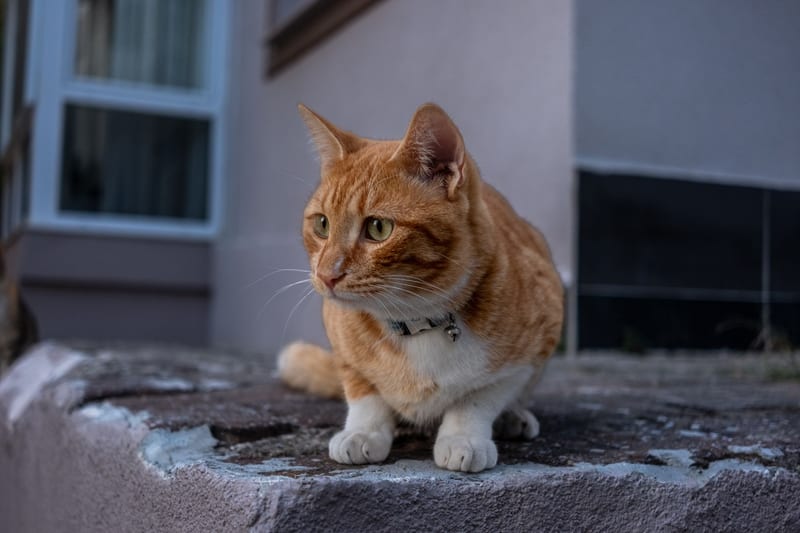
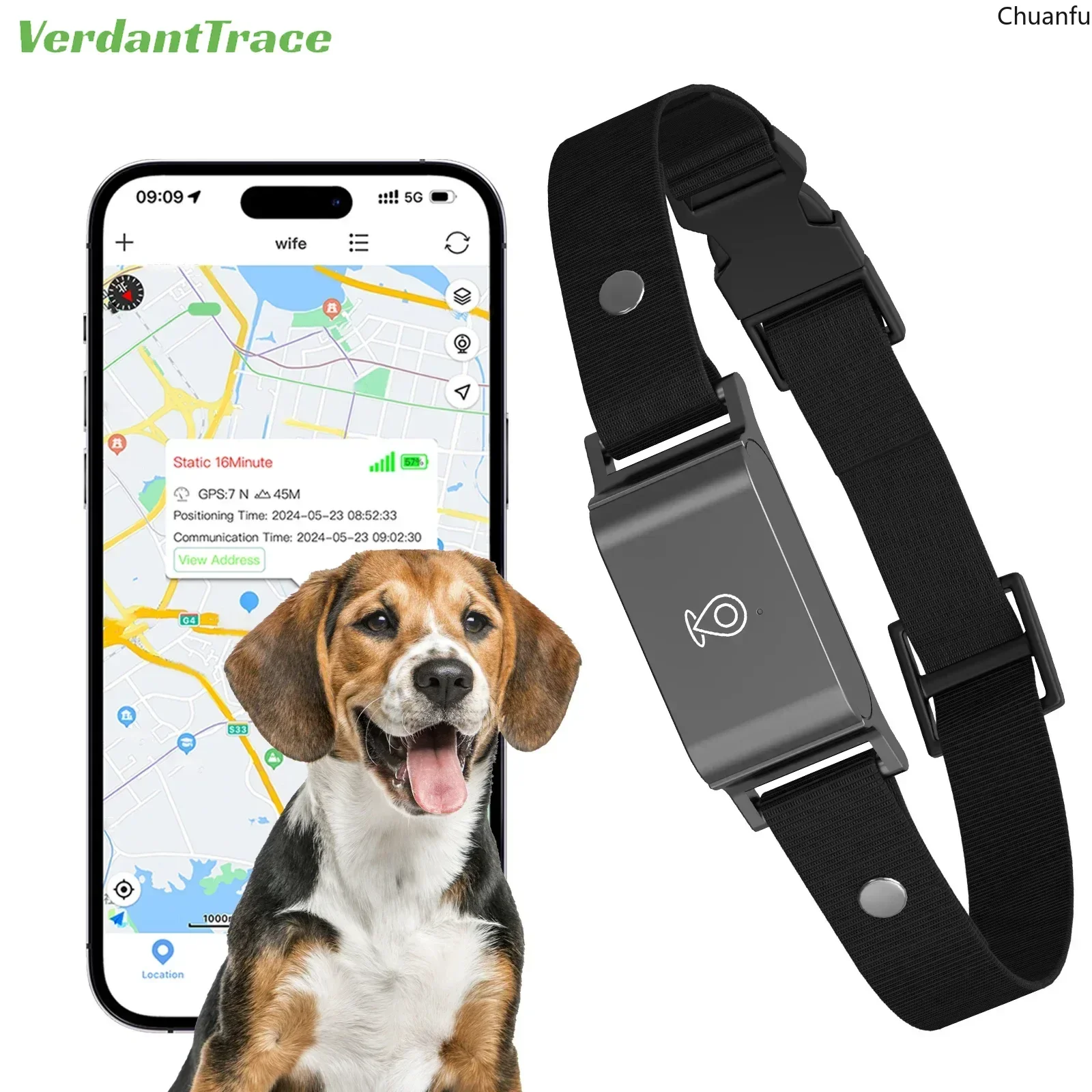
Most owners mistakenly believe that the collar independently determines coordinates and transmits them to the phone. In reality, the mechanism is more complex. A GPS collar for a cat receives signals from satellites, calculates its location, and then transmits this data via a cellular network (2G, 3G, 4G, or NB-IoT) to the manufacturer's server. From there, the information reaches the mobile app.
For the device to work, a SIM card with an active data transmission plan is mandatory. That is why tracking a cat via GPS is impossible without mobile operator coverage in the animal's location. If the cat runs into a basement or a dense forest with no signal, the tracker may show the last known point.
Modern models also use LBS technology (location determination via cell towers) and Wi-Fi positioning. This allows obtaining approximate coordinates even in areas with weak satellite signals. Specialists at ComfortShop advise paying attention to hybrid systems that combine several methods of determining location.
Does a Tracker Really Help Find a Cat: Real Experience
Practice shows that reviews of GPS trackers for cats from real users often contain stories of successful searches. For example, a cat roaming within a radius of 200-300 meters from home almost always falls into the zone of accurate fixation. The owner can see not only a point on the map but also the history of movements for the day.
However, it's worth understanding the limitations: no collar provides a 100% guarantee of instant detection. If the animal climbs into a metal container or a concrete basement, the signal may disappear. In such cases, the "last known point" function helps — you at least know where to look.
The key factor for success is regular data updates. Cheap models update coordinates every 5-10 minutes, which can be critical if the cat moves quickly. More expensive devices can transmit data every 10-30 seconds, allowing you to track the route almost in real-time.
Is it worth buying a GPS collar for a cat if the animal doesn't go outside?
Even indoor cats can accidentally run out through an open door or escape during transport. In such situations, a tracker becomes the only chance to quickly find a frightened animal that has hidden in an unfamiliar area. Therefore, the device is also useful for purely indoor pets.
Key Features and Criteria for Choosing a GPS Collar
To buy a GPS collar for a cat that will actually work, you should pay attention to several technical parameters. First, it's weight and size. For a medium-sized cat, the optimal tracker weight is up to 30-40 grams. A heavier device will be uncomfortable and may rub the neck.
Secondly, the type of fastening is important. The collar should be comfortable, with a quick-release function (safety buckle), so the animal doesn't get caught on branches or fences. Also, pay attention to moisture protection — IP67 or IP68 standards guarantee operation in the rain and after falling into a puddle.
The third criterion is battery life. An average battery holds a charge for 2-5 days, depending on the data update frequency. GPS collars for cats reviews often mention that daily charging can be inconvenient, so it's worth choosing models with energy-efficient modes.
- Positioning accuracy: the error should be no more than 5-10 meters in open areas.
- App compatibility: a user-friendly interface, the ability to set up geofences (safe zones).
- Additional features: flashlight, microphone for listening, owner call button.
GPS Collar vs Bluetooth Tracker: What to Choose for a Cat
Many owners confuse GPS collars with Bluetooth tags (e.g., AirTag or Tile). These are fundamentally different technologies. A Bluetooth tracker only works within a range of up to 50-100 meters from your smartphone. It does not transmit coordinates via the internet and won't show where the cat is if it has wandered far away.
In contrast, a GPS collar for a cat does not depend on the proximity of your phone. You could be in another city or even country, and the app will show the exact location of your pet. This is especially important if the cat roams in fields, forest belts, or a country house plot.
However, Bluetooth tags have an advantage — they are more compact and cheaper. But for true safety control of a cat that has free access to the outdoors, tracking a cat via GPS is the only effective option. As noted by ComfortShop reviewers, hybrid solutions (GPS+Bluetooth) are gradually becoming the market standard.
How to Properly Use a GPS Collar: Tips for Owners
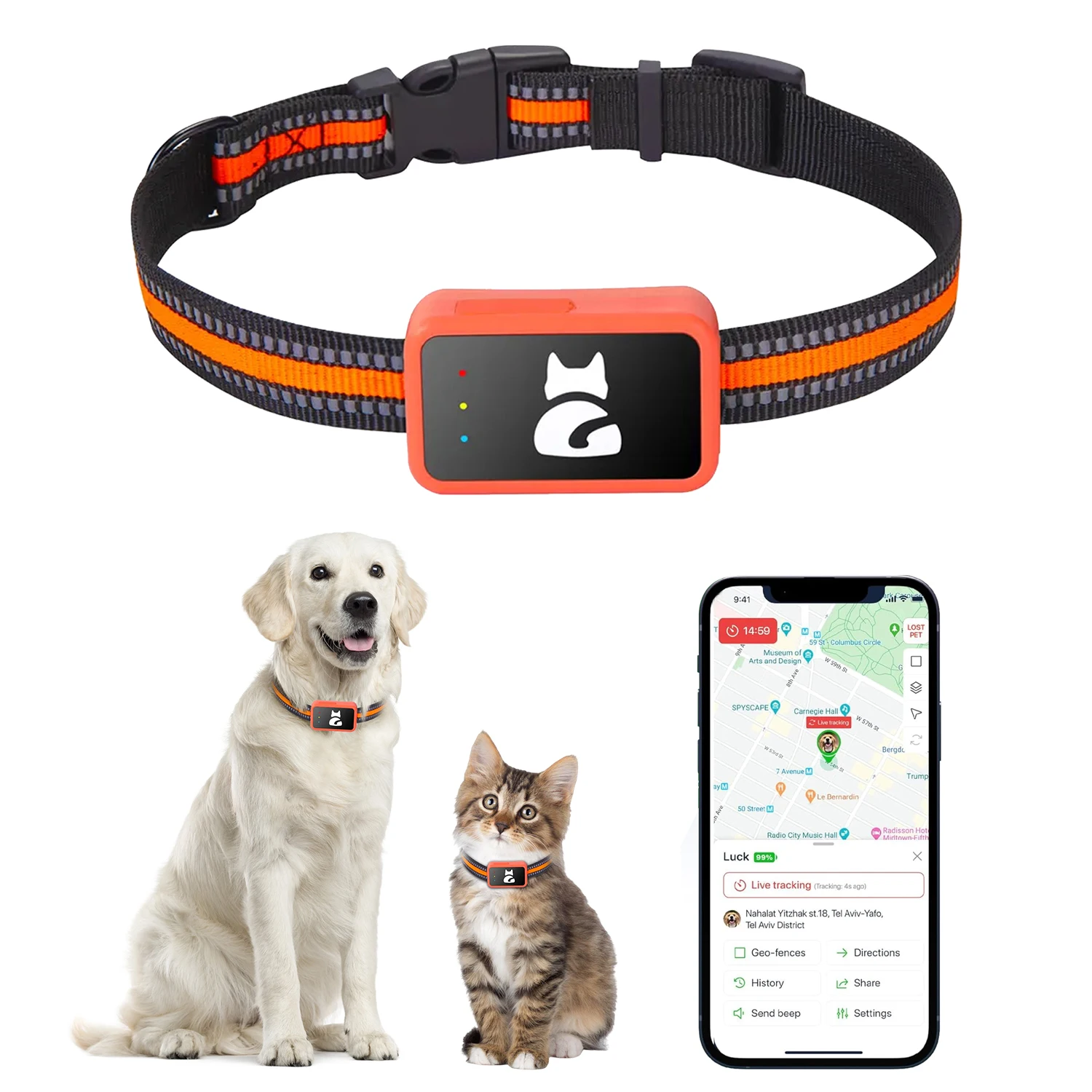
Before first use, be sure to charge the device to 100% and activate the SIM card. Install the mobile app, register, and set up geofences — for example, mark your yard or neighborhood as a safe territory. If the cat goes beyond its boundaries, you will receive a notification on your phone.
Gradually accustom the animal to the collar. First, put it on for 15-20 minutes at home, gradually increasing the time. Most cats get used to the new accessory within 3-5 days. If the cat tries to remove the collar, make sure it is not too tight and does not rub the fur.
Regularly check the charge level and cleanliness of the contacts. Moisture or dirt can degrade signal quality. It's also worth periodically checking if data transmission is working — just look in the app to see if the coordinates are updating.
Conclusion:
A GPS collar for a cat is an effective tool that really helps track an animal's movements, provided it is chosen and configured correctly. It is not a panacea, but it significantly increases the chances of quickly finding a pet in case of escape or loss. Choose models with hybrid positioning, moisture protection, and a convenient app. Specialists at ComfortShop recommend considering options with a geofence function and long battery life to ensure maximum peace of mind and safety for your furry friend.
Frequently Asked Questions
How exactly does a GPS collar for a cat work?
A GPS collar receives signals from satellites to determine the cat's location, and then transmits this data to your smartphone via mobile communication or Bluetooth.
Can I buy a GPS collar for a cat without a monthly fee?
Yes, some models use Bluetooth or Wi-Fi for short-range tracking without a subscription fee, but for global tracking via a mobile network, a SIM card with a data plan is usually required.
What is the range of a GPS collar for a cat?
The range depends on the type of communication: Bluetooth trackers work up to 100 meters, while GPS trackers with a mobile module can track the cat anywhere with cellular network coverage.
Is a GPS collar safe for a cat?
Yes, modern GPS collars are lightweight, waterproof, and have a quick-release function to prevent the cat from getting stuck, making them safe when used correctly.